





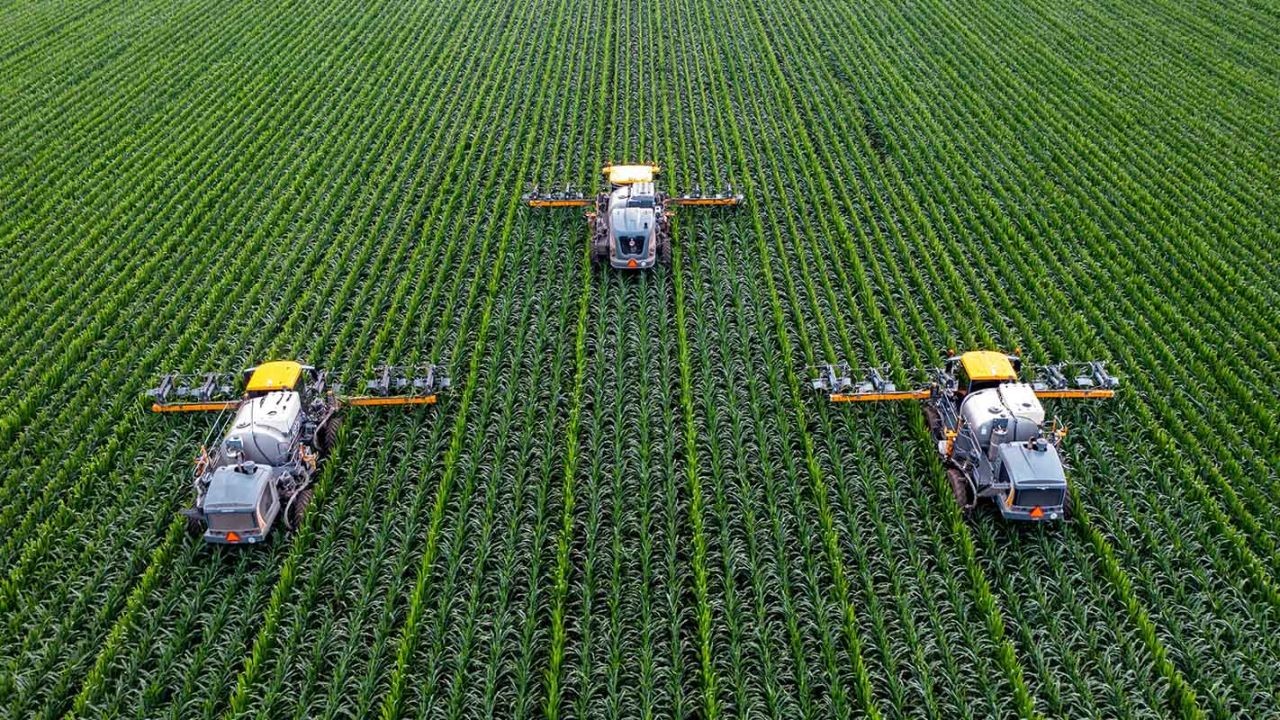
Picture this: a vast expanse of farmland in rural Australia, dotted with sensors and drones, each tirelessly working to maximize the productivity of every hectare. This isn't a scene from a futuristic movie—it's the present reality of agriculture driven by data analytics and IoT tools. As Australian farms grapple with the dual pressures of climate change and a burgeoning population, technology emerges as a critical ally. But will these advancements truly revolutionize agriculture, or are they merely a band-aid on a gaping wound?
Background: The Promising Merge of Agriculture and Technology
In recent years, Australia's agricultural sector has increasingly turned to technology to boost productivity. The integration of data analytics and IoT tools offers farmers unprecedented insights into crop health, soil conditions, and weather patterns. According to the Australian Bureau of Statistics, farms utilizing these technologies have reported a 30% increase in yield efficiency. Yet, as promising as these numbers appear, the transition is fraught with challenges, especially for smaller farms struggling to keep up with technological advancements.
Voices from the Field: Expert Opinions and Case Studies
Dr. Sarah Thompson, an agronomist at the University of Sydney, emphasizes, "The potential of IoT in agriculture is immense. However, it's crucial to remember that technology is only as good as its implementation." Indeed, one notable case study involves a farm in New South Wales that deployed IoT sensors across its fields. Initially, the farm faced issues with data integration and analysis, but after partnering with a local tech firm, they streamlined their operations, resulting in a 25% boost in crop yield within a year.
However, not all experiences mirror such success. James Carter, a farmer from Victoria, shares a cautionary tale: "We invested heavily in drones and sensors, but without proper training and support, it felt like we were flying blind. The technology was there, but our understanding wasn't." This underscores an essential aspect: the need for adequate training and support in the adoption of new technologies.
Implications: Economic and Environmental Impact
The economic implications of integrating IoT and data analytics into agriculture are substantial. The Reserve Bank of Australia projects that widespread adoption could contribute an additional AUD 20 billion to the GDP by 2030. Moreover, the environmental benefits are equally significant. With precise water and fertilizer usage, farms can reduce their ecological footprint, aligning with Australia's sustainability goals.
Yet, the transition is not without hurdles. The Australian Competition & Consumer Commission (ACCC) has raised concerns about data privacy and the monopolistic tendencies of tech giants providing these solutions. As farms become increasingly reliant on technology, the question of data ownership looms large, with potential regulatory implications.
Pros and Cons of IoT and Data Analytics in Farming
Pros:
- Increased Efficiency: Farms have reported up to 50% increases in productivity.
- Cost Savings: Precision agriculture reduces input costs such as water and fertilizer.
- Sustainability: Optimized resource use aligns with environmental goals.
Cons:
- High Initial Costs: The technology and training require significant upfront investment.
- Complexity: Integrating new systems can be challenging without proper support.
- Data Privacy: Concerns about who owns and controls the farm data.
Future Trends and Predictions
The future of Australian agriculture is poised for further transformation. By 2028, experts predict that over 70% of Australian farms will integrate some form of IoT technology, driven by both necessity and innovation. The global trend towards smart farming will continue to influence Australia's agricultural policies and practices, with anticipated regulatory frameworks focusing on data privacy and fair market competition.
Conclusion: The Path Forward
As Australia stands on the brink of an agricultural revolution, the integration of data analytics and IoT tools offers both promise and challenge. For farms to truly thrive, there must be a concerted effort from policymakers, tech companies, and farmers to ensure that technology is accessible, understandable, and beneficial for all. The next decade will be crucial in determining whether these tools become a staple of Australian agriculture or a missed opportunity.
What’s your take on the future of farming in Australia? Share your thoughts and join the conversation below!
People Also Ask (FAQ)
- How does IoT impact Australian farms? IoT tools boost farm productivity by providing real-time data on crop health and soil conditions, leading to more efficient resource use and higher yields.
- What are the biggest misconceptions about IoT in farming? A common myth is that IoT is only for large farms. However, small farms can also benefit significantly from tailored IoT solutions.
- What are the best strategies for implementing IoT in agriculture? Experts recommend starting with pilot projects, investing in training, and collaborating with tech partners for successful implementation.
Related Search Queries
- IoT in Australian agriculture
- Data analytics in farming
- Smart farming technologies
- Impact of technology on agriculture
- Future of farming in Australia
- Precision agriculture benefits
- Challenges of IoT in farming
- Data privacy in agriculture
- Environmental impact of smart farming
- Agricultural technology trends 2023
For the full context and strategies on Farm Productivity Video Insights Using Data Analytics and IoT Tools, see our main guide: Crop Horticulture Videos Australia.