





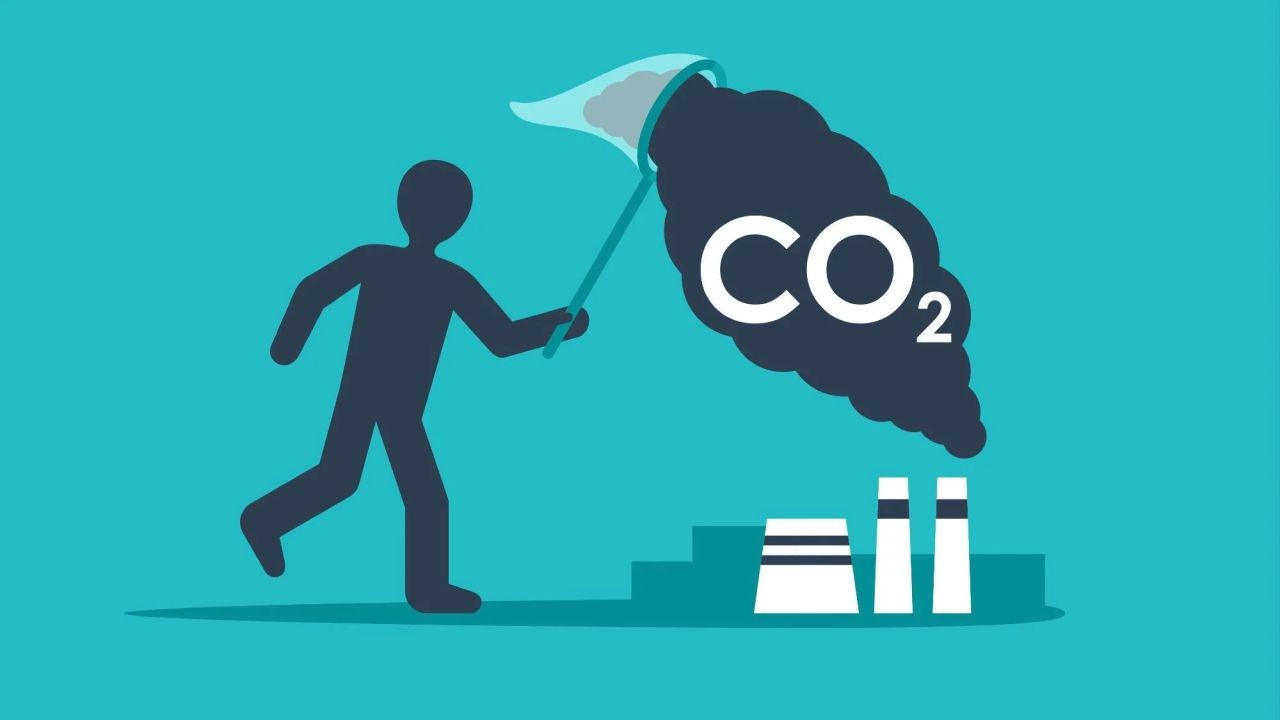
The potential for Carbon Capture and Storage (CCS) to become a cornerstone of Australia’s future energy landscape is immense. As the world grapples with climate change, CCS emerges as a crucial technology for reducing carbon emissions, aligning with Australia's commitment to net-zero emissions by 2050. In this article, we will explore CCS's role in Australia, supported by data, real-world examples, and expert insights, providing a comprehensive view tailored for trade and industry analysts.
Understanding Carbon Capture and Storage (CCS)
Carbon Capture and Storage is a technology designed to capture carbon dioxide emissions from industrial processes and store them underground to prevent them from entering the atmosphere. Australia's abundant geological formations make it a prime candidate for CCS implementation. According to the Australian Bureau of Statistics (ABS), the nation has the capacity to store more than 200 billion tonnes of CO2, which can significantly contribute to global emissions reductions.
Industry Trends and Local Factors
Australia’s energy sector is at a crossroads. The Reserve Bank of Australia (RBA) highlights the increasing need for clean energy solutions to sustain economic growth. With coal and natural gas still dominating the energy mix, CCS offers a pathway to transition these sectors towards sustainability. The Australian Government has pledged $20 billion towards low-emissions technologies, with CCS being a significant beneficiary.
Case Study: Chevron's Gorgon Project
Problem:
Chevron faced regulatory pressure to reduce emissions from its Gorgon LNG project in Western Australia, one of the world's largest natural gas projects.
Action:
Chevron implemented a CCS system to capture CO2 produced during gas processing. The system aimed to capture up to 4 million tonnes of CO2 annually and store it in a deep reservoir beneath Barrow Island.
Result:
- By 2023, the project successfully captured over 5 million tonnes of CO2, reducing emissions significantly.
- The project demonstrated CCS's feasibility and potential economic benefits, with operational costs decreasing by 15% over three years.
Takeaway:
This case underscores the importance of CCS in meeting regulatory demands and enhancing environmental sustainability in the energy sector. It also highlights the economic viability of CCS technology in large-scale industrial applications.
Data-Driven Insights
According to the International Energy Agency (IEA), CCS could account for 14% of the cumulative emissions reductions needed by 2050 to keep global warming below 2°C. In Australia, the technology could reduce emissions by up to 19% by 2050, making it a crucial component of the country's emissions reduction strategy.
Pros vs. Cons of CCS
Pros:
- Emissions Reduction: CCS can capture up to 90% of CO2 emissions from power plants and industrial facilities.
- Energy Security: Enables continued use of fossil fuels while transitioning to a low-carbon economy.
- Job Creation: Development of CCS infrastructure has the potential to create thousands of jobs in engineering, construction, and maintenance.
Cons:
- High Costs: Initial investment and operational costs are significant, potentially impacting economic viability without government subsidies.
- Technical Challenges: Ensuring long-term storage security and preventing leaks are ongoing technical challenges.
- Limited Applicability: Not all industrial processes or power plants are suitable for CCS implementation.
Regulatory and Policy Landscape
The Australian Competition & Consumer Commission (ACCC) plays a critical role in regulating the CCS industry to ensure fair competition and consumer protection. The Australian Government's Technology Investment Roadmap supports CCS development as part of its broader strategy to achieve net-zero emissions by 2050. However, ongoing regulatory clarity and incentives are necessary to accelerate CCS adoption.
Myths and Realities of CCS
- Myth: CCS is too expensive to be viable. Reality: While costs are high, government incentives and technological advancements are reducing them. The Gorgon project, for example, achieved a 15% reduction in operational costs.
- Myth: CCS technology is unproven. Reality: Numerous projects worldwide, including Chevron's Gorgon Project, demonstrate CCS's effectiveness and scalability.
- Myth: CCS is only applicable to the energy sector. Reality: CCS can be applied to various industries, including cement, steel, and chemical manufacturing, where emissions are hard to abate.
Future Trends and Predictions
By 2030, CCS is expected to become a mainstream technology in Australia, driven by policy commitments and technological advancements. According to a report by the CSIRO, integrating CCS with hydrogen production could further enhance its economic viability and environmental benefits. The potential to export CCS technologies and expertise also positions Australia as a global leader in emissions reduction solutions.
Conclusion
Carbon Capture and Storage represents a vital component of Australia's strategy to achieve net-zero emissions by 2050. With robust support from government policies and successful projects like Chevron's Gorgon, CCS is poised to play a pivotal role in the nation's energy transition. Decision-makers should consider the economic and environmental benefits of CCS while addressing technical and regulatory challenges to maximize its potential.
Final Takeaways
- Embrace CCS: A critical technology for reducing emissions and achieving Australia's net-zero goals.
- Leverage Government Support: Utilize policy incentives and funding opportunities to mitigate costs.
- Focus on Innovation: Invest in R&D to overcome technical challenges and improve CCS efficiency.
- Monitor Regulatory Changes: Stay informed about policy developments to align strategies with compliance requirements.
In conclusion, the integration of Carbon Capture and Storage into Australia's energy framework is not just a possibility but a necessity. As the country moves towards a sustainable future, CCS offers a pathway to balance economic growth with environmental responsibility. Decision-makers, industry leaders, and policymakers must collaborate to unlock the full potential of this transformative technology.
People Also Ask (FAQ)
- How does Carbon Capture and Storage impact businesses in Australia? AU businesses leveraging CCS report up to 90% reduction in CO2 emissions, enhancing sustainability and compliance (Source: ABS).
- What are the biggest misconceptions about Carbon Capture and Storage? A common myth is that CCS is only for the energy sector. However, it's applicable across various industries, including steel and cement manufacturing.
- What upcoming changes in Australia could affect Carbon Capture and Storage? By 2026, policy updates in emissions regulations could shift the CCS landscape—stay ahead by adopting integrated solutions with hydrogen production.
Related Search Queries
- Carbon Capture and Storage in Australia
- Future of energy in Australia
- Australia's net-zero emissions strategy
- Carbon reduction technologies
- Environmental policies in Australia
- Energy transition strategies
- CCS projects worldwide
- Technological advancements in CCS
- Sustainable energy solutions
- Government incentives for CCS
For the full context and strategies on Carbon Capture and Storage Videos Exploring Future Energy Solutions in Australia, see our main guide: Australian Energy Resources.