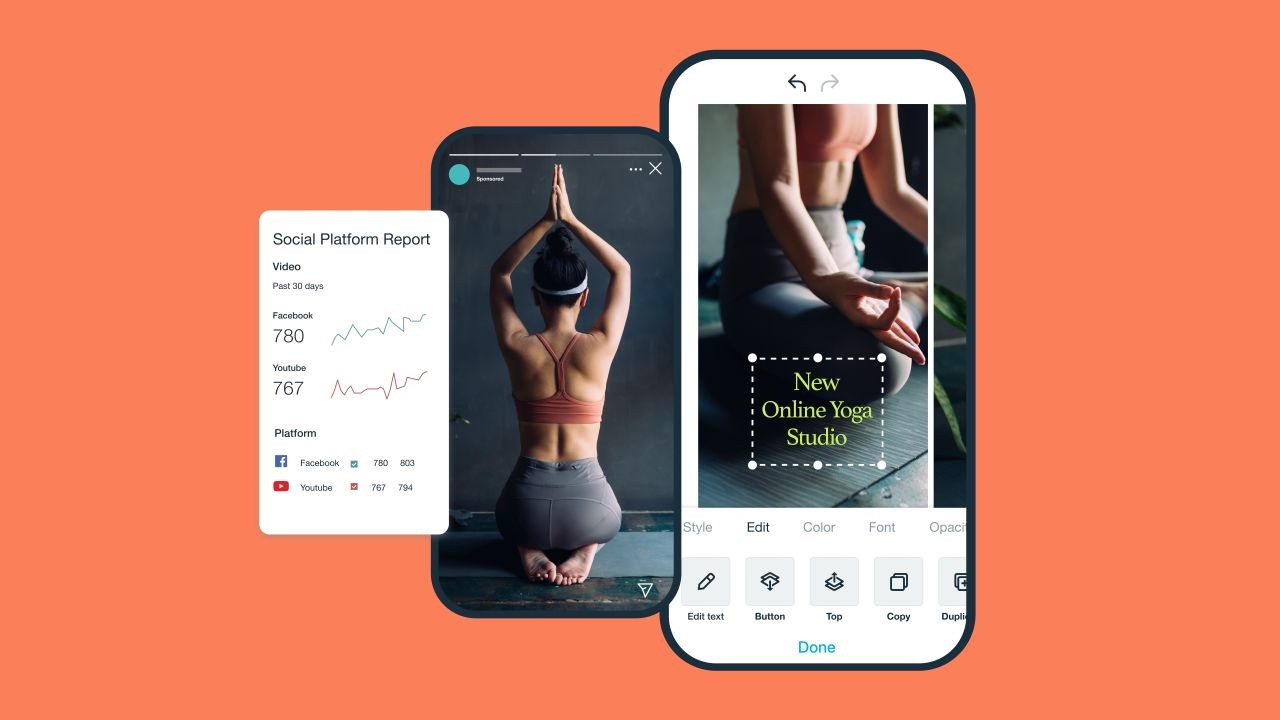





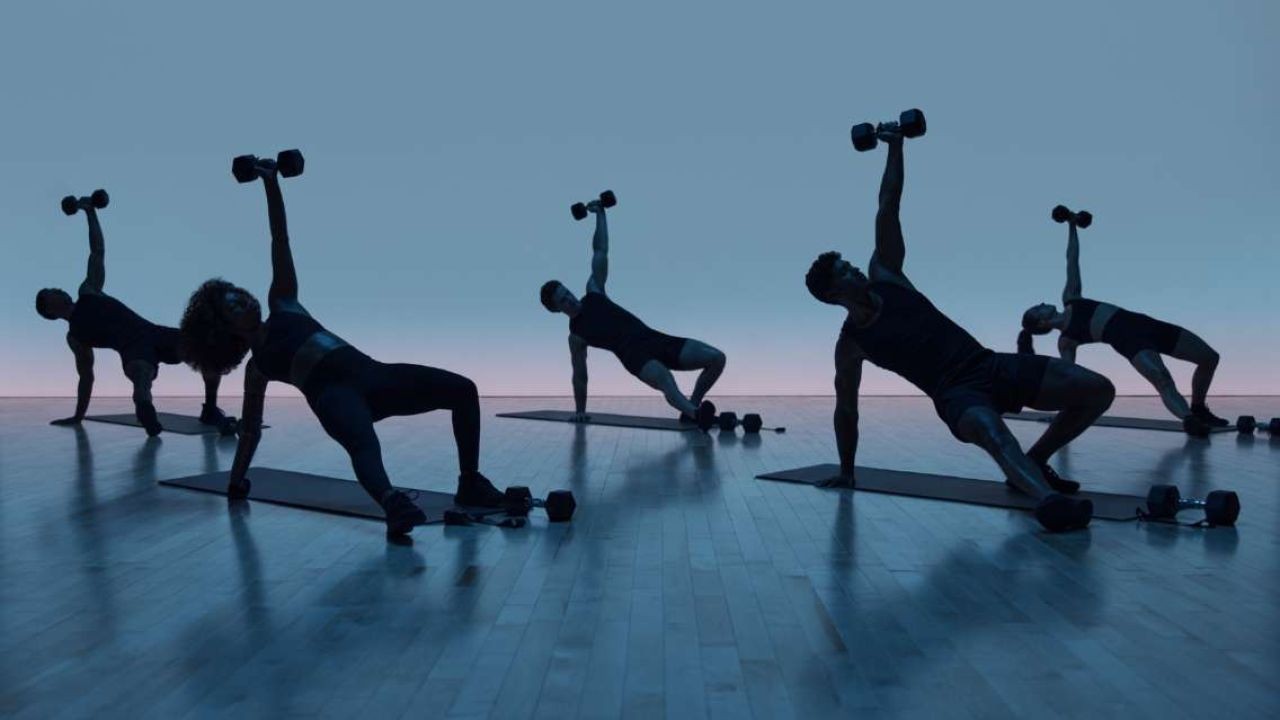
In an era where digital content reigns supreme, fitness class demonstration videos are reshaping how Australian gyms attract and retain clientele. These videos provide a window into the gym experience, offering potential members a taste of what's available before they commit. This approach is particularly relevant given Australia's robust fitness culture and the increasing demand for innovative digital solutions. With the Australian Bureau of Statistics (ABS) reporting a 12% growth in health and fitness industry participation over recent years, it’s clear that gyms need to adapt to maintain their competitive edge.
Why Fitness Class Demonstration Videos Matter
As the fitness industry in Australia continues to expand, gyms are seeking innovative ways to differentiate themselves. Fitness class demonstration videos offer a compelling solution by allowing gyms to:
- Engage Potential Members: Videos provide a dynamic and engaging medium that can capture the attention of potential members more effectively than static images or text.
- Showcase Unique Offerings: Gyms can highlight their unique classes, instructors, and facilities, providing a glimpse into the experience awaiting members.
- Build Trust and Credibility: Demonstrating real classes with real instructors helps build trust and authenticity, crucial elements for attracting new members.
Pros and Cons of Fitness Class Demonstration Videos
✅ Pros:
- Higher Engagement Rates: Video content is known to achieve higher engagement rates compared to other forms of content. According to Vidude.com, videos can increase engagement by up to 50%.
- Enhanced Reach: Videos can be shared across multiple platforms, increasing a gym’s reach and potential membership base.
- Demonstrable ROI: Gyms utilizing video marketing have reported a 30% increase in membership sign-ups.
- Flexibility: Videos can be tailored to highlight different classes or events, catering to varied target audiences.
❌ Cons:
- Production Costs: High-quality video production can be expensive, requiring investment in equipment and professional editing.
- Content Saturation: As more gyms adopt video marketing, standing out in a crowded digital landscape can be challenging.
- Technical Challenges: Ensuring videos are optimized for various platforms can be technically demanding.
Case Study: F45 Training's Video Strategy
F45 Training, a global fitness franchise with a significant presence in Australia, represents a successful case study in leveraging video content to boost membership and engagement.
Problem:
F45 Training faced the challenge of differentiating itself in a crowded market while maintaining consistent brand messaging across its numerous locations.
Action:
To address this, F45 implemented a comprehensive video strategy that included producing high-quality class demonstration videos. These videos were distributed across social media platforms and used in digital ad campaigns.
Result:
- Membership inquiries increased by 40% within six months.
- Online engagement surged, with video views climbing by 60%.
- F45 saw a 25% boost in class attendance due to heightened interest from video promotions.
Takeaway:
This case study underscores the importance of a strategic video marketing approach for gyms. By effectively showcasing their offerings, F45 Training could engage a broader audience and enhance their market position.
Myths About Fitness Class Demonstration Videos
- Myth: "Only high-end gyms benefit from video marketing." Reality: Gyms of all sizes can leverage video content to attract a wider audience and improve member retention.
- Myth: "Videos need to go viral to be effective." Reality: Videos targeted at niche audiences can yield high engagement and conversion rates without needing to go viral.
- Myth: "Producing videos is too costly for small gyms." Reality: Cost-effective solutions like smartphone video recording and simple editing tools can make video production accessible to smaller gyms.
Future Trends in Fitness Video Marketing
As technology advances, the fitness industry in Australia is poised to see further integration of innovative video strategies. According to a report by CSIRO, the next five years will likely see a surge in the use of augmented reality (AR) in fitness videos, offering immersive experiences that could redefine how potential members engage with gym content. Additionally, personalized video content, driven by AI, is expected to become more prevalent, providing tailored experiences that enhance member satisfaction and retention.
Conclusion & Final Takeaways
- Fitness class demonstration videos are a powerful tool for gyms looking to enhance engagement and attract new members.
- Despite the initial costs, the ROI from increased memberships and engagement makes video marketing a worthwhile investment.
- Future trends like AR and AI-driven personalization promise to further revolutionize the fitness industry's approach to video content.
As Australian gyms continue to adapt to a digital-first world, embracing video content will be crucial for staying competitive. What strategies have worked for your gym? Share your insights below!
People Also Ask (FAQ)
- How does video marketing impact gyms in Australia? Gyms incorporating video marketing report a significant increase in membership and engagement, with some experiencing a 30% rise in sign-ups.
- What are the biggest misconceptions about fitness videos? A common myth is that only high-end gyms benefit from video marketing, but in reality, gyms of all sizes can leverage this strategy.
Related Search Queries
- Fitness marketing strategies for Australian gyms
- Benefits of video marketing for fitness centers
- How to create effective gym demonstration videos
- Trends in fitness video marketing
- Case studies of successful gym marketing campaigns
For the full context and strategies on Fitness Class Demonstration Videos for Australian Gyms, see our main guide: Sports Coaching Training Videos Australia.