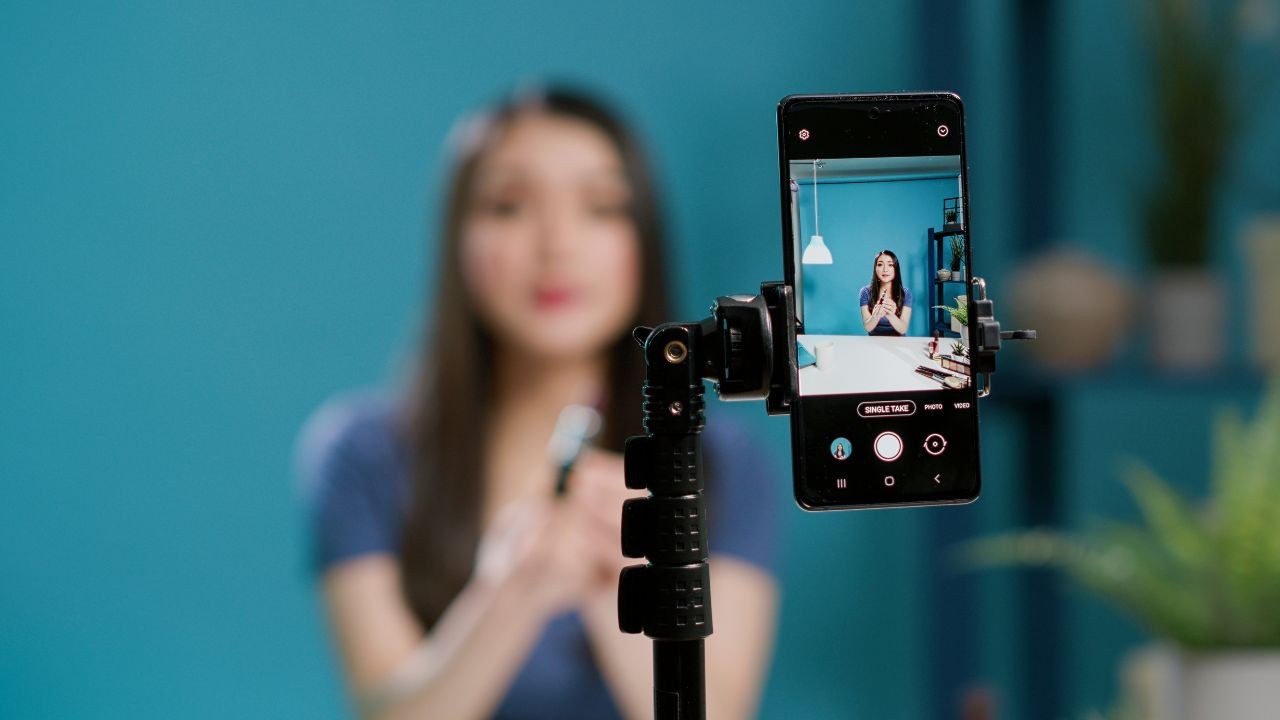



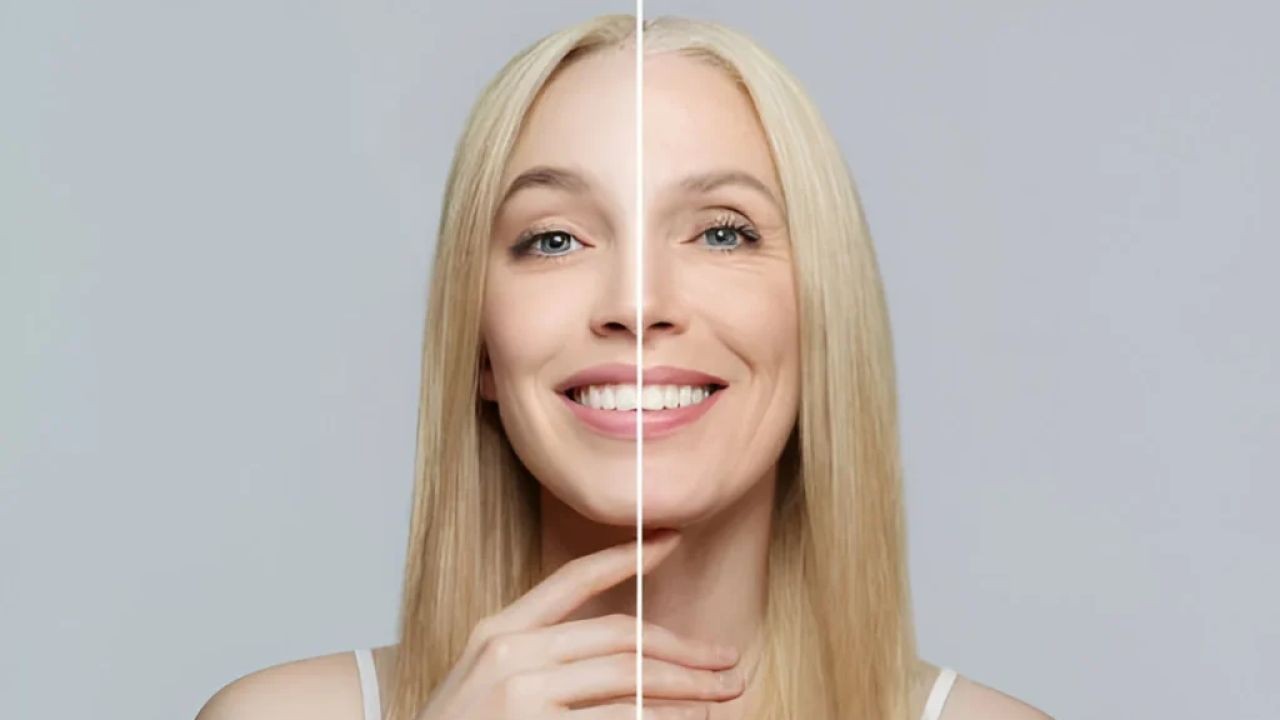
In recent years, the skincare and anti-aging industry has experienced a surge in popularity, largely driven by the proliferation of video tutorials. These digital resources have revolutionized the way Australians approach skincare, offering a wealth of information that was once confined to dermatologists and beauty experts. However, while these tutorials offer accessibility and convenience, they also bring unique challenges, especially in the realm of regulatory compliance and consumer safety. This article delves into the intricacies of skincare video tutorials, evaluating their impact on Australian consumers and the broader industry. We will explore the regulatory landscape, highlight expert insights, and assess the future trajectory of this burgeoning sector.
The Rise of Skincare Video Tutorials in Australia
Australia's beauty industry has seen a remarkable transformation, spurred by the digital age. According to the Australian Bureau of Statistics, the beauty and personal care market grew by 4.7% in 2023, underscoring the increasing demand for skincare solutions. Video tutorials, accessible via platforms like YouTube and TikTok, have democratized beauty advice, enabling individuals to learn from influencers and experts worldwide. However, with this accessibility comes the challenge of ensuring that the information disseminated is accurate, safe, and compliant with Australian regulations.
The Pros and Cons of Skincare Video Tutorials
Pros:
- Accessibility: Video tutorials make skincare advice available to a wide audience, breaking geographic and economic barriers.
- Variety: Consumers have access to diverse perspectives and techniques, allowing them to tailor routines to their specific needs.
- Engagement: These tutorials leverage visual learning, making complex skincare techniques more understandable and relatable.
Cons:
- Regulatory Challenges: Ensuring compliance with Australian Therapeutic Goods Administration (TGA) standards is complex, as many tutorials originate from outside Australia.
- Inconsistent Quality: The quality and accuracy of information can vary significantly, leading to potential consumer harm.
- Over-commercialization: Some tutorials prioritize product promotion over objective skincare advice, potentially misleading consumers.
Regulatory Insights for Skincare Tutorials
The Australian Competition & Consumer Commission (ACCC) plays a crucial role in overseeing the compliance of beauty products and tutorials with consumer protection laws. In 2022, the ACCC reported an increase in complaints related to misleading beauty claims, prompting a crackdown on non-compliant content. Companies and influencers alike must navigate these regulations to ensure their content does not mislead consumers or make unsubstantiated claims.
Additionally, the Therapeutic Goods Administration (TGA) regulates skincare products that claim therapeutic benefits. Content creators must be cautious when discussing products that fall under this category, ensuring that their claims are backed by evidence and comply with TGA guidelines. Failure to adhere to these regulations can result in hefty fines and reputational damage.
Case Study: The Impact of Misleading Content
Case Study: Beauty Influencer in Hot Water
Problem: A prominent Australian beauty influencer faced backlash after promoting a DIY skincare routine that led to adverse skin reactions among viewers. The tutorial, which claimed to reduce acne using unverified ingredients, quickly went viral.
Action: The ACCC intervened, citing breaches of consumer law due to misleading claims and lack of scientific backing. The influencer was required to issue a public apology and remove the video, emphasizing the importance of compliance with regulatory standards.
Result: The incident highlighted the need for content creators to prioritize consumer safety and adhere to regulatory requirements. It also underscored the role of the ACCC in maintaining industry standards.
Takeaway: This case study illustrates the potential repercussions of disseminating unverified skincare advice. It serves as a cautionary tale for influencers and companies to ensure that their content is both accurate and compliant with Australian regulations.
Future Trends and Predictions
As the skincare industry continues to evolve, we anticipate several key trends that will shape its future in Australia. By 2025, it is expected that 50% of beauty content will be consumed via short-form video platforms like TikTok and Instagram Reels, according to a report by Deloitte. This shift necessitates a heightened focus on regulation and consumer protection, as the rapid dissemination of content can amplify both positive and negative impacts.
Moreover, the integration of artificial intelligence (AI) in skincare tutorials will likely become more prevalent. AI-driven analysis can personalize skincare recommendations, enhancing user experience and engagement. However, this technological advancement must be balanced with ethical considerations, particularly regarding data privacy and consent.
Common Myths and Misconceptions
- Myth: "Natural ingredients are always safe." Reality: Natural products can cause allergic reactions and should be used with caution. The TGA advises consumers to conduct patch tests and consult professionals before use.
- Myth: "More expensive products are more effective." Reality: Price does not always correlate with efficacy. Many affordable products meet regulatory standards and offer similar benefits.
- Myth: "Online tutorials replace professional advice." Reality: While informative, tutorials should complement, not replace, professional consultations, especially for serious skin conditions.
Conclusion and Final Takeaways
In conclusion, skincare and anti-aging video tutorials offer significant benefits for Australian consumers, providing accessible and engaging content. However, they also present regulatory challenges that require vigilance and compliance with Australian standards. Content creators must prioritize accuracy and consumer safety to maintain trust and avoid legal repercussions.
As the industry progresses, the integration of technology and regulatory oversight will play pivotal roles in shaping the future of skincare tutorials. Stakeholders must remain informed and adaptable to navigate this dynamic landscape effectively.
What’s your take on the future of skincare tutorials in Australia? Join the conversation by sharing your insights below!
People Also Ask (FAQ)
- How do skincare video tutorials impact Australian consumers? Skincare tutorials provide accessible beauty advice, but they must comply with Australian regulations to ensure consumer safety.
- What are the biggest misconceptions about skincare products? A common myth is that natural ingredients are always safe, but they can cause adverse reactions. Always consult professionals for serious skin concerns.
- What upcoming changes in Australia could affect skincare tutorials? By 2025, regulatory updates will likely emphasize stricter compliance for digital beauty content, necessitating greater accountability from creators.
Related Search Queries
- Australian skincare trends 2024
- Regulations for beauty tutorials in Australia
- Best anti-aging products Australia
- TGA skincare compliance
- Impact of beauty influencers in Australia
- AI in skincare tutorials
- Consumer safety in beauty industry
- Skincare myths debunked
- Future of beauty industry Australia
- How to create compliant beauty content in Australia
For the full context and strategies on Skincare and Anti-Aging Video Tutorials for Australians, see our main guide: Hair Salon Styling Videos Australia.