






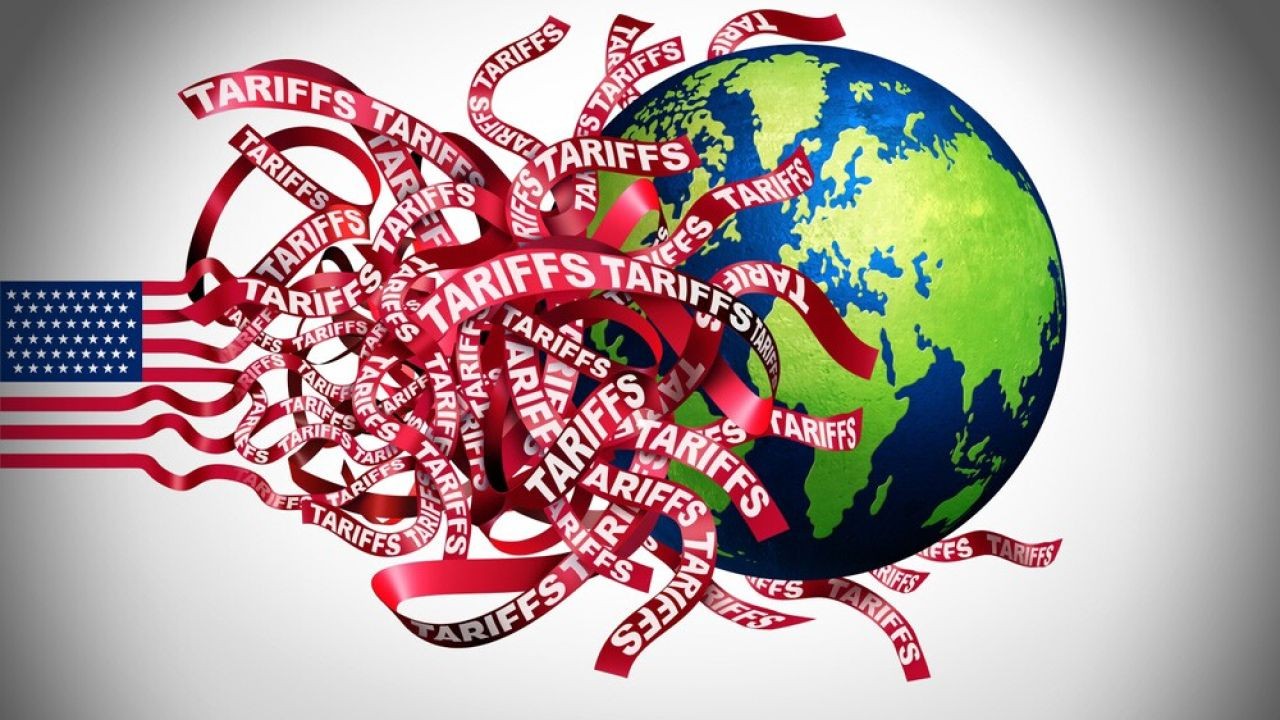
In the dynamic landscape of international trade, the ongoing tariff war has prompted nations to seek innovative solutions. China, a global powerhouse, has turned to automation, deploying an army of robots to sustain its competitive edge. This strategic pivot has significant implications, not only for China but also for its trading partners, including New Zealand. As we delve into this topic, we will explore how this shift could impact New Zealand's industries and economy, offering insights and strategies for Kiwi businesses to adapt and thrive.
Understanding China's Automation Strategy
China's embrace of robotics is a calculated response to tariff pressures and rising labor costs. By 2025, China aims to become a leader in smart manufacturing, as outlined in its 'Made in China 2025' plan. The country is investing heavily in robotics, with an expected compound annual growth rate (CAGR) of 21% in robotics installations by 2025 (Source: International Federation of Robotics). This surge is driven by the need to enhance productivity, reduce dependency on human labor, and mitigate the impact of tariffs on manufacturing costs.
The Pros and Cons of Robotic Automation
As with any technological advancement, there are pros and cons to consider:
Pros:
- Increased Efficiency: Robots can work 24/7, significantly boosting production rates.
- Cost Reduction: Automation reduces labor costs and improves precision, minimizing waste and defects.
- Flexibility: Robots can be reprogrammed for various tasks, offering adaptability in production.
Cons:
- High Initial Investment: The upfront cost of robotics technology can be prohibitive for smaller enterprises.
- Job Displacement: Automation can lead to job losses in traditional manufacturing roles.
- Technical Challenges: Implementing and maintaining robotics requires specialized skills and knowledge.
Implications for New Zealand Industries
New Zealand's economy, heavily reliant on agriculture and exports, could face both challenges and opportunities in the wake of China's automation strategy. The agricultural sector, a cornerstone of New Zealand's economy, may particularly feel the impact. As China enhances its manufacturing capabilities, it may reduce its demand for raw materials, including those from New Zealand.
However, this shift also presents opportunities. New Zealand businesses could adopt similar automation strategies to enhance their competitiveness. According to Stats NZ, the adoption of advanced manufacturing technologies could increase productivity in New Zealand by up to 20% by 2030 (Source: Stats NZ). Embracing automation could help Kiwi companies reduce costs, improve product quality, and expand into new markets.
Case Study: Zespri International
Zespri, a leading New Zealand kiwifruit marketer, exemplifies the potential benefits of automation. Faced with labor shortages and increasing demand, Zespri implemented automated sorting and packing systems. This technology reduced labor costs by 30% and increased sorting accuracy by 25%. As a result, Zespri expanded its market presence in Asia, demonstrating how automation can drive growth and efficiency (Source: Zespri Annual Report).
Debunking Myths About Automation
Several misconceptions surround the topic of automation:
Myth: "Automation will eliminate all jobs." Reality: While some jobs may be displaced, automation creates new roles in technology and maintenance. According to MBIE, automation will transform, not eliminate, the workforce, with an estimated net gain of 25,000 jobs by 2030 in New Zealand (Source: MBIE). Myth: "Only large companies can afford automation." Reality: Automation technology is becoming more accessible and cost-effective, allowing small to medium-sized enterprises (SMEs) to benefit from its adoption.
Strategies for New Zealand Businesses
To navigate this evolving landscape, New Zealand businesses should consider the following strategies:
- Invest in Technology: Explore affordable automation solutions that enhance productivity and reduce operational costs.
- Upskill the Workforce: Provide training programs to equip employees with skills to manage and maintain automated systems.
- Collaborate with Tech Firms: Partner with technology companies to implement customized automation solutions tailored to specific industry needs.
By adopting these strategies, Kiwi businesses can remain competitive and resilient in the face of global trade shifts.
Future Trends and Predictions
The future of automation in New Zealand looks promising. By 2028, it's predicted that over 50% of New Zealand's manufacturing sector will incorporate automation technologies, leading to a 15% increase in national productivity (Source: Deloitte NZ Future of Manufacturing Report). As automation becomes more integrated, businesses that adapt early will likely gain a significant competitive advantage.
Conclusion
China's strategic use of robotics in the tariff war underscores the transformative power of automation in global trade. For New Zealand, this presents both challenges and opportunities. By embracing automation, Kiwi businesses can enhance their productivity, reduce costs, and open new market avenues. As we look to the future, the key to success will lie in adopting technology and upskilling the workforce to meet the demands of the evolving global economy.
What's your take on the impact of automation in New Zealand? Share your insights and strategies in the comments below!
People Also Ask (FAQ)
How does China's automation strategy impact New Zealand?
China's automation could reduce its demand for NZ raw materials, impacting exports. However, it also offers NZ businesses a chance to enhance productivity through similar technologies.
What are the biggest misconceptions about automation?
One myth is that automation will eliminate all jobs, but in reality, it transforms the workforce, creating new opportunities in tech and maintenance roles.
What are the best strategies for implementing automation in NZ?
Experts recommend investing in affordable tech, upskilling the workforce, and collaborating with tech firms for tailored automation solutions.
Related Search Queries
- Impact of China's automation on global trade
- Robotics in manufacturing
- Automation trends in New Zealand
- Future of manufacturing in NZ
- Adopting automation in agriculture
For the full context and strategies on China has an army of robots on its side in the tariff war – New York Times – The Hidden Truth Every New Zealander Should Know, see our main guide: Sustainable Hospitality Eco Friendly Video Marketing.

































JLS Professional Pest Control
1 month ago