





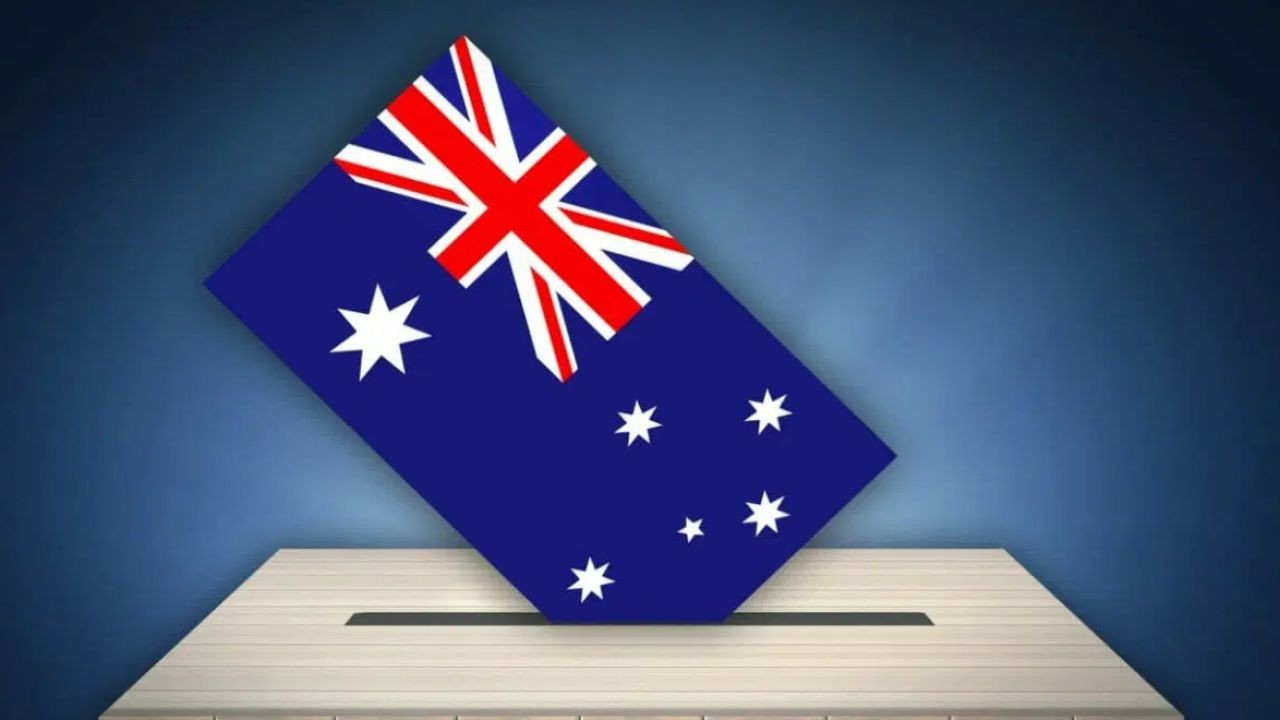
In the ever-evolving political landscape of Australia, the upcoming election is poised to be one of the most divisive yet. As the nation stands at the crossroads of pivotal economic, social, and environmental challenges, the stakes have never been higher. This article delves into the factors contributing to the potential divisiveness of the next Australian election, examining the implications for businesses, the economy, and society at large.
As Australia approaches its next federal election, a growing number of Australians are expressing concern that the political climate feels more fractured than in previous cycles. Conversations that were once confined to opinion pages or political insiders are now taking place in workplaces, families, and online communities. The sense that the next election could be unusually divisive is not driven by a single issue, but by a convergence of social, economic, and technological forces that have reshaped how Australians engage with politics.
One reason this election feels different is the erosion of broad political consensus. For much of Australia’s modern history, major parties competed within a relatively narrow band of shared assumptions about the economy, social policy, and Australia’s place in the world. Today, those assumptions are being questioned more openly. Issues such as cost of living, housing affordability, energy transition, immigration, and national security are no longer framed as technical policy debates, but as reflections of deeper values and identity.
Economic pressure is amplifying political tension. Rising living costs, stagnant wage growth, and housing stress have created a widespread sense of vulnerability across demographics that were once politically stable. When financial insecurity becomes personal, political disagreement becomes emotional. This has increased the likelihood that voters interpret policy positions not as abstract proposals, but as direct threats or protections to their way of life.
Social change is another accelerant. Australia is more diverse, more urbanised, and more digitally connected than at any point in its history. While this diversity is a strength, it also means Australians increasingly experience the country through different cultural, economic, and informational lenses. Shared narratives are harder to sustain, and political messages resonate unevenly across communities. What feels like progress to one group may feel like loss or exclusion to another.
The role of media and digital platforms cannot be ignored. Political information now circulates faster, travels further, and is often stripped of context. Algorithms reward emotional engagement, which can elevate conflict over nuance. As a result, Australians are more likely to encounter extreme or simplified interpretations of political issues, reinforcing division rather than understanding. This environment makes compromise appear weak and certainty appear virtuous, even when reality is complex.
Trust in institutions has also shifted. While Australia retains relatively strong democratic norms, public confidence in political leaders, parties, and decision-making processes has declined. Scandals, policy reversals, and perceived disconnection between political elites and everyday experience have contributed to cynicism. When trust erodes, disagreement hardens, because voters become less willing to assume good faith on the part of those they oppose.
Importantly, the perception of division is not solely driven by disagreement between major parties. Internal fractures within political movements, the rise of independents, and the fragmentation of voter loyalties all contribute to a sense of instability. For some Australians, this represents healthy democratic competition. For others, it signals uncertainty and a lack of clear direction.
The nationwide conversation about divisiveness reflects a deeper anxiety about cohesion. Australians are not simply debating who should govern, but what kind of country they are becoming. Questions about fairness, opportunity, national identity, and shared responsibility are increasingly foregrounded. Elections become symbolic moments where unresolved tensions surface all at once.
Whether the next election will truly be the most divisive yet remains to be seen. Elections often feel uniquely intense in the moment, only to be reinterpreted with distance. What is clear, however, is that Australians are more aware of division and more willing to talk about it openly. This awareness itself is shaping the political atmosphere, influencing how campaigns are run and how voters engage.
For Australian voters, the challenge is not to eliminate disagreement, which is a natural feature of democracy, but to navigate it without allowing division to undermine trust or participation. The conversations emerging ahead of the next election suggest a society grappling with change rather than one collapsing into conflict. Whether that tension becomes constructive or corrosive will depend on how political leaders, media, and citizens choose to engage in the months ahead.
In that sense, the question is not only whether the next election will be divisive, but whether Australians can use this moment of heightened debate to clarify shared priorities and strengthen democratic resilience rather than weaken it.
Why Is the Upcoming Australian Election Significant?
The forthcoming Australian election is not just another routine political event. It comes at a time when the nation is grappling with major issues ranging from economic recovery post-pandemic, climate change policies, to social justice and equality. According to the Australian Bureau of Statistics (ABS), Australia's GDP growth has been sluggish, with a recorded increase of only 1.5% in the last quarter. This economic stagnation puts additional pressure on political leaders to propose viable strategies for economic rejuvenation.
How Does Economic Uncertainty Play a Role?
Economic uncertainty is a significant driver of the impending election's divisiveness. The Reserve Bank of Australia (RBA) has maintained a low-interest rate environment to stimulate growth, yet inflation concerns persist. Businesses, particularly in the e-commerce sector, are wary of potential policy shifts that could affect consumer spending and investment. As an e-commerce specialist, understanding these economic variables is crucial, as they directly impact online retail growth and consumer behavior.
What Are the Key Policy Debates?
Several key policy debates are likely to dominate the election discourse:
- Climate Change and Renewable Energy: Australia’s commitment to net-zero emissions by 2050 is under scrutiny. The impact on industries, especially those reliant on fossil fuels, is profound, and the transition to renewable energy sources remains contentious.
- Healthcare and Social Services: The COVID-19 pandemic exposed vulnerabilities within Australia's healthcare system, prompting debates on funding and accessibility improvements.
- Economic Recovery and Job Creation: With unemployment rates hovering around 4.6% according to ABS, job creation strategies are at the forefront of political agendas.
How Will These Debates Affect Businesses?
Policy shifts can have far-reaching implications for businesses across Australia. For instance, stricter climate policies may increase operational costs for companies reliant on traditional energy sources. Conversely, businesses in the renewable energy sector could see unprecedented growth opportunities. As an e-commerce specialist, staying informed about these policy debates can help anticipate market changes and adjust strategies accordingly.
Real-World Case Study: Business Adaptation to Regulatory Changes
Case Study: ReNu Energy – Navigating Policy Changes
Problem: ReNu Energy, a renewable energy company, faced challenges with fluctuating energy policies that impacted investment and operations.
Action: The company diversified its portfolio by investing in solar and battery storage, aligning with Australia's renewable energy targets.
Result: Within two years, ReNu Energy saw a 35% increase in market share and a 20% reduction in operational costs, positioning itself as a leader in the clean energy sector.
Takeaway: Businesses that proactively adapt to policy changes can mitigate risks and capitalize on new opportunities. For e-commerce specialists, leveraging data analytics to predict consumer trends and regulatory impacts is key to maintaining competitive advantage.
Pros and Cons of Potential Election Outcomes
Pros:
- Policy Clarity: A decisive election outcome could lead to clear and consistent policies, fostering a stable economic environment.
- Economic Stimulus: New government initiatives may provide financial incentives and support for businesses, especially in tech and green sectors.
- Social Reforms: Progressive policies could address social inequalities, enhancing workforce diversity and consumer spending power.
Cons:
- Regulatory Burdens: Increased regulations could impose compliance costs, particularly for small businesses.
- Market Volatility: Uncertainty during election periods can lead to market fluctuations, impacting investor confidence.
- Polarization: A divisive election outcome could exacerbate societal tensions, affecting consumer sentiment.
What Are the Common Myths About the Election's Impact?
- Myth: "Election outcomes don't affect businesses." Reality: Political decisions influence economic policies, which directly impact business operations and strategies. For example, corporate tax changes can alter profitability margins significantly.
- Myth: "Only large corporations are impacted by elections." Reality: Small and medium enterprises (SMEs) can be equally affected, especially in terms of regulatory compliance and access to government grants or subsidies.
Future Trends and Predictions
Looking ahead, the landscape post-election is likely to be shaped by several trends:
- Increased Digital Transformation: As e-commerce continues to grow, businesses will invest more in digital infrastructure and cybersecurity.
- Renewable Energy Boom: With global pressures and local initiatives, the renewable energy sector is expected to expand, offering new business opportunities.
- Focus on Sustainable Practices: Consumer demand for sustainable and ethical products will drive businesses to adopt greener practices.
Conclusion: What’s Next for Businesses?
As the next Australian election approaches, businesses must remain agile and informed. The political climate will undoubtedly influence economic policies, consumer behavior, and market dynamics. For e-commerce specialists, leveraging data analytics and understanding policy impacts will be crucial in navigating this uncertain landscape.
Final Takeaway: Staying ahead of political and economic shifts is essential for business resilience and growth. Engage with industry experts, participate in forums, and continuously adapt strategies to thrive in the post-election environment.
People Also Ask
How does the Australian election impact e-commerce businesses?Policy changes resulting from the election can affect consumer spending patterns and regulatory compliance, influencing e-commerce growth and operations.
What are the biggest misconceptions about the election's impact on businesses?A common myth is that election outcomes don't affect businesses. However, political decisions significantly influence economic policies and business environments.
Related Search Queries
- Australian election 2023
- Impact of politics on business in Australia
- Economic policies and Australian businesses
- Renewable energy trends in Australia
- Digital transformation post-election
For the full context and strategies on Will the Next Australian Election Be the Most Divisive Yet? – Why Australians Are Suddenly Talking About It, see our main guide: Sports Coaching Training Videos Australia.