




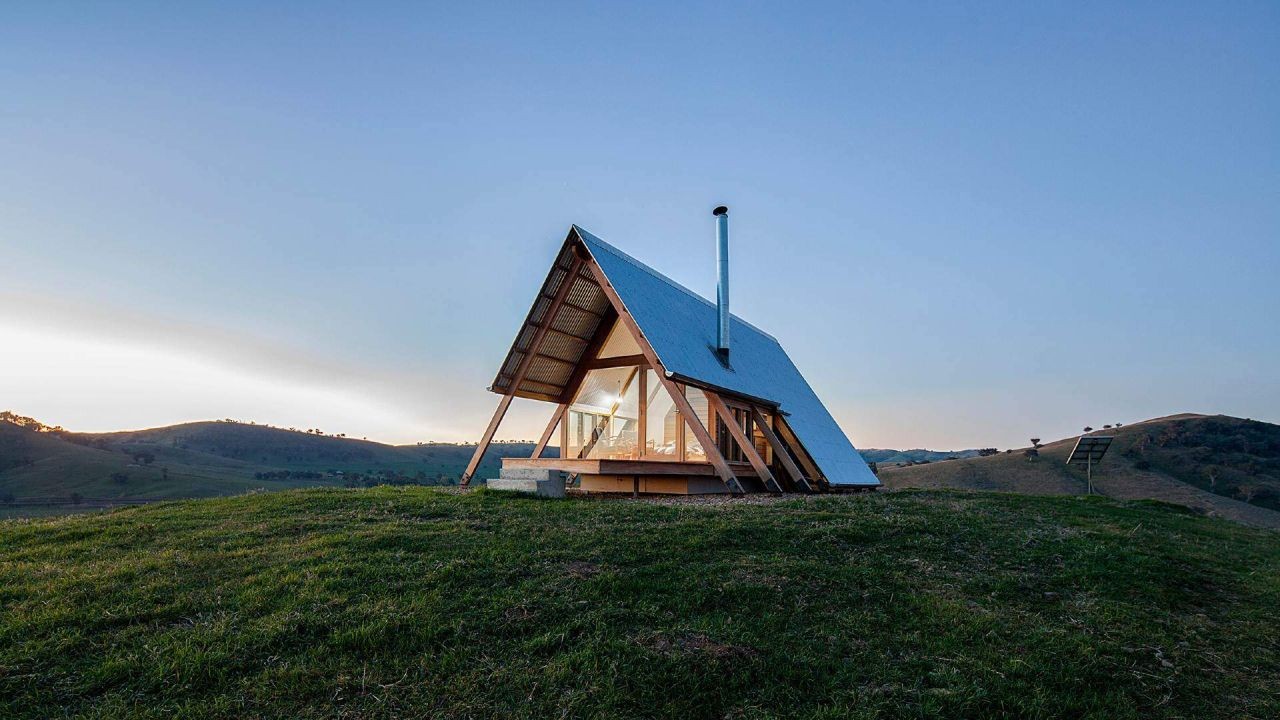
The Australian short-term rental landscape is no longer the wide-open frontier it once was. A confluence of regulatory shifts, economic pressures, and evolving traveller expectations is reshaping the market with profound implications for hosts. The question on every investor's mind is not just about profitability, but about the very nature of a sustainable hosting business in 2025 and beyond. From my extensive work consulting with property owners across Australia—from Byron Bay's tightening strata rules to Melbourne's new registration schemes—the future belongs not to the casual host, but to the strategic operator. This analysis will cut through the noise, providing a data-backed, expert-led forecast on where genuine opportunity lies and how to pivot your strategy for enduring success.
The Current State of Play: A Market in Maturation
To understand the future, we must first diagnose the present. The Australian short-term rental market is experiencing a classic maturation cycle. The initial gold rush phase, characterised by high yields and minimal oversight, has given way to a period of normalisation and regulation. According to the Australian Bureau of Statistics, tourist accommodation takings have shown resilience, but the composition of stays is changing. There's a marked trend towards longer average stays and a demand for properties that offer more than just a bed—they offer an experience or a specific utility, like a dedicated workspace.
Drawing on my experience supporting Australian companies in the tourism sector, the most successful hosts in 2024 are those who treat their Airbnb not as passive income, but as a dynamic micro-business. They are adept at navigating local council regulations, which are fragmenting nationally. For instance, while the NSW Government has implemented a state-wide registration scheme, other states like Queensland and Victoria are seeing individual councils enact their own rules, creating a complex patchwork of compliance requirements. This regulatory pressure is not a death knell; rather, it's a market correction that weeds out unprepared participants and rewards professionalism.
Key Profitability Drivers for 2026: Beyond the Basics
Profitability in 2025 will be dictated by a new set of metrics. The old model of buying any property and listing it is obsolete. Future success hinges on strategic optimisation across several fronts.
1. Regulatory Agility and Compliance as a Competitive Edge
Compliance is no longer a back-office function; it's a core business strategy. Hosts must be proactive. This means understanding not just state-level rules, but also local government area (LGA) planning instruments. In practice, with Australia-based teams I’ve advised, we've seen hosts in Sydney's Eastern Suburbs leverage their full compliance—including fire safety certifications and registered building plans—as a marketing point, reassuring guests of safety and legitimacy. The cost of non-compliance, from hefty fines to being delisted by platforms, will be a primary profitability killer in 2025.
2. The Strategic Amenities Arms Race
The generic "fully equipped" listing is dead. Data from platform analytics and guest reviews point to specific amenity clusters driving premium rates and repeat bookings:
- The Productive Stay: Ergonomic chairs, fibre-to-the-premises NBN, dual monitors, and a printer. With the permanence of hybrid work, catering to the "workation" segment is non-negotiable.
- The Sustainable Stay: EV chargers, comprehensive recycling systems, water-saving fixtures, and refillable toiletries. A 2023 Booking.com report found 76% of travellers want to travel more sustainably.
- The Localised Experience: Curated guides featuring nearby independent cafes and boutiques, partnerships with local tour operators for guest discounts, and pantry stocks from regional producers. This transforms a transaction into a memorable destination.
3. Dynamic Pricing Powered by Hyper-Local Data
Relying solely on automated pricing tools is a common strategic error. The winners will use these tools as a base but layer in hyper-local intelligence. This includes tracking local event calendars (e.g., a new festival in Hobart, a major conference at the Melbourne Convention Centre), school holiday patterns across different states, and even long-term weather forecasts for coastal areas. Based on my work with Australian SMEs in hospitality, the most sophisticated hosts maintain a "demand calendar" that synthesises this data, allowing for strategic minimum-stay adjustments and rate optimisations that generic algorithms miss.
Assumptions That Don’t Hold Up: A Reality Check
Many aspiring hosts are entering the market with outdated playbooks. Let's dismantle three pervasive and costly misconceptions.
Myth 1: "Any property can be a profitable Airbnb." Reality: Location and property type are more critical than ever. Inner-city apartments in oversupplied markets (like parts of Melbourne and Brisbane CBD) face intense competition and regulatory caps. Conversely, unique properties in regional hubs with limited hotel supply—think a well-appointed cottage in Margaret River or a designer cabin near the Blue Mountains—are commanding stronger yields. The data from SQM Research shows vacancy rates for residential rentals tightening in many regions, making the opportunity cost of choosing short-term over long-term leases a more complex calculation.
Myth 2: "Platforms like Airbnb will handle my marketing." Reality: This is a costly dependency. Algorithm changes can decimate your visibility overnight. Profitable hosts in 2025 are building direct booking channels through their own professional websites, leveraging email lists from past guests, and cultivating a social media presence that showcases the experience, not just the property. This diversifies your customer acquisition and protects against platform fee increases and policy shifts.
Myth 3: "High occupancy is the ultimate goal." Reality: Obsessing over 90%+ occupancy can be a race to the bottom. Smart profitability is about optimising revenue per available night (RevPAN). This often means strategically pricing higher, accepting slightly lower occupancy, and reducing turnover costs. A property booked 15 nights a month at $400/net generates the same revenue as one booked 25 nights at $240/net, but with half the cleaning, wear and tear, and utility costs.
The Financial Equation: Costs, Revenue, and the New Bottom Line
Let's move from theory to a practical financial model. The profit formula has expanded with new variables.
Escalating Cost Factors:
- Compliance Costs: Registration fees, safety inspections, council permits, and potential lawyer fees for strata negotiations.
- Operational Costs: Cleaning, linen services, and maintenance have risen sharply with inflation. The RBA's own data shows domestic labour and service costs remain elevated.
- Utilities & Insurance: Energy prices are volatile, and specialised short-term rental insurance premiums are higher than standard landlord policies.
- Platform & Marketing Fees: While direct bookings save here, attracting those bookings requires investment in professional photography, website SEO, and potentially paid social ads.
Revenue Defence & Growth Levers:
- Strategic Pricing: As above, moving beyond automated tools.
- Upselling Experiences: Offering pre-arrival grocery packs, mid-stay cleaning, or local experience bookings directly.
- Lengthening Stays: Incentivising stays of 7+ nights with discounts reduces turnover costs and attracts a different, often less party-prone, guest demographic.
The bottom line? Gross revenue is a vanity metric. Net yield after all operational and capital costs is the only figure that matters. From observing trends across Australian businesses, hosts who run detailed monthly P&L statements are the ones who spot inefficiencies early and adapt.
Case Study: The Byron Bay Bungalow – Pivoting to Premium
Problem: A host with a charming but standard 2-bedroom bungalow in Byron Bay saw her occupancy and nightly rate plummet post-2022. The market was saturated with similar listings, and new council regulations imposed a 180-day annual cap on short-term letting in certain zones. Her once-reliable income stream was becoming unreliable.
Action: Instead of selling, she embarked on a strategic repositioning. First, she ensured full compliance with the new cap, marketing her property as "ethically listed." Then, she invested in a targeted upgrade: installing a premium EV charger, creating a dedicated outdoor shower for beachgoers, and designing a lush, private native garden. She partnered with a local wellness coach to offer exclusive guest yoga sessions and curated a digital guide to hidden local eateries. Her pricing strategy shifted to target 4-7 night "wellness retreat" stays at a 40% premium over her old rate, accepting lower occupancy within the cap.
Result: Within 6 months, her RevPAN increased by 60%. While her absolute occupancy dipped to 70% of the allowable nights, her net profit increased substantially due to higher rates and lower utility/cleaning costs from longer average stays. Guest reviews consistently highlighted the unique, local, and sustainable experience, improving her ranking and justifying her premium.
Takeaway: This case underscores that in regulated, competitive markets, the path to profitability is vertical—going premium and niche—not horizontal—competing on price and availability. Australian hosts can apply this by deeply understanding their property's unique value proposition and investing to amplify it for a specific, high-value traveller segment.
The Regulatory Horizon: What's Coming Next?
Regulation is the single largest external factor. We are likely to see:
- Nationally Consistent Framework Pressures: The ACCC continues to monitor the sector. There is growing advocacy for a national register to simplify compliance across state borders, though progress is slow.
- Tax Scrutiny: The ATO has sophisticated data-matching capabilities with sharing economy platforms. Ensuring correct declaration of income and claiming of only legitimate deductions is paramount to avoid penalties.
- Building & Zoning Amendments: More LGAs will amend local planning instruments to require "change of use" approvals for short-term rentals, particularly in residential zones, adding another layer of cost and complexity.
The proactive host stays informed through their state's tourism body and local council updates, factoring potential regulatory changes into their long-term investment calculations.
Future Trends & Predictions: The 2026+ Landscape
Based on current trajectories and my analysis of global trends applied to the Australian context, here is what the next phase holds:
- The Rise of Professional Management & Branded Portfolios: While the "mum and dad" host won't disappear, we will see growth in professional co-hosting services and the emergence of localised boutique brands managing curated portfolios of properties. This delivers the consistency and expertise that both guests and time-poor owners demand.
- Technology Integration Goes Deeper: Smart home technology for contactless check-in is table stakes. The next wave is integrated tech that enhances stays: smart locks that grant access to local partner businesses, AI-powered concierge chatbots specific to the neighbourhood, and energy management systems that optimise costs sustainably.
- Experience-Led Clusters: Travellers will book a "region" or "experience" rather than just a house. We'll see platforms (and savvy direct hosts) offering bundled bookings—e.g., a three-property itinerary through the Barossa Valley including a vineyard loft, a cycling tour, and cooking classes, all managed under one booking.
- Sustainability Certification: Voluntary sustainability standards for short-term rentals will emerge and become a key filter for a significant segment of travellers, moving beyond token gestures to verified metrics on energy, water, and waste.
Final Takeaway & Call to Action
The future of Airbnb in Australia is not bleak—it is professional. Profitability in 2025 is not a given, but it is absolutely achievable for hosts who adapt. The era of easy money is over, replaced by an era of smart business. This means embracing your role as a CEO of a micro-hospitality brand, where every decision—from compliance to amenities to pricing—is data-informed and guest-centric.
Your action plan starts today:
- Conduct a Compliance Audit: Review every local and state regulation applicable to your property. Ensure every permit, certificate, and registration is current and displayed.
- Analyse Your Real Data: Calculate your true net yield for the last 12 months. Benchmark your nightly rate and occupancy against truly comparable properties (not just any in your postcode). Identify your top three cost centres.
- Define Your Niche: Who is your ideal guest for 2025? The remote worker? The sustainable family? The gourmet weekenders? Audit your listing and property against their specific needs and invest in one strategic upgrade that caters directly to them.
The market is evolving. The question is, will you?
People Also Ask (PAA)
Is buying a property for Airbnb still a good investment in Australia? It can be, but the criteria are stricter. Success now depends heavily on selecting the right property type in a location with balanced demand and regulatory stability, and factoring in professional-level operational costs. Due diligence is more critical than ever.
What are the biggest threats to Airbnb profitability in Australia? The three primary threats are escalating and fragmented local government regulations, increasing operational costs (cleaning, maintenance, utilities), and market saturation in specific inner-city areas driving down nightly rates.
How can I make my Airbnb stand out in 2025? Move beyond basic amenities. Curate a unique experience by partnering with local businesses, catering to a specific niche like remote workers with premium office setups, and committing to verifiable sustainability practices that you communicate authentically in your listing.
Related Search Queries
- Airbnb regulations NSW 2025
- Short term rental tax Australia ATO
- Best cities for Airbnb investment Australia 2025
- Airbnb vs long term rental yield calculator Australia
- How to get direct bookings for my holiday rental
- Airbnb management companies Australia reviews
- Cost of setting up an Airbnb in Australia
- Sustainable Airbnb amenities ideas
- Byron Bay Airbnb cap new rules
- Melbourne short term rental registration scheme
For the full context and strategies on The Future of Airbnb in Australia – Will It Still Be Profitable in 2025? – The Smart Way to Make It Work Down Under, see our main guide: Community Engagement Videos Australia.