





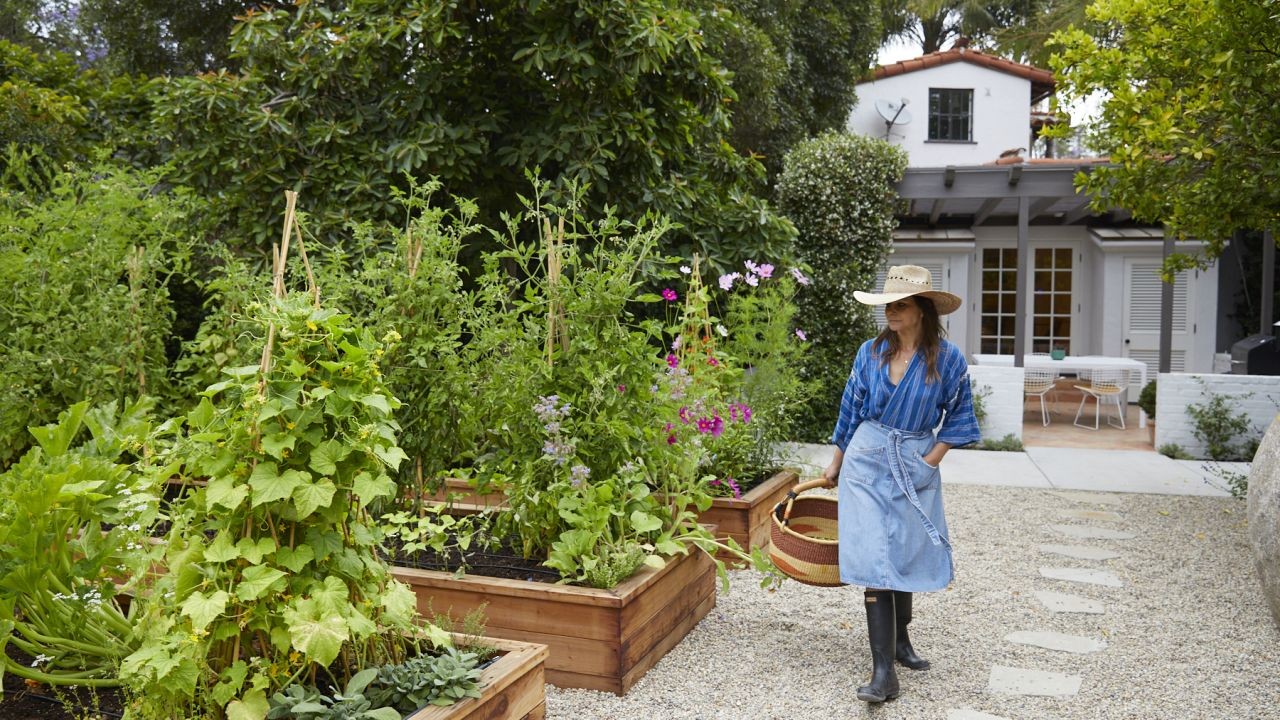
Starting a home vegetable garden can be a rewarding endeavor that not only provides fresh produce but also contributes positively to your well-being and financial savings. In the vibrant landscapes of New Zealand, gardening is not just a hobby but a lifestyle embraced by many. This article aims to guide you through the process of establishing a successful home garden, addressing common questions and highlighting insights applicable to the Kiwi context.
For many Kiwi entrepreneurs, time is the most limited resource. Between running a business, managing family life, and staying healthy, starting a home vegetable garden can feel unrealistic. Yet across New Zealand, more entrepreneurs are turning to home gardening not as a hobby, but as a practical system for saving money, improving wellbeing, and building long-term resilience. The key is keeping it simple, efficient, and aligned with a busy lifestyle.
The first step to a successful home vegetable garden in New Zealand is choosing the right location. Most Kiwi homes can support a productive garden with as little as a few hours of sunlight per day. Backyards, decks, balconies, and even driveways can work when space is used strategically. Entrepreneurs who succeed focus on convenience, placing gardens close to the house so maintenance fits naturally into daily routines rather than becoming another task to manage.
Starting small is critical. Many beginners fail by planting too much too soon, leading to overwhelm and neglect. A compact garden with a few reliable vegetables produces better results than a large, poorly managed space. Leafy greens, herbs, tomatoes, and courgettes perform well in New Zealand’s climate and offer fast returns, making them ideal for entrepreneurs who value efficiency and visible progress.
Soil quality matters more than garden size. New Zealand soils vary widely, but most benefit from compost and organic matter. Using raised beds or large containers allows greater control over soil conditions and drainage, reducing problems before they start. Entrepreneurs often prefer this approach because it minimises guesswork and maximises consistency, much like a well-designed business system.
Time efficiency improves dramatically with smart watering and planting choices. Mulching reduces watering frequency, suppresses weeds, and protects plants from temperature fluctuations. Choosing seasonal vegetables suited to local conditions reduces the need for constant intervention. In many parts of New Zealand, aligning planting schedules with natural rainfall patterns further cuts maintenance time.
Home gardening also offers financial advantages that appeal to entrepreneurial thinking. While the initial setup requires some investment, ongoing costs are low. Over time, a productive vegetable garden reduces grocery spending and provides consistent access to fresh produce. This predictable output mirrors the benefits of recurring revenue in business, offering stability during periods of economic uncertainty.
Beyond food production, gardening delivers mental clarity and stress reduction. Many Kiwi entrepreneurs report that time spent in the garden improves focus, creativity, and decision-making. This mental reset is particularly valuable in high-pressure environments where constant digital engagement can lead to burnout. Gardening becomes not just productive, but restorative.
Scalability is another advantage. Once a basic system is established, gardeners can expand gradually by adding beds, experimenting with new crops, or incorporating tools such as drip irrigation. This incremental growth approach aligns well with entrepreneurial principles, allowing learning, adjustment, and optimisation over time.
Ultimately, starting a home vegetable garden in New Zealand does not require extensive knowledge, large spaces, or significant time. It requires clarity, consistency, and realistic expectations. For Kiwi entrepreneurs, a home garden is not about perfection—it is about creating a simple, reliable system that delivers value week after week.
In a world of rising costs and increasing complexity, growing your own food is a practical investment in self-sufficiency. For New Zealanders who think long-term and act deliberately, a home vegetable garden is one of the simplest systems that delivers both personal and practical returns.
Why is Starting a Home Vegetable Garden Beneficial in New Zealand?
New Zealand's unique climate and fertile soil create ideal conditions for growing a variety of vegetables throughout the year. Moreover, with the increasing cost of living and concerns over food security, cultivating your own produce can offer significant economic benefits. According to Stats NZ, the consumer price index for food increased by 3.5% in 2023, making home gardening a cost-effective solution for many households.
How Do I Begin Planning My Home Vegetable Garden?
Starting a garden requires careful planning and consideration of several factors:
- Location: Choose a sunny spot in your backyard, as most vegetables require at least 6-8 hours of sunlight per day.
- Soil Quality: Test your soil for necessary nutrients and amend it with compost to enhance fertility.
- Water Access: Ensure easy access to water sources for regular irrigation.
- Crop Selection: Opt for vegetables that thrive in your region's climate, such as carrots, lettuces, and tomatoes.
Emma Thompson, a Digital Transformation Consultant, emphasizes the importance of leveraging local gardening networks and resources. "Engaging with community gardens and online forums can provide invaluable insights and support for novice gardeners," she notes.
What Are the Financial Implications of Starting a Home Vegetable Garden?
Investing in a home vegetable garden can yield high returns in terms of savings on grocery bills and potential earnings from surplus produce. A report from the Ministry of Business, Innovation and Employment (MBIE) highlights that households can save up to 30% on annual food expenses by growing their own vegetables.
Case Study: A Wellington Family's Garden Success
The Smith family from Wellington transformed their backyard into a flourishing vegetable garden, which significantly reduced their monthly grocery bills by 25%. By planting a variety of seasonal vegetables and utilizing sustainable gardening practices, they not only saved money but also contributed to their community by sharing their surplus produce.
What Are Common Myths About Home Gardening?
- Myth: Gardening is too time-consuming. Reality: With proper planning and time management, maintaining a garden can be efficient and manageable. Smart irrigation systems and raised beds can reduce the labor involved.
- Myth: You need a large space to garden. Reality: Urban gardening techniques, such as vertical and container gardening, allow for productive gardens in small spaces.
Many people believe that soil quality is a limiting factor in urban areas. However, raised beds and container gardening can bypass poor soil conditions, making gardening accessible to more urban dwellers.
What Are the Future Trends in Home Gardening?
The future of home gardening in New Zealand looks promising. With growing awareness of sustainability, more households are expected to adopt organic and permaculture practices. According to a 2024 report by NZTech, there is a projected 20% increase in the adoption of smart gardening technologies, such as automated watering systems and plant health monitoring apps, over the next five years.
What Are the Biggest Mistakes to Avoid When Starting a Garden?
- Overwatering: New gardeners often overestimate the water needs of plants, leading to root rot. Ensure adequate drainage and water only as needed.
- Ignoring Pest Control: Failing to implement pest management can result in significant crop loss. Use natural pest deterrents to protect your garden.
- Poor Soil Preparation: Skipping soil testing and preparation can lead to nutrient deficiencies. Always test your soil and amend it with organic matter.
Conclusion and Call to Action
Starting your own vegetable garden in New Zealand is a practical and rewarding endeavor with numerous benefits, from cost savings to environmental sustainability. As you embark on this journey, remember to plan effectively, leverage local resources, and embrace innovative gardening practices. Are you ready to dig in and start your own garden? Share your experiences or ask questions in the comments below. To stay updated on the latest gardening tips and trends, subscribe to our newsletter!
Related Search Queries
- How to start a vegetable garden in New Zealand
- Best vegetables to grow in NZ climate
- Organic gardening tips for beginners
- Smart gardening technologies
- Community gardening in New Zealand
People Also Ask
How does home gardening benefit New Zealand households? NZ households practicing home gardening report an average savings of 30% on groceries, according to MBIE.
What are common pitfalls in gardening? Overwatering and poor soil preparation are common mistakes. Regular soil testing and proper irrigation can mitigate these issues.
What are the future trends in home gardening? Sustainable practices and smart technologies are on the rise, with a projected 20% increase in adoption by 2028 (NZTech).
For the full context and strategies on How to Start a Home Vegetable Garden – The Simple Guide That Works for Kiwi Entrepreneurs, see our main guide: Nz Holiday Rentals Airbnb Video Tours.