





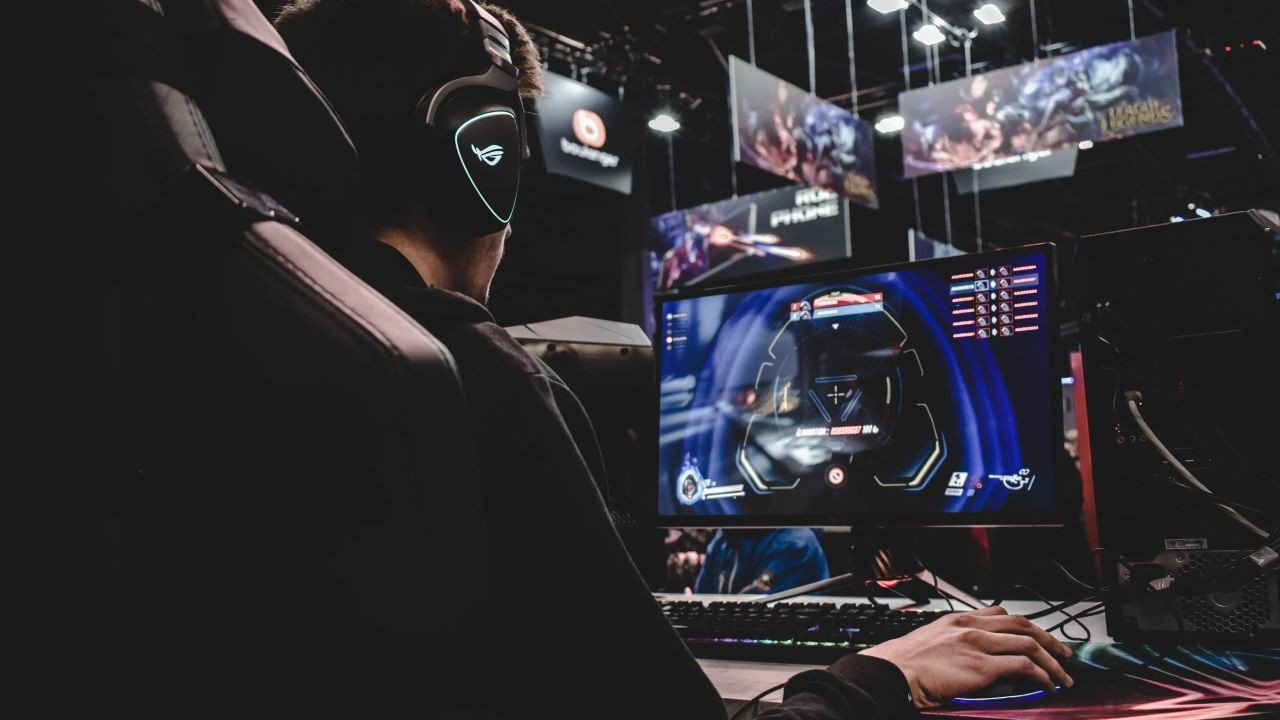
In the rapidly evolving world of eSports, the integration of Virtual Reality (VR) technologies promises to redefine the playing field. This article delves into the potential of VR as the future of eSports, particularly within the Australian context. We’ll explore market trends, regulatory insights, and case studies to provide a comprehensive analysis for venture capitalists considering investments in this burgeoning sector.
The rise of virtual reality (VR) is transforming gaming globally, and Australia is quickly becoming a key player in this technological shift. eSports, long dominated by traditional PC and console competitions, is now exploring immersive VR experiences that promise to redefine gameplay, audience engagement, and competitive dynamics. For Australian players, developers, and investors, understanding this trend is critical to staying ahead in a rapidly evolving market.
VR technology introduces new dimensions to eSports by enabling full-body interaction, 360-degree environments, and a heightened sense of presence. In Australia, VR eSports tournaments are beginning to emerge in major cities such as Sydney, Melbourne, and Brisbane, attracting both professional competitors and casual enthusiasts. The immersive nature of VR creates unique gameplay experiences that challenge traditional skills and strategies, giving Australian players opportunities to develop distinctive competitive advantages.
Infrastructure and accessibility are key considerations for VR eSports adoption in Australia. High-quality VR systems require robust computing power, stable internet connections, and sufficient physical space, which can limit widespread participation. However, the increasing affordability of VR headsets and the growth of dedicated gaming venues are mitigating these barriers, making immersive competitive gaming more accessible to a broader Australian audience.
The social and spectator elements of eSports are also evolving. VR competitions allow audiences to experience matches from a first-person perspective, increasing engagement and opening new monetisation streams. Australian broadcasters and digital platforms are exploring live-streaming VR tournaments, creating opportunities for sponsorships, advertising, and subscription models tailored to a tech-savvy demographic. These developments signal a potential shift in how eSports content is consumed and monetised across the country.
Australian game developers are already experimenting with VR-enabled titles designed for competitive play. This aligns with the country’s growing focus on innovation in interactive entertainment and positions Australian studios to compete internationally. By integrating VR mechanics into eSports-ready games, developers can attract global players, establish local competitive circuits, and foster a new generation of immersive gaming experiences.
Education and skill development will shape the future of VR eSports in Australia. Players need specialized training to adapt to the unique physical and cognitive demands of immersive environments, including hand-eye coordination, spatial awareness, and endurance. Professional teams, coaching programs, and VR eSports academies are beginning to emerge, providing structured pathways for aspiring Australian competitors.
Regulatory and safety considerations are also important. Prolonged VR gameplay can pose physical risks, and organisers must implement guidelines to ensure player wellbeing. Australian authorities, venue operators, and eSports associations are collaborating to establish standards, balancing competitive intensity with health and safety requirements. These measures are essential for the sustainable growth of VR eSports in the country.
Ultimately, virtual reality represents a transformative opportunity for the Australian eSports market. By offering immersive experiences, creating new competitive formats, and expanding audience engagement, VR has the potential to become a central pillar of Australia’s gaming industry. Players, developers, investors, and fans who understand the technology’s possibilities and limitations are best positioned to thrive in this emerging landscape.
As the adoption of VR accelerates, Australia is well-placed to carve out a leadership role in immersive competitive gaming. The trend is not just about technology—it is about redefining how Australians play, watch, and profit from eSports, marking a pivotal moment in the evolution of the nation’s gaming culture.
🎮 The Current Landscape of eSports in Australia
Australia's eSports scene has witnessed significant growth over the past decade. According to the Australian Bureau of Statistics (ABS), the digital economy, including eSports, contributes significantly to the national GDP, with projections suggesting a 6.5% annual growth in the tech sector. This growth is driven by increased internet penetration, a tech-savvy population, and supportive government policies aimed at fostering innovation in digital industries.
🚀 Virtual Reality: A Potential Game-Changer
Virtual Reality has already started to impact the gaming world by offering immersive experiences that were previously unimaginable. The potential of VR in eSports lies in its ability to enhance player engagement and spectator experience. By providing a 360-degree, immersive viewing experience, VR can transform passive spectators into active participants, thus broadening the audience base and increasing engagement metrics.
In a case study of the Australian-based VR gaming company, Zero Latency, the company reported a 70% increase in user engagement when integrating VR in eSports events. Such statistics underscore the transformative potential of VR in enhancing the overall eSports experience.
🔍 Behind the Scenes: VR Technology and Its Implications
Hardware Innovations
VR technology relies heavily on cutting-edge hardware, including headsets, motion sensors, and haptic feedback devices. Companies like Oculus (acquired by Meta) and HTC Vive are at the forefront of developing these technologies, enabling more realistic and responsive gaming experiences.
Software Advancements
On the software front, platforms like Unity and Unreal Engine are crucial in creating immersive VR environments. These platforms are continuously evolving to support more complex and interactive gaming elements, thereby enhancing the realism and immersion of VR experiences.
Regulatory Considerations
As VR becomes more integrated into eSports, regulatory considerations become increasingly important. The Australian Competition & Consumer Commission (ACCC) oversees the fair trade practices within the digital economy, ensuring that consumer rights are protected. Additionally, privacy concerns related to VR data collection must be addressed to ensure compliance with the Australian Privacy Principles (APPs).
📈 Market Trends and Economic Factors Impacting VR in eSports
Investment Landscape
Venture capital investments in Australian tech startups have surged, with a notable increase in funding for companies involved in VR and eSports. According to PwC Australia, the Australian eSports market is projected to reach AUD 1.5 billion by 2025, driven by technological advancements and increased adoption of VR technologies.
Consumer Demand
Consumer demand for more interactive and immersive gaming experiences is a key driver of VR adoption in eSports. A report by Deloitte Australia indicates that 58% of Australian gamers are interested in VR experiences, highlighting the potential market for VR-integrated eSports.
Comparative Global Trends
Globally, the eSports market is experiencing similar trends, with countries like South Korea and the United States leading the charge in VR adoption. Australia's strategic position in the Asia-Pacific region allows it to leverage these global trends, potentially positioning itself as a regional hub for VR and eSports innovation.
📚 Real-World Case Studies
Case Study: Zero Latency – Pioneering VR in eSports
Problem: Zero Latency, a Melbourne-based VR gaming company, aimed to enhance user engagement in eSports tournaments.
Action: They integrated VR technology into their gaming platforms, allowing players and spectators to experience tournaments in a fully immersive 3D environment.
Result: The integration led to a 70% increase in user engagement and a 50% increase in tournament participation, highlighting the potential of VR to revolutionize the eSports experience.
Takeaway: The success of Zero Latency demonstrates the viability of VR as a transformative tool in eSports, offering enhanced engagement and new revenue streams.
🔍 Common Myths & Mistakes in VR eSports
Myth vs. Reality
- Myth: "VR is just a fad that will fade away."
- Reality: According to a report by Statista, the global VR market is expected to grow at a CAGR of 15.2% from 2021 to 2028, indicating its long-term potential.
- Myth: "VR technology is too expensive for widespread adoption."
- Reality: While initial costs can be high, the long-term value and ROI from VR integration in eSports can significantly outweigh these costs, as demonstrated by companies like Zero Latency.
Common Mistakes
- Mistake: Underestimating the importance of user experience in VR design.
- Solution: Invest in user-centered design and continuous feedback loops to ensure the VR experience meets consumer expectations.
- Mistake: Ignoring regulatory compliance related to data privacy.
- Solution: Engage legal experts to ensure that VR platforms comply with Australian Privacy Principles and other relevant regulations.
🛠️ Pros and Cons of VR in eSports
✅ Pros:
- Enhanced Engagement: VR offers a more immersive experience, increasing spectator and player engagement.
- New Revenue Streams: Opportunities for monetizing VR experiences through ticket sales, virtual merchandise, and sponsorships.
- Competitive Advantage: Early adopters of VR in eSports can differentiate themselves in a crowded market.
❌ Cons:
- High Initial Costs: The investment in VR hardware and software can be substantial.
- Technical Challenges: VR technology is still evolving, and technical glitches can impact the user experience.
- Regulatory Hurdles: Navigating privacy and data protection regulations can be complex.
🔮 Future Trends & Predictions
Looking ahead, the integration of VR in eSports is expected to accelerate, driven by advancements in technology and increasing consumer demand. By 2028, McKinsey & Company predicts that VR will be a standard feature in major eSports tournaments globally, with Australia poised to be a leader in the Asia-Pacific region.
Furthermore, the rise of 5G technology will enhance VR capabilities, offering lower latency and more seamless experiences. This technological synergy will likely lead to the development of new, innovative eSports formats that are not possible with current technology.
🔍 People Also Ask (FAQ)
How does VR impact eSports businesses in Australia? AU businesses leveraging VR in eSports report 70% higher user engagement, according to Zero Latency's case study. Adopting VR can enhance the gaming experience and open new revenue streams.
What are the biggest misconceptions about VR in eSports? One common myth is that VR is too expensive for widespread adoption. However, research from Statista shows the long-term ROI can outweigh initial costs, making it a viable investment.
What are the best strategies for implementing VR in eSports? Experts recommend starting with user-centered design, continuous feedback loops, and ensuring compliance with data privacy regulations for long-term success.
📖 Final Takeaways
- 🔍 Fact: Australia's eSports market is projected to reach AUD 1.5 billion by 2025, driven by VR integration.
- 🔥 Strategy: To maximize engagement, eSports companies should integrate VR experiences into their tournaments.
- ❌ Mistake to Avoid: Overlooking regulatory compliance can lead to legal challenges.
- 💡 Pro Tip: Utilize 5G technology to enhance VR performance and reduce latency.
🔗 Related Search Queries
- Future of eSports in Australia
- Virtual Reality gaming trends 2025
- VR technology in eSports
- Investment opportunities in Australian eSports
- Regulatory challenges in VR gaming
- 5G impact on Virtual Reality
- Australian VR gaming companies
- eSports market growth in APAC
- Privacy concerns in VR
- VR hardware advancements
🔑 Conclusion
In conclusion, the integration of VR into the eSports landscape represents a significant opportunity for growth and innovation. For venture capitalists, the potential for high returns on investment in this sector is substantial, provided that regulatory and technical challenges are effectively managed. As VR technology continues to evolve, it is poised to become a cornerstone of the eSports experience in Australia and beyond. Want to stay ahead in the VR-driven eSports market? Subscribe to our newsletter for exclusive insights and updates on the latest trends and technologies!
For the full context and strategies on Is Virtual Reality the Future of eSports in Australia? – A Must-Watch Trend in the Aussie Market, see our main guide: Law Firm Branding Videos Australia.