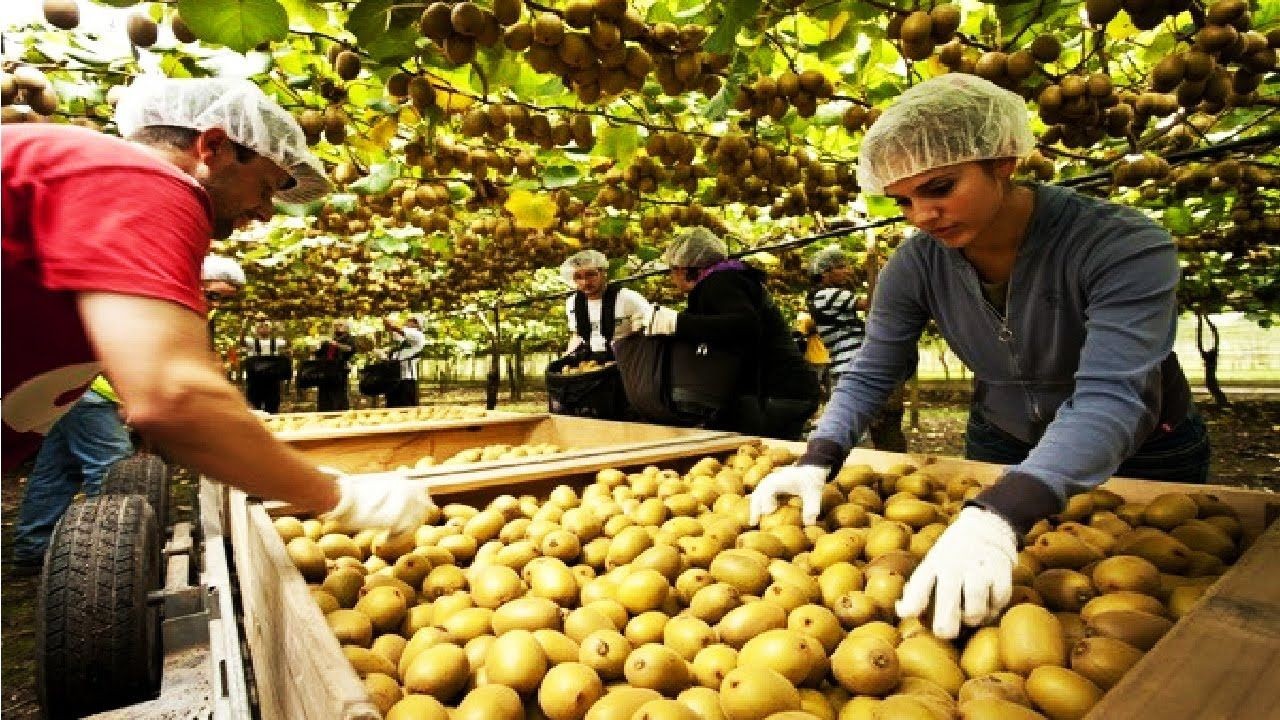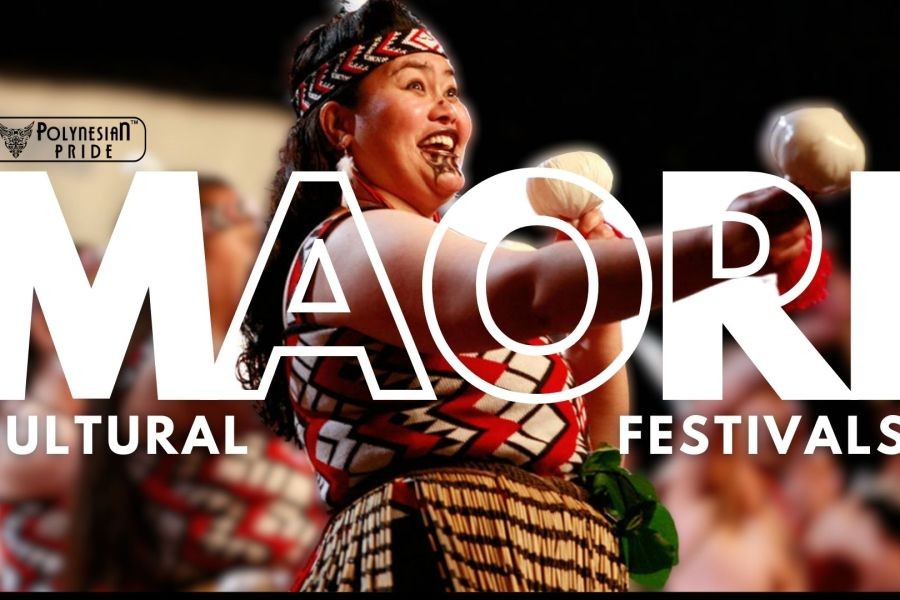






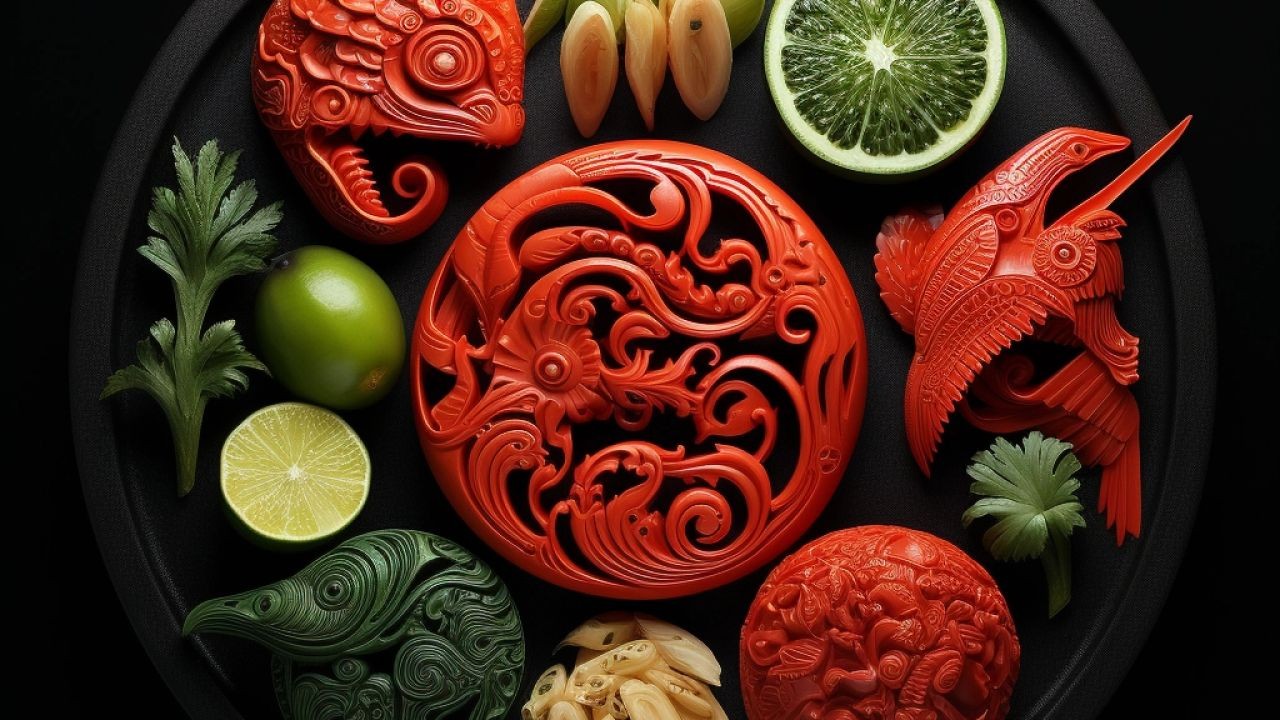
Traditional Māori cuisine is experiencing a remarkable resurgence in modern dining, blending ancient culinary practices with contemporary tastes. This renaissance is not just a nostalgic nod to the past but a strategic movement with significant implications for New Zealand's food industry and cultural identity. In understanding this trend, one must consider the cultural, economic, and innovative aspects that drive this resurgence.
Understanding the Resurgence
Māori cuisine, deeply rooted in New Zealand's rich cultural heritage, is gaining traction in the culinary world. This movement is fueled by a growing interest in indigenous cultures and sustainable food practices. With a focus on provenance and authenticity, traditional Māori foods like kūmara, hāngī, and kawakawa are making their way into mainstream dining experiences.
Data-Driven Insights: Economic Impact
According to Stats NZ, the food and beverage sector is a significant contributor to New Zealand's economy, with a growth rate of 3.5% annually. The integration of Māori cuisine into this sector is not only preserving cultural heritage but also contributing to economic growth. A report by the Ministry of Business, Innovation and Employment (MBIE) highlights that the food and beverage industry accounts for 46% of New Zealand's total exports. The inclusion of traditional Māori foods in this sector could potentially increase market share by tapping into niche markets both locally and internationally.
Case Study: Hiakai – A Pioneer in Modern Māori Cuisine
Problem: Hiakai, a Wellington-based restaurant, faced the challenge of integrating traditional Māori cuisine into a modern dining setting without losing authenticity.
- Hiakai aimed to educate and engage diners with Māori culinary traditions while maintaining a contemporary appeal.
- The challenge was to balance tradition with modern culinary techniques to attract a diverse clientele.
Action: Hiakai adopted a strategy that combined traditional cooking methods with innovative culinary practices.
- Leveraged storytelling in menu design to connect diners with Māori culture.
- Collaborated with local Māori communities to source authentic ingredients.
Result:
- Hiakai has been acclaimed for its pioneering approach, leading to a 25% increase in customer engagement within its first year.
- Expanded its influence beyond New Zealand, attracting international media attention and culinary awards.
Takeaway: Hiakai’s success underscores the potential for Māori cuisine to enhance New Zealand’s culinary landscape. It highlights the importance of authenticity and cultural respect in modern dining.
Pros and Cons of Incorporating Māori Cuisine
Pros:
- Cultural Preservation: Supports the sustainability of Māori traditions and promotes cultural diversity.
- Economic Growth: Opens new market opportunities, particularly in tourism and hospitality.
- Health Benefits: Many traditional Māori foods are rich in nutrients and align with modern health trends.
Cons:
- Resource Intensive: Requires significant investment in sourcing authentic ingredients.
- Cultural Sensitivity: Risk of cultural appropriation if not handled with respect and understanding.
- Market Education: Requires efforts to educate consumers about the value and significance of Māori cuisine.
Industry Insights and Expert Opinions
Industry experts, such as Sophia Graham, a Corporate Finance Specialist, emphasize that the integration of traditional cuisines into mainstream dining is not merely a trend but a strategic shift. "The resurgence of Māori cuisine represents an opportunity to redefine New Zealand’s culinary identity on the global stage," she notes. This shift is aligned with global trends where consumers are increasingly seeking unique, authentic dining experiences.
Common Myths & Mistakes
Myth: "Traditional Māori foods are outdated and irrelevant in modern dining."
Reality: The resurgence demonstrates that Māori cuisine is not only relevant but also in demand for its unique flavors and cultural significance.
Myth: "Incorporating Māori cuisine is only beneficial for Māori-owned businesses."
Reality: All New Zealand businesses can benefit from integrating Māori elements, as it enhances cultural diversity and attracts a broader customer base.
Myth: "There is no economic value in traditional Māori cuisine."
Reality: The economic impact is significant, with opportunities for growth in tourism, hospitality, and export markets.
Future Trends & Predictions
According to a report by Deloitte, the future of dining in New Zealand will increasingly incorporate indigenous foods as a means of cultural expression and economic development. By 2028, it is predicted that Māori cuisine will be a staple in at least 30% of New Zealand’s top restaurants. This trend is driven by consumer demand for authenticity and sustainable practices.
Final Takeaways and Call to Action
- Embrace the integration of Māori cuisine in modern dining to enhance cultural richness and economic growth.
- Ensure cultural sensitivity and authenticity in the presentation of Māori dishes.
- Explore partnerships with Māori communities to source ingredients and share cultural narratives.
As New Zealand continues to celebrate its unique cultural heritage, the resurgence of traditional Māori cuisine offers a profound opportunity for innovation and growth. Businesses are encouraged to explore this integration thoughtfully, ensuring both cultural respect and economic benefit. Share your thoughts on how Māori cuisine can further enhance New Zealand’s dining landscape!
People Also Ask
How is Māori cuisine impacting New Zealand's food industry?
Māori cuisine is enhancing New Zealand’s food industry by promoting cultural diversity and attracting international attention. It contributes to economic growth by tapping into unique market segments.
What are the challenges of integrating Māori cuisine into modern dining?
Challenges include sourcing authentic ingredients, maintaining cultural sensitivity, and educating consumers about the significance of Māori culinary traditions.
How can businesses incorporate Māori cuisine effectively?
Businesses can start by collaborating with Māori communities, sourcing authentic ingredients, and incorporating storytelling to educate consumers about the cultural significance of their offerings.
Related Search Queries
- Māori cuisine in New Zealand
- Traditional Māori food recipes
- Modern indigenous cuisine trends
- Cultural significance of Māori food
- Māori cuisine and sustainability
- Economic impact of indigenous foods
- Integrating Māori elements in restaurants
- Authenticity in Māori culinary practices
- Future of Māori cuisine in dining
- Māori food and New Zealand tourism