





In the ever-evolving landscape of consumerism, the allure of luxury brands remains a perplexing phenomenon, commanding prices that often defy the logic of utility and function. In New Zealand, a nation that values both innovation and tradition, luxury brands hold a distinct place in the market. The psychological underpinnings of why consumers are willing to pay a premium for luxury goods are rooted in historical patterns and modern-day socio-economic trends. Understanding these factors can provide local business owners with the insights needed to navigate this lucrative segment.
The Psychology Behind It — And the Smartest Way to Take Advantage
Luxury pricing has always provoked mixed reactions in New Zealand. For some, it represents craftsmanship, heritage, and aspiration. For others, it feels like an exercise in excess, particularly in a country that prides itself on understatement and practicality. Yet despite cultural scepticism and a relatively small domestic market, luxury brands continue to command premium prices among New Zealand consumers, often with remarkable consistency.
This is not accidental. Luxury pricing is built on psychological mechanisms that are well understood by brand strategists and behavioural economists. In a market like New Zealand, where luxury consumption is shaped by distance, import costs, social norms, and global exposure, these mechanisms play out in distinctive ways. Understanding them matters not only for consumers deciding where to spend their money, but also for business owners, investors, and marketers operating in premium segments.
Why Luxury Pricing Works Even in a Small Market
New Zealand is not a traditional luxury hub. It lacks the dense concentration of high-net-worth consumers found in cities like London, Paris, or Hong Kong. Yet luxury brands continue to grow locally, supported by tourism, rising professional incomes, and global digital access.
One reason luxury pricing remains effective here is scarcity. Geography creates natural constraints. Limited stock, fewer retail locations, and longer supply chains all reinforce the perception that luxury goods are rare and therefore valuable. Even when scarcity is partly manufactured, the distance from global production centres makes it feel authentic to New Zealand buyers.
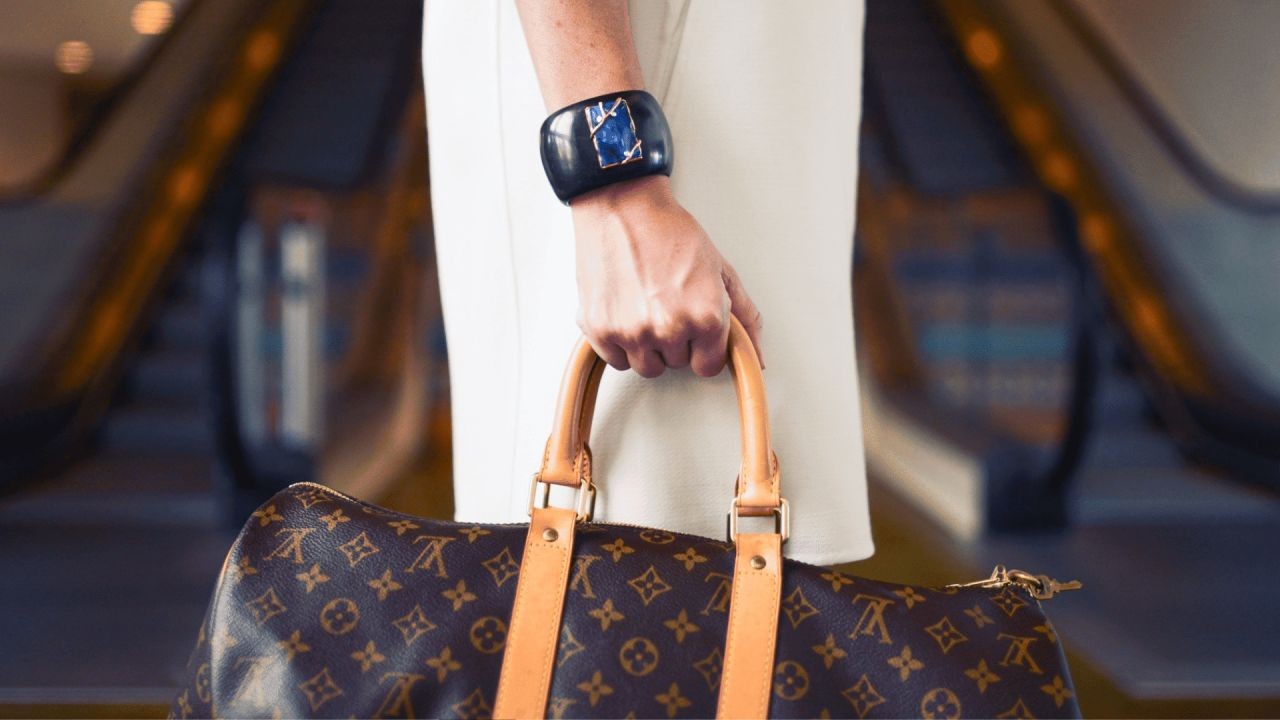
Another factor is cultural positioning. Luxury in New Zealand is often quieter and less overt than in other markets. Premium brands succeed not by conspicuous display, but by signalling discernment. A luxury watch, handbag, or vehicle becomes a marker of knowledge and restraint rather than extravagance. This subtlety aligns closely with the psychology that underpins luxury pricing.
The Price–Value Illusion
One of the most powerful psychological drivers of luxury pricing is the assumption that higher price equals higher quality. This bias is deeply ingrained and operates even when objective differences are marginal.
When a luxury brand sets a price far above the functional cost of production, it does more than increase margins. It reframes how the product is perceived. The higher price creates an expectation of superiority, which in turn shapes the user’s experience. Studies consistently show that people report greater satisfaction from products they believe are expensive, even when they are identical to cheaper alternatives.
In New Zealand, where consumers are often highly price-aware due to a higher cost of living and limited competition in some categories, this effect is paradoxically stronger. A premium price becomes a shortcut for trust, particularly in markets where consumers cannot easily compare alternatives in person.
Status Without Excess
Unlike markets where luxury is used to signal dominance or wealth, New Zealand consumers tend to use luxury as a form of social alignment. The purchase is less about standing above others and more about belonging to a perceived group of informed, successful, or globally connected individuals.
Luxury brands understand this and tailor their messaging accordingly. Advertising in New Zealand rarely emphasises opulence. Instead, it highlights heritage, craftsmanship, sustainability, or timelessness. These narratives allow consumers to justify the price to themselves and others without appearing indulgent.
This psychological framing is critical. When luxury consumption feels aligned with personal values rather than ego, resistance to high pricing diminishes significantly.
The Role of Narrative and Meaning
Luxury brands do not sell products; they sell stories. These stories explain why something costs more and why that cost is justified.
In New Zealand, where local identity and authenticity are highly valued, international luxury brands often emphasise origin stories, artisanal processes, or long-standing traditions. Whether it is a Swiss watchmaker’s generational expertise or an Italian fashion house’s historical lineage, the narrative creates emotional distance from mass-market alternatives.
This storytelling transforms the purchase into an investment in meaning rather than utility. Consumers are not simply buying a jacket or a bag; they are buying into a narrative that confers confidence, identity, or continuity.
The higher the price, the more compelling the story must be. Luxury brands understand this trade-off and invest heavily in maintaining coherence between price, narrative, and experience.
The Comfort of Certainty
Luxury pricing also benefits from risk reduction psychology. When consumers spend more, they expect fewer unpleasant surprises. This expectation applies not only to product quality but also to service, resale value, and social acceptance.
In New Zealand’s smaller social and professional networks, reputational risk carries weight. Purchasing from a recognised luxury brand reduces uncertainty. The buyer knows the product will be acceptable, respected, and unlikely to attract negative judgment.
This is particularly relevant in categories such as vehicles, property fittings, fashion, and professional accessories, where perceived reliability and image intersect.
The Hidden Costs That Reinforce Premiums
It is important to acknowledge that some portion of luxury pricing in New Zealand reflects real structural costs. Import duties, logistics, smaller sales volumes, and currency fluctuations all contribute to higher retail prices compared with larger markets.
However, these costs alone do not explain the full premium. What they do is reinforce the plausibility of higher prices. Consumers may accept elevated pricing more readily when it appears consistent with the realities of operating in a geographically remote market.
Luxury brands leverage this context carefully, rarely emphasising cost drivers directly but benefiting from their presence in the background.
What Experts Actually Debate
Among economists and brand strategists, the debate is not whether luxury pricing works, but where its limits lie. One concern is overextension. When luxury brands chase volume growth too aggressively, they risk diluting the very scarcity and exclusivity that justify their prices.
In New Zealand, this risk is heightened by the market’s small size. Overexposure can happen quickly. Too many outlets, excessive discounting, or inconsistent service can undermine perceived value faster than in larger markets.
Another debate centres on sustainability and ethics. As New Zealand consumers become more environmentally conscious, luxury brands face scrutiny over whether high prices genuinely reflect responsible practices or merely sophisticated marketing. Failure to align pricing with credible values may erode trust over time.
The Smartest Way to Take Advantage as a Consumer
Understanding luxury psychology allows consumers to engage more strategically rather than reactively.
The first advantage lies in timing. Luxury brands rarely discount openly, but price adjustments often occur around seasonal changes, market exits, or quiet retail periods. In New Zealand, this can include post-tourism slowdowns or currency-driven repricing.
The second advantage involves resale and longevity. Products that retain value, either through durability or secondary markets, effectively reduce their lifetime cost. Consumers who choose items with strong resale demand or timeless design often extract more value from the initial premium.
The third advantage is discernment between symbolic and functional value. Some luxury purchases deliver primarily emotional or social returns, while others offer genuine material superiority. Being clear about which you are buying helps avoid disappointment and regret.
Finally, understanding the narrative allows consumers to resist it when appropriate. Not every story justifies the price, and not every premium aligns with personal priorities. The most informed consumers are those who can appreciate luxury without being compelled by it.
The Historical Roots of Luxury Branding
Historically, luxury brands have been symbols of status, wealth, and exclusivity. This notion dates back to ancient civilizations where luxury items were reserved for the elite, serving as indicators of social hierarchy. Fast forward to the 21st century, and the intrinsic value attached to these brands has only intensified. This trend is evident in New Zealand's burgeoning luxury market, where consumers equate high-end brands with quality and prestige.
The Modern Psychological Appeal
The psychology behind luxury brand purchases can be dissected into several components:
- Perceived Value: Consumers often associate higher prices with superior quality. This perception is deeply ingrained and sustained by strategic branding efforts.
- Social Status: Owning luxury items is perceived as a marker of success and status. This is particularly relevant in New Zealand's urban centers, where social networks play a crucial role in consumer behavior.
- Emotional Appeal: Luxury brands evoke emotions and create an aspirational lifestyle, a strategy that taps into the consumer's desire for a unique identity and experience.
Case Study: Zambesi – Embracing Local Luxury
Problem: Zambesi, a New Zealand-based fashion brand, faced the challenge of distinguishing itself in a crowded market dominated by international luxury labels.
Action: Zambesi focused on its unique blend of New Zealand culture and high fashion, emphasizing sustainable practices and local craftsmanship. This approach resonated with consumers looking for authenticity and quality.
Result: Within two years, Zambesi experienced a 30% increase in sales, with a significant rise in international demand. The brand's commitment to sustainability and local heritage became key differentiators in the luxury market.
Takeaway: This case study highlights the importance of leveraging local culture and sustainable practices to create a distinctive luxury brand identity. For New Zealand businesses, emphasizing authenticity and environmental responsibility can enhance brand value and consumer loyalty.
Data-Driven Insights into New Zealand's Luxury Market
According to Stats NZ, the luxury goods market in New Zealand is projected to grow by 5% annually over the next five years. This growth is driven by increasing disposable incomes and a cultural shift towards valuing unique, high-quality goods. Furthermore, a report from the Ministry of Business, Innovation, and Employment (MBIE) highlights that ethical business practices influence 78% of Kiwi purchasing decisions, underscoring the importance of sustainability in luxury branding.
Pros and Cons of Investing in Luxury Branding
✅ Pros:
- High Profit Margins: Luxury brands can command significantly higher prices, resulting in greater profit margins.
- Brand Loyalty: Consumers of luxury brands tend to exhibit strong loyalty, often becoming repeat customers.
- Market Differentiation: A well-executed luxury brand can stand out in a saturated market, offering consumers unique value propositions.
❌ Cons:
- High Entry Barriers: Establishing a luxury brand requires significant investment in quality and marketing.
- Economic Sensitivity: Luxury brands can be vulnerable during economic downturns, as discretionary spending declines.
- Brand Dilution Risk: Expanding too quickly or compromising on quality can dilute brand perception.
Common Myths About Luxury Branding
- Myth: "Luxury brands only cater to the wealthy."
- Reality: While luxury brands are often associated with the affluent, they also appeal to aspirational consumers who value quality and exclusivity.
- Myth: "Higher prices always mean better quality."
- Reality: Although luxury brands are perceived as higher quality, this is not always the case. Brand perception plays a significant role in consumer decisions.
Future Trends in New Zealand's Luxury Market
As New Zealand continues to embrace digital transformation, luxury brands are expected to leverage technology to enhance customer experiences. The integration of augmented reality and personalized online shopping experiences is anticipated to become a standard offering. Additionally, a report by Deloitte suggests that by 2028, 40% of luxury transactions in New Zealand will occur online, driven by advancements in e-commerce platforms and consumer preferences for convenience.
What This Means for New Zealand Over the Next Five Years
Luxury consumption in New Zealand is likely to remain resilient, but more selective. Consumers are becoming better informed, more values-driven, and less tolerant of empty prestige.
Brands that command high prices will increasingly need to demonstrate coherence between what they charge and what they deliver. Those that rely solely on legacy or image may struggle, particularly as digital transparency exposes inconsistencies.
For New Zealand consumers, this shift creates opportunity. Understanding the psychology behind luxury pricing allows for smarter decisions, better value extraction, and a more confident relationship with premium goods.
Luxury will continue to exist, not because people are irrational, but because meaning, identity, and trust carry real economic weight. The smartest approach is not to reject luxury outright, but to understand precisely why it costs more — and to decide, consciously, when it is worth paying.
Conclusion: Navigating the Luxury Landscape
For New Zealand business owners, understanding the psychology and dynamics of luxury branding is crucial for tapping into this lucrative market. Emphasizing local culture, sustainability, and digital integration can differentiate brands and attract discerning consumers. As the luxury market evolves, staying informed and adaptable will be key to success.
What strategies will you implement to position your brand in New Zealand's luxury market? Share your insights and join the conversation!
People Also Ask (FAQ)
- How does luxury branding impact businesses in New Zealand?Luxury branding enhances brand value and customer loyalty, leading to higher profit margins and differentiation in a competitive market.
- What is a common misconception about luxury brands?A common myth is that luxury brands only cater to the wealthy, whereas they also appeal to aspirational consumers seeking quality.
- What are the best strategies for implementing luxury branding?Focus on authenticity, sustainability, and leveraging digital platforms for personalized customer experiences to succeed in the luxury market.
Related Search Queries
- Luxury brand marketing strategies
- Psychology of luxury consumption
- New Zealand luxury goods market
- Sustainable luxury brands
- Impact of digital transformation on luxury brands
- Luxury brand differentiation strategies
- Consumer behavior in luxury markets
- Future of luxury branding
For the full context and strategies on Why Luxury Brands Command Higher Prices – The Psychology Behind It – (And the Smartest Way to Take Advantage), see our main guide: Vidude For Smes Reach More Kiwis Less Spend.