





On a sunny afternoon in Wellington, as the breeze gently rustles through the silver ferns, Sarah, a conscientious homeowner, stares at her energy bill, shocked by the numbers. Like many New Zealanders, she’s become increasingly aware of her carbon footprint and the impact her lifestyle has on the environment. With climate change concerns growing and New Zealand’s commitment to a sustainable future, the question arises: How can everyday Kiwis reduce their home’s carbon footprint effectively?
The Rising Importance of Carbon Reduction in New Zealand
New Zealand has long been recognized for its pristine landscapes and commitment to sustainability. However, according to Stats NZ, residential energy consumption accounts for approximately 12% of the country's total carbon emissions. With the government's goal to achieve net-zero carbon emissions by 2050, reducing household energy use is crucial. In fact, the Ministry of Business, Innovation and Employment (MBIE) reports that better energy efficiency and reduced carbon footprints could save New Zealanders $2.5 billion annually.
Climate change is one of the most pressing challenges of our time, and homes are a major contributor to carbon emissions in New Zealand. For Kiwis, reducing your home’s carbon footprint is not just an environmental responsibility—it can also save money, improve comfort, and increase the long-term value of your property. This step-by-step guide outlines practical actions that every New Zealand homeowner can take.
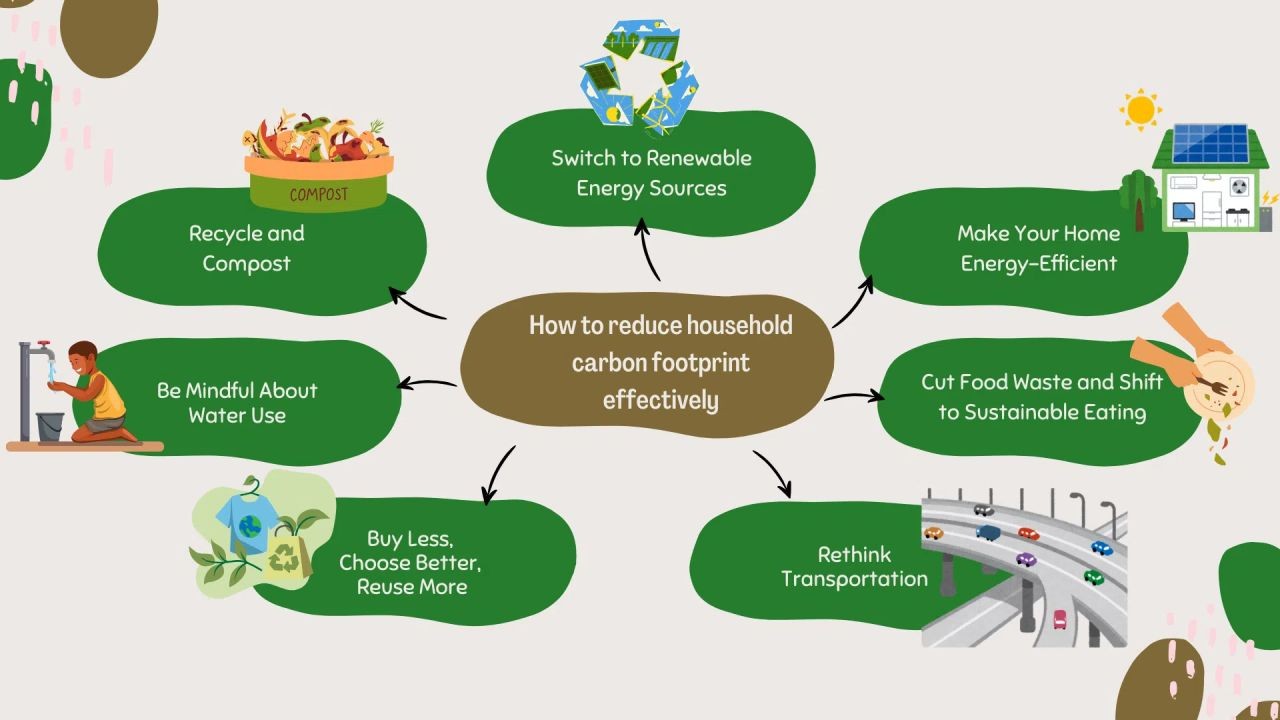
Step 1: Improve Home Insulation and Energy Efficiency
A well-insulated home requires less energy for heating and cooling, which directly reduces emissions. Kiwis can:
Install or upgrade ceiling, wall, and floor insulation
Seal gaps around doors and windows to prevent heat loss
Consider energy-efficient windows and doors
Upgrade to energy-efficient lighting such as LEDs
Energy efficiency not only lowers your carbon footprint but also reduces power bills, a win-win for homeowners.
Step 2: Transition to Renewable Energy
Switching to renewable energy sources dramatically reduces your home’s emissions:
Install solar panels to generate electricity from sunlight
Use solar water heating systems
Consider joining a green energy plan with your electricity provider
New Zealand’s abundant sun and hydro resources make renewable energy both practical and cost-effective for households.
Step 3: Reduce Water Heating and Electricity Use
Water heating and electricity consumption are significant contributors to home emissions. Simple steps include:
Install low-flow showerheads and taps to conserve hot water
Use energy-efficient appliances, such as washing machines and dishwashers
Turn off lights, heating, and appliances when not in use
Use smart thermostats and timers to manage heating efficiently
Reducing energy demand complements renewable energy use and further cuts your footprint.
Step 4: Rethink Your Transport and Commuting Habits
While technically outside the home, transport choices are closely linked to household emissions:
Consider hybrid or electric vehicles for family use
Carpool, cycle, or use public transport when possible
Plan trips efficiently to reduce unnecessary driving
For Kiwis, especially in cities like Auckland and Wellington, integrating low-emission transport can make a noticeable difference.
Step 5: Adopt Sustainable Habits and Products
Everyday choices in your home can reduce carbon emissions significantly:
Choose locally sourced or sustainable food to reduce transport emissions
Compost organic waste and recycle where possible
Avoid single-use plastics and packaging
Use natural, low-emission cleaning products
Small changes in consumption patterns add up when multiplied across households nationwide.
Step 6: Upgrade Home Heating Systems
Home heating is a major source of emissions, particularly in colder regions of New Zealand:
Replace old wood burners with certified low-emission models or heat pumps
Consider underfloor or hydronic heating systems for energy efficiency
Maintain heating systems to ensure optimal performance
Efficient, low-emission heating keeps homes warm while reducing environmental impact.
Step 7: Track and Monitor Your Progress
Awareness is key. Kiwis can use tools like energy monitors, smart meters, and carbon footprint calculators to:
Measure household energy consumption
Identify high-emission areas
Track improvements over time
Monitoring ensures your efforts are effective and motivates continued action.
Real-World Case Study: Sustainable Living in Auckland
Case Study: Eco-Friendly Overhaul – The Thompson Family
Problem:
The Thompson family, residing in Auckland, struggled with high electricity bills and an increasing awareness of their environmental impact. Their home, built in the 1980s, lacked modern insulation and relied heavily on non-renewable energy sources.
Action:
Determined to make a change, they invested in solar panels and upgraded their insulation. They also installed energy-efficient appliances and engaged in rainwater harvesting. Their approach was holistic, considering both immediate and long-term benefits.
Result:
Within a year, the Thompsons reduced their energy consumption by 40% and cut their carbon emissions by 30%. They reported annual savings of $1,200 on energy bills. Additionally, their home's value increased by 15% due to these sustainable enhancements.
Takeaway:
This case illustrates the tangible benefits of investing in sustainable home improvements. For New Zealanders, adopting such practices can lead to significant financial savings and contribute to national carbon reduction goals.
Step-by-Step Guide to Reducing Your Home's Carbon Footprint
For Kiwis looking to make a difference, here are actionable steps to start reducing your home's carbon footprint today:
- Upgrade Insulation: Ensure your home is well-insulated to minimize heat loss. This step alone can reduce energy consumption by up to 20%.
- Invest in Renewable Energy: Consider installing solar panels. With New Zealand's abundant sunlight, this can significantly lower electricity costs and emissions.
- Use Energy-Efficient Appliances: Replace old appliances with ENERGY STAR-rated ones to save energy and money.
- Water Conservation: Install low-flow fixtures and practice rainwater harvesting to reduce water usage and your water bill.
- Smart Home Technology: Utilize smart thermostats and lighting systems to optimize energy use efficiently.
Voices from the Field: Expert Insights
Dr. Emily Robinson, a sustainability expert at the University of Auckland, emphasizes the importance of community education: "Awareness and education are key. Many Kiwis are eager to reduce their carbon footprint but don't know where to start. Community workshops and government incentives can play a vital role in this transition."
Additionally, Michael Adams, a photojournalist and documentary filmmaker, notes, "Capturing the stories of families transforming their homes for the better has been inspiring. It shows the ripple effect of one family's decision on their community."
Implications for New Zealand's Future
The implications of widespread adoption of carbon-reducing practices in homes are profound. Not only does it align with New Zealand's environmental policies, but it also strengthens the economy by reducing energy costs and creating jobs in green tech industries. As the Reserve Bank of New Zealand notes, transitioning to a low-carbon economy could boost GDP by 1.5% by 2030.
Common Myths & Mistakes
- Myth: "Solar panels don't work well in cloudy weather."
- Reality: Solar panels are effective even on cloudy days, generating up to 70% of their usual power output.
- Myth: "Upgrading to energy-efficient appliances is too expensive."
- Reality: While the initial cost can be higher, the long-term savings on energy bills often outweigh the upfront expense.
Future Trends & Predictions
Looking ahead, the integration of smart home technologies will become more prevalent. According to a Deloitte report, by 2028, nearly 60% of New Zealand households will use AI-driven systems to manage energy consumption, leading to a potential 35% reduction in residential carbon emissions.
Final Takeaways & Call to Action
- Investing in home insulation and energy-efficient appliances can lead to substantial savings and emissions reductions.
- Solar panels and smart home technologies are becoming increasingly accessible and affordable.
- Community awareness and government incentives are crucial for widespread adoption.
As climate concerns continue to grow, reducing your home’s carbon footprint is more important than ever. What steps will you take to contribute to a sustainable future? Share your thoughts and progress with us!
People Also Ask (FAQ)
- How does reducing a home's carbon footprint impact New Zealand?By lowering household emissions, New Zealand can move closer to its net-zero goals, improve air quality, and stimulate growth in green industries.
- What are the biggest misconceptions about reducing carbon footprints?A common myth is that solar panels are ineffective in cloudy weather. However, they still operate efficiently, generating up to 70% of their potential energy output.
Related Search Queries
- New Zealand carbon footprint reduction strategies
- Benefits of solar energy in New Zealand
- Energy-efficient appliances for Kiwi homes
- Government incentives for sustainable living NZ
- Smart home technology for energy savings NZ
For the full context and strategies on How to Reduce Your Home’s Carbon Footprint – A Step-by-Step Guide for Kiwis, see our main guide: Vidude Vs Brightcove New Zealand.