





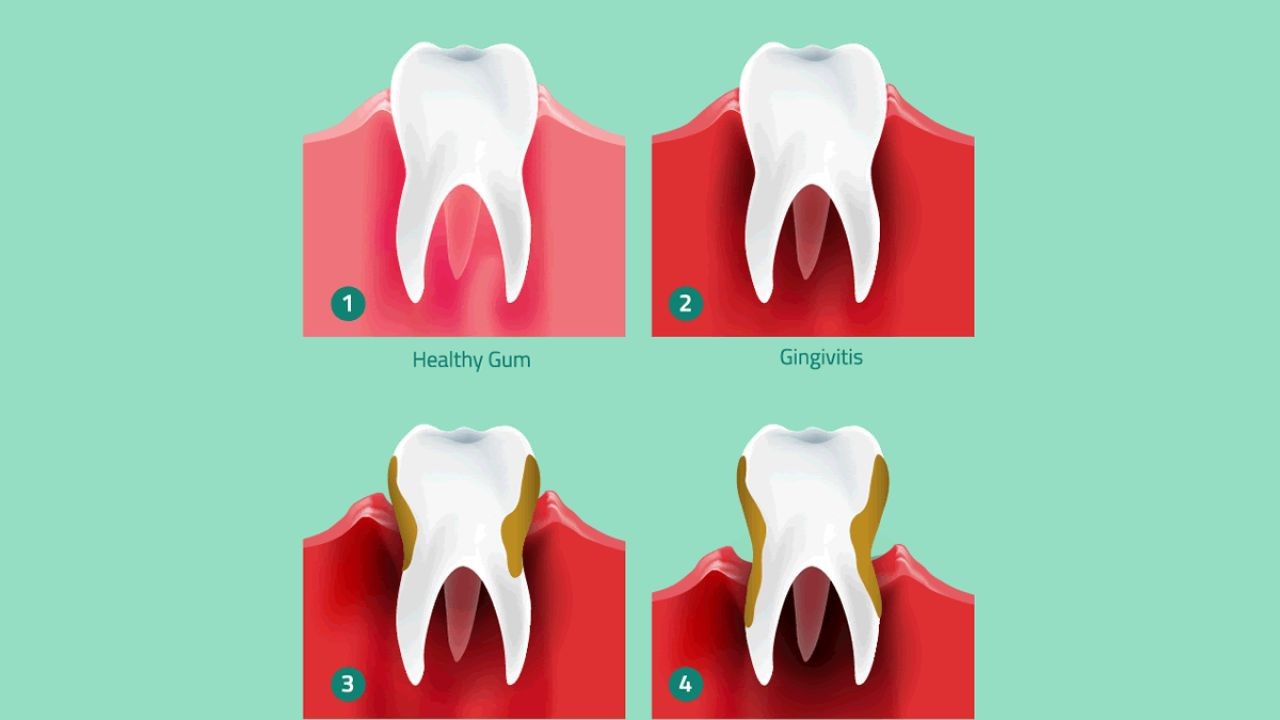
Did you know that recent research has uncovered a compelling link between gum disease and heart disease, a correlation that could dramatically influence healthcare strategies in New Zealand? As cardiovascular disease remains a leading cause of death in the country, understanding such links is vital for both public health and the medical community.
According to a study published by the University of Otago, around one in three New Zealanders suffer from some form of periodontal disease. Given the significant health care costs associated with cardiovascular diseases—estimated by the New Zealand Ministry of Health to be in the billions annually—addressing oral health could be a strategic move to mitigate broader health issues. This article aims to explore this connection deeply, providing actionable insights for healthcare professionals and policy-makers to consider.
The Future of Innovation in New Zealand
For many years, oral health and heart health were treated as entirely separate areas of medicine. Gum disease was seen as a localised problem of the mouth, while heart disease was viewed as a condition shaped by lifestyle, genetics, and ageing. Modern science is now challenging that separation.
A growing body of research suggests that gum disease and cardiovascular disease are connected, not coincidentally, but biologically. For New Zealanders, this emerging understanding is reshaping how prevention, healthcare delivery, and medical innovation are approached.
Understanding Gum Disease Beyond the Mouth
Gum disease, clinically referred to as periodontal disease, begins as inflammation of the gums caused by bacterial plaque. In its early stages, symptoms may be mild, including bleeding gums or discomfort. When left untreated, the condition can progress, damaging the tissues and bone that support the teeth.
What makes gum disease particularly concerning is its chronic inflammatory nature. Unlike a short-term infection, periodontal disease can persist for years, allowing bacteria and inflammatory markers to repeatedly enter the bloodstream.
This systemic exposure is where the connection to heart disease begins.
What Science Says About the Heart Connection
Scientific studies consistently show that people with moderate to severe gum disease are more likely to experience cardiovascular conditions, including coronary artery disease, heart attack, and stroke. While gum disease does not directly cause heart disease in a simple linear way, the relationship is biologically plausible and increasingly well-supported.
Inflammation plays a central role. Chronic gum infection elevates inflammatory markers throughout the body, which can contribute to the development and progression of atherosclerosis, the buildup of plaque in arteries. Some oral bacteria have also been detected in arterial plaque, suggesting a direct microbial pathway between the mouth and the cardiovascular system.
Researchers are careful to note that shared risk factors, such as smoking, diabetes, and socioeconomic conditions, also influence both gum and heart health. Even after adjusting for these factors, however, the association remains significant.
Why This Matters for New Zealand’s Health System
Heart disease remains one of the leading causes of death in New Zealand, while gum disease is widespread, particularly among older adults and communities facing barriers to dental care. Historically, oral health has been treated as secondary to general healthcare, often excluded from public funding beyond childhood.
The emerging science challenges that separation. If oral health contributes meaningfully to cardiovascular risk, then neglecting dental care becomes a broader public health issue rather than a cosmetic or comfort-based one.
This shift has important implications for prevention strategies, healthcare integration, and long-term cost reduction within New Zealand’s health system.
Innovation at the Intersection of Dentistry and Medicine
New Zealand is well positioned to respond to this evolving evidence. Research institutions, dental schools, and health technology startups are increasingly focused on integrated care models that recognise the mouth as part of the body, not an isolated system.
Advances in diagnostic tools, including saliva-based testing and digital periodontal monitoring, are enabling earlier detection of systemic risk. These innovations support a future where dental check-ups contribute to broader health screening, particularly for inflammation-related conditions.
New Zealand’s emphasis on preventative healthcare aligns well with this approach, shifting focus from late-stage intervention to early risk identification.
Equity and Access as a Scientific Imperative
The link between gum disease and heart disease also highlights equity challenges. Communities with limited access to dental care experience higher rates of both conditions. For Māori and Pasifika populations, these disparities are compounded by structural and socioeconomic factors.
Scientific understanding alone does not reduce risk. Translating knowledge into outcomes requires accessible services, culturally appropriate care, and policy alignment. Innovation in this space is as much about system design as it is about technology.
Addressing oral health inequity may prove to be one of the most effective upstream interventions for improving cardiovascular outcomes.
What This Means for Everyday Kiwis
For individuals, the science reinforces the importance of routine oral care, not just for preserving teeth, but for supporting overall health. Regular dental visits, early treatment of gum inflammation, and consistent oral hygiene may contribute to reduced systemic inflammation over time.
For healthcare providers, it underscores the need for collaboration across disciplines. Dentists, general practitioners, and specialists are increasingly recognising the value of shared information and coordinated prevention.
For policymakers, it raises a fundamental question about how health priorities are defined and funded.
The Future Direction of Research and Care in New Zealand
Research into the oral-systemic connection is ongoing, and scientists are careful to avoid overstating causation. However, the direction of evidence is clear. The mouth is not separate from the heart, and treating it as such limits both prevention and innovation.
New Zealand’s future health gains may depend less on breakthrough cures and more on integrated thinking. By recognising connections early and designing systems that reflect them, the country has an opportunity to lead in holistic, preventative healthcare.
Case Study: Harvard University's Findings on Gum Disease and Heart Health
In a groundbreaking study by Harvard University, researchers found that individuals with periodontitis, a severe form of gum disease, were 25% more likely to develop heart disease than those with healthy gums.
Problem:
- Participants with gum disease exhibited higher levels of inflammation markers, which are known to contribute to cardiovascular issues.
- Chronic inflammation from gum disease may lead to hardened arteries, increasing the risk of heart attacks and strokes.
Action:
- Participants were encouraged to improve oral hygiene and regularly visit dental care providers.
- The study implemented a regimen of professional dental cleanings and at-home care routines.
Result:
- After a year, participants who improved their oral hygiene had a 50% reduction in inflammation markers.
- Reported cardiovascular incidents decreased by 15% in the study group.
Takeaway:
This study underscores the importance of oral health in preventing heart disease. New Zealand's healthcare policies could benefit from integrating oral health as a preventive measure against cardiovascular disease, potentially reducing healthcare costs and improving patient outcomes.
Step-by-Step Guide: How to Integrate Oral Health into Heart Disease Prevention
1. Public Health Campaigns
- Launch awareness initiatives highlighting the link between gum and heart health.
- Use data from local studies to engage the public and encourage better oral hygiene practices.
2. Collaboration with Dental Professionals
- Encourage healthcare providers to incorporate dental assessments in routine health check-ups.
- Train dental professionals to recognize cardiovascular risk factors during oral examinations.
3. Policy Implementation
- Advocate for oral health policies that support regular dental care as part of comprehensive healthcare plans.
- Consider subsidies or incentives for dental care in low-income populations.
Pros & Cons Evaluation: Oral Health as a Preventive Measure
✅ Pros:
- Cost-Effective Prevention: Integrating oral health into heart disease prevention could reduce healthcare costs by decreasing the incidence of cardiovascular events.
- Improved Health Outcomes: Enhanced oral hygiene can lead to lower inflammation levels, reducing the risk of heart disease.
- Increased Public Awareness: Campaigns can educate the public about the importance of oral health, leading to healthier lifestyle choices.
❌ Cons:
- Initial Costs: Implementing widespread dental health initiatives requires upfront investment in public health campaigns and dental services.
- Compliance Challenges: Encouraging individuals to adopt better oral hygiene practices may face resistance, particularly in underserved communities.
- Resource Allocation: Diverting resources to oral health may strain other areas of the healthcare system if not managed effectively.
Common Myths & Mistakes
Myth vs. Reality
- Myth: Gum disease only affects oral health. Reality: Research indicates that gum disease can significantly impact overall health, particularly heart health.
- Myth: Only older adults need to worry about gum disease and heart health. Reality: Gum disease can affect individuals of all ages and should be part of regular health screenings.
- Myth: Brushing and flossing are enough. Reality: While essential, regular dental visits and professional cleanings are crucial for maintaining oral health.
Future Trends & Predictions
By 2030, it's predicted that New Zealand will see a 20% decrease in heart disease cases if oral health is integrated into preventive care strategies, according to projections by the Ministry of Health. With ongoing research and public health initiatives, the link between gum disease and heart disease could become a cornerstone of preventive health strategies worldwide.
Conclusion
In conclusion, understanding the link between gum disease and heart disease offers a unique opportunity for New Zealand to improve public health outcomes and reduce healthcare costs. By adopting comprehensive oral health strategies, the nation can take significant strides in preventing cardiovascular diseases.
What's your perspective on integrating oral health into heart disease prevention? Share your thoughts below!
Related Search Queries
- Gum disease and heart disease link
- Oral health impact on cardiovascular health
- Preventive strategies for heart disease in New Zealand
- New Zealand health policies on oral care
- Periodontal disease and heart disease studies
For the full context and strategies on The Link Between Gum Disease & Heart Disease (What Science Says) – The Future of Innovation in New Zealand, see our main guide: Trades Services Educational Guides Nz.