





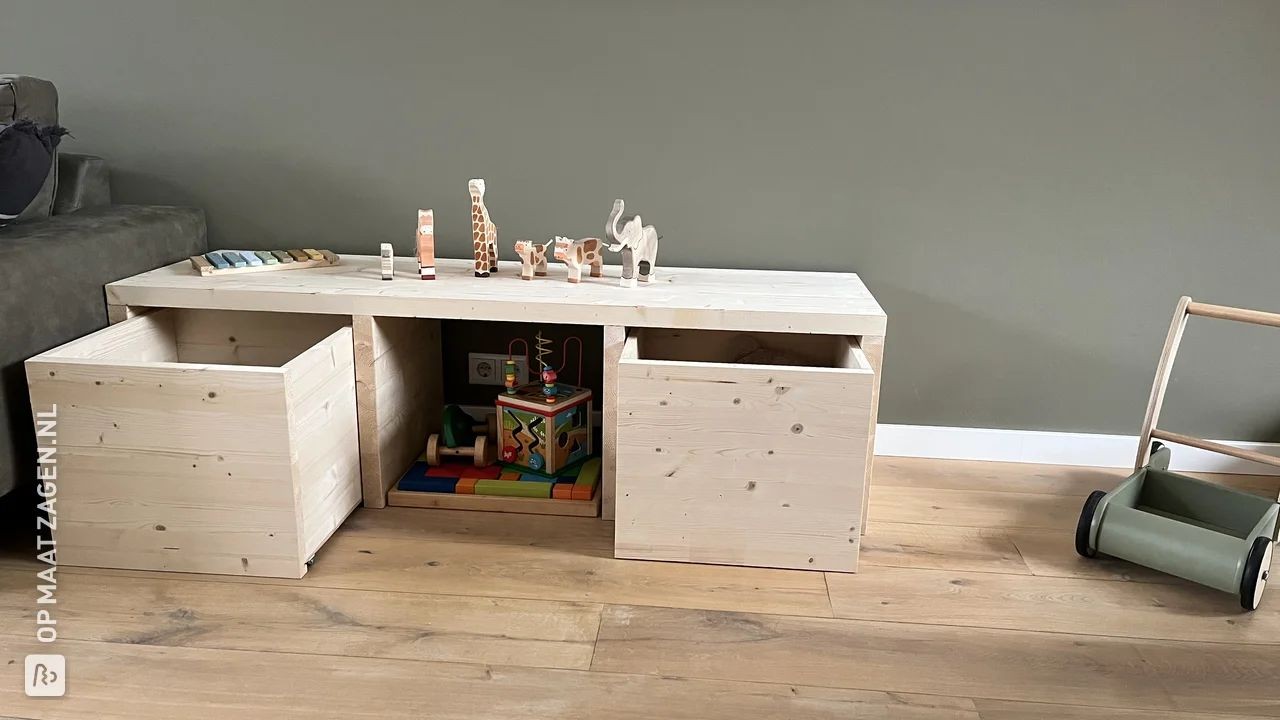
Australia’s DIY furniture and woodworking sector is experiencing a significant transformation, driven by the rise of video tutorials and a burgeoning interest in sustainable living. With the market for DIY projects growing, Australians are turning to online resources to hone their skills. This trend not only influences consumer behavior but also poses opportunities and challenges for businesses in the home improvement industry.
The Australian Context: A Growing Market for DIY Woodworking
Australia’s DIY market is on the rise, with the Australian Bureau of Statistics (ABS) reporting a notable increase in home renovation activities over the past few years. This surge is attributed to several factors:
- Increased Home Ownership: With homeownership rates climbing, more Australians are investing in personalizing their spaces.
- Sustainability Focus: A growing awareness of environmental issues has led consumers to opt for DIY solutions that are both cost-effective and eco-friendly.
- Economic Factors: According to the Reserve Bank of Australia (RBA), economic uncertainties have encouraged households to save by undertaking home projects themselves.
How DIY Video Tutorials Are Shaping the Market
Video tutorials have democratized skill acquisition, allowing Australians to learn and execute woodworking projects from the comfort of their homes. Here’s how they are impacting the market:
- Accessibility: Platforms like YouTube and dedicated DIY websites offer free, step-by-step guides, making it easier for novices to start projects.
- Community Building: Online forums and social media groups foster a sense of community, where enthusiasts share tips, advice, and project ideas.
- Cost Savings: By providing clear instructions, video tutorials help reduce errors and material wastage, leading to cost savings.
Pros and Cons of DIY Woodworking Video Tutorials
Pros:
- Cost-Effective Learning: Free resources eliminate the need for paid courses, making skill acquisition affordable.
- Flexible Learning Pace: Users can learn at their own pace, revisiting complex sections as needed.
- Wide Variety of Projects: Tutorials cover a broad range of projects, catering to different skill levels and interests.
Cons:
- Quality Control: The quality of tutorials can vary, with some lacking professional insight.
- Overconfidence Risk: Novices might undertake complex projects without adequate skills, leading to potential safety hazards.
- Limited Interaction: Unlike traditional classes, video tutorials lack real-time feedback and interaction.
Case Study: The Success of an Australian DIY Enthusiast
Case Study: John’s Garage Workshop – From Hobby to Business
Problem: John, a Sydney-based DIY enthusiast, wanted to convert his passion for woodworking into a profitable business. However, he lacked formal training and business acumen.
Action: John utilized online video tutorials to improve his skills and learn business strategies. He started a YouTube channel to showcase his projects, gaining a substantial following.
Result: Within a year, John’s channel attracted over 100,000 subscribers, and he launched an online store selling custom furniture. His revenue increased by 150% compared to his previous income from freelance projects.
Takeaway: This case study illustrates the potential of leveraging online tutorials to transform a hobby into a sustainable business. Aspiring entrepreneurs in Australia can replicate this model by focusing on content quality and audience engagement.
Common Myths and Mistakes in DIY Woodworking
Myths:
- Myth: "DIY projects are always cheaper than store-bought items." Reality: While DIY can be cost-effective, hidden costs such as tools and materials can add up, sometimes surpassing retail prices.
- Myth: "Anyone can master woodworking with a few tutorials." Reality: Mastery requires practice and patience. Tutorials are a starting point, but continuous learning and experience are crucial.
Mistakes to Avoid:
- Skipping Safety Measures: Always prioritize safety by using protective gear and following recommended practices.
- Underestimating Project Complexity: Start with simple projects to build confidence and skills before tackling complex tasks.
- Ignoring Material Quality: Investing in high-quality materials leads to better results and longevity of the final product.
Future Trends and Predictions
The DIY woodworking sector in Australia is poised for growth, driven by technological advancements and a shift towards sustainable living. By 2026, industry experts predict a 30% increase in DIY project participation, bolstered by enhanced video content and augmented reality (AR) applications that offer immersive learning experiences.
Conclusion
DIY furniture and woodworking video tutorials are reshaping how Australians engage with home improvement projects. For businesses, this trend presents opportunities to innovate and cater to a growing market of DIY enthusiasts. By leveraging digital platforms and focusing on sustainability, companies can enhance customer engagement and drive growth.
What strategies have you implemented to leverage the DIY trend in your business? Share your experiences and insights in the comments below!
People Also Ask
- How does DIY woodworking impact businesses in Australia? DIY woodworking encourages consumer engagement and expands market opportunities for businesses offering materials and tools.
- What are the biggest misconceptions about DIY woodworking? Many believe DIY is always cheaper, but hidden costs can make some projects more expensive than buying pre-made items.
Related Search Queries
- DIY woodworking projects for beginners Australia
- Best woodworking tools for home use in Australia
- Sustainable DIY furniture ideas
- How to start a woodworking business in Australia
- Top woodworking YouTube channels for Australians
For the full context and strategies on DIY Furniture and Woodworking Video Tutorials for Australians, see our main guide: Garden Landscaping Outdoor Videos Australia.