




For decades, the Australian resources sector has operated within a binary public debate: coal is the entrenched villain, while newer unconventional gas extraction is often framed as a cleaner 'transition' fuel. This oversimplification is not just intellectually lazy; it's a strategic liability for investors, policymakers, and the industry itself. The question isn't which industry is 'more damaging' in a generic sense, but rather: damaging to what, over what timeframe, and under which regulatory regime? The true cost is measured across three distinct but interconnected theatres: localised environmental impact, systemic economic dependency, and the overarching carbon budget. A superficial comparison misses the critical, and often irreversible, trade-offs being made.
Deconstructing the Damage: A Three-Theatre Analysis
To move beyond rhetoric, we must dissect the impacts with the cold precision of a strategic audit. Both industries leave profound marks, but their nature, scale, and permanence differ starkly.
Theatre 1: Localised Environmental & Social Footprint
Here, the physical operations collide directly with land, water, and communities.
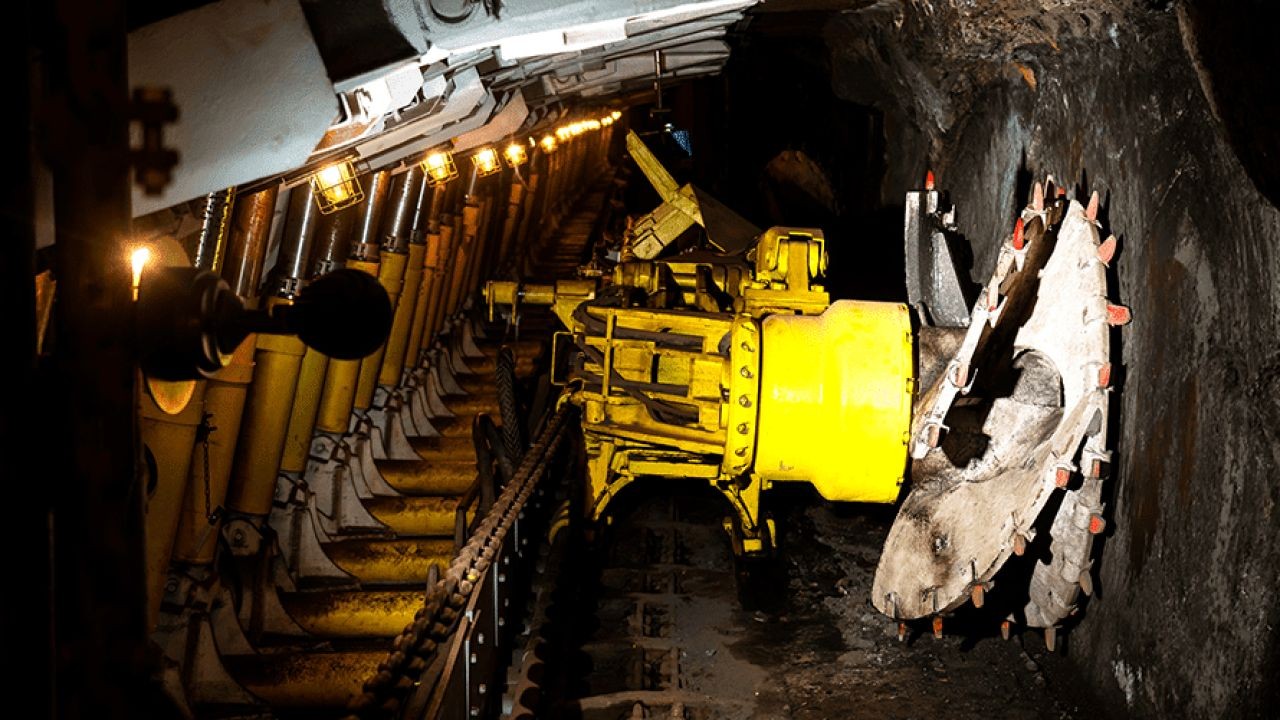
Coal Mining's Legacy: Scars on the Scale of Continents The damage from open-cut coal mining is visceral and geographically immense. The Hunter Valley in New South Wales stands as a testament. Vast pits displace entire ecosystems, while the management of overburden and waste rock leads to acidic mine drainage—a multi-century water contamination problem. Dust and particulate matter (PM2.5, PM10) are not mere nuisances; they are documented public health hazards. From my consulting with local businesses and communities across Australia, the socio-economic division is palpable. While the industry provides high-wage jobs, it can sterilise other land uses like agriculture and tourism, creating mono-economies vulnerable to commodity cycles. The final act—mine rehabilitation—remains a colossal and underfunded challenge. The Queensland government’s 2023 Land Restoration Fund reports highlights a multi-billion dollar liability for the state, with many operators' financial assurances falling short of the actual cost of returning land to a stable, sustainable condition.
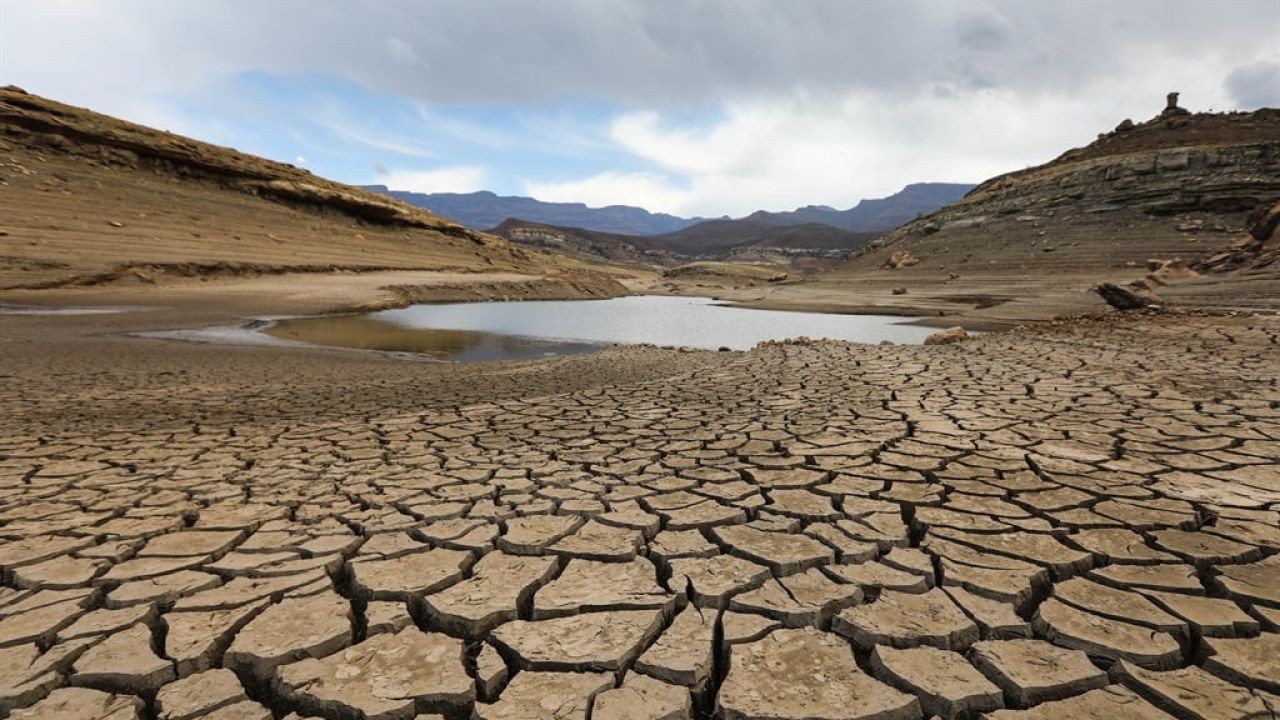
Fracking's Insidious Infiltration: The Subsurface Gamble Unconventional gas extraction via hydraulic fracturing operates on a different model. Its surface footprint per well pad is smaller than a mine, but its reach is subterranean and diffuse. The primary risks are groundwater contamination and induced seismicity. While the industry vehemently states well integrity prevents leakage, the sheer volume of wells—thousands are projected for the Beetaloo Basin alone—makes statistical failure a certainty, not a possibility. A 2020 study from the Australian National University concluded that even a 1% failure rate in well integrity over a 30-year timeframe would lead to significant methane and contaminant migration. Furthermore, the vast water requirements for fracking operations, often in arid regions like the Northern Territory, place immense stress on local aquifers. The social damage is one of uncertainty; from my work supporting agricultural enterprises in potential gas regions, the fear of water impact devalues land and fractures communities long before a single well is drilled.
Theatre 2: Economic Structure & Systemic Risk
This is where Australia's specific context becomes paramount. Both industries are major export earners, but they create very different economic geometries and lock-in effects.
Coal, particularly metallurgical coal, has been a pillar of national income. However, it concentrates wealth and risk. The ABS data shows that in 2022-23, coal exports were worth approximately $112 billion. This revenue is monumental, but it flows disproportionately, creates volatile regional economies, and leaves the federal budget exposed to global decarbonisation policies. The Reserve Bank of Australia has repeatedly flagged climate-related transition risks as a material threat to financial stability, with coal assets at the forefront of potential stranding.
Fracking, championed as a domestic transition fuel, presents a more subtle economic risk: demand destruction. Its primary market is domestic gas-fired power generation and manufacturing. However, the relentless cost-down trajectory of renewables and storage, as modelled by CSIRO’s GenCost reports, is eroding gas's economic rationale for baseload power. Investing billions in Beetaloo Basin infrastructure for a domestic market that may evaporate within 15-20 years is a profound strategic gamble. Drawing on my experience in the Australian market, this isn't a hypothetical; we are already seeing manufacturers shutter due to high domestic gas prices, a direct contradiction to the industry's promised economic benefit.
Theatre 3: The Carbon Budget – A Global Accounting
This is the ultimate, non-negotiable ledger. Both industries are major greenhouse gas (GHG) emitters, but through different mechanisms.
Coal's emissions are predominantly from combustion (Scope 3). When Australian thermal coal is burned in Asia, it releases CO2 at a near 1:1 mass ratio. This accounts for the lion's share of its climate impact. Methane emissions from mining operations (fugitive emissions) are a significant secondary contributor.
Fracking's carbon curse is methane (CH4). Unconventional gas wells are prone to methane leakage at the wellhead and through the supply chain. Methane is over 80 times more potent than CO2 over a 20-year period. If leakage rates exceed approximately 3%, the climate benefit of gas over coal for power generation vanishes. Multiple peer-reviewed studies, including those monitoring the US Permian Basin, suggest leakage rates are systematically underreported and often exceed this threshold. For Australia, developing a massive new gas province locks in decades of methane emissions at a time when rapid, deep reductions are required to meet even our modest Paris commitments.
Assumptions That Don't Hold Up: A Strategic Reality Check
Several pervasive myths distort rational analysis and policy.
- Myth: "Gas is a necessary 'bridge fuel' for Australia's energy transition." Reality: This bridge is collapsing at both ends. Renewables are cheaper and faster to deploy. The notion that we need 30-year gas infrastructure today to back up a grid in 2040 ignores the pace of innovation in grid-scale batteries, pumped hydro, and demand management. The bridge is leading to a stranded asset, not a clean energy future.
- Myth: "World-class regulation eliminates environmental risk for fracking." Reality: Regulation can mitigate but never eliminate subsurface risk. It is a reactive, not a preventative, tool. The 2020 Scientific Inquiry into Hydraulic Fracturing in the Northern Territory identified 135 knowledge gaps and recommended a staggering 120 regulatory conditions. The administrative burden of monitoring thousands of wells in remote areas over geological timescales is a practical and financial nightmare for any regulator.
- Myth: "The choice is between coal/gas jobs and no jobs." Reality: This is a false dichotomy that stifles regional diversification. The Australia's Clean Industry Growth: Centre for Policy Development report demonstrates that renewable energy zones, mineral processing for critical minerals, and land rehabilitation create more jobs per dollar invested than fossil fuel extraction. The transition is a structural economic shift, not an employment cliff.
The Investor's Dilemma: Stranded Assets vs. Social License
For the strategist, this isn't an academic exercise. It's a portfolio and risk management challenge.
Coal: The financial markets are already pricing in transition risk. Thermal coal faces near-term demand destruction. Metallurgical coal has a longer runway but is exposed to technological disruption in green steelmaking. The cost of capital is rising, and insurance is becoming prohibitive. The investment case is now purely tactical, focused on short-term cash flow from existing tier-1 assets, not greenfield projects.
Fracking: The risk is more nuanced but potentially more severe. It's a capital-intensive play requiring sustained high gas prices to be viable, precisely as demand faces existential threats. The social license to operate is fragile, as seen in the moratoriums in several states. An investor must ask: will this multi-billion dollar infrastructure be written off before it reaches its payback period? In practice, with Australia-based teams I’ve advised, the answer is increasingly 'yes'.
Case Study: The Beetaloo Basin – A High-Stakes Gamble
Problem: The Northern Territory government, seeking economic development, aims to unlock the estimated 500 trillion cubic feet of gas in the Beetaloo. Proponents promise jobs, royalties, and domestic energy security. The project requires massive investment in wells, pipelines, and processing facilities.
Action: Despite the 2018 moratorium and subsequent scientific inquiry, the government has fast-tracked approvals, offering generous exploration subsidies and attempting to streamline regulations. The argument hinges on gas as a transition fuel and a world-class regulatory framework.
Result: The project remains mired in controversy. Key findings include:
✅ Immense Carbon Liability: The Australia Institute estimates full development could add up to 1.4 billion tonnes of lifecycle GHG emissions to Australia's budget—equivalent to over three years of the nation's total current emissions.
✅ Water & Community Risk: The CSIRO has identified significant data gaps on aquifer connectivity, making groundwater impacts a persistent unknown, eroding community and pastoralist support.
✅ Economic Uncertainty: No final investment decision has been made, as major players like Santos grapple with the conflicting narratives of long-term demand and escalating stakeholder opposition.
Takeaway: The Beetaloo is a microcosm of the strategic error of betting on 20th-century fuel systems for a 21st-century climate-constrained world. It demonstrates how political momentum can outpace both economic rationale and scientific caution, creating a high-risk environment for capital.
Future Trajectories: The Inevitable Decline and the Strategic Pivot
The data is unambiguous. The International Energy Agency's (IEA) Net Zero by 2050 scenario shows no need for new coal mines or oil and gas fields. While this is a normative scenario, it sets the direction of travel. For Australia, the strategic imperative is not to choose the 'lesser evil' between coal and gas, but to manage their structured decline while aggressively capturing value in the post-carbon economy.
The 2024 Australian Energy Market Operator (AEMO) Integrated System Plan forecasts a dramatic reduction in gas-fired generation, from 21% today to less than 5% by 2050, as firmed renewables take over. This isn't activist rhetoric; it's the engineering and economic blueprint for our national grid.
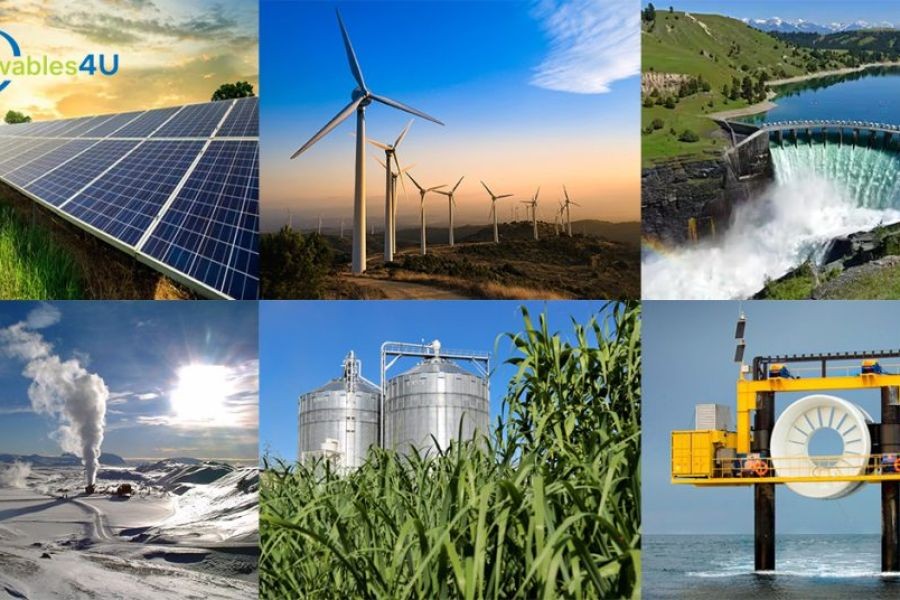
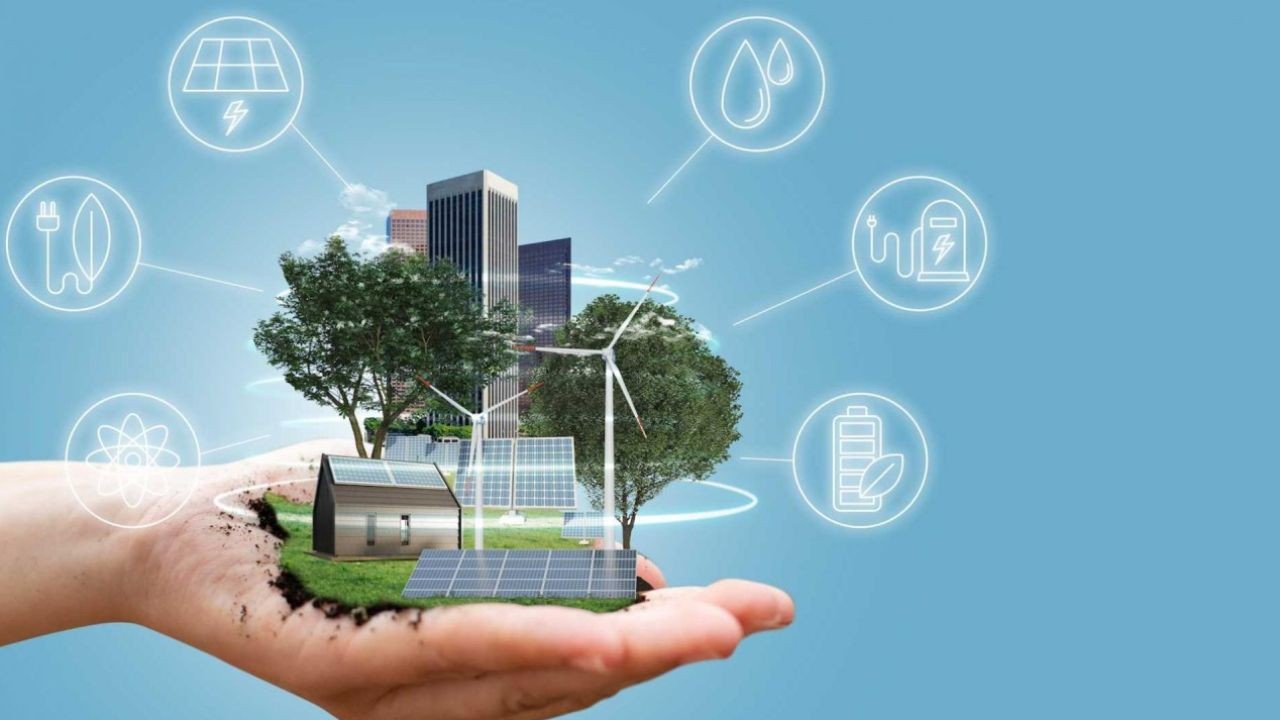
The opportunity for Australia lies in leveraging our mining expertise and renewable endowment differently. The future is in critical minerals (lithium, rare earths, copper), mineral processing to move up the value chain, and becoming a renewable energy superpower through green hydrogen and direct exports. This is where long-term capital should be flowing.
Final Takeaway & Call to Action
Asking which industry is more damaging is the wrong question. It implies one can be a 'good' choice. The critical insight for strategists is this: both coal and unconventional gas carry terminal risks—one from direct carbon liability and reputational obsolescence, the other from a rapidly collapsing demand thesis and insidious environmental liabilities. The damage spectrum differs, but the destination is the same: stranded assets and contested legacies.
The actionable strategy for Australian investors and policymakers is threefold:
- Apply a Mandatory Climate Stress Test: Any capital allocation to fossil fuel expansion must be evaluated against a 1.5°C scenario using the IEA or NGFS frameworks. If the project is not viable under that constraint, it is not a viable long-term investment.
- Divert Capital to Proven Transition Pathways: Shift focus and incentives towards the build-out of renewable energy zones, green hydrogen pilot projects, and critical minerals processing facilities. The first-mover advantage here is still up for grabs.
- Plan for Managed Decline & Legacy Management: Develop robust, fully-funded plans for the rehabilitation of existing coal mines and the decommissioning of gas infrastructure. This is not an environmental cost; it is a fundamental financial liability that must be priced in today.
The debate is over. The data has spoken. The task now is one of strategic reallocation and responsible stewardship. Will Australia cling to the fading shadows of its old economy, or will it execute the decisive pivot that secures its prosperity in the new one? The ledger is open, and the world is watching.
People Also Ask
Does Australia still need coal for steelmaking? Metallurgical coal is currently essential for conventional blast furnace steel. However, green hydrogen-based direct reduction technology is commercially operational and scaling rapidly. Major steelmakers like Fortescue are investing billions in this transition, signalling the beginning of the end for coking coal's dominance within 15-20 years.
Could carbon capture and storage (CCS) make these industries sustainable? CCS remains a costly, energy-intensive, and unproven technology at the scale required. After decades of research and billions in subsidies, it captures less than 0.1% of global fossil fuel emissions. Betting a climate strategy on CCS is a high-risk gamble with poor odds, diverting capital from solutions that are cheaper and available now.
What is the immediate action for Australian resources investors? Immediately review portfolio exposure to fossil fuel expansion projects. Engage with company boards on their capital expenditure alignment with Paris goals and demand transparent, site-level rehabilitation cost disclosures. Simultaneously, allocate a minimum of 10-15% of your resources portfolio to dedicated critical minerals and energy transition infrastructure funds.
Related Search Queries
- coal mining environmental impact Australia
- fracking risks groundwater Australia
- Beetaloo Basin economic analysis
- methane leakage rates unconventional gas
- stranded asset risk fossil fuels Australia
- critical minerals investment strategy Australia
- mine rehabilitation cost liability Queensland
- green hydrogen vs natural gas cost
- Australian gas market demand forecast 2040
- ESG investing coal mining stocks ASX
For the full context and strategies on Coal Mining vs. Fracking – Which Industry Is More Damaging? – Why Australian Experts Are Paying Attention, see our main guide: Australian Sports Fitness.