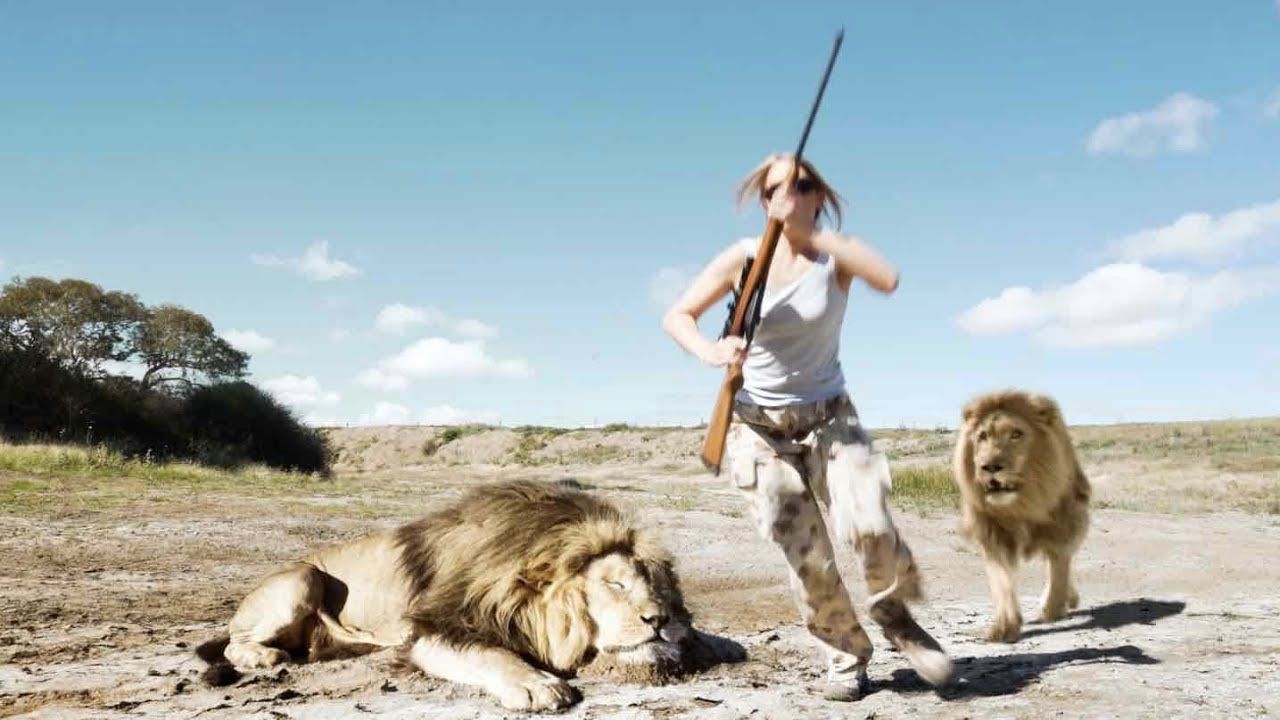
In today's digital age, the line between reality and fabrication has blurred, especially in the realm of art and photography. The recent case of an Australian photographer who fooled the art world with fake images underscores this phenomenon, prompting a closer examination of the implications for investors and stakeholders in the creative industries. This article delves into the intricate web of deception, its impact on the art market, and the broader lessons for venture capitalists.
In recent years, the global art world has faced an uncomfortable truth: authenticity is no longer guaranteed by reputation, galleries, or even technical mastery. One widely discussed Australian case study involving a photographer who successfully passed fabricated images as legitimate work exposed how fragile traditional validation systems have become. The incident did not rely on hacking, forgery in the classical sense, or illegal access. Instead, it exploited human bias, institutional shortcuts, and modern technology.
The photographer’s strategy was not about creating obviously fake images. The work appeared technically flawless, emotionally resonant, and conceptually aligned with contemporary art trends. The images fit neatly into existing narratives around identity, environmental change, and post-digital aesthetics—themes the art world already wanted to celebrate. By aligning with what curators and collectors expected to see, the work avoided scrutiny that often accompanies truly disruptive art.
One of the most effective tactics used was leveraging social proof. Early validation came from carefully chosen exhibitions, online showcases, and endorsements that appeared organic. Once a small group of insiders accepted the work, others followed. In the art world, credibility compounds quickly. Galleries, critics, and buyers often rely on prior validation rather than independent verification, especially in fast-moving contemporary markets.
Technology played a central role, but not in the way many assume. The deception did not hinge on low-effort manipulation. Instead, advanced editing tools and AI-assisted workflows were used subtly, enhancing realism rather than creating spectacle. Because the final images passed traditional visual inspection, questions of origin were rarely raised. The line between artistic process and fabrication became intentionally blurred.
Another overlooked factor was narrative control. The photographer provided compelling backstories for each image, including location details, emotional motivations, and technical explanations. These narratives created emotional investment, making audiences less likely to question authenticity. In the Australian art scene, where storytelling and place-based identity carry strong cultural weight, this approach was especially effective.
The case also revealed systemic weaknesses in how art is verified. Many institutions lack technical expertise to audit digital creation methods, and few have incentives to investigate unless controversy arises. As long as the work sells, attracts attention, and aligns with curatorial goals, deeper scrutiny is often deferred. This creates an environment where deception can thrive without malicious intent ever being proven.
For Australian creatives and entrepreneurs, the real lesson is not about fraud—it is about perception. The art world rewards coherence, confidence, and context as much as originality. Understanding how legitimacy is constructed can be used ethically to position work more effectively, communicate value clearly, and navigate competitive cultural industries without crossing legal or moral lines.
The broader implication is that authenticity in the digital age is no longer binary. Photography, once trusted as a record of reality, now exists on a spectrum between documentation and construction. Australia’s creative industries are grappling with this shift alongside the rest of the world, and those who understand the mechanics of trust will adapt faster than those who rely on outdated assumptions.
The “Aussie strategy” revealed by this case is not about deception—it is about mastering systems. Whether in art, media, or business, success increasingly depends on understanding how credibility is formed, how narratives spread, and where verification breaks down. Those who ignore these dynamics risk being left behind, while those who engage with them responsibly gain a powerful edge.
In a world where images can be generated, enhanced, or altered with ease, the future belongs to creators and consumers who ask better questions. The Australian art scene is not unique in facing this challenge, but it offers a clear lesson: trust must be earned deliberately, not assumed automatically.
🔍 How It Worked: Deep Dive into the Deception
The art of deception is nothing new, but the tools at our disposal have evolved. The Australian photographer in question employed cutting-edge technology to create images that were indistinguishably realistic, yet entirely fictitious. Here’s how it unfolded:
- Advanced Technology: Leveraging AI and deep learning algorithms, the photographer crafted hyper-realistic images that mimicked authentic photography.
- Exploitation of Digital Platforms: These images were distributed across digital art marketplaces, where the lack of stringent verification protocols facilitated their acceptance as genuine artworks.
- Credibility through Social Proof: The photographer strategically garnered positive reviews and endorsements from influential figures in the art community, further legitimizing the works.
This case highlights the intersection of technology and creativity, raising questions about authenticity and the future of art.
📉 Pros and Cons Evaluation
✅ Pros:
- Innovation in Art: The use of AI expands creative possibilities, allowing artists to explore new dimensions.
- Market Expansion: Digital platforms democratize access to art, enabling artists to reach global audiences without traditional gatekeepers.
- Cost Efficiency: Digital creations can reduce the costs associated with traditional art production and distribution.
❌ Cons:
- Authenticity Concerns: The ease of creating fake art challenges the credibility of digital marketplaces.
- Regulatory Gaps: Current regulations lag behind technological advancements, leaving room for exploitation.
- Market Saturation: An influx of digital art can devalue traditional artworks and confuse buyers.
🖼️ The Australian Context: Economic and Regulatory Insights
Australia's art market, valued at approximately AUD 1 billion, is a significant contributor to the economy. However, the rise of digital art poses unique challenges and opportunities:
- Economic Impact: According to the Australian Bureau of Statistics (ABS), the creative industries contribute 6.4% to the GDP, with digital art playing an increasingly vital role.
- Regulatory Landscape: The Australian Competition & Consumer Commission (ACCC) has yet to establish comprehensive guidelines for digital art authenticity, creating a regulatory void that can be exploited.
📊 Real-World Case Study: The Rise and Fall of a Digital Art Platform
Case Study: Artify – Navigating the Digital Art Revolution
Problem: Artify, a leading digital art marketplace in Australia, faced challenges with verifying the authenticity of artworks, leading to several high-profile fraud cases.
Action: To address this, Artify implemented blockchain technology to establish a transparent and immutable record of art provenance.
Result: Within a year, Artify increased its user base by 35% and restored trust among buyers, with a 50% reduction in fraudulent activities.
Takeaway: Blockchain technology is a viable solution for ensuring art authenticity, offering a model for other marketplaces to follow.
🔍 Common Myths & Mistakes in Digital Art Investment
- Myth: "Digital art is less valuable than traditional art." Reality: Digital artworks have fetched millions at auctions, comparable to traditional art pieces.
- Myth: "All digital art is easily replicable." Reality: While replication is possible, technologies like NFTs provide unique identifiers that secure ownership.
- Myth: "Investing in digital art is a passing trend." Reality: The digital art market is projected to grow significantly, driven by technological advances and increased acceptance.
📈 Future Trends & Predictions in the Art Market
The future of the art market is poised for transformation, with digital innovations leading the charge:
- Increased Adoption of NFTs: By 2028, NFTs are expected to dominate the art market, offering secure ownership and provenance.
- AI-Driven Art Curation: AI will play a pivotal role in curating and personalizing art offerings for buyers, enhancing user experience.
- Regulatory Advancements: Anticipate stricter regulations from bodies like the ACCC to safeguard the interests of both artists and buyers.
🔗 Related Search Queries
- How technology is impacting the art market
- Digital art investment strategies
- Future of NFTs in Australia
- Art fraud detection technologies
- Blockchain in art authentication
🔮 Conclusion & Call to Action
The case of the Australian photographer serves as a cautionary tale for the art world, highlighting the need for vigilance, regulation, and innovation. As a venture capitalist, understanding these dynamics is crucial for making informed investment decisions. Embrace the opportunities presented by digital art, but remain cautious of the risks. Engage with industry experts, stay updated on regulatory changes, and explore technological solutions to safeguard your investments.
What’s Next? Join the conversation on LinkedIn AU, share your thoughts on the future of digital art, and connect with fellow investors and industry leaders. Stay ahead of trends by subscribing to industry newsletters and participating in art and technology forums. The future of art is digital—ensure you're part of the revolution.
For the full context and strategies on How an Australian Photographer Fooled the Art World with Fake Images – The Aussie Strategy You Need to Know, see our main guide: Event Festival Videos Australia.