




For too long, local marketing in New Zealand has been viewed through a quaint, almost nostalgic lens—a world of community noticeboards, local paper ads, and word-of-mouth. That era is conclusively over. The convergence of economic pressure, technological disruption, and shifting consumer behaviour is forcing a fundamental recalibration. As a financial advisor, I see this not as a marketing discussion, but a critical business viability one. The future of local marketing is now a data-driven, financially-strategic imperative. Businesses that fail to adapt their local outreach with the same rigor they apply to their balance sheets will find themselves irrelevant, outmanoeuvred, and ultimately, insolvent. This analysis cuts through the hype to examine the forces reshaping the Kiwi marketplace and the actionable strategies that will separate the survivors from the casualties.
The New Zealand Economic Backdrop: Constraints Breed Innovation
To understand the future, one must first grasp the present constraints. New Zealand's small, isolated economy presents unique challenges: a concentrated population, high operational costs, and supply chain vulnerabilities. According to Stats NZ, the producer price index for outputs rose 4.7% in the December 2023 quarter, indicating persistent cost pressures across the supply chain. For a local cafe in Hamilton or a hardware store in Nelson, this isn't abstract data—it's the reality of shrinking margins. Simultaneously, consumer confidence remains fragile. The Reserve Bank of New Zealand's tight monetary policy, aimed at curbing inflation, has increased the cost of capital, making it harder for small businesses to fund expansive, untested marketing campaigns. This environment demands marketing that is not just creative, but ruthlessly efficient and accountable—every dollar must prove its return.
The Death of "Spray and Pray": Precision Targeting as Financial Prudence
The old model of blanketing a geographic area with generic flyers or radio ads is financially reckless. The future belongs to hyper-local, interest-based targeting. Platforms like Google Ads and Meta now allow a Dunedin-based boutique to target users within a 2km radius who have recently searched for "sustainable fashion NZ" or visited a competitor's website. This is capital allocation in its purest form. The financial logic is irrefutable: why pay to reach 10,000 vaguely interested people when you can pay to reach 500 highly interested individuals? The shift is from mass media budgets to precision-guided investment.
Comparative Analysis: Traditional Local Outreach vs. The Data-Driven Model
Let's dissect the operational and financial differences between the fading paradigm and the emerging one.
The Traditional Local Model (The Sinking Ship)
- Primary Channels: Local newspaper ads, Yellow Pages, community radio, direct mail flyers, sponsorship of local sports teams.
- Financial Model: High upfront cost with nebulous ROI. Payment is for distribution/placement, not results.
- Measurement: Virtually non-existent. Success is gauged by "feel" or anecdotal "I saw your ad" comments.
- Audience: Defined purely by geography. Assumes all residents within a postcode are potential customers.
- NZ Context: This model is still clung to in many provincial towns, but its efficacy is collapsing as media consumption fragments.
The Data-Driven Local Model (The Vessel for growth)
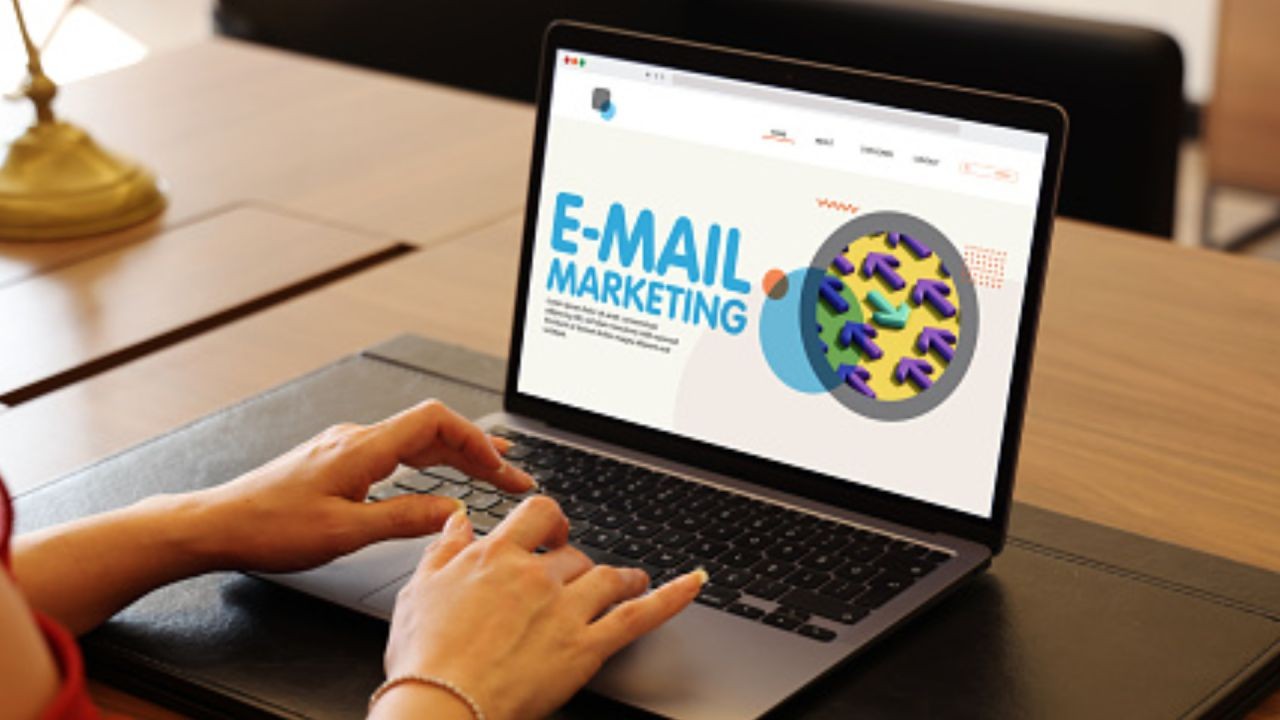
- Primary Channels: Search Engine Marketing (SEM) with local keywords, geo-fenced social media advertising, Google Business Profile optimization, targeted email marketing based on purchase history.
- Financial Model: Often performance-based (e.g., cost-per-click). Budgets are flexible and can be scaled based on real-time ROI data.
- Measurement: Granular. Trackable metrics include cost per acquisition (CPA), customer lifetime value (LTV), and store visit conversions (using Google Ads).
- Audience: Defined by intent, behaviour, and micro-geography. Targets "ready-to-buy" signals within a defined trade area.
- NZ Context: Leverages NZ-specific platforms like Neighbourly and integrates with local delivery services (e.g., Uber Eats, My Food Bag) for closed-loop analytics.
Expert Opinion & Industry Deep Dive: The Hidden Lever – First-Party Data
While everyone chases algorithm changes on social media, the most significant and under-discussed trend is the rapid depreciation of third-party data (cookies) and the corresponding rise in value of first-party data. This is a seismic shift with profound implications for local businesses. First-party data is information you collect directly from your customers: email addresses, purchase histories, product preferences, and service inquiries.
Industry Insight: A local business's email list or loyalty program database is becoming its most valuable marketing asset—more valuable than its social media following. Why? Because you own it, control it, and it represents consented, high-intent relationships. A Wellington bakery that uses its till system to capture emails for e-receipts is building a monetisable asset. They can then send targeted offers for gluten-free products to customers who have purchased them before, achieving near-perfect efficiency. This is a low-cost, high-return strategy that turns a transactional system into a marketing engine. The MBIE's reports on digital transformation consistently highlight data capability as a key differentiator for SME resilience, yet few local businesses treat their customer data with the strategic importance it warrants.
Case Study: Fluff Bakery – From Generic Promotions to Predictive Personalization
Problem: Fluff Bakery, a popular artisan bakery in Auckland with three locations, faced intense competition and rising ingredient costs. Their marketing consisted of beautiful but generic Instagram posts and a weekly email blast to their entire list. While sales were steady, growth had plateaued, and they had no clear view of which marketing efforts drove revenue. They were struggling to increase average transaction value and customer visit frequency.
Action: The owners implemented a simple but transformative three-step process: 1. They integrated their point-of-sale (POS) system with a CRM platform to automatically capture customer email and purchase data. 2. They segmented their email list not just by location, but by purchase behaviour: "Frequent Sourdough Buyers," "Weekend Pastry Treaters," "Catering Inquiry Leads." 3. They launched automated, triggered email campaigns. For example, a customer who bought a birthday cake received an email two weeks before the next likely birthday with a special offer.
Result: Within six months:
✅ Email marketing revenue increased by 185%, driven by highly segmented campaigns.
✅ Average transaction value from email-driven sales rose by 22%.
✅ Customer retention rate improved by 30% year-on-year.
The cost was minimal—primarily the CRM subscription and a few hours of setup time. The return was a more predictable, higher-margin revenue stream.
Takeaway: Fluff Bakery's success underscores that sophistication isn't about budget size; it's about strategic use of existing customer data. Any NZ business with a POS system can replicate this. The future belongs not to the loudest advertiser, but to the most insightful one.
The Great Debate: Hyper-Personalization vs. Privacy Concerns
This leads to the central tension in modern local marketing.
✅ The Advocate View (The Efficiency Argument)
Proponents argue that data-driven personalization is a service, not an intrusion. By using purchase history to recommend relevant products (e.g., "You might need more fish food for your tank"), businesses reduce decision fatigue for customers and increase satisfaction. The data from Fluff Bakery shows consumers respond overwhelmingly positively to relevant offers. In a high-cost economy, this efficiency allows businesses to thrive without resorting to blanket price increases.
❌ The Critic View (The Creepiness Factor)
Sceptics, including privacy advocates like the Office of the Privacy Commissioner, warn of a backlash. There's a fine line between helpful and creepy. A customer might find it useful to get a reminder about dog food, but unnerving if a furniture store's ad follows them online after a single in-store browse. The 2023 Privacy Act updates grant individuals greater rights, and businesses face significant reputational and legal risk for misuse of data.
⚖️ The Middle Ground: Transparent Value Exchange
The solution is a transparent, value-based contract. Businesses must be crystal clear about what data they collect and why, and the customer must receive undeniable value in return—exclusive discounts, early access, or personalized service. This isn't just ethical; it's commercially astute. Trust is the ultimate local currency. A policy of "data minimalism" where you collect only what you need to deliver a clear benefit, and protect it fiercely, will become a competitive advantage.
Future Forecast & Trends: The 2025-2030 Roadmap
Based on current trajectories and NZ's specific economic and technological adoption curve, here is what local businesses must prepare for:
- AI-Powered Local Insights (2025-2026): Tools like ChatGPT and its successors will be integrated into CRM and advertising platforms, allowing a Tauranga plumber to automatically generate personalized service reminders, seasonal maintenance tips, and targeted ad copy for different suburbs, all from its customer job history. The labour-intensive aspect of copywriting and basic campaign setup will vanish.
- Augmented Reality (AR) for Local Product Try-On (2026-2027): A Christchurch homeware store will enable customers to use their phone camera to see how a new lamp or painting looks in their actual living room. This reduces purchase hesitation and bridges the online-offline gap, a critical advantage for local retailers against overseas e-commerce giants.
- Integration of Sustainability Metrics (2027+): As carbon footprint labeling becomes mainstream (a trend being explored by MBIE), local marketing will heavily promote "low-kilometer" products and services. A Hawke's Bay winery's marketing will automatically highlight its lower transport emissions compared to an imported equivalent, appealing to the environmentally conscious Kiwi consumer.
- Voice Search & Local Commerce Dominance (2028-2030): "Hey Google, find me a reliable electrician near me who can come tomorrow." The businesses that have meticulously optimized their online presence for voice search—with complete, accurate, and frequently updated Google Business Profiles—will win these high-intent customers by default.
Common Myths & Costly Mistakes to Avoid
Let's dismantle the dangerous folklore that still permeates small business marketing in NZ.
Myth 1: "A great product or service will market itself through word-of-mouth." Reality: This is a survivorship bias fallacy. In the digital age, word-of-mouth happens online via reviews and social shares. You must actively facilitate and manage this process. A "great product" with no online presence is invisible. Data from Consumer NZ shows that over 90% of Kiwis read online reviews before making a purchase. Ignoring your digital reputation is commercial suicide.
Myth 2: "Social media is free marketing." Reality: Social media is a paid channel with a free entry point. Organic reach for business pages on platforms like Facebook is often below 2%. Building an audience requires consistent, high-quality content creation—which has a very real time cost. Effective social media marketing now almost always requires a strategic advertising budget to amplify content to the right local audience.
Myth 3: "We need to be on every new platform (TikTok, Threads, etc.)." Reality: This scattershot approach drains resources. The strategic move is to dominate one or two platforms where your specific local customers actually spend time. A commercial plumbing company has little need for TikTok but immense need for a flawless Google Business Profile and high SEO ranking. Channel selection is a financial decision, not a FOMO-driven one.
Costly Mistake: Not Calculating customer acquisition Cost (CAC) & Lifetime Value (LTV). The Error: Spending $1,000 on a local magazine ad without knowing if it acquired even one customer, let alone a profitable one. The Solution: Implement basic tracking. Use a unique promo code for each channel. Divide total spend on a channel by the number of customers it generated to get your CAC. Compare this to the average profit a customer generates over time (LTV). If CAC > LTV, you are buying customers at a loss.
Final Takeaways & Strategic Imperatives
- 🔢 Data is Your Core Asset: Begin systematically collecting and leveraging first-party customer data. Your email list is your bank account.
- 🎯 Precision Over Proximity: Shift budget from broad geographic targeting to intent and behaviour-based targeting within your trade area.
- 🤖 Embrace Automation for Efficiency: Use tools to automate email sequences, review requests, and social media posting. Reallocate human time to strategy and customer service.
- 📈 Measure Everything Financially: Abandon vanity metrics (likes, follows). Obsess over CAC, LTV, and ROI for every marketing activity.
- 🤝 Build on Transparent Value: Your data strategy must be built on explicit consent and clear value exchange. Trust is your ultimate competitive moat.
Conclusion: The Call to Strategic Action
The future of local marketing in New Zealand is not a mystery; it's a clear trajectory towards data-intelligence, automation, and hyper-relevance. This is no longer the domain of the marketing "creative" alone; it is a core financial operation. The businesses that will thrive are those that run their local marketing with the same discipline, analysis, and accountability as their financial statements. They will see marketing not as an expense, but as a measurable investment in customer acquisition and retention. The tools are accessible and the path is clear. The only question that remains for Kiwi business owners is this: Will you manage your market presence with strategic intent, or will you leave your fate to the outdated tactics of a bygone era? The market will provide the answer, whether you're ready for it or not.
People Also Ask (PAA)
How important is Google Business Profile for local NZ businesses? It is critical. It's your free digital storefront on Google Search and Maps. An optimized profile with photos, updated hours, and positive reviews can increase click-through rates by over 100%. For many local service businesses, it is their primary lead generation tool.
What is the biggest budget mistake in local marketing? Allocating budget based on habit or tradition rather than data. Continuing to fund a newspaper ad or directory listing year after year without verifying it generates a positive return on investment is a direct leakage of profit.
Can very small businesses compete with chains in digital marketing? Absolutely. In fact, they can outperform them. Small businesses have agility, authentic stories, and deep community knowledge. By using low-cost, hyper-targeted digital tools, they can connect with their local audience more personally and effectively than a national chain ever could.
Related Search Queries
- local SEO strategies New Zealand 2024
- cost of google ads for small business NZ
- how to use email marketing for local store
- best CRM for small business New Zealand
- measure marketing ROI for SME
- privacy act NZ marketing compliance
- voice search optimization for local business
- social media advertising targeting by suburb NZ
- first party data collection examples NZ
- future of retail marketing in New Zealand
For the full context and strategies on The Future of Local Marketing in New Zealand – What Small Businesses Must Know – Tips, Tactics & Truths for New Zealanders, see our main guide: Vidude Vs Tvnz New Zealand.