





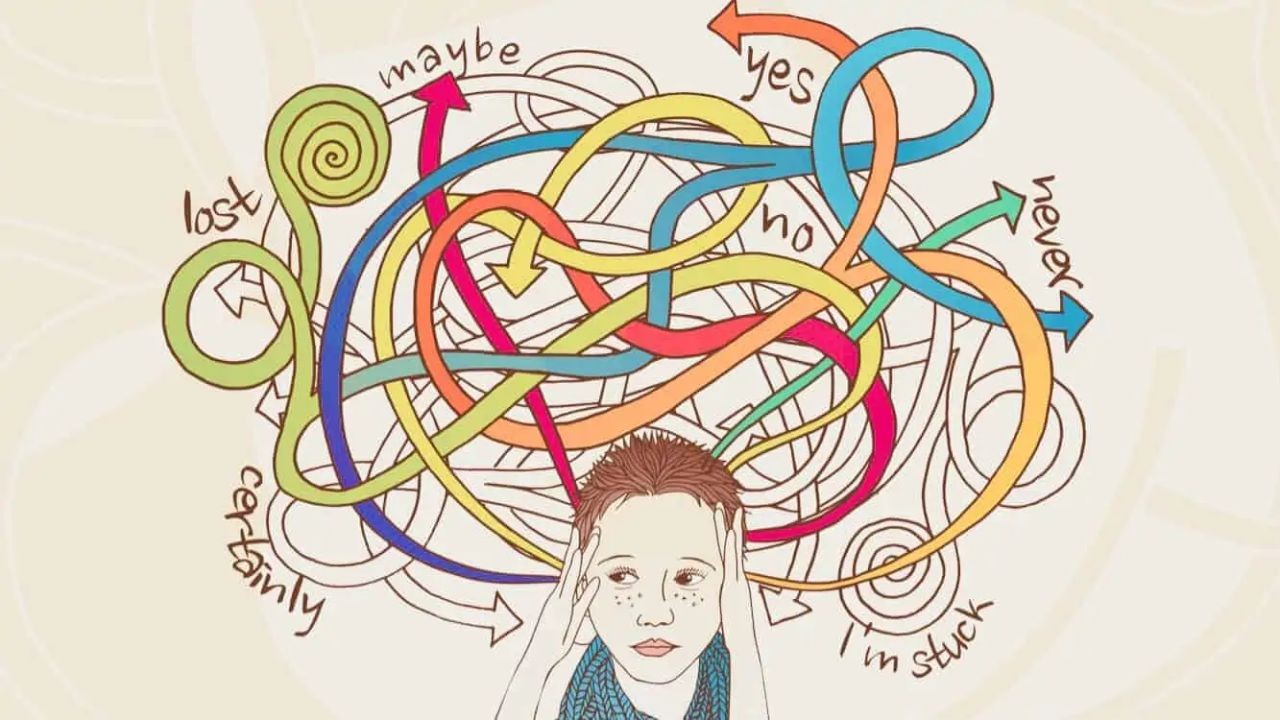
For the seasoned traveler, New Zealand has long been the archetype of pristine escape—a land of soaring peaks, untouched beaches, and a profound sense of space. Yet, a more nuanced reality is emerging for those who call these islands home. Beneath the postcard-perfect scenery, a distinct form of modern pressure is crystallizing, one born from geographic isolation, a high-cost economy, and a cultural ethos that often prizes resilience over rest. The 2023 Stats NZ General Social Survey revealed a telling statistic: nearly 29% of New Zealanders reported feeling lonely some, most, or all of the time in the previous four weeks. This data point is a critical fissure in the idyllic facade, suggesting that connection, both to place and community, is under strain even in one of the world's most beautiful countries. For the travel expert, understanding this tension is not merely academic; it is the key to designing journeys that move beyond sightseeing to deliver genuine restoration, offering a blueprint for stress reduction that is deeply contextualized within the Kiwi experience.
Deconstructing the Kiwi Pressure Cooker: Why Paradise Has a Stress Problem
The international perception of New Zealand is one of laid-back "she'll be right" attitude. However, this belies a complex socio-economic environment that creates unique stressors. The first, and perhaps most pervasive, is the "Tyranny of Distance" 2.0. Historically, this referred to the challenge of trade and communication. Today, it manifests as a profound sense of being disconnected from global hubs, family overseas, and rapid cultural currents. For professionals and businesses, this can mean inconvenient time zones, high shipping costs, and a feeling of operating on the periphery.
Compounding this is a cost-of-living crisis acutely felt in the housing market. According to the Reserve Bank of New Zealand, as of late 2023, the median house price was approximately 8.5 times the median household income. This severe affordability constraint, particularly in major centers like Auckland and Wellington, forces long commutes, financial anxiety, and can erode the very work-life balance New Zealand purports to champion. The economic structure, heavily reliant on primary industries and tourism, creates boom-bust cycles that can lead to job insecurity in specific sectors.
Furthermore, there exists a subtle but powerful cultural barrier to vulnerability. The pioneering spirit that built the nation fostered a "harden up" mentality. While strength is admirable, the modern interpretation can stigmatize open discussions about mental fatigue and anxiety, causing individuals to internalize stress until it manifests physically or as burnout. The travel expert must recognize that the Kiwi seeking respite is often not just tired; they are navigating this specific cocktail of isolation, financial pressure, and unspoken expectation.
Case Study: The Corporate Retreat Reimagined – From Conference Room to Coastal Walkway
Problem: A prominent Wellington-based financial services firm, grappling with rising employee burnout and attrition post-pandemic, identified a critical issue. Their traditional annual "retreat" was a hotel-based affair in the city, filled with back-to-back PowerPoint presentations and networking drinks. It was perceived as an extension of the office, not a reprieve. Employee surveys showed a 40% dissatisfaction rate with company-sponsored wellness initiatives, which were seen as tokenistic.
Action: In partnership with a specialist well-being travel consultant, the firm completely redesigned its approach. They shifted location to the South Island's Abel Tasman region, but with a crucial twist. The agenda was stripped of formal presentations. Instead, the three-day program was built around guided, mindful immersion in nature:
- Silent Kayaking: Teams embarked on dawn kayak trips with a guide, focusing only on the rhythm of paddles and the sound of the water.
- 'Story of Place' Walks: A local Māori guide led walks, sharing the cultural and natural history of the coastline, fostering a sense of connection deeper than scenery.
- Unstructured Time Mandate: Afternoons were deliberately unscheduled, with options for solo walks, reading, or simply sitting by the sea. Evening discussions were held around a fire pit, focused on shared experiences rather than business metrics.
Result: Post-retreat data and follow-up surveys at three and six months revealed transformative outcomes:
- Employee self-reported stress levels decreased by an average of 35% immediately following the retreat, with a 15% sustained lower baseline at the 3-month mark.
- Team cohesion scores, as measured by internal tools, improved by 50%.
- Voluntary attrition in the following quarter dropped to zero, compared to a previous quarterly average of 8%.
- The firm reported a surge in creative problem-solving ideas originating from cross-departmental teams that shared the experience.
Takeaway: This case study demonstrates that stress reduction in a New Zealand context is not about adding another spa treatment to an itinerary. It is about structured disconnection and deep place-based engagement. The success lay in leveraging New Zealand's greatest asset—its profound natural environment—as an active therapeutic tool, not just a backdrop. For businesses, this represents a significant ROI on well-being investment, translating directly into retention, cohesion, and innovation.
A Travel Expert's Framework for Curated Decompression
Effective stress reduction requires intentional design. Drawing from the principles of ecotherapy, mindfulness, and cultural anthropology, the following step-by-step framework can be applied to curate personal journeys or corporate programs.
Step 1: The Diagnostic – Identifying the Stress Source
Is the anxiety stemming from digital overload, social friction, financial pressure, or creative stagnation? A traveler escaping the relentless "hustle" of Auckland's commercial scene needs a different prescription than a remote worker in Otago suffering from isolation. The first step is honest reflection: what aspect of the modern Kiwi lifestyle is causing the most friction?
Step 2: The Prescription – Matching Environment to Need
This is where expert curation is paramount. New Zealand offers a diverse pharmacopeia of landscapes, each with different therapeutic properties.
- For Digital Overload & Mental Clutter: Prescribe the West Coast. The raw, untamed power of the Tasman Sea, the density of the rainforest, and the limited cell reception enforce a digital detox. The environment is so dominant it commands attention, pushing internal chatter aside.
- For Social Fatigue & Urban Burnout: Prescribe the Central Otago high country. The vast, arid landscapes and clear, star-filled skies induce a sense of perspective and solitude. The scale diminishes personal anxieties, replacing them with awe.
- For Creative Block & Stagnation: Prescribe the geothermal valleys of Rotorua or the artisanal hubs of Nelson. These are places of process, transformation, and creation—watching mud pools bubble or a glassblower at work can reignite a sense of possibility.
Step 3: The Mechanism – Active vs. Passive Engagement
Passive relaxation has its place, but transformative stress reduction often involves active, mindful engagement. This could be:
- Rhythmic Physical Activity: A multi-day walk like the Kepler Track, where the simple, daily goal of reaching the next hut creates a mental reset.
- Mindful Sensory Focus: A guided foraging tour to identify native edible plants, focusing the mind entirely on taste, smell, and touch.
- Voluntary Challenge: A supervised canyoning or ice-climbing experience. Overcoming a manageable physical challenge in a safe environment rebuilds a sense of agency and competence often eroded by office-life stress.
Step 4: The Integration – Translating the Experience Home
The final, and most often neglected, step is creating a "bridge" back to daily life. An expert-led program will include facilitated reflection on how to integrate micro-versions of the experience into a Wellington apartment or an Auckland commute. This might be identifying a local "green corridor" for a daily 20-minute walk, establishing a tech-free hour each evening, or seeking out a local workshop class to maintain a sense of hands-on creation.
The Great Debate: Digital Detox vs. Connected Wellness
A significant tension exists in modern travel wellness philosophy, and it is sharply relevant in New Zealand.
✅ The Advocate View (Digital Detox Purist):
Proponents argue that New Zealand's value as a restorative destination is fundamentally tied to its ability to offer a clean break from the digital world. The constant ping of notifications, the pressure of social media, and the blue light of screens are primary drivers of modern anxiety. True restoration, they argue, can only occur in places with limited or no connectivity, forcing a cognitive reset. The success of retreats in areas like the Catlins or Great Barrier Island, which market their "off-grid" status, supports this view. The purist approach suggests that to solve a problem created by technology, one must first completely remove it.
❌ The Critic View (Connected Integrationist):
Critics counter that an absolutist "detox" is both unrealistic and potentially anxiety-inducing for those who cannot fully disconnect due to work or family. It creates a binary—stressful connected life vs. peaceful disconnected escape—that is unsustainable. Furthermore, technology, when used intentionally, can enhance a wellness journey: meditation apps can guide practice, star-gazing apps can deepen understanding of the southern sky, and GPS tracking on solo hikes provides safety. The critic's view is that demonizing technology is counterproductive; the goal should be to cultivate a mindful and intentional relationship with it, even while traveling.
⚖️ The Middle Ground (The Intentional Use Framework):
The most pragmatic approach for the New Zealand context is structured, intentional use. Design journeys with "tech zones" and "tech-free zones." For example, allow connectivity at the lodge in the evening for essential communication, but enforce a tech-free policy during daily activities like walks, meals, and group sessions. Encourage the use of technology for enhancement (e.g., photographing nature, recording reflections) but not for distraction (e.g., scrolling social media). This model acknowledges the realities of modern life while still prioritizing the cognitive and emotional benefits of disconnection, making the transition back home less jarring and more sustainable.
Common Myths & Mistakes in Pursuing Kiwi Wellness
Myth 1: "A quick weekend in Queenstown is as good as a longer retreat." Reality: For the brain to downshift from a state of chronic stress, it needs more than 48 hours, especially when the weekend itself is packed with adrenaline activities (bungee jumping, skiing) that, while fun, are physiologically stimulating. Research on the psychological benefits of nature immersion suggests a significant drop in cortisol levels and a boost in cognitive function often begins after three days of sustained exposure. A frantic weekend trip can sometimes feel like just another item on a to-do list.
Myth 2: "To reduce stress, I just need to be alone in nature." Reality: While solitude can be healing, the Stats NZ data on loneliness indicates that a lack of meaningful connection is a major stressor. The mistake is conflating isolation with solitude. A well-curated group journey, even with strangers, can provide a low-pressure social framework and shared experience that alleviates loneliness without the complexities of existing relationships. The sense of "shared awe" during a guided tour to see dolphins or a sunset can be profoundly connecting.
Myth 3: "All wellness tourism is created equal—a spa is a spa." Reality: This is a critical error. A generic spa treatment imported from any global resort offers transient relaxation. In contrast, a treatment grounded in Mātauranga Māori (Māori knowledge), such as a romiromi (traditional massage) or a session using locally sourced, culturally significant rongoā (plant medicine), provides a deeper, place-specific connection. It embeds the experience within the cultural narrative of the land, adding a layer of meaning that generic lavender oil cannot match.
Biggest Mistakes to Avoid:
- Mistake: Planning an overly ambitious itinerary. The "must-see" checklist mentality replicates the productivity pressure of work. Solution: Adopt a "less is more" philosophy. Base yourself in one or two regions and explore them deeply.
- Mistake: Ignoring seasonal rhythms. Visiting Milford Sound in the peak of summer crowds can be stressful. Solution: Consider the "shoulder seasons" (April-May, September-October). The weather is often still good, crowds are diminished, and the pace is inherently slower.
- Mistake: Underestimating the journey. A stress-reduction trip that starts with a stressful, self-driven marathon dash from Auckland to Franz Josef is counterproductive. Solution: Factor in travel time as part of the experience. Take the train (TranzAlpine), break up the drive with meaningful stops, or use domestic flights strategically.
The Future of Wellness Travel in New Zealand: Beyond the Hot Pool
The frontier of stress reduction in New Zealand will move beyond passive relaxation towards active participation and regenerative contribution. Future trends, informed by global shifts and local innovation, point to:
- Regenerative Tourism Integration: Travelers will increasingly seek trips where their presence actively improves the environment they visit. Participating in a predator-trapping program with the Department of Conservation (DOC), assisting with native tree planting, or joining a citizen science project monitoring dolphin populations. This "purposeful action" provides a powerful antidote to the helplessness often felt in the face of global eco-anxiety, a stressor particularly acute in environmentally conscious New Zealand.
- Data-Informed Personalization: Wearable technology will be used not for distraction but for biofeedback. Imagine a guided walk where your heart rate variability data suggests to your guide that it's time for a mindful breathing session with a specific view. Post-trip, data on sleep and stress markers could help tailor a maintenance plan for home.
- Micro-Retreats for Urban Dwellers: As housing affordability keeps people in cities, the demand for expertly designed 24-48 hour urban escapes will surge. This isn't a hotel stay; it's a curated sequence within the city—a dawn sea swim followed by a silent breakfast, a guided architectural history walk focusing on sensory details, and a private session with a mindfulness coach. It’s about relearning how to see your own city as a place of restoration.
These trends suggest that the industry's future lies not in building more luxury lodges, but in building more meaningful, scientifically-grounded, and culturally-rich bridges between the stressed individual and the restorative power of Aotearoa.
Final Takeaway & Call to Action
Reducing stress within New Zealand's modern lifestyle is not about fleeing the country, but about renegotiating your relationship with it. It requires recognizing the unique local pressures—the economic, social, and cultural currents—and strategically using the nation's profound natural and cultural capital as a counterbalance. The most effective approach is intentional, structured, and often guided, moving from passive consumption to active, mindful engagement.
As a travel expert, my charge is to stop selling mere destinations and start prescribing experiences that facilitate this renegotiation. For the reader, the action is clear: Audit your stressors, then design your next local escape with the precision of a curated itinerary. Choose depth over breadth, engagement over observation, and integration over escape. The peace you seek is not in escaping New Zealand, but in experiencing a different, deeper layer of it.
What's your primary source of stress in the Kiwi lifestyle, and which landscape do you instinctively feel would provide the antidote? Share your thoughts below—your insight could help shape the next wave of restorative travel.
People Also Ask (PAA)
How does New Zealand's "harden up" culture impact stress levels? This cultural norm can discourage open discussion of mental strain, leading to internalization of stress and delayed seeking of help. It creates a gap between the idyllic national image and individual struggle, potentially exacerbating feelings of isolation when one doesn't feel "right."
What is a simple, immediate stress-reduction practice I can do in a NZ city? Practice "forest bathing" in an urban park. Spend 20 minutes consciously engaging your senses—touch the bark of a native tree, listen to bird calls, observe light through leaves. This micro-dose of nature, backed by science, can lower cortisol and reset focus without leaving the city.
Are wellness retreats in New Zealand worth the investment? When chosen carefully, yes. Look for programs that offer structured, guided immersion in nature, incorporate local cultural wisdom, and provide tools for post-retreat integration. The ROI is measured in sustained lower stress, improved resilience, and renewed perspective, not just temporary relaxation.
Related Search Queries
- New Zealand work life balance statistics 2024
- Best digital detox retreats NZ South Island
- Māori wellness practices for stress
- Cost of living stress New Zealand
- Loneliness statistics NZ Stats NZ
- Nature therapy programs New Zealand
- Corporate wellness retreats Abel Tasman
- Urban mindfulness activities Auckland Wellington
- New Zealand ecotourism and mental health
- Guided walking tours for stress relief NZ
For the full context and strategies on How to Reduce Stress & Anxiety in New Zealand’s Modern Lifestyle – The One Trick Every Kiwi Should Know, see our main guide: Bar Nightlife Video Promotion Nz.