





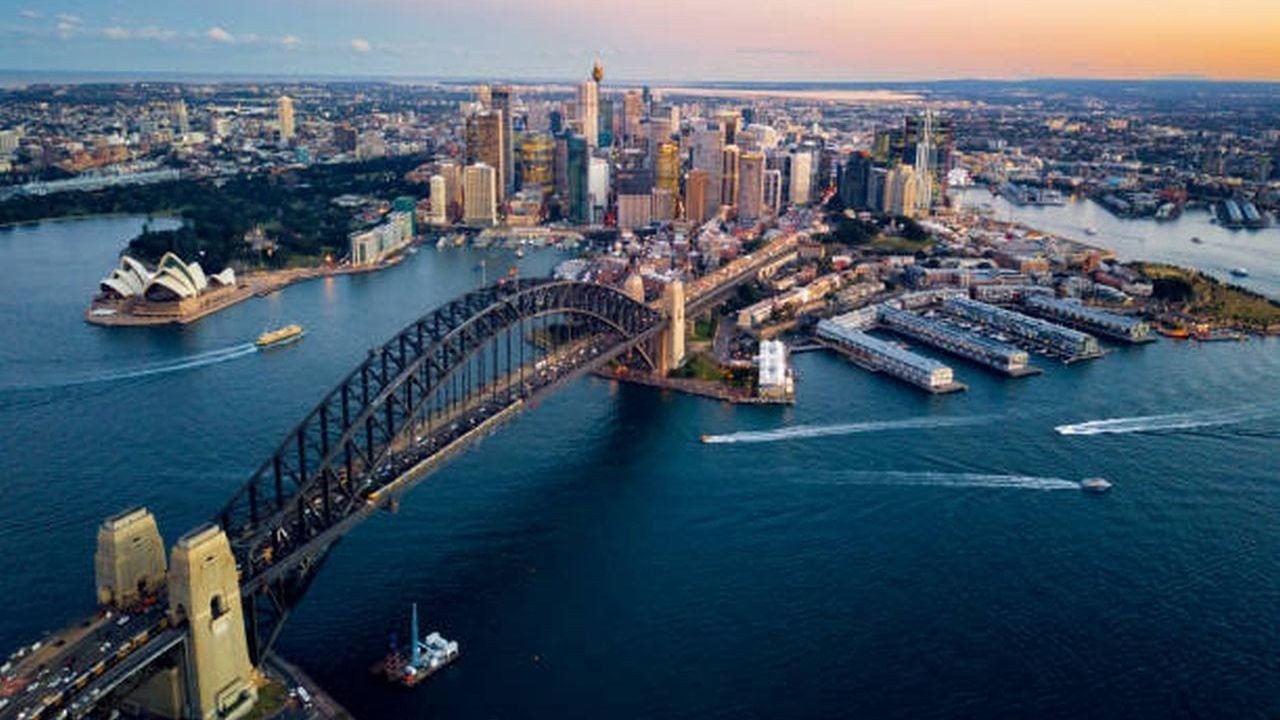
For high-net-worth families considering a relocation to Sydney, the decision of where to reside transcends simple property selection. It is a strategic investment in lifestyle, legacy, and long-term value. The Sydney property landscape is not monolithic; it is a complex ecosystem of micro-markets, each with distinct demographic, educational, and infrastructural profiles. A choice made today must anticipate the city's evolution through to 2026 and beyond, factoring in economic headwinds, policy shifts, and the ever-changing definition of luxury family living. This analysis moves beyond superficial suburb rankings to provide a framework for strategic decision-making, grounded in data and a cautious assessment of future livability and capital preservation.
Strategic Framework: Evaluating Sydney's Family Suburbs for 2026
The optimal suburb for a family is not a universal truth but a function of specific priorities. We propose a weighted evaluation matrix focusing on four pillars: Educational Capital, Lifestyle & Amenities, Future-Proof Infrastructure, and Investment Resilience. A suburb scoring highly across all pillars represents a prudent, future-facing choice.
Pillar 1: Educational Capital & The "Catchment Premium"
Access to top-tier schooling is often the primary driver for affluent families. In Sydney, this creates a pronounced "catchment premium" on real estate. However, a cautious approach requires looking beyond historical reputations. Consider the trajectory of both public and private institutions.
- Public vs. Private Nexus: Suburbs like Killara and Gordon on the Upper North Shore offer proximity to selective and high-performing public schools (e.g., Killara High), reducing long-term private school fees—a significant financial consideration. The Reserve Bank of Australia's (RBA) ongoing analysis of household debt, which remains elevated at over 180% of income, underscores the value of mitigating large, recurring future liabilities.
- The Rise of Integrated Hubs: Areas such as Mosman and Randwick benefit from clusters of elite private schools (e.g., SCECGS Redlands, Cranbrook, Ascham) alongside world-class healthcare (Sydney Children's Hospital). This integrated hub model offers unparalleled convenience and community cohesion.
- Data-Driven Insight: According to the Australian Bureau of Statistics (ABS), Sydney's population is projected to grow by approximately 900,000 people by 2041, with much of this growth funneled into existing urban areas. This intensification will place immense pressure on school enrollments. Securing a position within a coveted catchment zone today is a strategic hedge against future competition.
Pillar 2: Lifestyle, Amenities, and the 15-Minute Neighbourhood
The post-pandemic definition of luxury has shifted towards hyper-convenience and curated local experiences. The urban planning concept of the "15-minute neighbourhood"—where daily needs are met within a short walk or cycle—is becoming a key value driver.
- Northern Beaches (e.g., Avalon, Newport): Offer an unparalleled coastal lifestyle with strong community fabric and excellent local village amenities. The trade-off is commute time to the CBD, a factor that must be weighed against flexible work arrangements.
- Inner West (e.g., Balmain, Haberfield): Provide vibrant, walkable streetscapes, boutique shopping, and diverse dining. They score highly on cultural capital but often have smaller block sizes and less green space per capita.
- Upper North Shore (e.g., Wahroonga, Pymble): Deliver a "green luxury" with larger estates, established gardens, and access to national parklands, prioritizing space and tranquility over urban buzz.
Pillar 3: Future-Proof Infrastructure and Connectivity
An area's future livability is inextricably linked to committed government infrastructure. Projects must be assessed not just for completion dates but for their potential to alleviate existing pain points or create new value corridors.
- Western Sydney Airport & Aerotropolis: While not a direct residential play for most luxury clients, this multi-decade project is reshaping Sydney's economic geography. Suburbs within the Hills District (e.g., Kellyville, Bella Vista) are experiencing accelerated growth in premium amenities and corporate hubs, enhancing their self-sufficiency.
- Metro Expansion: The Sydney Metro West, slated for completion post-2030, will fundamentally alter connectivity between the CBD and Parramatta. Suburbs along this corridor, such as Five Dock and Burwood, are likely to see a significant uplift in accessibility and desirability, though this is already being priced in.
- Regulatory Note: Infrastructure projects of this scale fall under intense scrutiny from bodies like the Australian Competition & Consumer Commission (ACCC) regarding their impact on market competition and consumer benefits. Delays or scope changes are a material risk that must be acknowledged.
Case Study: The Strategic Repositioning of the Hills District
Problem: Historically perceived as a peripheral, car-dependent region, the Hills District struggled to attract affluent families seeking a cosmopolitan lifestyle alongside space. It faced a "lifestyle deficit" compared to established eastern and northern suburbs.
Action: A concerted, multi-decade strategy involving private investment and public planning transformed the area. Key actions included:
- The development of Norwest Business Park, attracting major corporate tenants and creating local high-value employment.
- The strategic curation of lifestyle amenities like the Rouse Hill Town Centre and The Hills Showground precinct, offering premium retail and entertainment.
- Targeted marketing of new, master-planned estates with modern architectural standards and community facilities.
Result: The Hills District has undergone a profound demographic shift. CoreLogic data indicates that over the past decade, suburbs like Bella Vista and Castle Hill have seen price growth consistently outperform broader Sydney averages during market upswings, while demonstrating greater resilience during downturns. The area now commands a significant premium for properties within top school catchments, such as those zoned for Matthew Pearce Public School.
Takeaway: This case illustrates that suburb prestige is not static. A forward-looking analysis identifies regions undergoing strategic infrastructure-led transformation, where early identification can yield substantial lifestyle and financial returns by 2026.
Pros and Cons: A Cautious Evaluation of Key Sydney Regions
✅ Pros of Established Eastern/Northern Suburbs (e.g., Mosman, Vaucluse, Killara):
- Proven Resilience: Demonstrated historical capital preservation through economic cycles.
- Immediate Prestige & Network: Established social and professional communities.
- Educational Certainty: Long-standing access to tier-one public and private schools.
- Premium Amenities: World-class dining, harbourside access, and boutique retail.
❌ Cons of Established Eastern/Northern Suburbs:
- Diminishing Returns: Extremely high entry price with potentially lower relative growth upside.
- Infrastructure Strain: Aging roads and public transport often operating at capacity.
- Limited Land: Few opportunities for new development or significant property enhancement.
- Complacency Risk: Potential for amenities to stagnate without renewal pressure.
✅ Pros of Emerging/Transforming Corridors (e.g., Hills District, Inner West, Lower North Shore):
- Growth Potential: Higher likelihood of capital growth from a lower base as amenities mature.
- Modern Infrastructure: Newer homes, better road layouts, and upcoming transport links.
- Demographic Dynamism: Often attract younger, professional families, creating vibrant communities.
- Value for Space: Typically offer more land or larger internal spaces per dollar.
❌ Cons of Emerging/Transforming Corridors:
- Execution Risk: Promised infrastructure (metro lines, town centres) can face delays or scaling back.
- Unproven Prestige: Social cachet is still evolving and may not reach traditional elite levels.
- Construction Disruption: Ongoing development can impact livability for years.
- Market Volatility: May be more susceptible to downturns as demand is more growth-sensitive.
Common Myths and Strategic Mistakes to Avoid
Myth 1: "The most expensive suburb is always the best investment." Reality: Prime markets can become overvalued and exhibit lower yield and growth potential. Strategic value can be found in suburbs undergoing fundamental improvement, where the "prestige gap" is closing.
Myth 2: "A long commute is an acceptable trade-off for a larger home." Reality: The RBA's continued focus on productivity and the post-pandemic hybrid work model have reshaped priorities. Proximity to hubs of employment, education, and amenity is increasingly valued over sheer square footage. Time is a non-renewable luxury asset.
Myth 3: "School catchments will remain static." Reality: With rapid population growth, state education authorities frequently review and redraw catchment zones. Relying solely on a current catchment is risky. A more robust strategy includes proximity to multiple quality schools or factoring in private school options as a contingency.
Costly Mistake: Failing to conduct due diligence on local development plans (Local Environmental Plans - LEPs). A quiet street could be rezoned for medium-density housing, fundamentally altering its character. Always consult with a specialist town planner or solicitor to understand future zoning trajectories.
Future Trends & Predictions for 2026 and Beyond
The Sydney family suburb of 2026 will be defined by resilience and sustainability. We anticipate:
- ESG as a Value Driver: Suburbs with strong environmental credentials—excellent walkability, EV charging infrastructure, tree canopy, and sustainable design standards—will command a growing premium. This aligns with global investment trends and Australia's own net-zero commitments.
- The "Polycentric City" Matures: Sydney's reliance on the CBD will continue to dilute in favor of major hubs like Parramatta, Norwest, and Macquarie Park. Families will prioritize living within a 20-minute radius of these employment clusters, further boosting suburbs in their orbits.
- Data-Backed Prediction: Based on ABS population projections and infrastructure pipelines, we predict that the corridor between Parramatta and the new Western Sydney Airport will see the most significant transformation in family-focused amenities and high-quality housing stock by 2026, though it will remain a longer-term play for luxury buyers.
Final Takeaway & Strategic Call to Action
Selecting a Sydney suburb for a family in 2026 is a complex portfolio decision. It requires balancing tangible assets (property, schools) with intangible ones (community, time, well-being). There is no single "best" suburb, only the best strategic fit for a specific family's weighted priorities.
Immediate Action Plan:
- Define Your Weighted Matrix: Assign priority scores to the four pillars (Education, Lifestyle, Infrastructure, Resilience) based on your family's non-negotiable values.
- Conduct Scenario Planning: Model the financial and lifestyle implications of 2-3 shortlisted suburbs over a 10-year horizon, factoring in commute costs, school fees, and projected capital growth.
- Engage Specialised Due Diligence: Commission reports on local development plans, school enrollment pressures, and environmental risks (e.g., bushfire, flood) for any finalist property.
- Think in Terms of Optionality: Prioritize locations that provide multiple advantages (e.g., access to both top public and private schools, multiple transport links) to hedge against future uncertainty.
The goal is not merely to buy a house, but to make a prudent, forward-looking investment in your family's future capital—social, human, and financial. The market rewards those who do their homework with rigor and a cautious eye on the horizon.
People Also Ask
How important is school zoning for future property value in Sydney? Extremely important. ABS population growth data indicates intensifying competition for quality education. Properties within consistently top-performing public school catchments have demonstrated higher capital growth resilience and lower volatility, acting as a defensive asset during market corrections.
Is it better to buy an established home or build new in Sydney's family suburbs? This hinges on risk tolerance. Established homes in prime locations offer certainty and immediate amenity but may require renovation. Building new in growth corridors offers modern standards and potential customization but carries construction risk, timeline uncertainty, and the gamble that the area's prestige will mature as projected.
What is the biggest regulatory factor affecting Sydney's property market for families? Beyond zoning, lending regulations from APRA (Australian Prudential Regulation Authority) are critical. APRA's macroprudential measures, which influence bank lending criteria and interest rates, directly impact borrowing capacity and market liquidity, affecting both entry points and long-term affordability for upgraders.
Related Search Queries
- Sydney best public school catchments 2026
- Hills District vs North Shore for families
- Impact of Sydney Metro West on property prices
- Sustainable luxury suburbs Sydney
- Family lifestyle amenities Sydney suburbs
- Long-term capital growth Sydney regions
- Private school fees vs property catchment premium
- Future infrastructure projects Sydney 2030
For the full context and strategies on Living in Sydney: Best Suburbs for Families, Schools, and Lifestyle in 2026, see our main guide: Government Policy Explainer Videos Australia.