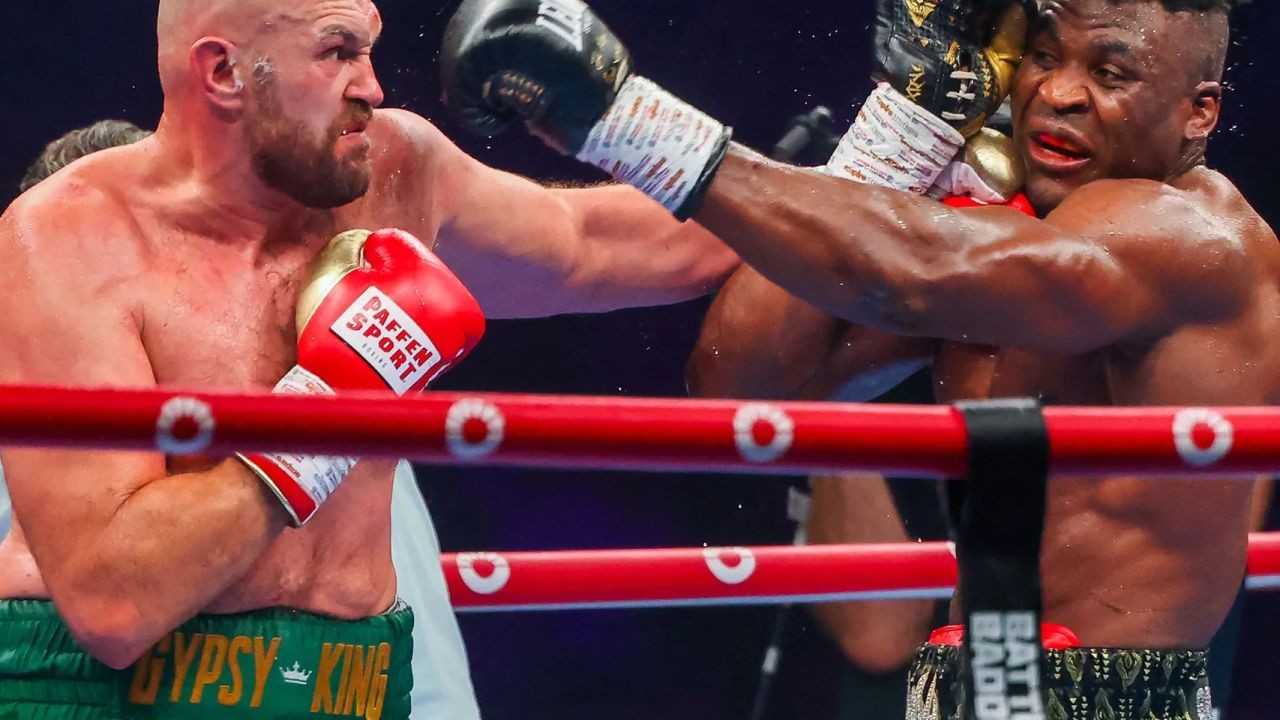





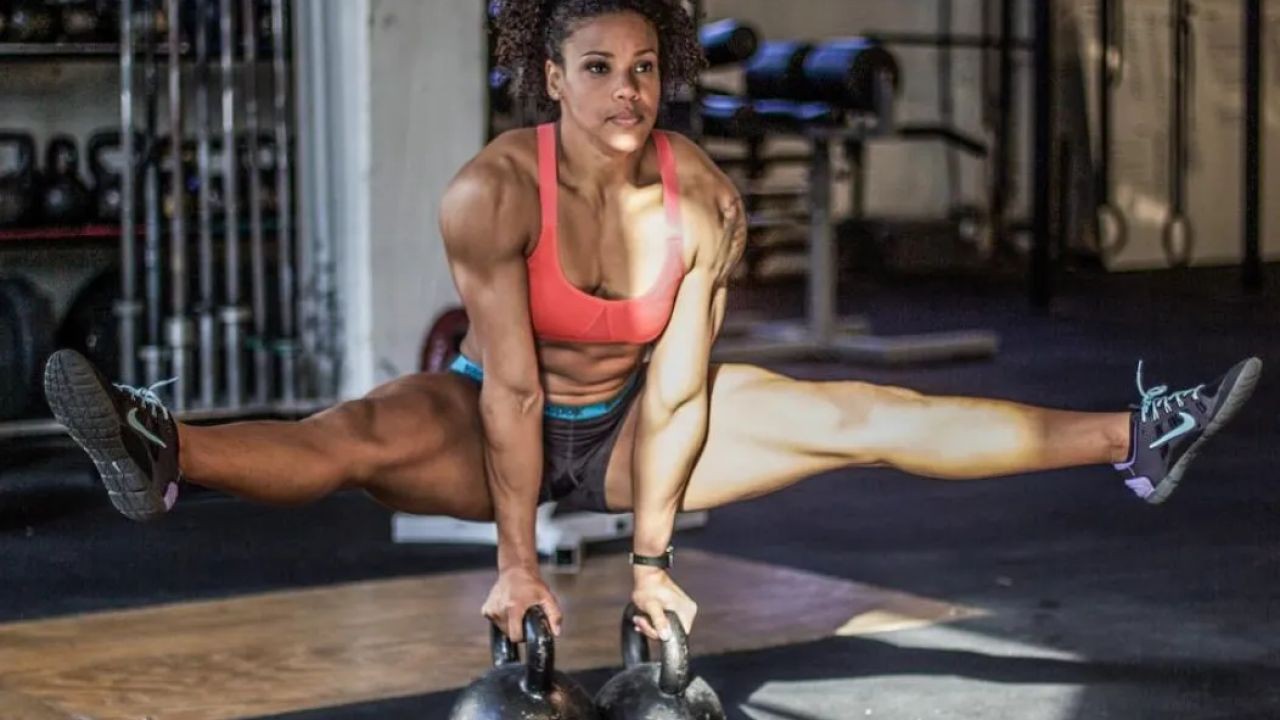
In a converted warehouse in Melbourne's inner north, the air is thick with the scent of sweat and the sound of clanging barbells. A dozen people, faces etched with determination, push through a timed workout of pull-ups, kettlebell swings, and box jumps. This is the world of CrossFit, a fitness phenomenon that has exploded across Australia, from metropolitan boxes to regional towns. Meanwhile, in a more traditional gym a few suburbs away, a powerlifter meticulously loads plates onto a barbell, focusing solely on adding five more kilograms to his squat. This is the domain of traditional weightlifting, a discipline built on incremental strength gains. The two camps often view each other with a mix of curiosity and skepticism, sparking a perennial debate: which method truly delivers superior results for the average Australian seeking fitness?
The Rise of Functional Fitness and the Enduring Strength Standard
The fitness landscape in Australia has undergone a seismic shift. According to the Australian Bureau of Statistics, over 60% of Australian adults participated in sport or physical activity at least once a week in 2022-23, with gyms and fitness centres being a primary venue. Within this ecosystem, CrossFit emerged as a disruptive force, championing high-intensity functional movement performed at high intensity. Its growth was fueled by a potent community ethos and competitive elements like the Open, creating a dedicated subculture.
Traditional weightlifting, encompassing powerlifting (squat, bench press, deadlift) and Olympic lifting (snatch, clean & jerk), represents the bedrock of strength sports. Its philosophy is purity of pursuit: get stronger in specific, measurable lifts. While it lacks the varied "workout of the day" (WOD) structure, its proponents argue it builds a foundation of raw, transferable strength more efficiently and with lower injury risk. The question of effectiveness hinges entirely on the definition of the goal. Is it maximal strength, cardiovascular endurance, body composition, or general athleticism?
Voices from the Gym Floor: Coaches and Physios Weigh In
To cut through the noise, we sought perspectives from those on the frontline of Australian fitness. Sarah Chen, head coach at a prominent CrossFit affiliate in Sydney, argues for holistic preparedness. "CrossFit's variance is its greatest strength. Life doesn't ask you to just squat heavy once. It asks you to lift a awkward couch, run for a bus, and then help a friend move boxes. Our programming prepares people for the unknown and unknowable physical demands of life, not just a gym PR."
Conversely, Dr. Liam Foster, a sports physiotherapist based in Brisbane who works with elite athletes and weekend warriors, urges caution. "From my clinical observations across Australian gyms, the injury presentation patterns differ. We see a higher rate of acute, technique-failure injuries in Olympic weightlifting, especially the shoulder and wrist. In CrossFit, we more frequently see overuse injuries—chronic shoulder impingement, lower back stress—from high-volume, high-intensity movements performed under fatigue. The 'for time' aspect can compromise form."
This is echoed by Mark "Tank" Richardson, a veteran Australian powerlifting coach. "The effectiveness of traditional weightlifting is its simplicity and measurability. You follow a proven linear or periodized program, you eat, you recover, and the weight on the bar goes up. It's a direct feedback loop. For building absolute strength and dense muscle mass, it's unparalleled. Many CrossFit athletes who hit strength plateaus come to us to run a dedicated 12-week powerlifting cycle, and their lifts skyrocket."
Reality Check for Australian Fitness Seekers
Much of the debate is clouded by polarised myths. Let's separate fact from common fiction.
Myth 1: CrossFit is inherently dangerous and leads to rhabdomyolysis. Reality: While extreme exertion can cause rhabdo in any activity, reputable Australian CrossFit boxes prioritise scaling and technique. The risk is not unique to CrossFit but to any poorly supervised, high-intensity training. Quality coaching is the critical differentiator.
Myth 2: Traditional weightlifting makes you slow and "bulky". Reality: This is a fundamental misunderstanding. Strength is the foundation for power (strength x speed). Increasing maximal strength through weightlifting can improve athletic performance in nearly every field. The "bulky" look is primarily a result of diet and specific hypertrophy programming, not strength training alone.
Myth 3: You must choose one or the other. Reality: This is the most costly strategic error. An intelligent hybrid approach is not only possible but optimal for many. Based on my work with Australian SMEs in the fitness industry, the most successful long-term athletes often periodise their training: a strength block focused on heavy lifts, followed by a metabolic conditioning block, or blending sessions within the week.
A Data-Driven Comparison: Pros and Cons
CrossFit: The High-Intensity Generalist
- Pros: Excellent for improving general physical preparedness (GPP), cardiovascular endurance, and agility. The community aspect boosts adherence and motivation. Workouts are constantly varied, reducing boredom.
- Cons: Higher risk of overuse injuries if not managed with adequate recovery. Performance can be inconsistent due to daily variance. Requires a high skill ceiling for complex movements like Olympic lifts, which can be risky under fatigue.
Traditional Weightlifting: The Strength Specialist
- Pros: Most efficient path to increasing maximal strength and raw power. Highly measurable progress. Technique for the core lifts is finite and can be mastered. Generally lower injury risk when performed with proper form outside of maximal attempts.
- Cons: Can neglect cardiovascular health and metabolic conditioning if not supplemented. May be perceived as monotonous. Lacks the varied, "full-body" functional application of mixed modal training.
The Australian Context: Practical Insights for Your Journey
Drawing on my experience supporting Australian companies in the wellness sector, the key is aligning the method with your personal lifestyle, goals, and access to quality coaching. For the time-poor professional in Perth seeking all-round fitness and camaraderie, a well-run CrossFit box could be ideal. For a rugby player in Newcastle needing to add raw power for the scrum, a periodised strength program is non-negotiable.
Dr. Foster offers a crucial, often overlooked insight: "The best fitness regimen is the one you can sustain consistently and recover from adequately. Australia's 'no worries' culture sometimes translates to ignoring niggles until they become injuries. Listen to your body. Invest in a good coach, whether it's a CrossFit Level 2 trainer or an ASCA-accredited strength coach. That's more important than the brand of training."
Future Trends: Blending, Technology, and Personalisation
The future of fitness in Australia is not about the dominance of one modality but intelligent integration. We are already seeing:
- Hybrid Programming: Apps and coaches offering programs that blend heavy strength days with shorter, sharper conditioning workouts, moving beyond tribal affiliations.
- Tech-Enhanced Recovery: Wider use of wearable data to monitor readiness, ensuring athletes don't under-recover from high-intensity sessions—a critical step in mitigating injury risk.
- Goal-Based Frameworks: A move towards goal-based rather than identity-based training ("I want to achieve X" vs. "I am a CrossFitter").
The most effective fitness strategy for any Australian will be personalised. It may involve cycles of traditional strength training to build a robust foundation, complemented by periods of CrossFit-style conditioning to test that strength under metabolic duress. The fanatical adherence to a single label is becoming obsolete.
Final Takeaway: Define Your "Effective"
The debate between CrossFit and traditional weightlifting is ultimately a false dichotomy. "Effective" is not a universal metric. It is personal.
- If your goal is broad, time-efficient fitness and community, a quality CrossFit gym is a compelling choice.
- If your goal is maximising pure strength, power, or muscle size, a traditional weightlifting focus is superior.
- For most, the optimal path lies in a smart blend, respecting the need for dedicated strength work and the value of varied, intense conditioning.
The most critical investment is not in a particular type of membership, but in expert coaching and your own education on movement and recovery. Visit a few local boxes and strength gyms, talk to the coaches, and ask about their philosophy on scaling, technique, and injury prevention. Your fitness journey is a marathon, not a WOD. Choose the path—or combination of paths—that keeps you healthy, motivated, and progressing for the long haul.
What’s your experience? Have you found more success with one methodology over the other in the Australian fitness scene? Share your insights and debates below.
People Also Ask
Is CrossFit suitable for beginners in Australia? Yes, but choosing the right box is crucial. Look for one with a mandatory, comprehensive fundamentals course, a strong emphasis on scaling workouts, and coaches who actively correct form. Avoid boxes that prioritise intensity over technique from day one.
Can traditional weightlifting help with weight loss? Absolutely. Building muscle through resistance training increases your basal metabolic rate, meaning you burn more calories at rest. While not as calorically demanding during the session as a MetCon, the long-term metabolic effect of added muscle mass is a powerful tool for body composition changes.
What are the typical costs for each in Australia? CrossFit memberships are typically premium, ranging from $55 to $85 per week for unlimited sessions in major cities. Traditional gym memberships with good strength equipment can be from $15-$30 per week, but hiring a dedicated strength coach (approx $80-$120/session) adds cost. Value depends on the level of coaching you require.
Related Search Queries
- CrossFit gyms near me Australia
- Powerlifting programs for beginners Australia
- CrossFit injuries statistics Australia
- Strength training vs HIIT for fat loss
- Best Olympic weightlifting coach Sydney Melbourne Brisbane
- CrossFit Open Australia results 2024
- How to start weightlifting Australia
- CrossFit community benefits mental health
- Powerlifting competitions Australia 2024
- Hybrid training program strength and conditioning
For the full context and strategies on CrossFit vs. Traditional Weightlifting – Which is More Effective? – How It’s Quietly Powering Australia’s Future, see our main guide: Government Policy Explainer Videos Australia.