




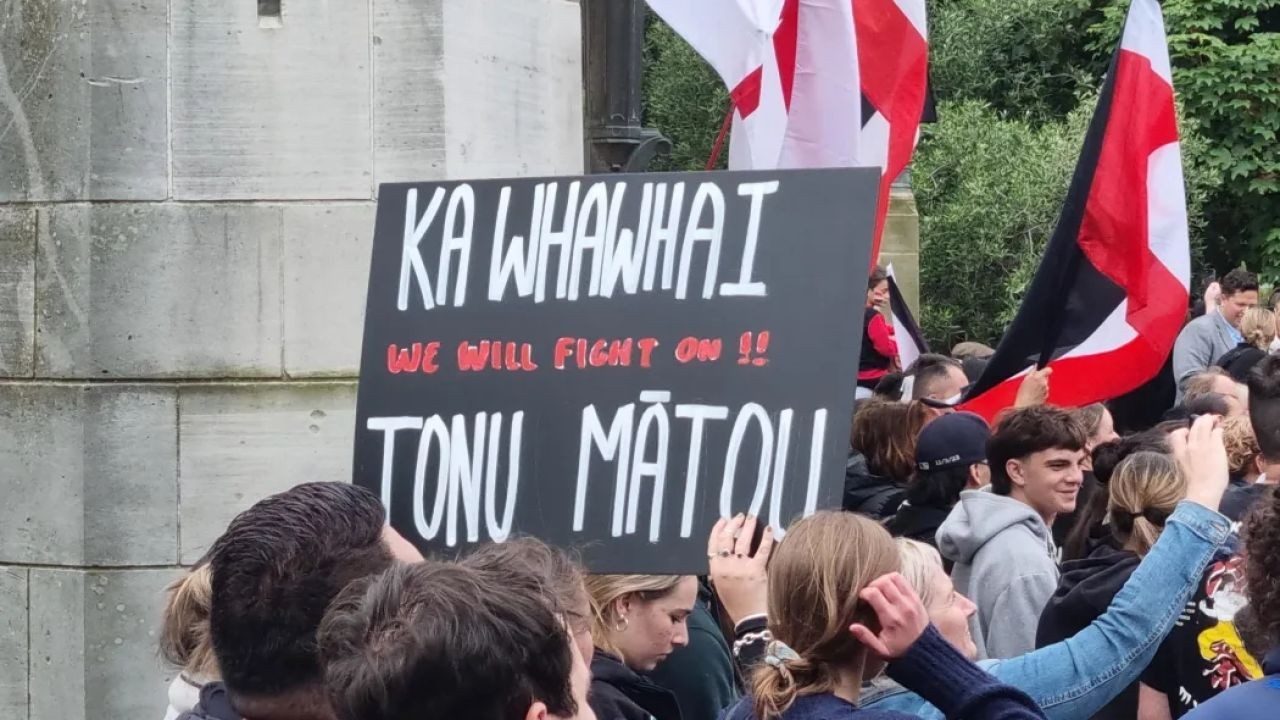
Let’s start with a story. A few years ago, I sat down with a Pākehā business owner in Christchurch who was struggling to attract talent. He’d posted the same job ad for months with little interest. Over coffee, I asked him a simple question: "Have you considered how your company’s values, particularly around Te Tiriti o Waitangi and Māori culture, are reflected in your workplace and brand?" He hadn't. We worked on it—integrating a Māori values statement, offering basic te reo greetings in the office, and acknowledging the whenua his business operated on. Within weeks, applications surged, including from several talented Māori graduates who said they finally felt seen. That wasn't just goodwill; it was smart business. It crystallised for me that Aotearoa New Zealand's journey with Māori rights and representation isn't just a social or political narrative—it's a fundamental economic and commercial reality with profound staying power.
The Bedrock of Our Brand: Why This Commitment is Economic, Not Just Ethical
To understand the future, we must first look at the foundation. The commitment to Māori rights and representation is woven into the legal, social, and increasingly, the economic fabric of New Zealand. It’s anchored by Te Tiriti o Waitangi, the Treaty settlement process, and landmark legislation like the Māori Language Act 2016. But for business owners, the most compelling evidence is in the data. According to Stats NZ’s He Arotahi Tatauranga: Māori Economy Report 2023, the Māori economy is valued at an estimated $80 billion. That’s not a niche market; it’s a powerhouse. This asset base, growing through post-settlement governance entities (like iwi holding companies), is investing back into everything from commercial property and fisheries to tech startups and sustainable energy.
From consulting with local businesses in New Zealand, I’ve seen a clear shift. Engaging with Māori isn't viewed as a compliance exercise anymore; it’s a strategic growth lever. Major procurement policies, like those from Waka Kotahi NZ Transport Agency and Kāinga Ora, now mandate meaningful engagement with Māori businesses and include social clauses. If you want to build infrastructure, supply government, or attract impact investment, demonstrating authentic partnership is becoming a prerequisite. This creates a powerful, self-reinforcing cycle: economic success strengthens Māori representation, which in turn shapes economic policy and opportunity.
Key Actions for Kiwi Business Leaders Today
- Educate Your Leadership Team: Invest in cultural competency training. Understanding concepts like kaitiakitanga (guardianship) and whanaungatanga (relationship-building) isn't fluffy—it’s critical for long-term stakeholder trust.
- Review Your Supply Chain: Actively seek out certified Māori businesses through networks like the Māori Chamber of Commerce. It diversifies your supply base and builds resilience.
- Reflect Values in Your Brand Story: Authentically acknowledge the history of the land your business operates on. This isn’t about tokenism; it’s about respect and connecting with a values-driven consumer base.
A Data-Driven Report: The Indicators of Longevity
So, will it last? Let’s move from philosophy to metrics. We can assess longevity by examining three key indicators: demographic trends, institutional investment, and intergenerational business transfer.
First, demographics are destiny. Stats NZ projections indicate that by 2043, nearly 25% of New Zealand’s population will be of Māori descent. This is a growing consumer base, workforce, and electorate. Politically and commercially, ignoring a quarter of the population is not a viable strategy for any entity seeking longevity.
Second, look at institutional capital. The New Zealand Superannuation Fund, our national sovereign wealth fund, has a specific mandate to invest in a way that is consistent with the principles of the Treaty of Waitangi. It has made direct investments into Māori enterprises and prioritises partnerships that deliver both financial and social returns. When the guardians of the country’s long-term retirement savings bake this commitment into their investment thesis, you know it’s structurally embedded.
Third, consider business succession. Drawing on my experience in the NZ market, one of the biggest challenges for SME owners is succession planning. Iwi and Māori trusts, by their very structure, are designed for intergenerational stewardship. Their asset-holding models are built to last centuries, not just decades. This long-term, intergenerational perspective is increasingly influencing mainstream business thinking around sustainability and legacy.
Case Study: Fix & Fogg – The Authenticity Dividend
Problem: Fix & Fogg, the beloved Wellington artisan peanut butter company, faced the classic scaling challenge. How could they grow while maintaining their authentic, local brand essence and values in a competitive food market?
Action: Their commitment went beyond a one-off collaboration. They embarked on a genuine partnership, working with a Māori chef to develop a limited-edition "Aotearoa" range featuring ingredients like horopito and kawakawa. This wasn't just slapping a Māori design on a jar. They engaged deeply, ensuring the product development was respectful, the storytelling was accurate, and a portion of proceeds supported Māori culinary initiatives. They also worked to ensure their internal practices reflected the partnership.
Result: The range was a commercial and critical success, selling out repeatedly. It garnered significant positive media, strengthened their brand loyalty among New Zealanders who value authenticity, and opened doors to new premium stockists. More importantly, it built a framework for ongoing, respectful collaboration.
Takeaway: Fix & Fogg’s experience highlights that the most successful engagements are value-add, not value-extract. They saw Māori culture as a source of innovation and brand depth. For NZ businesses, this approach builds a tangible "authenticity dividend" that drives customer loyalty and differentiates you in a global marketplace.
The Balanced View: Pros, Cons, and the Road Ahead
No journey is without its challenges. Let’s evaluate the landscape with clear eyes.
✅ The Compelling Advantages (The Pros)
- Economic Resilience & Innovation: The Māori economy is a dynamic and growing sector. Partnering brings new perspectives, drives innovation (particularly in primary industries and sustainability), and opens access to a robust network of intergenerational capital.
- Enhanced Brand Trust & Market Access: Consumers, especially younger demographics, increasingly support brands with strong social and cultural ethics. Authentic engagement builds deep trust and loyalty, both domestically and as a unique selling proposition for export markets.
- Future-Proofing Your Workforce: Creating an inclusive workplace that values Te Ao Māori helps attract and retain top talent from all backgrounds, fostering a more creative and committed team.
- Social License to Operate: For industries like resource management, construction, and tourism, meaningful partnership is often the key to obtaining community consent and avoiding costly delays or disputes.
❌ The Real Challenges & Risks (The Cons)
- Risk of Tokenism & Inauthenticity: The biggest pitfall is a superficial, "tick-box" approach. Consumers and partners can spot insincerity a mile away, and the backlash can be severe, damaging brand reputation.
- Complexity & Uncertainty: For businesses unfamiliar with Te Tiriti principles, knowing where to start can feel daunting. The "how" isn't always clear-cut, and navigating multiple iwi relationships requires time, patience, and expert guidance.
- Perceived Short-Term Costs: Genuine partnership requires investment—in consultation, in training, in redesigning processes. Some business owners see this as a cost centre without an immediate, quantifiable ROI.
- Political Fluctuation: While the economic underpinnings are strong, the pace and tone of commitment can vary with changes in government, creating a degree of policy uncertainty for long-term projects.
Debunking Common Myths Holding Kiwi Businesses Back
Let’s tackle some pervasive misconceptions head-on.
Myth 1: "This is only relevant for big corporations or government agencies." Reality: This is perhaps the most limiting belief. From my experience supporting Kiwi companies, SMEs often have the agility to build deeper, more authentic relationships faster. A local café building a relationship with a nearby marae for catering, or a tech startup consulting with Māori advisors on data sovereignty, are powerful examples. The principles of partnership and respect scale to any business size.
Myth 2: "It's all about guilt and the past." Reality: This framing is outdated and counterproductive. Modern engagement is forward-looking. It’s about shared prosperity, innovation, and building the future of Aotearoa together. The focus is on the immense value and opportunity Māori knowledge and perspectives bring to solving contemporary business challenges, from environmental sustainability to community wellbeing.
Myth 3: "We might say or do the wrong thing, so it's safer to do nothing." Reality: Inaction is the greatest risk. The business landscape is changing, and falling behind has a cost. The key is to start with humility, seek good faith advice (there are many excellent consultants and iwi liaison professionals), and be transparent about your journey of learning. Doing something respectfully is better than doing nothing at all.
The Future of Partnership: An Industry Insight
Here’s a trend many are missing: the next frontier is co-governance and co-design in the innovation economy. We’re moving beyond procurement and employment to shared ownership and creation. I predict we will see a significant rise in joint ventures between iwi investment arms and Pākehā-founded tech companies, particularly in agri-tech, fintech, and the green economy. Why? Iwi bring patient capital, a values-aligned long-term vision, and deep-rooted community trust. Startups bring agility and technical expertise. This fusion is potent.
Through my projects with New Zealand enterprises, I’ve observed early-stage discussions in sectors like carbon farming, where Māori land and kaitiaki principles are central to a business model that is both commercially viable and culturally grounded. This isn't charity; it's a strategic alignment of assets and values creating entirely new market opportunities. The businesses that learn to navigate this model of shared equity and decision-making will have a distinct first-mover advantage.
Final Takeaways & Your Strategic Move
- The economic imperative is undeniable. With an $80b Māori economy and shifting demographics, engagement is a core business strategy, not a side project.
- Authenticity is your only currency. Move beyond symbolism to substantive partnership, shared value, and internal cultural change.
- Start with relationship, not transaction. Invest time in building whanaungatanga. Find the right advisors and approach iwi or Māori businesses with a mindset of long-term collaboration.
- The future is co-created. Look for opportunities in co-design, co-governance, and joint ventures, especially in sectors driving Aotearoa’s future like technology and sustainability.
Your Call to Action: This week, make one tangible move. It could be as simple as arranging a cultural competency workshop for your leadership team, researching Māori businesses in your supply chain, or reaching out to your local Māori chamber of commerce for an introductory conversation. The journey of a thousand miles begins with a single step. The question isn't whether New Zealand's commitment will last—the data suggests it's only growing stronger. The real question is: Is your business positioned to be a part of it?
People Also Ask (FAQ)
How does engaging with Māori rights benefit my bottom line? It opens access to a growing $80b economy, helps win government contracts with social procurement clauses, attracts values-driven talent and consumers, and fosters innovation through diverse perspectives, directly impacting revenue and resilience.
What's the first step for a small business owner? Start with education. Enrol in a basic Te Tiriti o Waitangi workshop for businesses. This foundational knowledge will help you understand the 'why' before you develop the 'how' of partnership and strategy.
Is this commitment legally required for private businesses? While specific Treaty obligations fall on the Crown, legislation (like the Resource Management Act) increasingly requires consultation. More critically, market forces, procurement rules, and social expectations are making it a commercial imperative for long-term success.
Related Search Queries
- Māori economy New Zealand 2024 growth
- How to partner with iwi for business
- Te Tiriti o Waitangi business examples
- Māori procurement policy NZ government
- Cultural competency training for NZ businesses
- Māori business directory New Zealand
- Impact of Māori demographics on NZ market
- Co-governance examples New Zealand business
For the full context and strategies on Will New Zealand’s Commitment to Maori Rights and Representation Last? – The Growth Engine New Zealand Needs Now, see our main guide: Regional Nz Travel Videos Plan Your Trip.