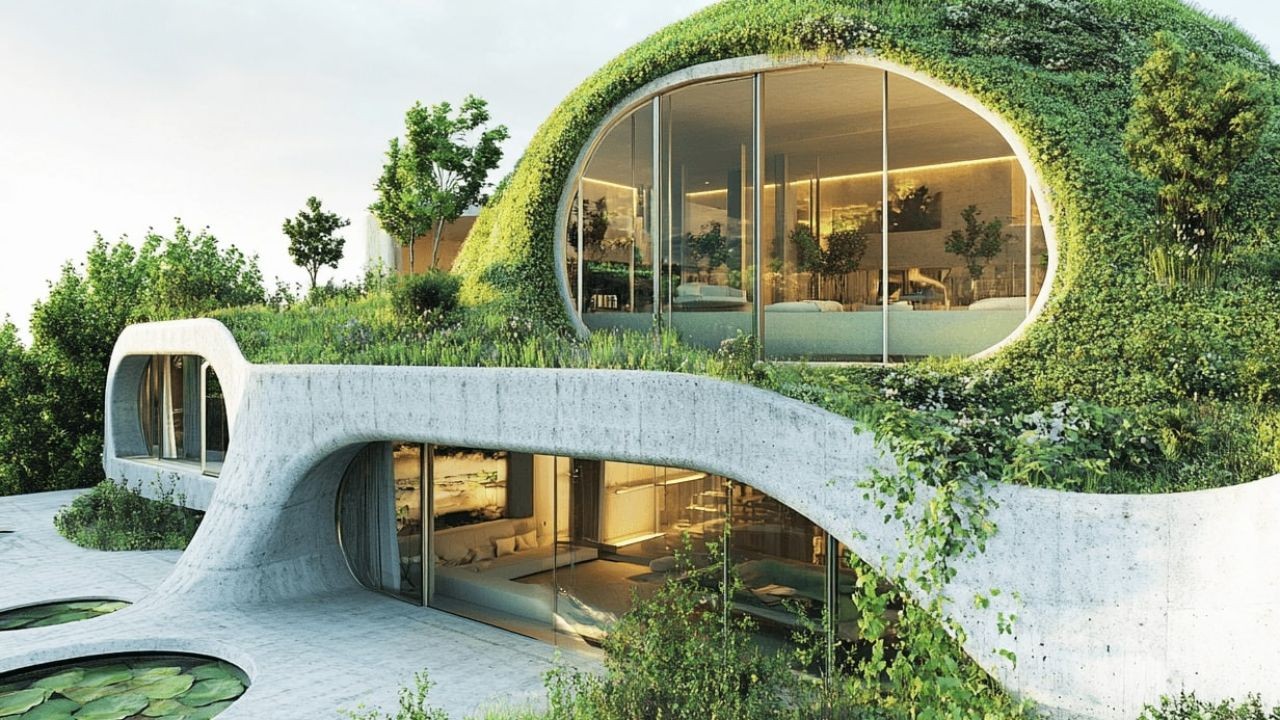





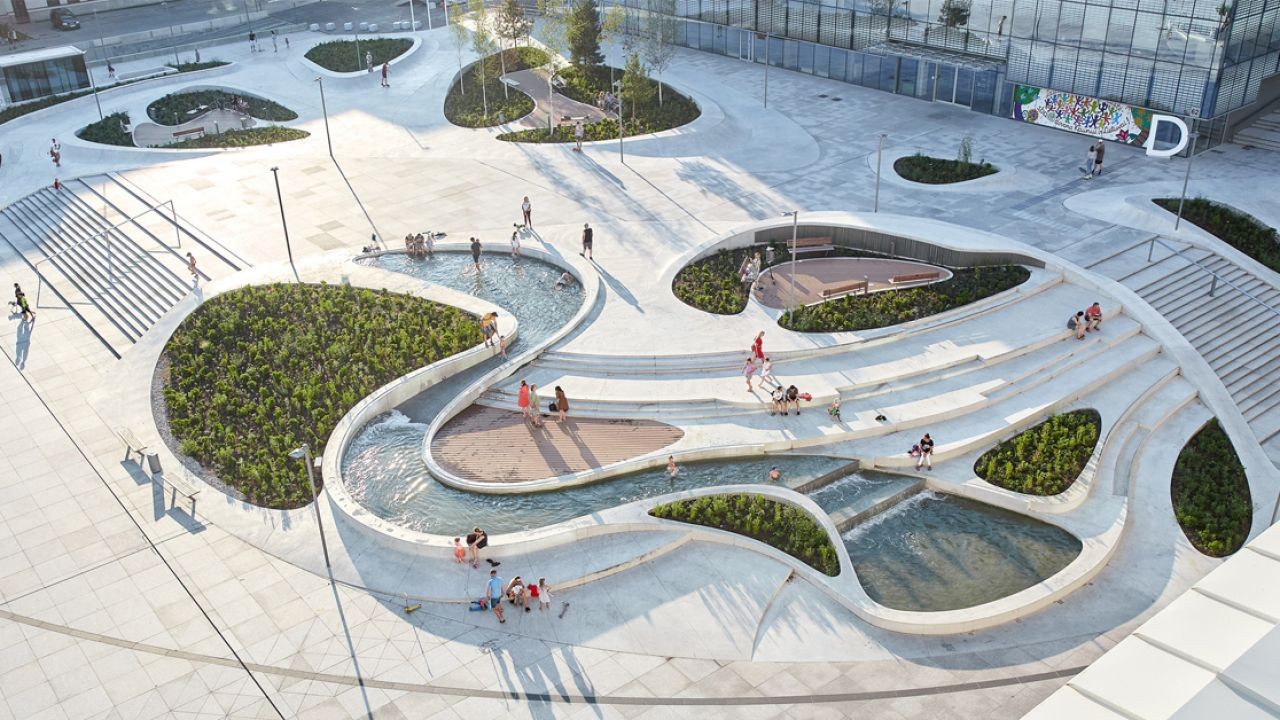
Walk through any major New Zealand city today, and you’ll witness an urban fabric under immense, contradictory strain. On one side, a profound housing crisis, with Stats NZ data showing a national deficit of tens of thousands of homes, pushes for rapid, high-density development. On the other, the escalating realities of climate change—from increased flood risk to urban heat islands—demand a built environment of extraordinary resilience and low carbon footprint. This is the crucible in which the future of New Zealand’s urban architecture is being forged. It will not be a future defined by a singular, iconic style, but by a fundamental re-engineering of purpose: from creating spaces of mere occupancy to crafting adaptive, regenerative systems that are deeply integrated with Aotearoa’s unique ecological and cultural landscape. The era of the generic, internationally styled glass tower is ending; the age of the context-specific, climate-responsive, and culturally grounded building is beginning.
The Imperative for a Paradigm Shift: Beyond Greenwashing
For decades, sustainable architecture in New Zealand, as elsewhere, has often been a game of incremental improvements—better insulation, double-glazing, perhaps a solar panel. This is no longer sufficient. The Ministry for the Environment’s latest climate change projections paint a stark picture: more extreme rainfall in the west and south, increased drought in the east, and sea-level rise threatening coastal communities. Our urban centres, largely built for a more benign climate, are dangerously exposed. The future of architecture here is not about sustainability as an add-on, but about resilience as a core design principle. This means moving beyond the narrow metric of ‘operational carbon’ (energy used to run a building) to fully embrace ‘embodied carbon’ (carbon emitted in producing materials and constructing the building). In practice, with NZ-based teams I’ve advised, this is triggering a fundamental reassessment of material supply chains, favouring locally sourced, low-carbon materials like engineered timber, hempcrete, and rammed earth over imported steel and concrete.
Key actions for Kiwi developers and councils:
- Adopt Whole-of-Life Carbon Accounting: Demand lifecycle assessments (LCAs) for all major developments, prioritising projects with verified low embodied carbon.
- Revise District Plans: Local councils must urgently update planning rules to incentivise low-carbon materials and passive design, not just density.
- Invest in Local Material Innovation: Support scaling up of New Zealand’s cross-laminated timber (CLT) and other bio-based material industries to replace imports.
Case Study: The Te Kāhui Whaihanga Resurgence – Beyond Aesthetic Māori Motifs
A profound and often misunderstood trend is the authentic integration of mātauranga Māori (Māori knowledge) into urban design, moving far beyond superficial cultural referencing. This isn't about putting a koru pattern on a glass façade; it's about embedding Māori worldviews into the spatial and environmental logic of a place.
Problem: Urban development in New Zealand has historically followed Western planning models, often severing the connection to whenua (land) and failing to reflect the mana (authority, prestige) and kaitiakitanga (guardianship) of local iwi. This results in places that feel placeless and are often environmentally dysfunctional.
Action: Projects like the award-winning Te Pūtahi – Christchurch Central Library and the masterplan for the Whenua Haumanu development in Auckland’s Northcote are leading a new approach. Here, iwi are not just consulted but are co-design partners from inception. Design principles are rooted in pūrākau (ancestral narratives), whakapapa (genealogical connections to the land), and traditional environmental knowledge. This can manifest as building orientations aligned with Matariki, landscape designs that manage stormwater through native raupō wetlands mimicking traditional practices, and spatial layouts that reflect marae atea (the open space for gathering).
Result: The outcomes are multifaceted. Environmentally, these projects often achieve superior ecological performance by working with natural systems. Socially, they create a deep sense of place and belonging for all residents, not just Māori. Economically, they can streamline consenting processes through early and meaningful partnership, reducing delays. The key metric is cultural and environmental integrity, which in turn drives community buy-in and long-term value.
Takeaway: This case study demonstrates that the most innovative and resilient urban architecture in New Zealand’s future will be that which successfully synthesises cutting-edge technology with deep, place-based knowledge. Drawing on my experience in the NZ market, I see the developers and councils who embrace this genuine partnership model not only fulfilling their Te Tiriti obligations but also future-proofing their assets against social and environmental risk.
The Density Dilemma: Building Up vs. Building Well
The national push for density, driven by the Urban Development Act and the Housing Acceleration Fund, is undeniable. However, a critical debate is raging: is the current model of high-density development actually creating the resilient, liveable cities we need? The prevailing approach often delivers sheer vertical volume but fails on nearly every other metric of urban well-being.
✅ The Advocate View: Density is Non-Negotiable
Proponents argue that intensification is the only logical response to the housing crisis and a cornerstone of climate action. Dense, transit-oriented development reduces urban sprawl, protects productive land, and lowers per-capita carbon emissions from transport. From observing trends across Kiwi businesses, the construction sector is tooling up for this reality, with prefabrication and modular construction gaining traction to build quality homes faster at scale. The financial models, supported by government funding, are finally aligning to make medium-density developments viable.
❌ The Critic View: We’re Building the Wrong Density
Critics, including many urban designers and environmental researchers, see a disaster in the making. They point to poorly designed, monolithic apartment blocks with minimal sunlight, inadequate green space, poor cross-ventilation (leading to mould and reliance on energy-hungry dehumidifiers), and no community facilities. This isn’t density; it’s overcrowding in a climate-insecure box. It locks in high embodied carbon through concrete construction and creates urban heat islands with excessive hard surfaces. The financialisation of housing drives this model, prioritising investor returns over resident well-being and long-term resilience.
⚖️ The Middle Ground: The ‘Missing Middle’ and the 15-Minute City
The solution lies not in abandoning density, but in radically redefining its form. The future must embrace the ‘missing middle’—terrace housing, low-rise apartments, courtyard homes, and walk-up flats that provide density at a human scale. This must be integrated with the ‘15-minute city’ concept, where all daily needs are within a short walk or cycle. Based on my work with NZ SMEs in the planning sector, this requires a regulatory revolution: replacing single-use zoning with mixed-use codes, mandating generous interior and exterior green space per dwelling, and enforcing stringent sunlight access and passive ventilation standards. Density must be designed for well-being, not just maximised yield.
The Materials Revolution: Timber, Tech, and Circularity
The most tangible shift in our future skyline will be in its very substance. Concrete and steel, the titans of 20th-century construction, are being dethroned by their carbon footprint. The future is bio-based, smart, and circular.
- Mass Timber: New Zealand’s planted forest estate is a strategic national asset. Engineered timber products like Glulam and CLT allow for the construction of tall, strong, and beautiful buildings that sequester carbon. The recent changes to the building code allowing timber construction up to 12 storeys are a game-changer. Projects like the 10-storey Hautu building in Wellington are proving the commercial and aesthetic case.
- Smart and Adaptive Materials: Buildings will become dynamic organisms. Phase-change materials in walls will absorb heat during the day and release it at night. Electrochromic glass will tint automatically to control solar gain. Mycelium-based insulation will grow into structural forms and compost at end-of-life.
- The Circular Economy: ‘Demolition’ will become ‘deconstruction.’ Design for disassembly (DfD) will be standard, with buildings conceived as material banks. Having worked with multiple NZ startups in this space, I see huge potential for digital material passports—blockchain-ledgered records of every component’s origin and composition—to create a secondary market for building parts, drastically reducing waste and virgin material demand.
Common Myths & Mistakes in Future Urban Planning
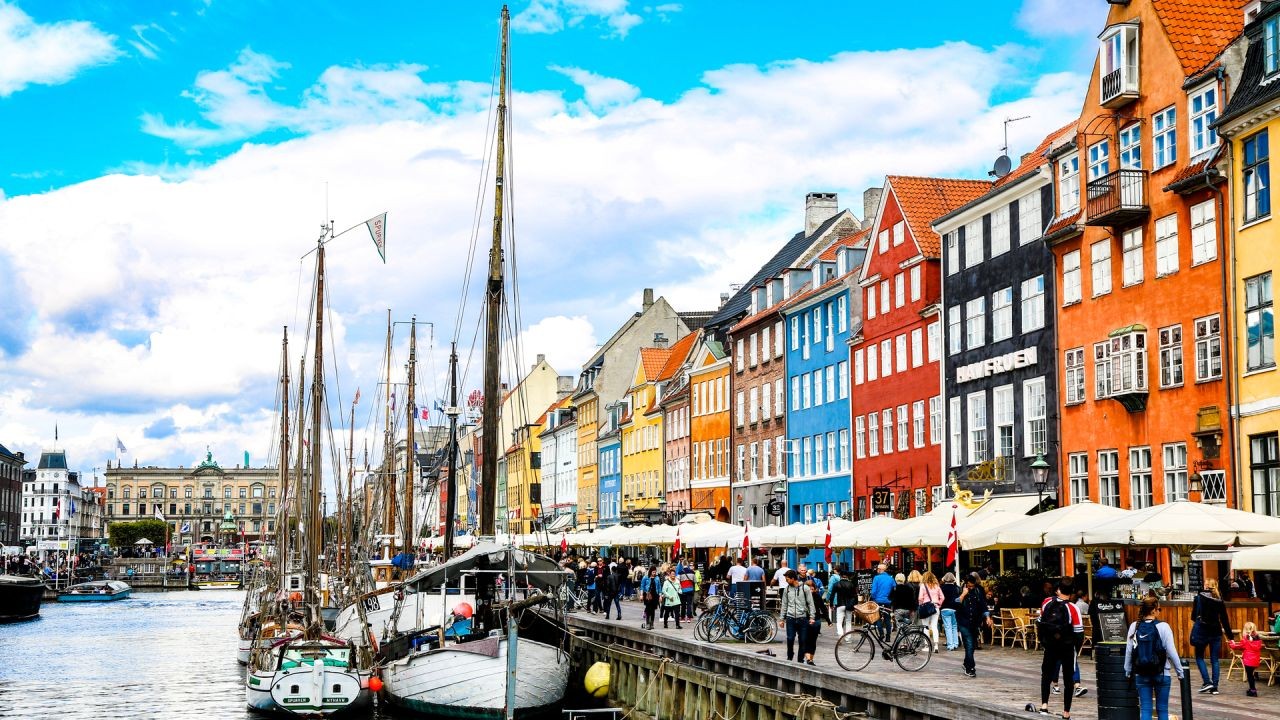
Myth 1: “Dense cities are inherently unsustainable and unpleasant.” Reality: Well-designed density is the most sustainable urban form. The problem is poor design, not density itself. European cities like Vienna and Copenhagen show that high-density living can offer exceptional quality of life, abundant green space, and low environmental impact when planned with people and climate as the central focus.
Myth 2: “Timber buildings are a fire risk and won’t last.” Reality: Mass timber performs exceptionally well in fire. Large structural members char on the outside, forming a protective layer that insulates the inner wood, maintaining structural integrity often longer than steel, which can buckle under high heat. Modern treatments and design ensure durability for centuries.
Myth 3: “Integrating Māori design principles is just a cultural ‘nice-to-have’ that complicates projects.” Reality: As the case studies show, it is a source of profound technical and social innovation. It leads to better environmental outcomes, stronger community acceptance, and can de-risk projects by aligning them with deeper values of place and guardianship, ultimately creating more valuable and resilient assets.
Myth 4: “Retrofitting our existing building stock is too hard; we should focus only on new builds.” Reality: This is a catastrophic mistake. New Zealand’s existing building stock represents a vast sunk carbon cost and will constitute the majority of our buildings in 2050. A national, well-funded retrofit programme—focusing on insulation, efficient heating, and renewable energy—is the single most impactful action for reducing our built environment emissions. Ignoring it condemns us to a legacy of inefficient, unhealthy homes.
A Controversial Take: The Demise of the Private Car Will Dictate Urban Form
Here is the most powerful, yet often unstated, driver of future urban architecture: the rapid erosion of the economic and social case for private car ownership in cities. As congestion charging, parking restrictions, and low-emission zones become political inevitabilities, and as Mobility-as-a-Service (MaaS) apps offer cheaper, more convenient alternatives, the vast spaces dedicated to cars—roads, parking buildings, driveways, and garages—will be seen as the greatest urban land waste of our time.
The future city will reclaim this space. Parking buildings will be retrofitted into housing or vertical farms. Street lanes will become dedicated cycleways, green tram lines, and linear parks. The typical suburban section, currently dominated by a concrete driveway and a large garage, will be repurposed for productive gardens, ancillary dwellings, and community spaces. This isn’t a fringe green ideal; it’s an economic imperative. The value of land is too high, and the cost of car infrastructure too great, to sustain the 20th-century model. Through my projects with New Zealand enterprises in transport and property, I see the forward-thinking ones already pivoting their investment models away from car-centric retail and office parks towards transit-oriented, mixed-use hubs where the premium is on walkability, not parking ratios.
Future Trends & Predictions: A 2030 Snapshot
- Regulatory Dominance: By 2030, a ‘Carbon Cap’ for building consents will be standard across major councils, limiting the embodied carbon per square metre. The Building Code will mandate climate adaptation features like raised floor levels in flood zones and passive cooling.
- AI-Driven Design: Generative AI will be used by architects to run millions of simulations for site-specific conditions—optimising for sunlight, wind, energy use, and views—producing hyper-efficient, bespoke designs that are currently impossible.
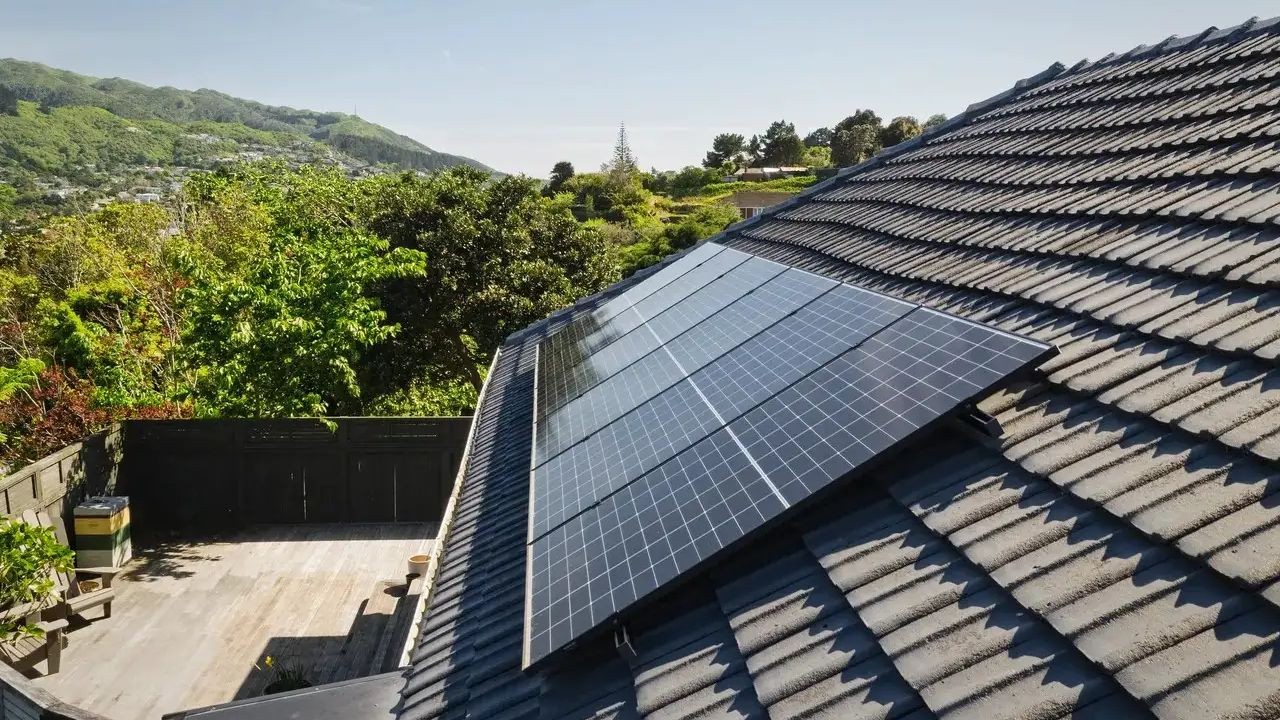
- Productive Skylines: Rooftops will be mandatory productive zones. We’ll see integrated photovoltaic systems, urban food forests, and insect hotels as standard, turning buildings into net contributors to urban ecology and food security.
- Data as a Utility: Buildings will have a real-time ‘health dashboard’ monitoring energy, water, air quality, and structural integrity, with predictive maintenance becoming the norm, managed by AI facility managers.
Final Takeaways & Call to Action
The future of New Zealand’s urban architecture is not a distant speculation; it is being decided in council planning meetings, developer boardrooms, and design studios today. It is a future that demands courage to move beyond short-term, yield-driven models towards a legacy of resilient, beautiful, and equitable places.
For Industry Professionals: Your next professional development must be in low-carbon materials, regenerative design, and authentic engagement with mana whenua. Stop benchmarking against outdated local norms; look to global leaders in climate-ready design.
For Policymakers: Be bold. Use the levers of zoning, consenting, and public investment to mandate the future we need. The cost of inaction—in climate disasters, social inequity, and stranded assets—will be infinitely greater.
For the Public: Demand better. When evaluating a new development, ask about its embodied carbon, its shading in summer, its stormwater management, and its partnership with iwi. We are not just buyers of space; we are inhabitants of an ecosystem.
The question is no longer what the future will look like, but who has the vision and will to build it. The blueprint for a truly resilient Aotearoa exists in the intersection of science, technology, and mātauranga. It’s time to start constructing.
People Also Ask (FAQ)
How will climate change directly influence building codes in New Zealand? Expect mandatory raised floor levels in flood-prone areas, stricter requirements for passive ventilation to reduce reliance on air conditioning, and enforced urban greening standards to mitigate heat island effects. The Ministry of Business, Innovation and Employment (MBIE) is already reviewing the Building Code for climate adaptation.
Is engineered timber strong enough for New Zealand’s seismic activity? Yes. Mass timber is lightweight and ductile, offering excellent seismic performance. Its natural flexibility allows it to absorb and dissipate earthquake energy effectively, often outperforming more brittle materials. New Zealand-led research and engineering in this field is world-leading.
What is the single biggest barrier to achieving this sustainable urban future? Short-term financial models and valuation methods that fail to account for long-term climate risk, occupant health, and social value. Changing this requires aligning the interests of investors, developers, and insurers with resilience metrics, moving beyond simple cost-per-square-metre calculations.
Related Search Queries
- New Zealand mass timber building code changes 2024
- Cost of building a passive house in NZ
- Māori co-design architecture examples Auckland
- Climate change adaptation building standards NZ
- Circular economy construction New Zealand
- 15-minute city concept Wellington
- Embodied carbon calculator NZ building materials
- Retrofitting old NZ homes for climate change
- Sea level rise risk map NZ property
- Best sustainable architecture firms New Zealand
For the full context and strategies on What Will the Future of New Zealand’s Urban Architecture Look Like? – How It’s Shaping New Zealand’s Future, see our main guide: Community Guidelines That Reflect Kiwi Values.