




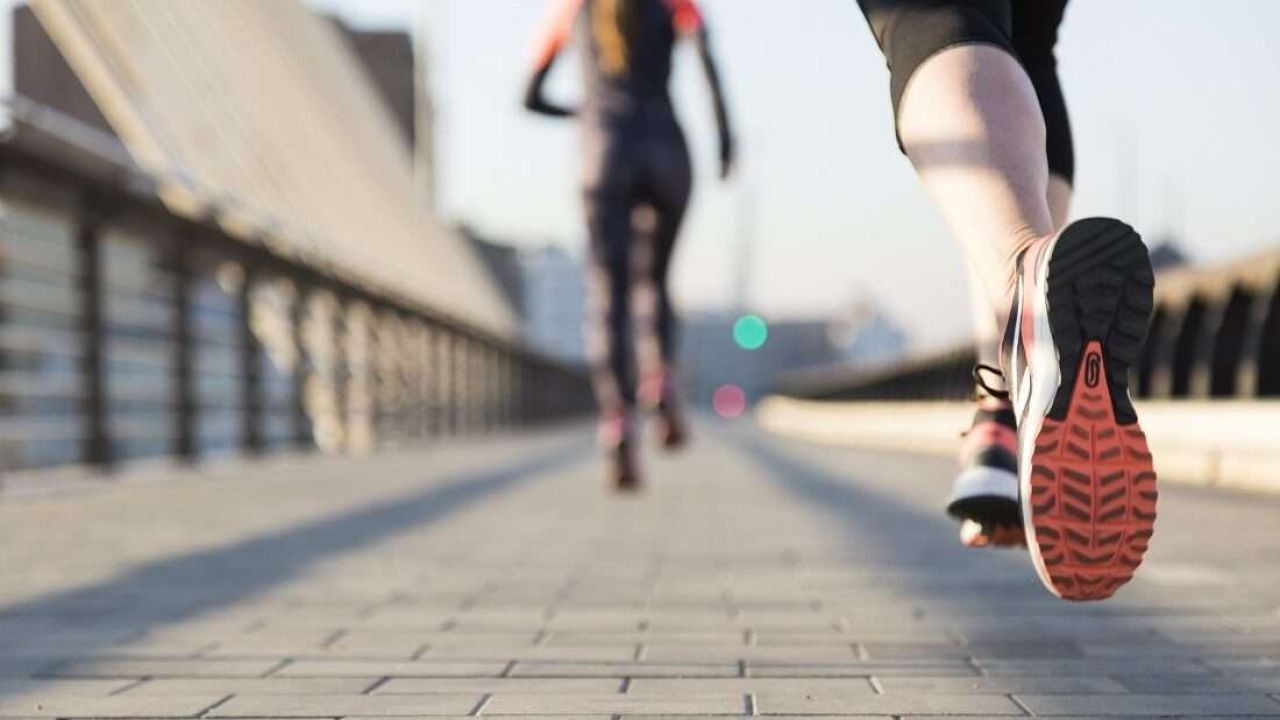
Running is often sold as the ultimate accessible fitness hack: a pair of shoes, an open path, and you're on your way to better health. Yet, this narrative of simplicity is a dangerous oversimplification. In Australia, where over 2.3 million people participate in running or athletics according to the Australian Bureau of Statistics, we are witnessing a parallel epidemic of preventable, repetitive strain injuries. The problem isn't running itself; it's the flawed biomechanical and technological dogma that surrounds it. As a tech commentator, I see a market flooded with gadgets promising form correction and data-driven perfection, yet knee pain remains the most common complaint sidelining runners. This isn't a biological inevitability; it's a systemic failure of education and a critical misapplication of technology.
The High-Tech Hubris: Data Without Context
The first, and perhaps most insidious, mistake is the blind faith in wearable data as a diagnostic tool. The modern runner is a sensor-laden data point, tracking cadence, ground contact time, vertical oscillation, and stride length with religious fervor. The assumption is that by optimising these metrics towards an arbitrary "ideal," injury risk vanishes. This is a profound misunderstanding. These devices measure output, not cause. A watch can tell you your cadence is 160 steps per minute, but it cannot diagnose the weak gluteus medius that is causing your hip to drop and your knee to cave inward with every step—the true precursor to patellofemoral pain syndrome.
From observing trends across Australian businesses, including the burgeoning fitness tech sector, I see a pattern of solutionism: selling complex data as an answer to a problem it doesn't fully understand. A runner sees "low cadence" on their app and forcibly shortens their stride, often overloading different tissues without fixing the underlying muscular imbalance. The actionable insight here is stark: treat your wearable data as a compass, not a map. It can indicate a direction for inquiry ("why is my cadence inconsistent on hills?") but should never replace a professional biomechanical assessment from a qualified physiotherapist or exercise physiologist, many of whom now use advanced motion capture technology far superior to your wristwatch.
Where Most Brands Go Wrong: The Cushioning Fallacy
The second critical error is embedded in a multi-billion dollar global industry: the myth of maximal cushioning as protection. Marketing departments have convinced a generation that the path to knee safety is through ever-thicker, more engineered midsoles that "absorb shock." This is a classic case of treating a symptom while ignoring the root cause. The human body is an adaptive system; when you insulate it from ground force feedback with excessive cushioning, you disrupt the proprioceptive chain. The foot and ankle become passive passengers, and the kinetic load is often transferred unpredictably to the knees and hips.
The data actually contradicts the marketing. A 2023 systematic review published in the Journal of Science and Medicine in Sport, based partly on research from Australian sports institutes, found no conclusive evidence that highly cushioned shoes reduce injury rates. In some cohorts, injury incidence was higher. The reality is that cushioning can encourage a heavier, more forceful heel-strike—a gait pattern associated with higher impact transients through the skeletal system. The Australian takeaway is not to ditch cushioning entirely, but to understand its role. It's for comfort over long distances on hard surfaces, not for biomechanical correction. Rotating shoe types—including a less cushioned, more "ground-feel" option for shorter runs—can promote muscular resilience and better form.
1. Ignoring Proper Running Form
A major contributor to knee stress is poor biomechanics. Common issues include overstriding, excessive inward knee collapse, or landing too heavily on the heels. These movements increase pressure on the patellofemoral joint, potentially leading to pain and inflammation.
Australian physiotherapists often note that recreational runners underestimate the impact of form on long-term joint health. Unlike elite athletes, everyday Australians may lack access to gait analysis or professional coaching, relying instead on habits developed over years. Small adjustments, such as maintaining upright posture, mid-foot landing, and controlled cadence, can reduce knee strain dramatically.
2. Ramping Up Mileage Too Quickly
Progressive training is essential to build endurance safely. One common mistake is increasing weekly mileage or intensity too quickly, which overloads ligaments, cartilage, and tendons surrounding the knee.
In the Australian context, weekend runners who participate in multiple parkruns, charity events, or training for city marathons often face this risk. Overuse injuries like patellar tendinopathy or runner’s knee are particularly prevalent among adults juggling work, family, and fitness goals. Experts recommend a “10 per cent rule” for increasing distance, but individual physiology should guide progression to avoid knee damage.
3. Neglecting Strength and Conditioning
Knee health is not just about running; it depends on surrounding muscle strength. Weak quadriceps, hamstrings, glutes, and hip stabilisers contribute to misalignment and joint strain.
Many Australians focus solely on cardiovascular fitness, overlooking the role of targeted strength exercises in preventing knee injuries. Incorporating resistance training, balance exercises, and hip stability routines can stabilise the knee, distribute load evenly, and reduce impact during runs. Physiotherapists in urban clinics across Melbourne and Sydney increasingly stress this as part of a holistic running program.
4. Wearing Worn or Inappropriate Footwear
Shoes are the interface between the foot and ground. Running in worn-out trainers, ill-fitting shoes, or footwear inappropriate for an individual’s gait type can increase stress on knees.
Australian terrain diversity—from concrete footpaths in Perth to uneven trails in the Blue Mountains—amplifies this risk. For example, runners on hard urban surfaces may require cushioning and stability, while trail runners benefit from shoes designed for uneven, rocky terrain. Regularly replacing footwear and selecting shoes tailored to personal biomechanics can prevent repetitive strain injuries.
5. Skipping Recovery and Cross-Training
Recovery is often undervalued by recreational runners. Inadequate rest, insufficient sleep, or skipping active recovery days can exacerbate knee strain, while neglecting complementary exercises like swimming, cycling, or yoga limits joint resilience.
Australian lifestyles, particularly in busy cities, can make structured recovery difficult. Overtraining without allowing tissue repair leads to chronic knee pain and increases the likelihood of long-term degenerative issues, such as osteoarthritis. Integrating rest, stretching, and low-impact cross-training is crucial for maintaining knee integrity over time.
The Broader Implications for Everyday Australians
Knee injuries extend beyond running. They affect daily mobility, participation in social and recreational activities, and workplace productivity. For adults juggling office work, parenting, or part-time jobs, knee pain can limit commuting options, recreational exercise, and even routine tasks such as climbing stairs or carrying groceries.
Urban healthcare providers, physiotherapists, and sports medicine specialists note that early intervention and preventative measures are far more effective—and cost-efficient—than treating chronic joint conditions later in life. Addressing running mistakes proactively can preserve knee function and reduce the likelihood of long-term medical interventions.
Preventative Strategies and Practical Advice
Everyday Australians can mitigate knee injury risk by combining the following strategies:
Seeking guidance on running form from physiotherapists or qualified coaches
Gradually increasing mileage and intensity
Incorporating strength, stability, and flexibility exercises
Choosing and replacing footwear appropriately for running conditions
Prioritising recovery, sleep, and cross-training
These steps do not require elite-level commitment but rather informed consistency. They align with broader public health goals to maintain active lifestyles and reduce the burden on physiotherapy and orthopaedic services nationwide.
Case Study: HOKA's Rise and the Form Debate
Problem: HOKA, synonymous with maximal cushioning, experienced meteoric growth by promising unparalleled comfort and protection. However, as their market share exploded, so did anecdotal reports and professional observations of runners developing atypical injuries—not just knee pain, but also Achilles and calf issues. The hypothesis was that the extreme rocker geometry and cushioning were altering natural gait patterns, placing new stresses on different parts of the kinetic chain.
Action: While HOKA maintained its core line, the industry response was telling. Competitors and physiotherapists began advocating for "rotation" strategies. Meanwhile, the "natural running" movement, though itself prone to dogma, gained traction as a counter-narrative. The most effective action came from leading sports podiatrists and physios in Australia, who began conducting gait analyses specifically noting the wear patterns and biomechanical changes in patients who ran exclusively in maximalist shoes.
Result: The market self-corrected through education. Runners who diversified their footwear and incorporated strength training reported fewer issues. The key metric wasn't a corporate revenue figure, but a reduction in patient load for practitioners advocating this balanced approach. The injury rate data, while observational, shifted the conversation from "which shoe is best" to "how does this tool interact with my unique biomechanics."
Takeaway: No piece of technology, no matter how ingeniously designed, is a universal solution. The shoe is an interface, and its optimal configuration depends entirely on the individual's structure, strength, and running environment. Australian runners should seek a professional gait analysis at a reputable running store or clinic, not to be sold a shoe, but to understand their own mechanics.
The Neglected Infrastructure: Strength as a Non-Negotiable
Mistake three is the most fundamental: treating running as purely a cardio exercise while neglecting the structural engineering required to support it. Running is a series of single-leg jumps. Each landing imposes forces of 2-5 times your body weight through the musculoskeletal system. To expect your knees, which are merely hinge joints, to withstand this repetitively without a robust framework of supporting muscles is an engineering folly.
Drawing on my experience in the Australian market, the cultural focus here is often on "kays logged" and "PBs achieved," not on time spent in the gym doing single-leg squats and hip thrusts. This is a catastrophic prioritisation error. The glutes, quadriceps, hamstrings, and core are not accessory muscles; they are the primary shock absorbers and stabilisers. When they are weak, the passive structures—ligaments, tendons, cartilage—bear the brunt, leading to conditions like IT Band Syndrome and meniscal wear. The immediate action point is to schedule two 30-minute strength sessions per week, focusing on unilateral (single-leg) movements and plyometrics, as non-negotiable as your long run.
Assumptions That Don’t Hold Up: "No Pain, No Gain"
The fourth mistake is the toxic perseverance embedded in sports culture: running through pain. Knee pain is not a rite of passage; it is a diagnostic signal, an error code from the body's complex system. Dulling it with anti-inflammatories and pushing on is the equivalent of ignoring a warning light on your car's dashboard and hoping the engine won't seize. In the context of Australia's mixed public-private healthcare system, this bravado often leads to longer recovery times, higher personal medical costs, and a greater burden on sports medicine clinics.
Pain is a binary signal for the runner: it either exists or it doesn't. If it exists during or after a run, it requires an immediate reduction in load (volume, intensity, or frequency) and investigation. "Load management" is the critical concept here, borrowed from elite sports science. It’s the careful balancing of stress and recovery. Based on my work with Australian SMEs in the health-tech space, the most effective tools are often the simplest: a consistent training log that tracks not just distance, but also perceived exertion and niggles. A trend of increasing pain alongside increasing mileage is a definitive red flag.
The Terrain Trap: Consistency on Camber
The fifth mistake is environmental and uniquely relevant to Australia's urban landscapes: consistently running on cambered roads and hard, unvarying surfaces. Australian cities, with their extensive paved footpaths and road shoulders, encourage this. A road's slope for drainage creates a permanent leg-length discrepancy, chronically stressing the iliotibial band and knee on the lower side. Similarly, the unrelenting hardness of concrete (significantly less forgiving than asphalt or trails) provides a constant, high-impact load.
The practical insight for Australian runners is to actively seek variety. Plan routes that include trails, grass ovals, and bike paths. If you must run on roads, switch directions regularly to balance the camber load. This isn't just about injury prevention; it's about building a more robust, adaptable athletic system. The sensory and muscular demands of trail running, for instance, enhance proprioception and stabiliser strength in ways pavement never can.
Future Trends & Predictions: The Next Generation of Running Tech
The future of knee-friendly running lies not in better cushions, but in smarter, integrated biomechanical feedback. We are moving beyond the wristwatch into wearable EMG sensors that monitor muscle activation in real-time, and smart insoles with pressure mapping that can detect asymmetrical loading before pain manifests. The Australian CSIRO is pioneering work in materials science and sensor fusion that could lead to adaptive footwear—shoes that adjust their firmness or geometry based on real-time gait analysis.
However, the bold prediction is that the most impactful "technology" will be educational. We will see a surge in app-based platforms that seamlessly integrate prescribed strength workouts from your physio with your running plan, using AI to adjust load based on your feedback and biometrics. The goal is a closed-loop system: run data informs strength deficits, strength work improves run form, improved form reduces injury risk. The winner in this space will be the platform that successfully bridges the gap between the physio's clinic and the runner's wrist, making personalised prehabilitation accessible.
Final Takeaway & Call to Action
Preserving your knees while running is not a matter of luck or genetics; it is an exercise in systems thinking. Your body is the complex hardware, your training plan is the software, and your shoes and wearables are the peripherals. An error in any layer causes a system-wide failure.
- Stop worshipping output data. Use it to ask better questions, not to self-diagnose.
- Reject the cushioning panacea. Choose shoes for fit and function, not marketing hype, and rotate them.
- Elevate strength training to be equal in priority to your running mileage.
- Treat pain as a critical system alert, not a badge of honour.
- Vary your terrain to build a resilient, adaptable body.
Your next step isn't another run. It's booking a session with a sports physio for a baseline assessment, or downloading a proven strength program for runners. The goal is not just to run, but to run indefinitely. The technology exists not to replace your body's intelligence, but to finally listen to it.
What’s the one biomechanical flaw you suspect might be holding your running back? Share your thoughts and experiences in the comments below—let’s move the conversation beyond the superficial metrics.
People Also Ask (FAQ)
Is it better to run on trails or pavement for knee health? For knee health, varied terrain is ideal. While trails offer softer, more uneven surfaces that build stabiliser muscles, they can increase ankle roll risk. Pavement provides consistency but higher impact. A mix of both, alongside grass or synthetic tracks, is the optimal strategy for load management and resilience.
What are the best strength exercises for runners to protect knees? Focus on single-leg stability and posterior chain strength. Key exercises include: single-leg squats (or split squats), Romanian deadlifts, hip thrusts, and calf raises. These directly strengthen the muscles that control knee alignment and absorb landing forces, reducing strain on the joint itself.
How can I tell if my running shoes are causing knee pain? Analyse wear patterns. Excessive wear on the heel's outer edge may promote hard heel-striking. Also, note if pain began or changed shortly after switching shoes. The most reliable method is a professional gait analysis, which can identify mismatches between your biomechanics and your shoe's design.
Related Search Queries
- patellofemoral pain syndrome running Australia
- best running shoes for knee pain 2024
- running gait analysis Sydney Melbourne Brisbane
- strength training program for runners PDF
- IT band syndrome treatment exercises
- how to increase running cadence
- running on concrete vs asphalt injury risk
- Australian physiotherapist running specialist
- meniscal tear can I still run
- running load management app
For the full context and strategies on 5 Running Mistakes That Could Be Ruining Your Knees – What It Could Mean for Everyday Australians, see our main guide: Aviation Airport Videos Australia.