




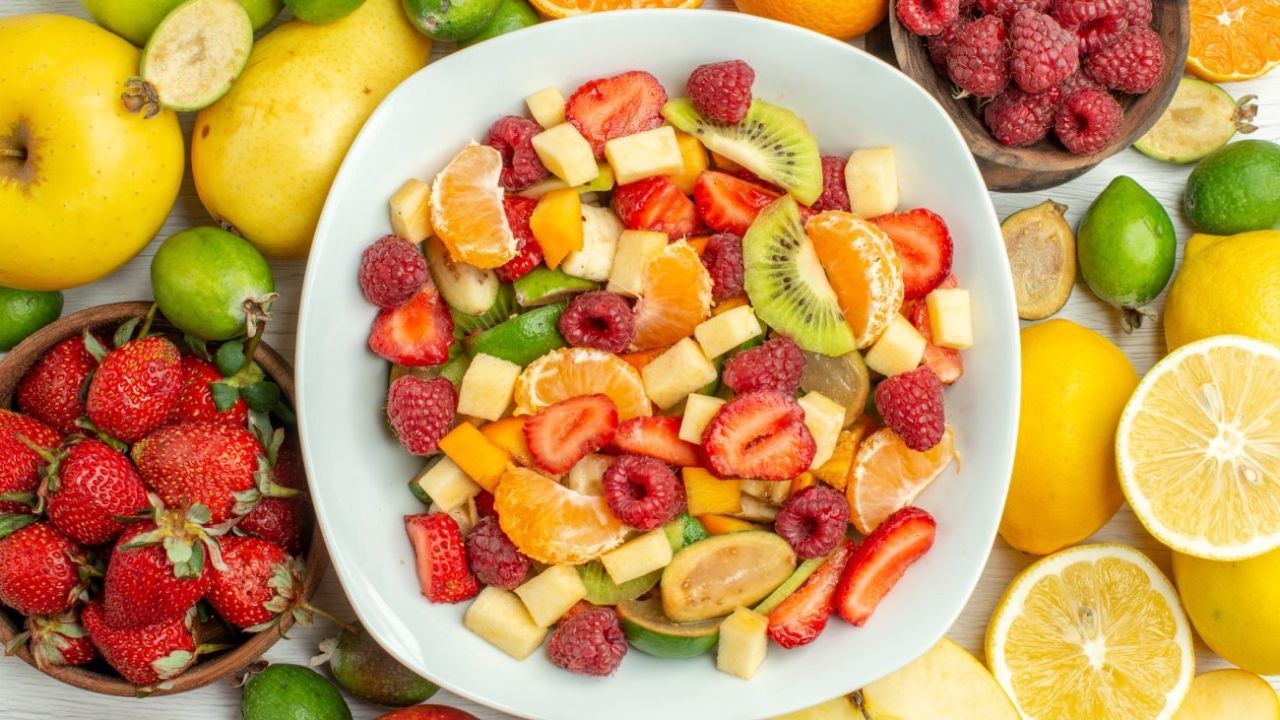
Walk into any major Australian supermarket, and you'll be met with a wall of vibrant, pre-packaged convenience. Plastic clamshells of diced mango, sliced watermelon, and pre-chopped stir-fry mixes promise a solution to the nation's perennial time poverty. Marketed as a healthy, time-saving hack, this segment has exploded into a multi-billion dollar global industry, with Australia a significant and growing market. But behind the glossy packaging and the promise of a five-minute dinner prep lies a complex web of trade-offs involving nutrition, economics, sustainability, and food science. The truth about pre-cut produce is far more nuanced than the fresh facade suggests, and for Australian consumers and businesses, understanding these layers is critical.
The Australian Convenience Economy: A Fertile Ground
The rise of pre-cut produce is inextricably linked to broader socio-economic trends. According to the Australian Bureau of Statistics, the average full-time employee works 38.8 hours per week, with nearly a third regularly working overtime. Coupled with long commute times in cities like Sydney and Melbourne, the demand for time-saving solutions is palpable. The Australian consumer is time-poor but increasingly health-conscious, creating a perfect storm for value-added fresh food products.
From my work with Australian SMEs in the food and retail sector, I've observed a strategic pivot towards this high-margin category. Supermarkets are not merely selling fruit; they are selling minutes back into a consumer's day. The margin on a pre-cut pineapple can be 300-400% higher than on a whole one, a powerful incentive for retailers grappling with thin profits on standard fresh produce. This isn't just a consumer trend; it's a fundamental reshaping of the fresh food supply chain and retail strategy, driven by powerful economic calculus.
Nutritional Degradation: The Invisible Cost of Convenience
The most significant, and often overlooked, trade-off is nutritional. The moment a fruit or vegetable is cut, it begins a process of accelerated decay. Cutting breaches the plant's protective cellular walls, releasing enzymes like polyphenol oxidase (which causes browning) and exposing the flesh to oxygen and light. This triggers the rapid degradation of sensitive, water-soluble nutrients.
Research, including studies from institutions like the University of California, Davis, indicates that pre-cut produce can lose a significant percentage of key vitamins within days. Vitamin C, a potent antioxidant highly sensitive to oxygen and light, can degrade by 10-25% within the first 24 hours after cutting and continue to decline. Similar losses are observed in other nutrients like folate and thiamine. While the fibre content remains, the micronutrient profile—the very reason we're urged to "eat the rainbow"—is diminished.
In practice, with Australia-based teams I’ve advised in the food logistics space, the "use-by" date on these packages is a food safety marker, not a nutrient retention guarantee. The product may be safe to eat for a week, but its nutritional peak passed days before it even hit the supermarket shelf.
Food Safety: A Double-Edged Sword
To combat this rapid spoilage and ensure safety, processors rely on modified atmosphere packaging (MAP), where the air inside the package is replaced with a controlled mix of gases like nitrogen and carbon dioxide. This slows microbial growth and enzymatic browning. While effective for shelf-life extension, it creates an illusion of freshness. The bright, crisp carrot sticks in a sealed bag are a product of food technology, not recent harvest.
The centralisation of processing also introduces a concentrated food safety risk. A single contamination event at a large processing facility, as opposed to disparate whole produce from multiple farms, can lead to widespread recalls. The Australian Competition & Consumer Commission (ACCC) and Food Standards Australia New Zealand (FSANZ) maintain vigilant oversight, but the risk profile is inherently different from that of whole, unprocessed produce.
Environmental and Economic Impact: The Full Lifecycle Analysis
The environmental footprint of pre-cut produce is substantially heavier. The analysis must extend beyond the farm gate to include the full lifecycle:
- Processing Energy: Industrial washing, cutting, drying, and packaging facilities are energy-intensive.
- Packaging Waste: This is the most visible issue. The hard-to-recycle plastic clamshells and film contribute significantly to Australia's plastic waste problem, which sees over 2.5 million tonnes of plastic waste generated annually, with only 13% recovered. Local councils across Australia are grappling with the contamination of recycling streams by these mixed-material packages.
- Food Waste Paradox: While marketed as reducing household food waste, the industry generates significant upstream waste. Imperfect or misshapen produce is often rejected before processing. Furthermore, the strict "use-by" dates and the visual nature of the product lead to high rates of in-store waste if not sold in time.
- Transportation: Sending produce to a central facility for processing before redistributing it to stores adds extra "food miles" to its journey.
Drawing on my experience in the Australian market, the economic model is also worth scrutinising. While convenient for the consumer, the high retail price per kilogram represents a poor value proposition compared to whole produce. Consumers are paying a premium not only for the labour of cutting but also for the packaging, the marketing, and the cost of the significant waste built into the system.
Common Misconceptions
Several persistent myths cloud the public's understanding of this industry.
Myth 1: "Pre-cut is just as healthy as whole fruit." Reality: As established, nutrient loss begins immediately after cutting. The product you buy is nutritionally inferior to its whole counterpart purchased and consumed on the same day.
Myth 2: "It's a great way to reduce food waste at home." Reality: While it may help some households, it shifts and potentially increases waste to the industrial and retail level. The convenience can also lead to over-purchasing and forgetting the product in the fridge, negating any household waste benefit.
Myth 3: "The plastic packaging is necessary and widely recycled." Reality: The complex, mixed-material packaging (often PET clamshells with PVC or PE films) is notoriously difficult to recycle. In many Australian council areas, it is not accepted in curbside recycling bins and ends up in landfill, where it will persist for centuries.
Case Study: The Whole Fruit vs. Pre-Cut Supply Chain
To understand the systemic impact, let's contrast two pathways for a pineapple grown in Queensland.
Pathway A (Whole Fruit): Harvested → graded → packed into bulk cardboard crates → transported to supermarket distribution centre → sent to store → purchased by consumer → peeled and culled at home (waste to compost/food bin).
Pathway B (Pre-Cut): Harvested → graded (higher cosmetic standard, some fruit rejected) → transported to processing facility → washed → mechanically peeled and cored (significant waste generated) → diced → rinsed in antimicrobial solutions → dried → weighed and sealed in plastic clamshells with MAP gas → transported to distribution centre → sent to store → unsold product after "use-by" date discarded as commercial waste → purchased by consumer → packaging discarded.
Analysis: Pathway B involves more steps, more energy, more transportation, significant processing waste, and introduces non-biodegradable packaging. The consumer receives a product that is older, less nutritious, more expensive, and wrapped in plastic. The value is purely in saved time and effort, at a high systemic cost.
Based on my work with Australian SMEs along this chain, the profitability for processors and retailers in Pathway B is compelling, which is why shelf space continues to expand despite the clear downsides.
A Strategic Middle Ground for Australian Consumers and Businesses
Abstinence from the category is not the only answer. The goal is informed, strategic consumption.
For Consumers:
- Prioritise Whole: Make whole fruits and vegetables the default. The cost savings are substantial.
- Strategic Convenience: Use pre-cut as a strategic tool, not a staple. Purchase for specific, time-critical situations (e.g., a last-minute party platter, a single-use ingredient for a complex recipe) rather than weekly stock-up.
- Check Dates & Condition: Always choose the furthest "use-by" date and inspect for any signs of spoilage like excessive liquid or off-odours.
- Dispose Responsibly: Check local council guidelines for the specific plastic types; some may be recyclable at dedicated drop-off points.
For Australian Food Businesses & Innovators:
From consulting with local businesses across Australia, I see opportunity in addressing the core flaws of the current model.
- Innovate in Packaging: Explore and invest in home-compostable, transparent films derived from cellulose or other biomaterials. This is a major unmet need.
- Hyper-Local Processing: Smaller-scale, in-store or near-store processing hubs could drastically reduce time from cut to shelf, improving nutrition and reducing transport. Some progressive Australian grocers are already trialling this.
- Embrace "Ugly" Produce: Use imperfect fruit for pre-cut products, reducing upstream farm waste and potentially lowering input costs.
- Transparent Labeling: Go beyond safety dates. Could there be a "cut on" or "nutrient peak" date for informed consumers?
Future Trends & Predictions
The trajectory of this industry will be shaped by regulatory pressure and consumer sentiment. We can anticipate:
- Stricter Packaging Regulations: Following the lead of the National Packaging Targets, government intervention may mandate recyclability or compostability for all food packaging, forcing a technological overhaul.
- Growth of In-Store "Cut-Fresh" Counters: A return to service counters where produce is cut to order, eliminating pre-packaged waste and offering superior freshness. This blends convenience with sustainability.
- Advanced Preservation Tech: Wider adoption of non-thermal pasteurisation methods like high-pressure processing (HPP) for pre-cut products, which can extend shelf life with minimal nutrient loss compared to traditional methods.
- Blockchain for Traceability: Consumers may soon scan a code to see the journey of their pre-cut mix—from farm, to processing facility timestamp, to store—adding a layer of transparency to food safety and provenance.
Final Takeaway & Call to Action
Pre-cut fruits and vegetables are a technological solution to a social problem—time scarcity. They are not inherently "bad," but they are a compromised product. The convenience comes with a tangible cost: diminished nutrition, a heavier environmental footprint, and a higher price per nutrient delivered.
The most powerful action Australian consumers can take is to vote with their wallets and their time. Buy whole, plan a simple weekly chop-up session (involving the family can make it routine), and rediscover the sensory pleasure and nutritional integrity of unprocessed food. Reserve pre-cut for genuine emergencies.
For the industry, the challenge is clear: innovate beyond the plastic clamshell. The future of convenience must be sustainable, transparent, and nutritionally responsible. The market is ready for a smarter, cleaner cut.
What's your strategy? Have you found an effective way to balance convenience with whole-food integrity in your household or business? Share your insights and hacks in the comments below—let's build a more informed Australian food culture together.
People Also Ask
Are pre-cut vegetables still good for you? Yes, they provide fibre and remaining vitamins, making them a better choice than many processed snacks. However, they are nutritionally inferior to their whole, freshly prepared counterparts due to inevitable nutrient degradation after cutting.
How much more expensive is pre-cut produce in Australia? The premium is significant. You can typically pay 200% to 400% more per kilogram for pre-cut items. For example, a whole pineapple may cost $3-$4, while a small container of pre-cut pineapple chunks may cost $6-$7 for a fraction of the weight.
What is the best way to store pre-cut produce once opened? Transfer any unused portion to an airtight container, press a piece of paper towel against the cut surfaces to absorb moisture, and refrigerate. Consume within 1-2 days for best quality and safety.
Related Search Queries
- pre cut fruit nutrition loss Australia
- plastic packaging waste supermarkets Australia
- is pre chopped veg worth it
- how to reduce food waste at home Australia
- modified atmosphere packaging pros and cons
- Australian food processing industry trends
- compostable food packaging Australia
- time saving healthy meals Australia
- ACCC food labelling regulations
- whole food vs processed food cost comparison
For the full context and strategies on The Shocking Truth About Pre-Cut Fruits and Veggies in Australia – What Every Australian Should Know, see our main guide: Australian Hospitality Tourism.