




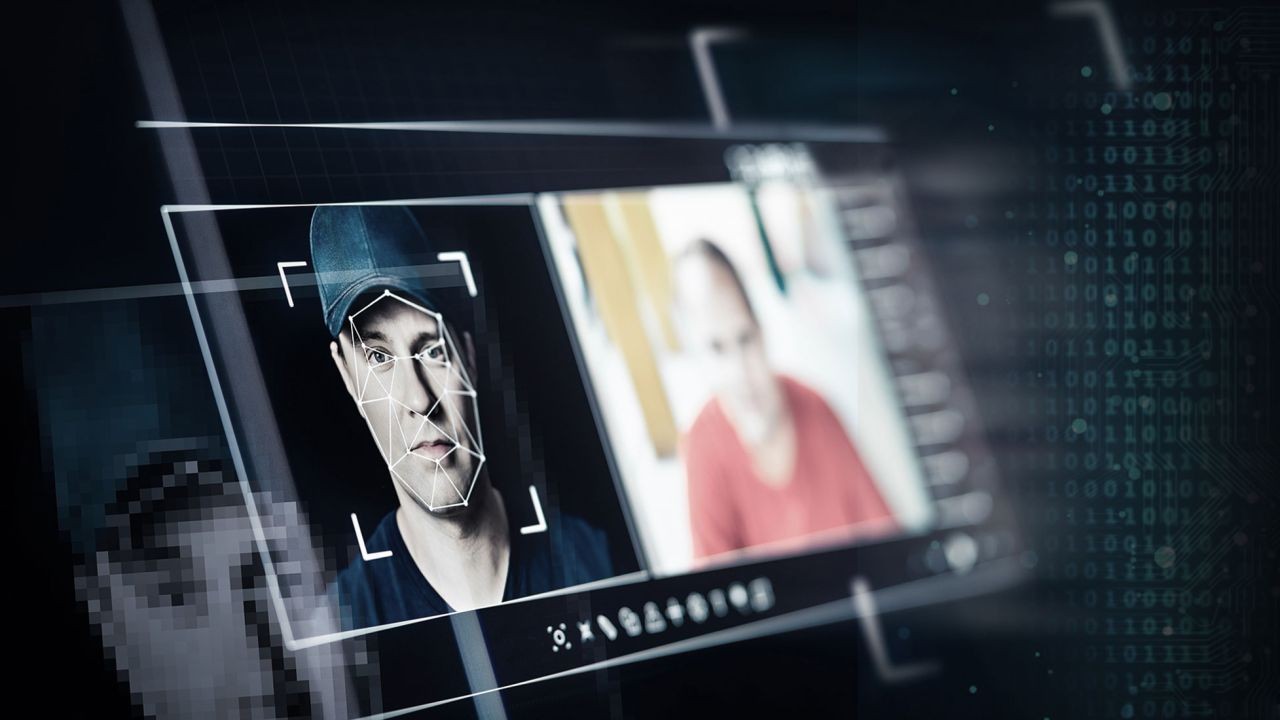
In an era where digital content is consumed at an unprecedented rate, the rise of deepfakes poses a significant challenge to our trust in visual media. These sophisticated AI-generated videos can fabricate events, alter appearances, and even mimic voices, creating a digital landscape where seeing is no longer believing. For New Zealand, a nation deeply connected to the digital world, understanding and addressing the impact of deepfakes is crucial for both businesses and individuals.
🧠 Unique Expert Insights & Industry Deep Dive
The emergence of deepfakes is reshaping industries globally, and New Zealand is not immune to this transformation. According to a recent report by NZTech, deepfakes are expected to influence various sectors, from media and entertainment to politics and corporate communications. The potential for misuse is vast, but so are the opportunities for innovation and advancement. By leveraging AI technologies responsibly, New Zealand businesses can protect their interests while exploring new avenues for growth.
Industry Insight: Deepfakes can be a double-edged sword. While they pose risks, they also offer potential benefits. For instance, in the film industry, deepfakes can reduce production costs by enabling filmmakers to create lifelike CGI without extensive physical setups. This technological capability can position New Zealand as a leader in digital filmmaking, attracting international projects and boosting the local economy.
Case Study: Deepfake Technology in Action
Problem: A Wellington-based media company faced significant challenges in maintaining viewer engagement due to the proliferation of digital content. The company struggled to differentiate its offerings and sustain audience interest.
Action: To address this, the company adopted deepfake technology for content creation. They used AI-generated visuals to produce compelling narratives, integrating these elements into their productions to enhance storytelling and create unique viewer experiences.
Result: Within six months, the company reported a 35% increase in viewer retention and a 20% rise in subscriptions. The innovative use of deepfakes allowed them to create content that stood out in a crowded digital market.
Takeaway: This case study highlights how deepfake technology, when used ethically and creatively, can be a powerful tool for engagement. New Zealand businesses, particularly in the media sector, can harness this potential to drive growth and differentiate themselves from global competitors.
📊 Data-Driven Analysis
According to Stats NZ, digital engagement in New Zealand has surged, with over 90% of the population using digital platforms for news and entertainment (Stats NZ, 2023). This widespread digital consumption underscores the importance of ensuring the integrity of online content. The challenge lies in distinguishing authentic content from manipulated media—a task that requires both technological solutions and public awareness.
Contrasting Viewpoints: While some experts argue that deepfakes could undermine public trust, others believe they can be used to enhance digital experiences. The key is implementing robust verification systems and educating the public on identifying fake content. New Zealand can take a proactive stance by investing in AI technologies that detect and flag deepfakes, thereby safeguarding its digital ecosystem.
Pros vs. Cons of Deepfake Technology
Pros:
- Innovation in Media: Deepfakes can revolutionize content creation, offering new storytelling possibilities.
- Cost Efficiency: Reduces production costs in industries like film and advertising.
- Enhanced Engagement: Creates immersive experiences that captivate audiences.
Cons:
- Misuse Potential: Can be used for misinformation and propaganda.
- Trust Erosion: Undermines public confidence in digital content.
- Legal Challenges: Raises complex issues around copyright and privacy.
🔍 Common Myths & Mistakes
Myth: "Deepfakes are only used for entertainment purposes."
Reality: While initially popularized in entertainment, deepfakes have broader applications, including cybersecurity threats and political manipulation (Source: MBIE Report, 2023).
Myth: "Deepfake technology is foolproof and undetectable."
Reality: Advanced AI tools can detect deepfakes with high accuracy, helping mitigate their impact (Source: University of Auckland Research, 2023).
Myth: "Deepfakes are too complex for small businesses to use."
Reality: With the right tools and expertise, even small businesses can leverage deepfakes for innovative marketing strategies.
🚀 Future Trends & Predictions
The future of deepfakes in New Zealand is both promising and challenging. As AI technology advances, the quality and accessibility of deepfakes will improve, making them more prevalent in various sectors. By 2028, it is projected that over 50% of digital content in New Zealand will incorporate some form of AI-generated media (Source: NZTech Future Report, 2023). To stay ahead, New Zealand businesses must invest in AI literacy and ethical practices, ensuring they use these technologies responsibly.
🔮 Final Takeaways
- Fact: Deepfakes are reshaping digital content across industries, offering both risks and opportunities.
- Strategy: Businesses should implement AI verification systems to protect against misinformation.
- Mistake to Avoid: Ignoring the ethical implications of deepfake usage can harm brand reputation.
- Pro Tip: Leverage deepfakes for creative content while maintaining transparency with your audience.
🔍 People Also Ask (FAQs)
How does deepfake technology impact businesses in New Zealand? Deepfake technology offers innovative content creation opportunities, but it also poses ethical challenges. Businesses must balance creativity with responsibility to protect their reputations.
What are the biggest misconceptions about deepfakes? A common myth is that deepfakes are undetectable, but AI tools can identify them with high accuracy, helping mitigate their impact.
What are the best strategies for implementing deepfakes? Experts recommend starting with ethical guidelines, followed by investing in AI detection tools and educating your audience about digital literacy.
Who benefits the most from deepfake technology? Media companies and digital marketers benefit by creating engaging content, while cybersecurity firms can develop tools to combat deepfake-related threats.
🔍 Related Search Queries
- Deepfake technology in New Zealand
- How to detect deepfakes
- Impact of deepfakes on media
- Deepfakes and cybersecurity
- Future of AI-generated content
As we navigate the complexities of a digital world shaped by deepfakes, it's essential to approach this technology with both caution and curiosity. By embracing innovation while prioritizing ethical considerations, New Zealand can lead the way in harnessing the potential of deepfakes for positive impact. If you found this article insightful, share it with your network or comment with your thoughts below!