




For the modern traveller, the journey doesn't begin at the airport; it often starts on the couch. In an era where digital entertainment is a staple of downtime, the choice between subscribing to a gaming service or purchasing individual titles has become a significant part of the pre-trip budget and lifestyle planning. This isn't just about entertainment; it's about smart resource allocation for a life spent exploring. The decision between a recurring subscription fee and a one-off purchase mirrors the very choices we make when planning travel itself: do we opt for the all-inclusive resort pass, or do we meticulously curate our own à la carte adventure? Let's unpack this modern dilemma with the analytical eye of a travel expert, applying principles of value, flexibility, and experience to the digital realm, all through a distinctly Australian lens.
The Subscription Model: Your All-Inclusive Digital Resort
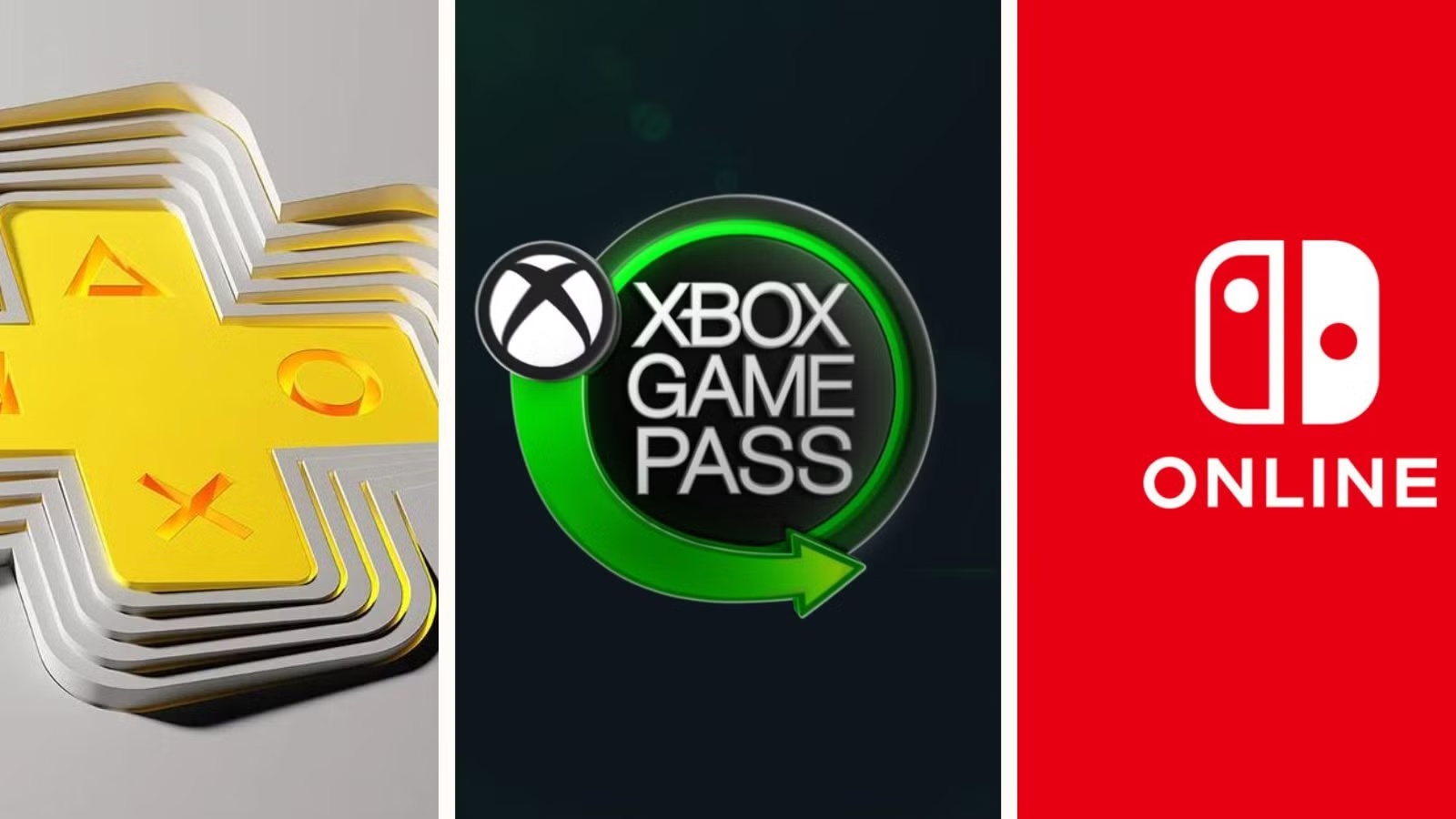
Much like an all-inclusive holiday package, gaming subscriptions such as Xbox Game Pass, PlayStation Plus, and NVIDIA GeForce Now offer a buffet of experiences for a single, predictable monthly fee. The primary appeal is immense variety and discovery without the upfront commitment of full purchase prices, which in Australia can often sit between $79 and $109 AUD for new release AAA titles.
The Undeniable Value in Volume
The mathematics are compelling for the avid player. For the cost of roughly one new game every two months, services like Xbox Game Pass Ultimate provide access to a rotating library of hundreds of titles across PC, console, and cloud. This model brilliantly caters to the traveller's mindset: it encourages sampling. You can try a narrative-driven epic, dabble in an indie gem, or jump into a multiplayer session with friends, all without financial penalty if something doesn't resonate. It turns gaming from a series of calculated investments into a playground of experimentation.
Cloud Gaming: The Ultimate Travel Companion
Here is where the subscription model truly sings for the nomadic spirit. Cloud gaming services, integral to tiers like Game Pass Ultimate and standalone options like GeForce Now, decouple high-end gaming from expensive hardware. You can stream a graphically intensive title to a laptop, tablet, or even your phone with a compatible controller. From my experience consulting with Australian remote workers and digital nomads, this technology is a game-changer. Whether you're killing time in a Darwin hostel common room or unwinding after a business conference in Melbourne, a stable internet connection is your only prerequisite. It aligns perfectly with the Australian Bureau of Statistics' data on our increasing mobility and digital connectivity, making premium entertainment truly location-agnostic.
The Ownership Model: Your Curated, Permanent Collection
On the other side of the coin lies ownership—buying games outright. This is the equivalent of carefully selecting souvenirs from your travels: each item has a specific memory, value, and permanence. There's a tangible sense of possession and the freedom to engage with your collection entirely on your own terms, forever.
The Long-Term Economics of Patience
For the patient and selective gamer, ownership can be astonishingly cost-effective. The digital marketplace is in a constant state of discount flux. Major sales events on platforms like Steam, the PlayStation Store, and the Xbox Marketplace see titles discounted by 50-80% within a year or two of release. If your goal is to play specific, often single-player narrative games, and you're happy to wait, you can build an extensive library for a fraction of the subscription cost over time. There are no recurring fees; your investment is a one-time sunk cost. Drawing on my experience in the Australian market, this appeals to the budget-conscious consumer who plans their entertainment spending with the same rigor as they plan a holiday—researching, waiting for deals, and maximising every dollar.
Unlimited Access and True Permanence
When you buy a game, it's yours. It doesn't rotate out of a catalogue. You can replay it a decade later, mod it, or share it within household limits. This permanence provides a different kind of value—emotional and archival. For beloved franchises or games you know you'll revisit (think of the comfort-replay equivalent of watching a favourite film), ownership is the only model that guarantees uninterrupted access. This is a crucial consideration in Australia, where internet infrastructure, while improving, can still be inconsistent in regional and remote areas, making cloud-dependent subscriptions less reliable.
Strategic Cost-Benefit Analysis: Calculating Your Personal ROI
Determining which model is more cost-effective isn't a universal equation; it's a personal algorithm based on your gaming habits. Let's break down the key variables.
Variable 1: Your Gaming Volume and Speed
Are you a high-volume player who consumes new games rapidly? If you typically play through 3-4 new release titles per quarter, a subscription likely saves you hundreds of dollars annually. Conversely, if you are a casual player who might only complete 2-3 specific games a year, buying those titles on sale will almost certainly be cheaper than 12 months of subscription fees.
Variable 2: Your Desire for Discovery vs. Specificity
Subscriptions thrive on curiosity. If you love browsing a library and trying anything that catches your eye, the model is perfect. If your interests are niche—say, exclusively simulation or hardcore strategy games—the subscription catalogue may only occasionally cater to you, making targeted purchases more sensible.
Variable 3: The Multiplayer Factor
This is a critical, often overlooked cost. Services like PlayStation Plus and Xbox Game Pass Core (formerly Xbox Live Gold) are essentially mandatory for playing most games online on console. Their fees are a baseline cost for online multiplayer, regardless of whether you use the accompanying "free" game libraries. When calculating subscription value, for many, this is a non-negotiable starting point.
Assumptions That Don’t Hold Up
Several persistent myths cloud this decision. Let's clear the air with a reality check for Australian gamers.
Myth: "Subscriptions are always the cheaper option." Reality: This is only true for high-volume players. The Australian Competition & Consumer Commission (ACCC) consistently emphasises the importance of consumers understanding recurring payment terms. For the casual gamer, those $15-$18 AUD monthly fees add up to $180-$216 AUD per year, which could buy 3-5 major games on deep discount.
Myth: "Ownership means you truly own the game forever." Reality: In the digital age, you often purchase a license to access the game, which can be revoked or made unplayable if a platform shuts down its servers. Physical discs offer more permanence, but even they often require large day-one patches to function fully.
Myth: "Cloud gaming isn't viable in Australia." Reality: While latency challenges exist, the rollout of 5G and improvements to the National Broadband Network (NBN) are rapidly changing this. In major cities and areas with strong infrastructure, cloud gaming is now a perfectly viable option for many, transforming gaming into a truly portable pastime.
The Hybrid Itinerary: A Strategic Compromise
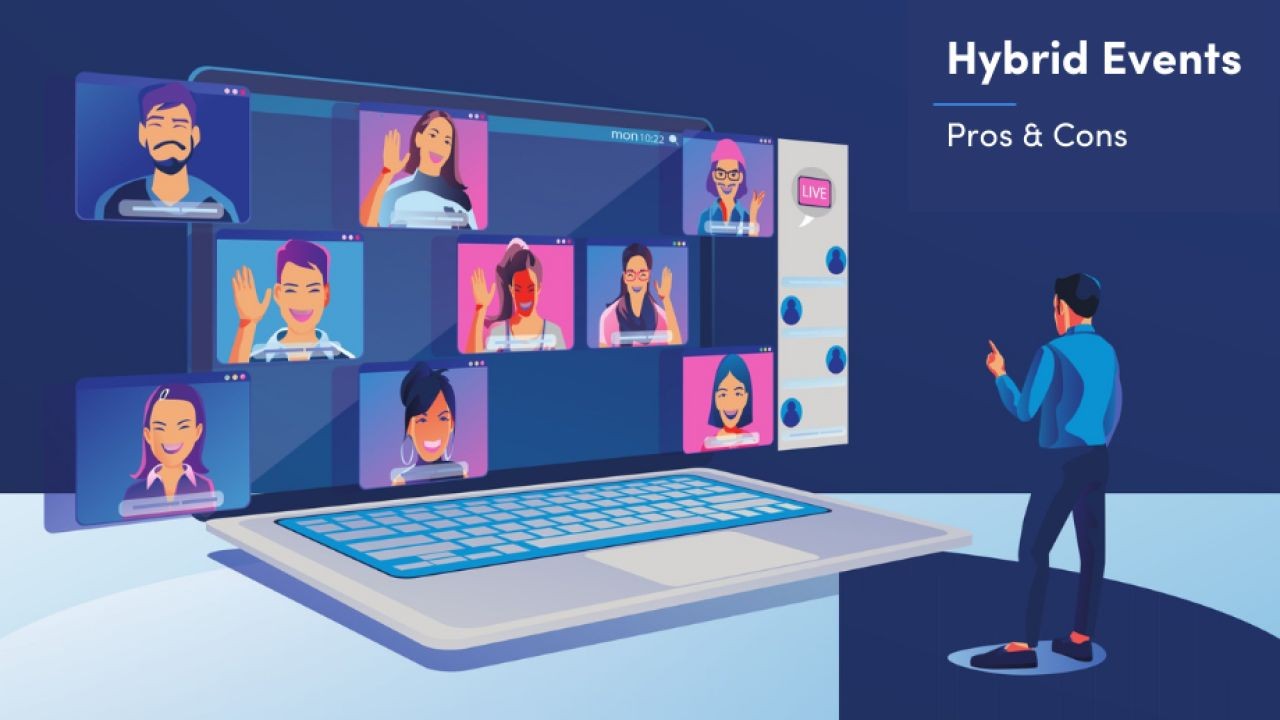
The most astute approach, much like blending organised tours with solo exploration in travel, is a hybrid model. Based on my work with Australian consumers who optimise for value, this strategy is winning.
Use a core subscription (like Game Pass or PlayStation Plus Extra) as your "base camp" for discovery, multiplayer, and trying before you buy. Then, for those truly special, timeless titles you know you'll love and replay for years—the digital equivalent of a classic novel—wait for a sale and purchase them outright. This method gives you the best of both worlds: cost-effective variety and a permanent, curated collection of favourites. You can even pause subscriptions during busy travel periods or months when the library doesn't appeal, something I frequently advise clients to do with various digital services to trim unnecessary recurring costs.
Future Trends & Predictions
The landscape is shifting towards the subscription and cloud model, but ownership is not disappearing. We are likely to see:
- Tiered Subscriptions Become the Norm: More granular tiers offering specific genres or back-catalogue access, allowing for even more personalised value.
- Bundling with Other Services: Imagine a travel-focused bundle that includes a gaming subscription, music streaming, and a VPN service at a consolidated rate—a digital nomad's dream package.
- Cloud-Native Games: Titles designed specifically for cloud infrastructure, offering experiences impossible on local hardware, will become subscription exclusives, much like original series on streaming video platforms.
However, the premium standalone purchase will remain for blockbuster, event-style game releases, similar to how we still buy tickets to a major concert despite having music streaming subscriptions.
Final Takeaway & Call to Action
There is no single "correct" answer, only the optimal choice for your unique gaming habits and lifestyle. The subscription model is your all-inclusive pass to boundless digital exploration, perfect for the curious and frequent player. The ownership model is your curated gallery of timeless favourites, ideal for the selective and patient enthusiast.
Your action point today? Conduct a personal audit. Look back at your gaming patterns over the last year. How many games did you play? How many did you finish? How much did you spend? This data is your compass. For Australians, especially with cost-of-living pressures, this conscious approach to entertainment budgeting is as smart as finding the best flight deal. Align your spending with your actual behaviour, not perceived identity, and you'll unlock the most cost-effective—and satisfying—gaming experience imaginable.
Have you found your perfect balance between subscriptions and ownership? What’s your best tip for gaming on a budget in Australia? Share your strategies in the comments below—let’s build the ultimate guide to savvy digital entertainment together.
People Also Ask
Is Xbox Game Pass worth it for a casual gamer in Australia? It depends on your definition of "casual." If you play fewer than 5-6 games from its library per year, purchasing those titles on sale is likely cheaper. Game Pass excels for those who enjoy trying many different games regularly.
What is the biggest downside to cloud gaming in Australia? Latency and data usage. Input lag can affect fast-paced games, and streaming consumes significant data—a concern for those with metered NBN plans. Always test during a free trial period to assess your connection's performance.
Can I share my game subscriptions with family like I can with some travel memberships? Yes, to an extent. Services like Xbox Game Pass and PlayStation Plus allow you to set a "Home Console," sharing benefits with other users on that device. However, simultaneous streaming or playing across multiple devices is often restricted.
Related Search Queries
- Xbox Game Pass Australia cost review
- PlayStation Plus vs buying games Reddit 2024
- Is cloud gaming good in Sydney Melbourne
- Best time to buy cheap digital games Australia
- Game subscription service comparison cost per month
- How to cancel Xbox Game Pass Australia
- NVIDIA GeForce Now Australian servers review
- Buy physical vs digital games Australia
- Entertainment budget gaming vs streaming services
- Digital nomad gaming setup travel
For the full context and strategies on Gaming Subscriptions vs. Buying Games – Which Is More Cost-Effective? – Why It’s a Game-Changer for Australia, see our main guide: Australian Manufacturing Industrial.