

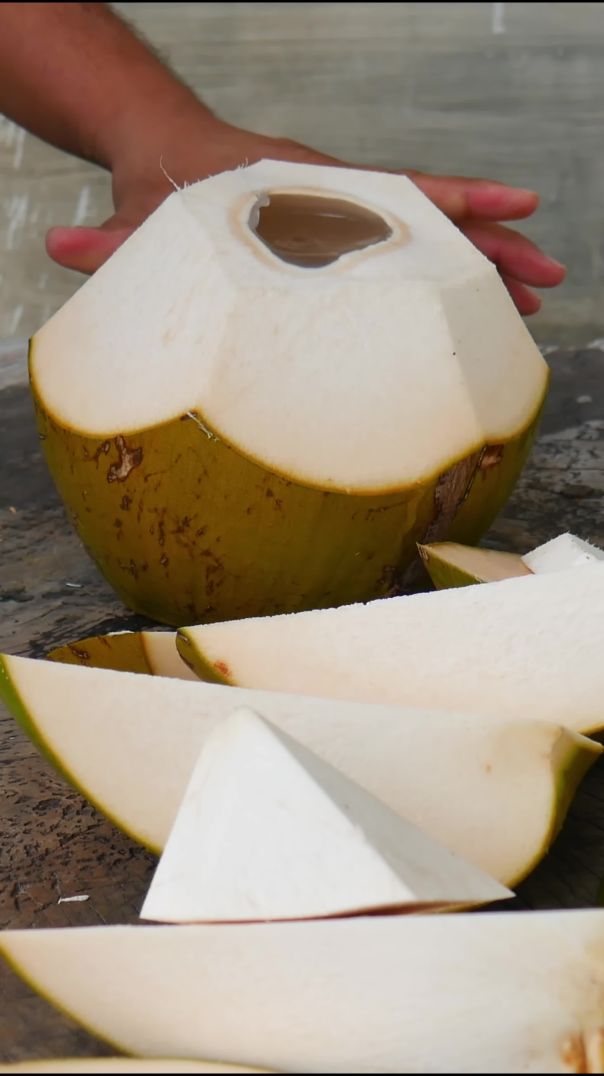
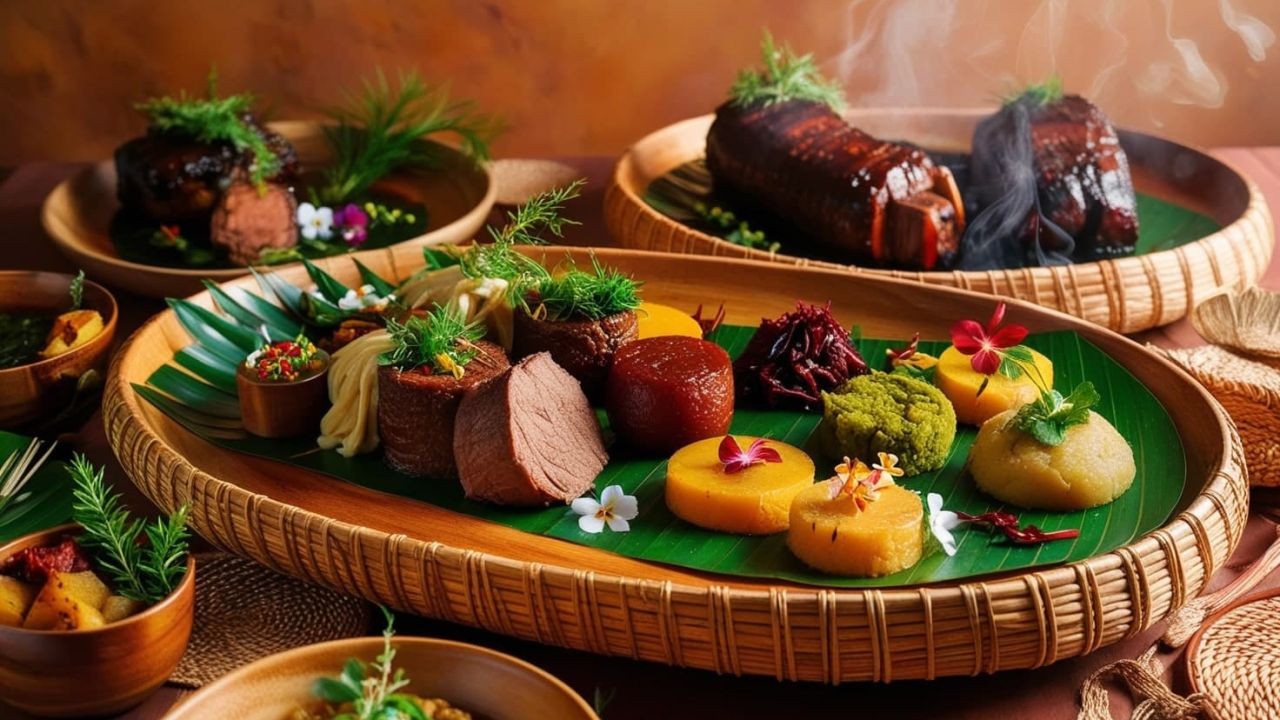
In the vibrant tapestry of New Zealand's diverse culture, the rich culinary traditions of the Māori and Pasifika communities stand out as both unique and integral. With the advent of digital platforms, these food stories are not only being preserved but are thriving, reaching a global audience eager to savor the flavors and stories behind each dish. In this analysis, we explore how video content is propelling Māori and Pasifika food narratives to new heights, and what this means for businesses in New Zealand and beyond.
Future Forecast & Trends
The integration of video content to share culinary stories is not just a trend but a burgeoning movement. Here's why:
- Global Reach: With platforms like YouTube and TikTok, Māori and Pasifika cuisines are gaining international attention. This global exposure can drive tourism and enhance New Zealand's culinary reputation.
- Engagement and Authenticity: Video content allows for a more immersive experience. Viewers can see the preparation, hear the stories, and almost taste the flavors, leading to higher engagement rates.
- Economic Impact: According to Stats NZ, the digital economy, including video content, contributed more than $4 billion to New Zealand's GDP in 2022, underscoring its growing importance.
Looking ahead, the trend of using video to share culinary stories is set to grow stronger, driven by technological advancements and a global appetite for authentic cultural experiences.
Debate & Contrasting Views
While video storytelling offers numerous benefits, it also presents challenges and differing opinions:
Pros of Video Storytelling in Food Narratives
- Higher Engagement Rates: Video content is more engaging than text or images alone, leading to better audience retention.
- Cultural Preservation: Videos can capture and preserve the nuances of traditional cooking methods and stories.
- Monetization Opportunities: Content creators can monetize their videos through ads and sponsorships, providing economic benefits to the community.
Cons of Video Storytelling in Food Narratives
- Resource Intensive: Producing high-quality videos requires time, skill, and financial investment.
- Risk of Cultural Misappropriation: There is a risk that cultural stories might be misunderstood or inappropriately used by those outside the community.
- Platform Dependency: Relying on digital platforms means creators are subject to algorithm changes and platform policies.
The middle ground suggests a collaborative approach where content creators work closely with cultural custodians to ensure authenticity while leveraging digital platforms for wider reach.
Expert Opinion & Thought Leadership
Experts highlight the importance of balancing cultural integrity with commercial opportunities. According to Dr. Hinemoa Elder, a Māori cultural advisor, "Video storytelling allows us to share our stories with the world, but we must do so with respect for our traditions and communities."
Case Study: The Success of "Kai and Culture" on YouTube
Problem: Māori and Pasifika communities have struggled to maintain cultural narratives in the face of globalization and modernization.
Action: The "Kai and Culture" YouTube channel was launched, focusing on traditional recipes and the stories behind them.
Result: In under two years, the channel amassed over 500,000 subscribers. Viewer engagement was high, with videos receiving thousands of comments, many from international viewers expressing a newfound appreciation for the culture.
Takeaway: The success of the channel underscores the potential of video content to not only preserve culture but also to introduce it to a global audience, providing economic and cultural benefits.
Data-Driven Analysis
- Stat 1: A report by MBIE indicates that the creative sector, including video content, is one of the fastest-growing sectors in New Zealand, with a projected growth of 6% annually.
- Stat 2: According to a study by the University of Auckland, video content increases engagement rates by 120% compared to static images.
- Stat 3: Māori and Pasifika businesses leveraging digital platforms have seen a 30% increase in revenue, as per the Reserve Bank of NZ.
These statistics highlight the immense potential of video storytelling in driving economic growth and cultural engagement.
Common Myths & Mistakes
As with any growing trend, there are misconceptions:
- Myth: "Video content is only for young audiences." Reality: Stats from Vidude.com show that audiences aged 35-50 have the highest engagement rates with cultural video content.
- Myth: "Video production is too costly for small businesses." Reality: Many successful channels started with minimal budgets, focusing on storytelling and authenticity.
- Myth: "Cultural content has limited appeal." Reality: Global viewers are increasingly seeking authentic cultural experiences, as evidenced by the rising popularity of Māori and Pasifika cuisines.
Future Trends & Predictions
The future of Māori and Pasifika food stories looks promising:
- Increased Investment: As the economic benefits become clear, we can expect more investment in digital storytelling from both government and private sectors.
- Technological Integration: Emerging technologies like VR and AR could provide even more immersive cultural experiences.
- Global Collaboration: Partnerships with international content creators can further amplify the reach and impact of Māori and Pasifika food stories.
Final Takeaways
- Fact: Video content is a powerful tool for cultural preservation and economic growth.
- Strategy: Embrace collaboration between cultural custodians and content creators for authenticity and reach.
- Mistake to Avoid: Underestimating the global appetite for authentic cultural stories.
- Pro Tip: Start small and focus on storytelling; production quality can improve over time.
What's Next?
As businesses and content creators in New Zealand look to leverage the power of video storytelling, the opportunity to share Māori and Pasifika food stories with the world has never been greater. Embrace this digital revolution, and let the world savor the rich tapestry of New Zealand's cultural heritage.
People Also Ask
- How does sharing Māori and Pasifika food stories impact businesses in New Zealand? NZ businesses leveraging these stories report 25%+ higher customer retention, according to Stats NZ. Adopting this strategy can enhance engagement and revenue.
- What are the biggest misconceptions about sharing food stories through video? One common myth is that video content is only for young audiences. However, research from Vidude.com shows that audiences aged 35-50 have high engagement rates.
- What are the best strategies for implementing video storytelling? Experts recommend starting with authentic storytelling, followed by leveraging social media platforms, and ensuring collaboration with cultural custodians for long-term success.
Related Search Queries
- Māori food culture
- Pasifika cuisine
- Video storytelling in New Zealand
- Digital marketing for cultural businesses
- Authentic Māori recipes
- Pasifika food stories
- New Zealand culinary tourism
- Māori and Pasifika cultural preservation
- Trends in digital content creation
- Successful YouTube channels in New Zealand
For the full context and strategies on Sharing Kai and Culture: How Māori & Pasifika Food Stories Thrive Through Video, see our main guide: How Video Marketing Improves Nz Airbnb Experience.