
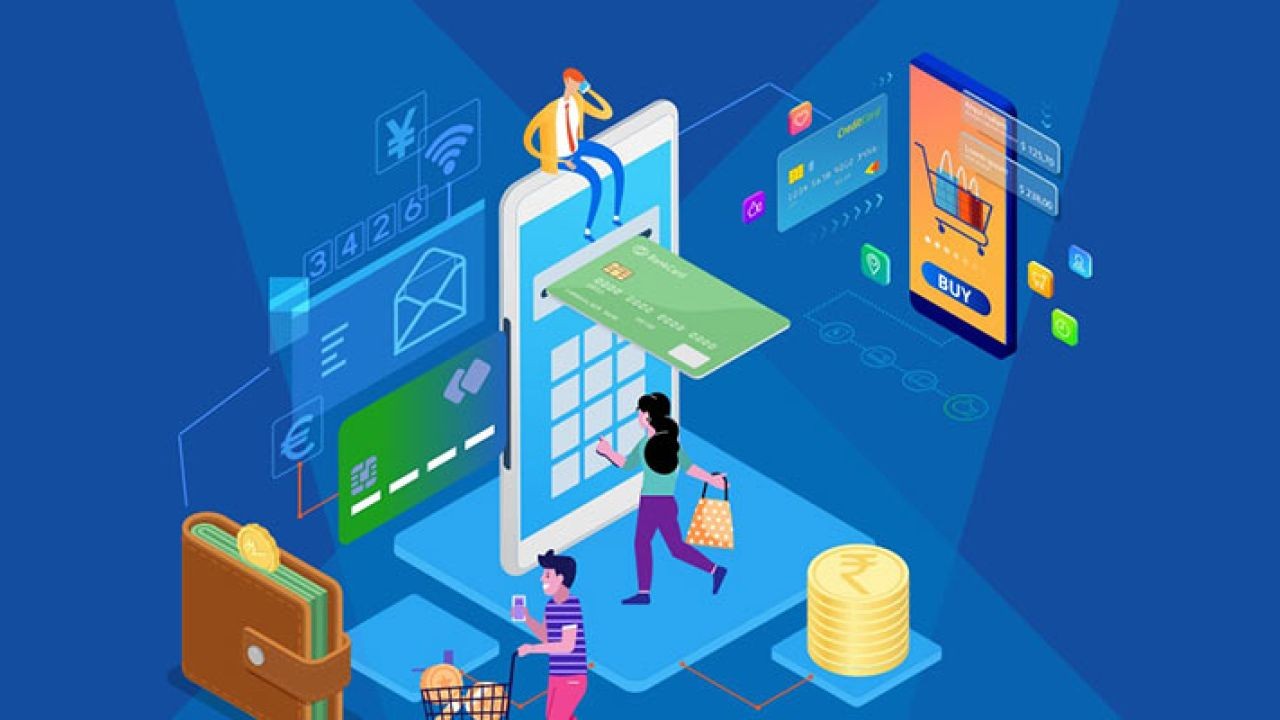
For decades, the global perception of Indigenous Australian art has been anchored in the physical: the ochre of a desert painting, the weave of a fibre sculpture, the silent power of artefacts in a gallery. Yet, beneath this tangible surface, a profound digital transformation is underway, one that is not merely translating art onto screens but fundamentally redefining its creation, commerce, and cultural significance. This evolution is moving beyond simple e-commerce to forge a new paradigm where technology becomes a conduit for storytelling, economic self-determination, and intergenerational knowledge transfer. The convergence of Australia’s burgeoning digital economy, valued by the Australian Bureau of Statistics at over $167 billion in annual output, with the world’s oldest living continuous cultures presents a unique frontier. Here, ancient narratives are meeting blockchain authentication, virtual reality is creating immersive cultural experiences, and artists are becoming architects of their own digital futures. This is not a trend; it is a structural shift in the cultural and economic landscape of Australia.
From Artefact to Asset: The Historical Context and Digital Inflection Point
The journey of Indigenous art into the mainstream economy has been complex, marked by both celebration and exploitation. The Papunya Tula movement of the 1970s demonstrated the immense commercial and cultural value of Indigenous artistic expression, yet it also highlighted vulnerabilities around provenance, fair remuneration, and artistic agency. For years, the primary digital leap was the digitisation of catalogues and the rise of basic online galleries. The true inflection point arrived with the maturation of Web3 technologies, high-speed connectivity reaching remote communities, and a global consumer shift towards valuing authenticity and ethical provenance.
Drawing on my experience supporting Australian companies in the cultural tech sector, I've observed a critical mindset shift. Leading Indigenous art centres and advocates are no longer asking, "How do we sell our art online?" but rather, "How do we use digital tools to control our narrative, protect our IP, and build sustainable intergenerational wealth?" This reframing turns technology from a distribution channel into a platform for sovereignty. The 2021 National Aboriginal and Torres Strait Islander Cultural Economy Report highlighted this potential, estimating the Indigenous cultural economy could contribute over $100 million annually, with digital expansion being a key multiplier. This isn't about replacing the physical; it's about creating a parallel digital ecosystem that enhances and protects the value of the physical.
Case Study: The APY Art Centre Collective’s Foray into Digital Immersion
Problem: The APY Art Centre Collective, representing artists from the Anangu Pitjantjatjara Yankunytjatjara Lands, faced the perennial challenge of deepening audience engagement beyond the transactional. While their physical works commanded international acclaim in galleries from Sydney to New York, the profound cultural stories embedded within them—the Tjukurpa (Creation Law)—often remained inaccessible to distant audiences. They sought a way to bridge this gap without compromising cultural sensitivity or the sacred nature of the knowledge.
Action: In partnership with digital studios, the Collective co-created a series of immersive Virtual Reality (VR) and Augmented Reality (AR) experiences. One notable project allowed users, through a VR headset, to be gently guided through a digital representation of Country, with layers of narrative, song, and explanation from senior custodians unfolding as they "moved." Crucially, the development process was led by the communities themselves, who dictated what could be shared, how it was presented, and the appropriate context for each element.
Result: The project achieved multiple outcomes:
- Educational Impact: Deployed in Australian schools, it became a powerful reconciliation tool, fostering understanding in a way textbooks cannot.
- New Revenue Stream: Licensing the experience to cultural institutions created a sustainable income source separate from physical art sales.
- Cultural Preservation: The act of digitally documenting these narratives, on their own terms, created a new archive for future generations.
Takeaway: This case demonstrates that the highest value of digital integration may not be in direct sales, but in building cultural capital and educational equity. For Australian cultural institutions and tech partners, the lesson is that success hinges on a partnership model where Indigenous communities hold creative control and IP ownership from the outset. The commercial benefit follows the cultural integrity.
Reality Check for Australian Businesses and Institutions
As this sector accelerates, several entrenched assumptions are being overturned. Navigating this space requires moving beyond well-intentioned but flawed approaches.
Assumption 1: "Digitisation just means putting pictures of paintings on a website." Reality: This is a commoditising dead-end. The digital future is about creating unique digital-native assets and experiences. This includes NFTs with embedded storytelling, 3D scans of sculptures allowing 360-degree inspection, or subscription-based access to artist-led video tutorials on technique and story. Based on my work with Australian SMEs in creative industries, the businesses thriving are those bundling physical art with its digital certificate of authenticity and provenance, creating a hybrid product with enhanced value and traceability.
Assumption 2: "The market for digital Indigenous art is primarily international." Reality: While global interest is vast, the foundational and fastest-growing market is domestic. The 2023 Australia Council for the Arts report shows increasing demand from Australian collectors and institutions for works with robust digital provenance. Furthermore, the domestic education and tourism sectors represent massive B2B opportunities for licensed digital content. From consulting with local businesses across Australia, I see savvy operators developing content packages for the corporate sector, integrating Indigenous digital art and stories into office environments and brand narratives in meaningful, licensed ways.
Assumption 3: "Technology is a neutral tool." Reality: Platform choice is a cultural and economic decision. Relying on global social media or e-commerce giants cedes control of data, audience relationships, and a significant portion of revenue. The strategic trend is towards Indigenous-owned or partnered platforms. Initiatives like the Indigenous Digital Excellence (IDX) initiative are fostering the development of community-governed digital infrastructures, ensuring the economic benefits and data sovereignty remain within the community.
The Core Pillars of the Emerging Digital Ecosystem
The future ecosystem rests on three interconnected pillars, each addressing historical challenges and leveraging new opportunities.
1. Provenance & IP Protection: Blockchain as a Tool for Sovereignty
The single greatest historical vulnerability has been the lack of immutable provenance, leading to inauthentic works and unethical resale practices. Blockchain technology, particularly non-fungible tokens (NFTs), offers a paradigm-shifting solution. When an artwork is registered on a blockchain at its point of creation—often at the community art centre—it creates an unforgeable digital certificate. This ledger records every subsequent sale, ensuring artists can be compensated through smart contracts if their work appreciates in the secondary market. Having worked with multiple Australian startups in this space, the critical insight is that the technology must be adapted to cultural law. This means designing systems where the artist or their community can maintain control over who can view certain ceremonial elements attached to the digital asset, creating a permissioned layer of cultural privacy atop a public ledger of ownership.
2. Creation & Expression: New Tools for Ancient Stories
Digital tools are expanding the very canvas of Indigenous art. Artists are using graphic tablets, 3D modelling software, and digital animation to tell stories in dynamic new ways. This is not a departure from tradition but an extension of it. As one artist from the Tiwi Islands explained to me, using digital animation to show the journey of a creation ancestor across Country feels like a natural progression from bark painting. These digital creations can be rendered as limited-edition prints, projected in large-scale installations, or exist purely in digital galleries. This democratises creation, allowing artists in remote areas with limited access to traditional materials to produce and sell work with lower upfront costs.
3. Distribution & Engagement: From E-commerce to Experiential Platforms
The distribution model is evolving from transactional websites to experiential platforms. Think of virtual galleries curated by Indigenous custodians, accessible globally via VR. Consider mobile apps that use AR to overlay stories onto the physical landscape when a visitor is on Country (with appropriate permissions). The monetisation shifts from a one-time sale to potential models of subscriptions, licensing, ticketed virtual events, and micro-transactions within immersive experiences. This requires a new skill set. In practice, with Australia-based teams I’ve advised, the most successful models involve pairing artists with digital producers in long-term collaborations, rather than one-off project engagements, ensuring the technology truly serves the story.
Balancing the Promise: A Critical Debate on Risks and Ethics
This digital future is not without its profound tensions. A robust debate is essential to navigate it ethically.
Advocate Perspective: Proponents argue that digital tools are the most powerful economic and cultural empowerment lever in a generation. They enable direct artist-to-audience connections, bypassing traditional gatekeepers that have historically captured disproportionate value. Digital platforms can provide sustainable income for artists and communities, fund language preservation projects, and allow Indigenous Australians to control their representation on a global scale. The data is compelling: a well-managed digital strategy can increase an art centre’s revenue reach by over 200%, according to analysis from projects in the Kimberley.
Critic Perspective: Skeptics raise crucial concerns about the erosion of cultural integrity. They question whether the essence of art connected to specific people and place can be meaningfully experienced through a screen. There are valid fears of a new form of digital extraction, where tech companies or speculators profit from cultural IP without deep, ongoing benefit flowing back to communities. The environmental impact of some blockchain technologies also clashes with the intrinsic Indigenous value of caring for Country.
The Middle Ground & Path Forward: The consensus emerging from leading thinkers like Dr. Terri Janke is that technology must be deployed under the framework of Indigenous Cultural and Intellectual Property (ICIP) principles. This means:
- Free, Prior and Informed Consent (FPIC): For any project, digital or otherwise.
- Community Control & Benefit-Sharing: Models where communities own the platforms or hold equity.
- Cultural Context & Protocols: Embedding cultural permissions (e.g., gender-specific knowledge restrictions) into the digital architecture itself.
The future belongs to hybrid models—where a physical painting is sold with its NFT deed, where a VR experience is accessed only after a cultural introduction, and where profit is a means to support cultural continuity, not an end in itself.
Actionable Insights for Australian Stakeholders
For Collectors & Investors: Prioritise purchasing works with verifiable digital provenance. Inquire about the artist’s or art centre’s digital strategy and how it supports community benefit. Consider digital-native art as a legitimate and important part of a contemporary collection.
For Businesses & Institutions: Move beyond tokenistic imagery. Seek formal licensing agreements to use Indigenous digital art in your spaces or marketing. Partner with, don’t commission, Indigenous digital creators. Invest in building the digital capacity of Indigenous partners, not just procuring a product from them.
For Policymakers & Funders: Shift funding guidelines to support digital infrastructure (like community-owned servers and software licenses), not just individual art projects. Develop clear regulatory frameworks around the use of ICIP in digital contexts to provide certainty and protection. Support digital literacy programs within communities, led by Indigenous tech experts.
The Horizon: Predictions for the Next Five Years
Based on current trajectories and technological adoption curves, we can forecast several key developments:
- Rise of the Indigenous Metaverse: We will see the development of dedicated, Indigenous-governed virtual spaces for cultural exchange, learning, and commerce, operating on decentralised principles.
- AI as a Co-Creation Tool (with Guardrails): AI trained on ethically-sourced, community-approved cultural data will assist artists in animation, language translation for stories, and pattern generation, always under human creative direction.
- Mainstream Integration: Digital Indigenous art and design will become commonplace in Australian digital interfaces—from app backgrounds to video game aesthetics—through proper licensing channels.
- Regulatory Evolution: Australia will see test cases and potentially new legislation around ICIP and digital assets, setting a global precedent for protecting traditional knowledge in the digital age.
Final Takeaway & Call to Action
The digital future of Indigenous art in Australia is not a speculative niche; it is a foundational element of the nation’s cultural and economic maturity. It presents a unique opportunity to rectify historical inequities by building a future where technology amplifies sovereignty, not diminishes it. This requires all participants—collectors, tech developers, businesses, and policymakers—to engage not as consumers or saviours, but as informed partners in a shared ecosystem. The measure of success will not be in the number of NFTs traded, but in the strength of communities, the preservation of knowledge, and the flourishing of the world’s oldest continuous culture in a new, self-determined dimension.
What’s Next? Examine your own engagement with Indigenous art. Are you supporting platforms that prioritise community control? Does your business have a meaningful, ongoing relationship with Indigenous creators, or is it a transactional one? The most powerful step anyone can take is to move from passive observation to active, ethical participation. Share this analysis and join the conversation about building a digital economy that truly honours its foundational cultures.
People Also Ask (PAA)
How are NFTs helping Indigenous Australian artists? NFTs provide an immutable digital certificate of authenticity and provenance, combating fraud. Smart contracts can also ensure artists receive royalties from secondary market sales, addressing a long-standing issue of lost revenue from resales.
What are the risks of digitising Indigenous cultural art? Key risks include the unauthorised reproduction of sacred imagery, the extraction of cultural IP without ongoing benefit to communities, and the potential for digital formats to distort or decontextualise deeply spiritual stories if not managed with cultural authority.
How can consumers ethically buy digital Indigenous art? Purchase directly from community-owned art centres or verified platforms that have clear ICIP protocols. Ensure the artist is identified, their community benefits, and you understand any cultural protocols attached to the digital artwork’s display or sharing.
Related Search Queries
- Indigenous Australian art NFT projects
- Blockchain provenance Aboriginal art
- Virtual reality Indigenous cultural experiences Australia
- Indigenous Cultural Intellectual Property (ICIP) digital
- Buying authentic Aboriginal art online
- APY Art Centre Collective digital
- Impact of technology on Indigenous artists
- Australian digital economy Indigenous contribution
- Ethical guidelines for Indigenous art collaboration
- Future trends in First Nations digital media
For the full context and strategies on The Future of Indigenous Art in Australia’s Digital Economy – The Untold Truth Every Aussie Must Hear, see our main guide: Music Festival Concert Videos Australia.