




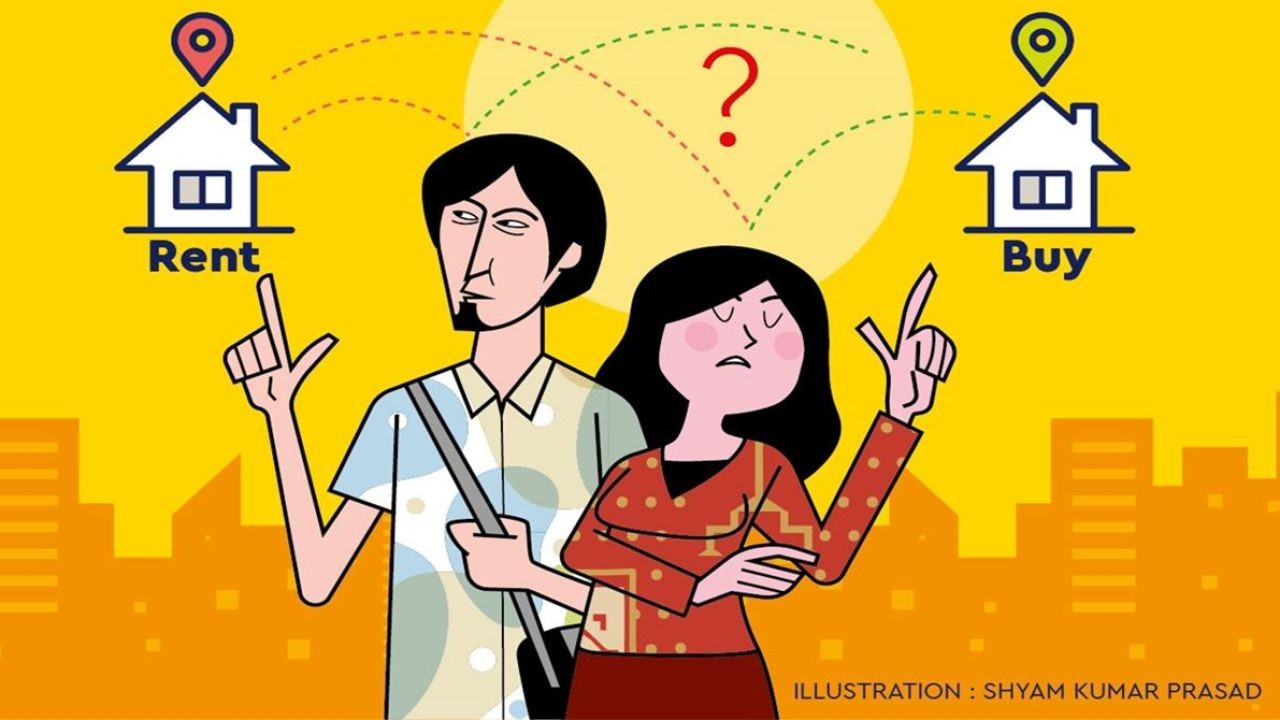
In 2025, New Zealand's housing market stands at a critical crossroads. The decision of whether to rent or buy has never been more complex. Rising property prices, fluctuating interest rates, and evolving economic policies are reshaping the landscape. This article explores the nuances of renting versus buying, providing a comprehensive analysis tailored for economic strategists and property investors in New Zealand.
The Current State of New Zealand's Housing Market
New Zealand's housing market has experienced significant changes over the past few years. According to Stats NZ, house prices increased by 27% between 2020 and 2024. While this growth has enriched property owners, it has also intensified affordability challenges for prospective buyers. The Reserve Bank of New Zealand's recent decisions on interest rates further complicate the picture. As borrowing costs rise, potential buyers are reassessing their options.
Renting: A Viable Alternative?
Renting has become an increasingly attractive option for many Kiwis. The Ministry of Business, Innovation & Employment (MBIE) reports that the median weekly rent in New Zealand has stabilized at approximately NZD 600. This stability offers predictability for individuals prioritizing financial flexibility over long-term investment.
Case Study: Auckland’s Rental Market
Problem: Auckland, New Zealand’s largest city, has been grappling with high property prices, making homeownership unattainable for many residents.
- The city's median house price reached NZD 1 million in 2024, according to the Real Estate Institute of New Zealand (REINZ).
- Young professionals and families faced significant barriers to entry in the property market.
Action: In response, the Auckland City Council increased the availability of rental properties through public-private partnerships.
- Developers were incentivized to build rental units, leading to a 15% increase in available rental properties by 2025.
Result: The initiative successfully alleviated pressure from the property market.
- Rental prices remained stable, and more residents could afford quality accommodation without committing to long-term mortgages.
Takeaway: Renting can provide a practical solution in high-demand areas, offering flexibility and reduced financial burden.
Buying: The Investment Perspective
Despite the allure of renting, the long-term benefits of property ownership cannot be ignored. Real estate remains a powerful investment vehicle, providing capital appreciation and potential rental income. In New Zealand, homeownership also offers a sense of stability and community involvement.
Pros and Cons of Renting vs. Buying
Pros of Renting:
- Flexibility: Renting offers the ability to relocate with ease, ideal for individuals with dynamic career paths.
- Lower Initial Costs: Renting requires a smaller upfront financial commitment compared to buying.
- Maintenance-Free Living: Landlords typically cover maintenance costs, reducing financial surprises.
Cons of Renting:
- Lack of Equity Building: Rent payments do not contribute to personal wealth accumulation.
- Rental Increases: Tenants may face periodic rent hikes, impacting long-term financial planning.
- Limited Control: Renters have less autonomy over property modifications and personal customization.
Pros of Buying:
- Equity Growth: Mortgage payments contribute to building equity and long-term wealth.
- Stability: Homeownership offers a sense of permanence and community belonging.
- Potential Rental Income: Owners can generate additional income by renting out portions of their property.
Cons of Buying:
- Higher Initial Costs: Buying requires significant upfront investment, including deposit and closing costs.
- Maintenance Responsibilities: Homeowners bear the financial burden of property upkeep.
- Market Volatility: Property values can fluctuate, potentially affecting long-term investment returns.
Common Myths About Renting and Buying
Myth: Buying a home is always a better investment than renting.
Reality: In some cases, renting can be more cost-effective, especially when factoring in maintenance costs and property taxes. Research by the University of Auckland suggests that in certain regions, renting may offer better financial outcomes over a five-year period.
Myth: Renting is throwing money away.
Reality: Renting provides flexibility and reduced financial risk, with no exposure to market downturns. It can be a strategic choice for those prioritizing other investments or lifestyle choices.
Debating the Best Financial Move
The debate between renting and buying often centers on financial considerations. Advocates of buying emphasize the long-term investment potential and security of homeownership. Conversely, proponents of renting highlight flexibility and reduced risk exposure.
Middle Ground: Rent-to-Own Schemes
Rent-to-own schemes offer a compromise, allowing tenants to eventually purchase the property they rent. These arrangements can provide a pathway to homeownership for individuals currently unable to secure a mortgage. As of 2025, several New Zealand developers are piloting rent-to-own projects in key urban areas.
Future Trends in New Zealand’s Housing Market
Looking ahead, the housing landscape in New Zealand is expected to undergo significant transformations. According to a report by Deloitte, technological advances in construction, such as prefabrication and modular housing, will reduce building costs, making homeownership more accessible. Additionally, government policies promoting sustainable living and urban densification will influence market dynamics.
Biggest Mistakes to Avoid
- Avoid underestimating the total cost of homeownership, including taxes, insurance, and maintenance.
- Don't overlook rental market trends; understanding these can prevent overpaying for a rental property.
- Ensure a comprehensive assessment of personal financial stability before committing to a mortgage.
Final Takeaways
- Renting offers flexibility and lower initial costs, suitable for those prioritizing financial liquidity.
- Buying provides long-term investment potential and stability, ideal for individuals seeking wealth accumulation.
- Consider personal circumstances, market conditions, and future plans when deciding between renting and buying.
Ready to make an informed decision? Analyze your financial goals and consult with a real estate expert to determine the best path forward for your unique situation. Whether renting or buying, each option offers distinct advantages in 2025's evolving New Zealand housing market.
Frequently Asked Questions (FAQ)
How does renting impact financial planning in New Zealand?
Renting provides financial flexibility and reduces exposure to market volatility. It allows individuals to allocate funds to other investments, enhancing overall financial planning.
What are the biggest misconceptions about buying a home in New Zealand?
One common myth is that homeownership is always more beneficial than renting. In reality, high property costs and maintenance expenses can make renting a more attractive option for some.
What strategies should first-time buyers consider in 2025?
First-time buyers should explore government incentives, such as the KiwiSaver HomeStart grant, and consider properties in emerging areas for better affordability and investment potential.
Related Search Queries
- Renting vs. buying a house in New Zealand
- New Zealand property market trends 2025
- Is renting better than buying in New Zealand?
- Pros and cons of buying a house in NZ
- Future of New Zealand real estate market
- KiwiSaver HomeStart grant application
- Auckland rental market analysis
- New Zealand housing affordability 2025
- Real estate investment strategies NZ
- Rent-to-own schemes in New Zealand