






For decades, New Zealand’s education system has been a point of national pride, often lauded for its progressive, child-centric approach and its consistent appearance in the upper tiers of global rankings. However, as we assess the landscape in 2025, a more complex and nuanced picture emerges. The nation no longer competes in a static field; it is navigating a rapidly evolving global education ecosystem defined by technological disruption, shifting economic demands, and intense competition for talent. For marketing specialists, policymakers, and business leaders, understanding where New Zealand truly stands—beyond the headline rankings—is critical. It directly impacts talent pipelines, innovation capacity, and the long-term economic narrative we can market to the world.
The Global Benchmarking Landscape: More Than Just PISA Scores
International rankings such as the OECD's Programme for International Student Assessment (PISA) have traditionally been the bellwether for educational performance. In the most recent pre-2025 data, New Zealand maintained a respectable position, typically placing just above the OECD average in reading, mathematics, and science. However, a deeper dive reveals persistent and concerning disparities. The 2022 PISA report highlighted that while top performers in New Zealand excel, the gap between the highest and lowest achievers is among the widest in the OECD. This equity challenge is a significant drag on our overall standing and future economic resilience.
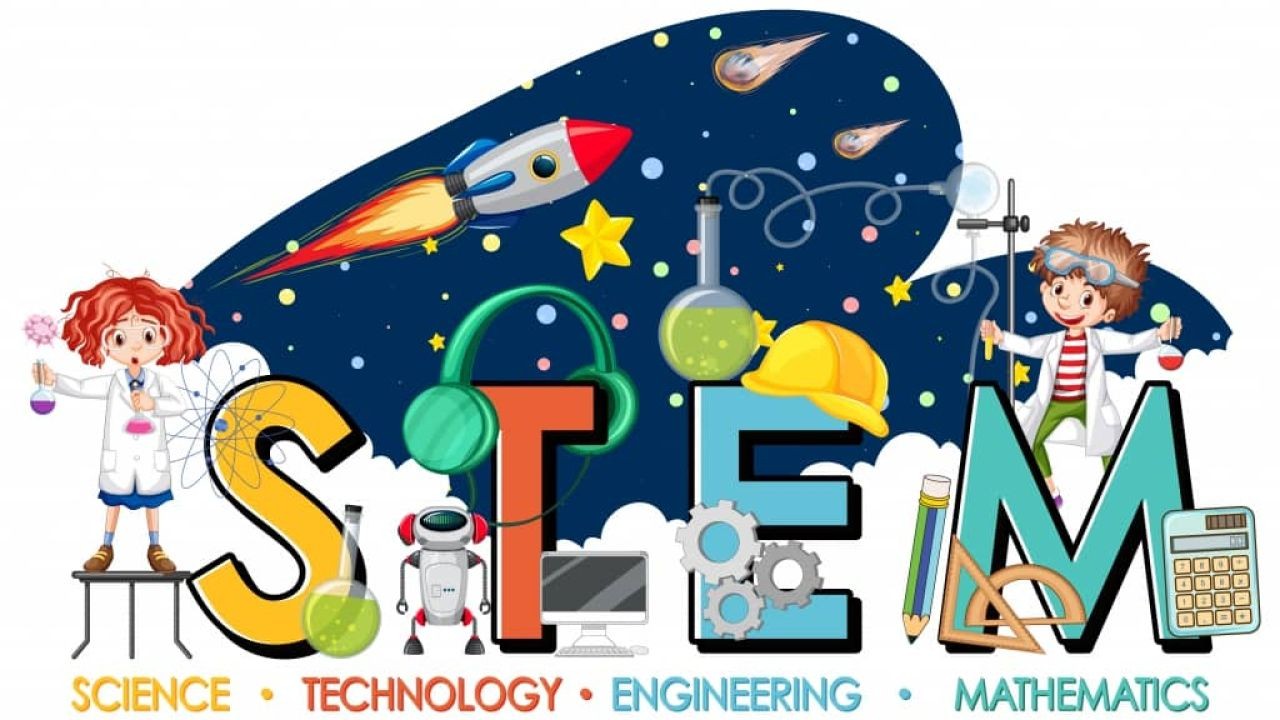
From observing trends across Kiwi businesses, I see this equity gap manifesting in real time. Companies in high-growth sectors like technology and advanced manufacturing consistently report a "talent squeeze," struggling to find domestically trained graduates with specialized STEM skills. This often forces them to look offshore, a costly and complex process. The data from Stats NZ's 2024 Education and Training indicators supports this, showing that while tertiary enrolment is high, completions in key engineering and ICT fields are not growing at the pace required to meet projected demand. Our ranking is not just an academic concern; it's a direct indicator of future workforce capability.
Key Actions for Kiwi Business Leaders
Marketing and HR departments must collaborate to bridge this gap. Proactive engagement with the education sector is no longer optional.
- Partner with Tertiary Institutions: Develop co-designed curricula, offer internships, and provide real-world project briefs to ensure graduates possess industry-relevant skills.
- Invest in Upskilling: Given the equity challenges in formal education, robust internal L&D programs are essential to cultivate talent from within.
- Advocate for Policy: Use your industry voice to support policies and initiatives aimed at improving STEM participation and achievement across all demographic groups.
Case Study: Singapore vs. New Zealand – A Tale of Two Philosophies
To understand New Zealand's position, a comparative analysis with a consistently top-ranked system like Singapore's is instructive. This is not about declaring one system superior, but about understanding strategic trade-offs.
Problem: Singapore’s system, renowned for its high performance, has historically faced criticism for intense pressure and a focus on rote learning. New Zealand’s system, with its emphasis on holistic development, critical thinking, and the well-regarded NCEA, aims to produce well-rounded citizens. However, this approach can sometimes come at the perceived cost of rigor in core academic disciplines, particularly in mathematics and science.
Action: In recent years, both nations have attempted to borrow from each other’s strengths. Singapore has introduced "Teach Less, Learn More" initiatives to foster creativity and reduce student stress. New Zealand, through its Refreshing the New Zealand curriculum work and the Literacy & Communication and Maths Strategy, is placing a renewed, structured focus on foundational skills within its flexible framework.
Result: The outcomes of these shifts are still unfolding. Singapore maintains its top-tier ranking while trying to inject more innovation. New Zealand is striving to lift achievement benchmarks without sacrificing its core philosophical strengths. The measurable result for New Zealand will be whether the next PISA cycle shows a narrowing of the equity gap and an uplift in mean scores, particularly in STEM.
Takeaway: For New Zealand marketers, this comparative analysis is a powerful narrative tool. We cannot simply market "a world-class education system" on past reputation. The authentic story is one of evolution: a progressive system consciously strengthening its academic foundations to meet 21st-century demands while holding true to its commitment to educating the whole child. This balanced story resonates with both international students and parents, and domestic industries.
The Hidden Engine: Early Childhood Education and Its Economic Impact
Much of the public and political discourse focuses on tertiary and secondary outcomes. However, an industry insight often overlooked by those outside the sector is the profound long-term economic ROI of high-quality Early Childhood Education (ECE). International studies, such as the renowned Perry Preschool Project, have demonstrated a return of up to $7 for every $1 invested in quality ECE, through increased lifetime earnings, reduced social costs, and higher educational attainment.
In New Zealand, participation in ECE is high, but quality and access are uneven. Drawing on my experience in the NZ market, I've seen forward-thinking regional economic development agencies start to frame ECE not as a social cost, but as critical infrastructure for future workforce development and community prosperity. The 20-Year Strategic Plan for Early Learning is a policy step in this direction, but its implementation and funding are what will determine its impact on our future global ranking.
Next Steps for Kiwi Policymakers and Advocates
The marketing of New Zealand as an innovative, knowledge-based economy must start at the very beginning.
- Demand Data-Driven Investment: Advocate for increased public and private investment in ECE by framing it with hard economic development metrics, not just educational ones.
- Promote Quality Parity: Support initiatives that ensure quality ECE is accessible in all communities, particularly low-income and rural areas, to address equity at its root.
- Tell the Long-Term Story: Businesses should communicate their support for ECE as part of their long-term sustainability and talent strategies.
Debunking Common Myths About New Zealand's Global Ranking
- Myth: "New Zealand's education system is falling behind because we spend less than other countries." Reality: According to OECD data, New Zealand’s annual expenditure per student is actually above the OECD average across primary, secondary, and tertiary levels. The challenge is not purely the amount, but the effectiveness and distribution of that spending in achieving equitable outcomes.
- Myth: "Our progressive curriculum (like NCEA) is too easy and doesn't prepare students for the real world." Reality: NCEA’s flexibility is both its strength and its weakness. When well-implemented, it allows for personalized pathways that can include both academic and vocational achievement. The current curriculum refresh explicitly aims to ensure clear benchmarks and a stronger foundation in core literacies, addressing past criticisms.
- Myth: "A high global ranking means the system is working perfectly for everyone." Reality: As the PISA data shows, a high mean score can mask severe inequity. A system’s true health is measured not just by its peak performers, but by the floor it provides for its lowest achievers. This is New Zealand's most pressing challenge.
The Digital Divide: Technology as an Amplifier, Not a Panacea
The rapid integration of EdTech was accelerated by the pandemic. In 2025, the conversation has shifted from mere access to technology to the quality of its use and the digital equity that underpins it. Having worked with multiple NZ startups in the EdTech space, I've observed a promising landscape of innovation. However, a stark digital divide persists. A 2023 report by the 2023 Digital Inclusion Blueprint highlighted that many low-income households and rural communities still lack reliable, affordable broadband and appropriate devices.
This creates a two-tier system: schools and students with the resources to leverage technology for personalized, creative learning, and those for whom technology is a source of frustration and further disadvantage. For New Zealand to improve its global competitiveness, closing this divide is as fundamental as closing the achievement gap in literacy. Technology in education does not automatically elevate a ranking; it amplifies the underlying system's strengths and weaknesses.
Future Trends: The Skills That Will Redefine "Ranking" by 2030
By the end of this decade, the metrics for a "successful" education system will have evolved. Based on analysis of reports from the World Economic Forum and NZTech, future-focused rankings will likely place greater weight on:
- Adaptability & Cognitive Flexibility: The ability to unlearn and relearn in the face of AI and automation.
- Digital and Data Literacy: Moving beyond basic computer skills to critical evaluation of information and ethical use of AI tools.
- Collaborative Problem-Solving: Skills nurtured through New Zealand's strong tradition of group work and project-based learning.
- Entrepreneurial Mindset: The capacity to innovate and create value, a area where New Zealand's culture of ingenuity is a natural asset.
New Zealand's education system, with its historical emphasis on critical thinking and holistic development, is arguably better positioned than more rigid, exam-focused systems to adapt to this new criteria. The pivotal question is whether it can couple these strengths with the disciplined uplift in core competencies currently underway.
Final Takeaway & Call to Action
New Zealand's education system in 2025 occupies a pivotal space. It is not in decline, but at a crossroads. Its progressive foundations are a strategic asset in a world valuing creativity and adaptability, but its persistent equity gaps and variable performance in core subjects are tangible liabilities. The system's future global rank will be determined by the success of current reforms to strengthen foundational skills while preserving its innovative spirit.
For marketing specialists and business leaders, the imperative is clear: move beyond passive commentary. Engage directly. Your talent pipeline and the country's economic brand depend on it. Partner with schools, advocate for policies that marry excellence with equity, and invest in lifelong learning for your teams. The story of New Zealand education is still being written. Will you be a critic in the stands, or a co-author of its next, more competitive chapter?
What’s your experience with the talent pipeline from NZ’s education system? Share your insights and challenges in the comments below.
People Also Ask (FAQ)
How does New Zealand's education ranking impact its economy? A lower or stagnant ranking, particularly in STEM fields, signals a weaker future talent pipeline, increasing business costs for recruitment and training, and potentially limiting foreign investment in knowledge-intensive industries. It directly affects national productivity and innovation capacity.
What is the biggest strength of New Zealand's education system? Its greatest strength is its focus on developing critical thinking, creativity, and well-rounded citizens, rather than pure exam performance. This aligns with future global skill demands but must be balanced with stronger, more equitable outcomes in core academic disciplines.
What can parents do to navigate the system effectively? Engage actively with your child’s learning journey, understand the pathways offered by NCEA, and advocate for support if needed. Look for schools that successfully balance the development of core skills with the encouragement of creativity and problem-solving.
Related Search Queries
- New Zealand PISA scores 2025
- NCEA vs IB vs Cambridge New Zealand
- STEM education in New Zealand schools
- Digital divide in NZ education
- Best universities in New Zealand ranking 2025
- Early childhood education quality New Zealand
- New Zealand curriculum refresh 2025
- International student satisfaction New Zealand
- Maori and Pasifika achievement gap education
- Future skills New Zealand workforce 2030
For the full context and strategies on New Zealand’s Education System: How It Ranks Globally in 2025 – Is It Worth the Hype for Kiwis?, see our main guide: Tech Product Launch Videos Nz.