




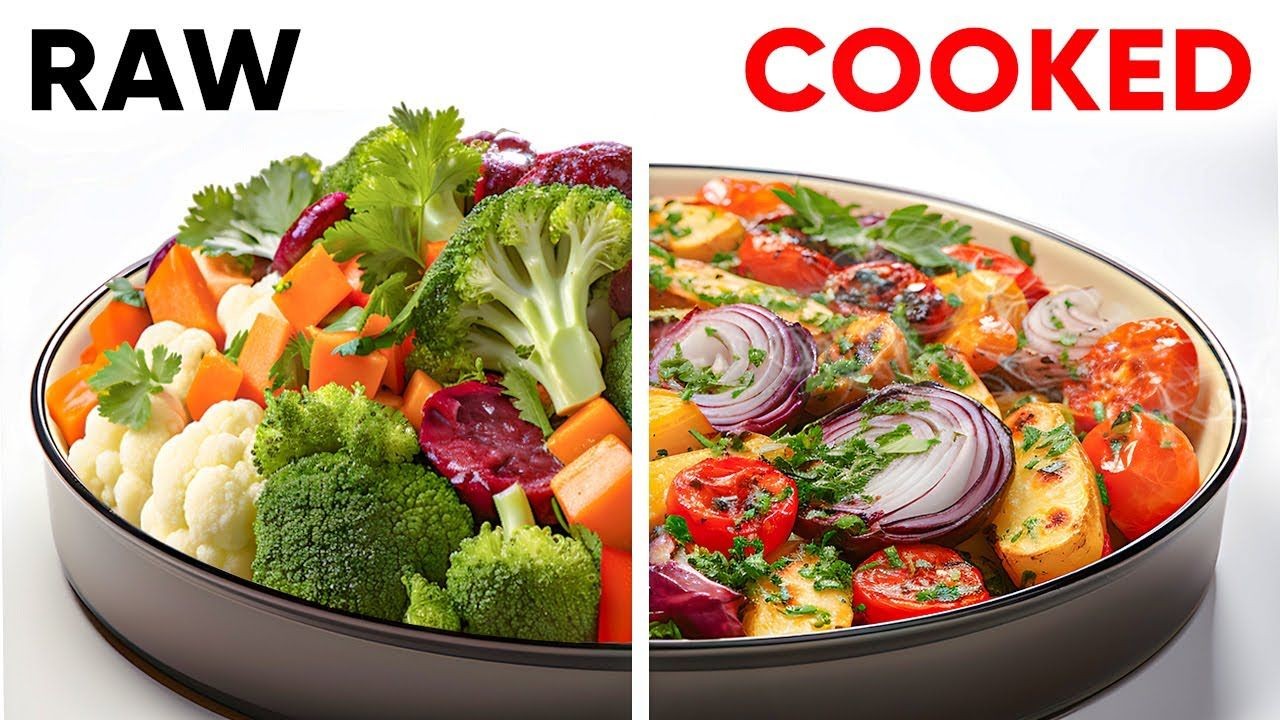
The debate between raw and cooked food is often framed as a simplistic binary, a clash of ideologies between wellness purists and culinary traditionalists. For agribusiness consultants and executives, this is a dangerous oversimplification. The real question isn't which is universally "better," but rather how the nutrient bioavailability of agricultural outputs is fundamentally altered by processing—a variable with massive implications for supply chain strategy, product positioning, and market value. In Australia, where premium food exports and domestic health trends drive significant revenue, understanding this science is not academic; it's a critical lever for competitive advantage and ROI.
The Core Mechanism: How Processing Unlocks—And Destroys—Value
Nutrient retention is a dynamic equation of loss and gain, dictated by the sensitivity of compounds to heat, water, and oxygen. Viewing food solely through a "raw" lens ignores the transformative, and often beneficial, biochemical changes induced by controlled processing. The key for agribusiness is to strategically apply processing to maximize the economic value of the nutrient profile for the target market.
The Case for Strategic Nutrient Enhancement Through Heat
Cooking is not merely a convenience; it's a value-adding process. Thermal processing can:
- Increase Bioavailability of Key Nutrients: Heat breaks down tough plant cell walls and denatures proteins, liberating nutrients otherwise locked away. The classic example is lycopene in tomatoes; processing increases its bioavailability by over 300%. For an Australian horticultural business, this translates to a powerful marketing narrative for processed tomato paste, sauces, and canned products versus fresh.
- Neutralise Anti-Nutritional Factors (ANFs): Legumes and grains contain compounds like lectins and phytates that can inhibit mineral absorption and cause digestive distress. Cooking deactivates these ANFs. For Australian pulse producers (lentils, chickpeas), this is a crucial food safety and quality message that adds value to pre-cooked, canned, or flour products.
- Improve Digestibility and Energy Yield: The human body spends less energy digesting cooked starches and proteins. From a nutritional economics perspective, this means more net energy and protein is delivered per gram of food consumed—a critical factor in product development for performance nutrition or aged care segments.
The Inevitable Trade-Off: Heat-Sensitive Nutrient Depletion
The downside is equally quantifiable. Thermal processing, especially with water (boiling) or prolonged high heat, leads to leaching and degradation of:
- Water-Soluble Vitamins (B & C): These are highly vulnerable. Boiling broccoli, for instance, can lead to a 50-60% loss of vitamin C. For Australian brassica growers, this data argues for promoting rapid blanching and freezing (which preserves most nutrients) or marketing fresh produce for its premium vitamin C content.
- Certain Phytochemicals: Some antioxidants and enzymes, like the myrosinase in broccoli needed to form sulforaphane, are heat-sensitive. This creates niche opportunities for cold-pressed juices, fermented products, or minimally processed "raw" snack lines commanding higher margins.
Strategic Framework: A 2x2 Matrix for Agribusiness Decision-Making
To move beyond debate, I use a strategic 2x2 matrix with clients, plotting Nutrient Density against Processing Impact on Bioavailability. This frames product development and marketing.
- Quadrant 1 (High Density, High Enhancement via Processing): Tomatoes, carrots, legumes, eggs, meat. Strategy: Develop and market value-added processed forms (sauces, purees, cooked legumes, ready meals) with clear messaging on enhanced nutrient availability.
- Quadrant 2 (High Density, High Degradation via Processing): Broccoli, spinach, capsicum, berries. Strategy: Prioritise fresh supply chains, cold-press, freeze-drying, or minimal processing (e.g., baby spinach). Market on "fresh-locked" nutrients and enzyme activity.
- Quadrant 3 (Low Density, Variable Impact): Iceberg lettuce, cucumber. Strategy: Compete on non-nutrient attributes (texture, crunch, water content, low calorie).
- Quadrant 4 (Moderate Density, Neutral/Positive Impact): Potatoes, grains. Strategy: Focus on energy delivery, staple food positioning, and fortification opportunities.
From consulting with local businesses across Australia, I've seen producers in the almond industry successfully leverage this. They market raw almonds for their enzyme content, while also promoting roasted almonds for their enhanced flavour and still-excellent mineral profile, effectively capturing different consumer segments from the same crop.
Where Most Agribusiness Brands Go Wrong
Common strategic errors stem from a one-dimensional view of nutrition and consumer trends.
Myth 1: "Raw is Always Superior and Commands the Highest Premium." Reality: This is a marketing trap. While a "raw" label can justify a price premium in wellness channels, it ignores science and limits product applications. A Tasmanian salmon farmer focusing solely on sashimi-grade raw sales misses the larger market for perfectly cooked, ready-to-eat salmon rich in bioavailable protein and omega-3s, which can be sold into food service with higher volume consistency.
Myth 2: "Nutrient Loss is Always Bad and Indicates Poor Quality." Reality: It's a managed trade-off. The goal is not 100% retention, but optimal delivery of the nutrients that matter for the product's purpose. A baby food manufacturer using high-pressure processing (HPP) instead of thermal pasteurisation might retain more vitamin C, but if the product lacks the shelf-life for national distribution, the business model fails. The cost of nutrient loss must be weighed against safety, shelf-life, and scale.
Myth 3: "Consumer Trends Should Dictate Our Processing Infrastructure." Reality: This is reactive. Proactive agribusinesses use nutritional science to shape trends. Having worked with multiple Australian startups in the functional food space, the winners are those who start with a target nutrient outcome (e.g., "maximise bioavailable iron from native bush tomatoes") and then engineer the processing method—be it fermentation, precise roasting, or encapsulation—to achieve it, creating a unique, defensible product.
Case Study: The Australian Lupin Transformation – From Stock Feed to Superfood
Problem: Australian sweet lupin, a high-protein, high-fibre legume, was historically a low-value stock feed. Despite its outstanding nutritional profile (40% protein, 30% fibre), it contained anti-nutritional factors and had a bitter taste, limiting human consumption and its market value.
Action: A coordinated effort between research bodies (like the Grains Research and Development Corporation) and forward-thinking processors focused on strategic processing. They developed specific dehulling and milling techniques to create lupin kernel flour. Critically, they invested in consumer education, highlighting that this processing made the protein and fibre highly bioavailable and palatable, positioning it as a superior, gluten-free alternative to soy and wheat.
Result: The value chain was transformed.
- Lupin for human consumption now commands a price 3-5 times higher than stock feed lupin.
- It has spawned a new product category in baking, plant-based meats, and supplements.
- Exports of value-added lupin products have grown significantly, contributing to a more resilient agricultural sector.
Takeaway: This is a masterclass in using processing to unlock nutritional and economic value. The processing wasn't hidden; it was the core of the value proposition. Australian agribusinesses can apply this model to other underutilised crops (e.g., certain native grains) by identifying the processing key that unlocks bioavailability and consumer acceptance.
The Australian Context: Regulatory and Economic Imperatives
This discussion is grounded in local reality. Australia's Food Standards Australia New Zealand (FSANZ) provides a regulatory framework where nutrient content claims (e.g., "high in protein") are strictly defined. A business claiming a "high fibre" benefit for a lupin-based bar must ensure the processing method retains enough of the specific dietary fibre to meet the regulatory threshold—a direct link between processing science and compliant marketing.
Furthermore, data from the Australian Bureau of Statistics (ABS) shows that over 35% of the average household's food budget is spent on highly processed, discretionary foods. The strategic opportunity lies not in fighting this trend, but in redirecting it. By developing nutrient-enhanced processed foods—through intelligent thermal, fermentation, or preservation techniques—agribusiness can capture value in this large market segment while improving public health outcomes, aligning with government priorities around preventive health.
Actionable Recommendations for Australian Agribusiness Leaders
- Conduct a Nutrient-Processing Audit: Map your key products or commodities on the 2x2 matrix. Identify which quadrant you currently compete in and where opportunities for value-added processing exist.
- Invest in Precision Processing Technology: Move beyond blunt thermal methods. Evaluate High-Pressure Processing (HPP), fermentation, vacuum-steaming, or freeze-drying for specific product lines where nutrient retention is the primary value driver. The capital expenditure should be justified by a premium price point and market share gain.
- Build Marketing Narratives Around Bioavailability, Not Just Content: Shift labels and campaigns from "contains X grams of protein" to "provides highly bioavailable protein." Use science to tell a more sophisticated story that justifies premium positioning.
- Engage with R&D Corporations Early: Partner with bodies like GRDC, Hort Innovation, or CSIRO to co-develop processing methods tailored to your crop's unique nutritional profile. This de-risks innovation and leverages public-good research for commercial gain.
The Future of Food Processing: Personalised Nutrition and AI-Driven Optimisation
The frontier is moving from generic processing to precision nutrition. We will see the rise of adaptive processing lines where AI, using real-time spectral analysis, adjusts temperature and time to optimise for a target nutrient profile based on the raw batch's initial composition. Imagine an almond processor that can dynamically route batches: those highest in a particular enzyme to a raw cold-press line, and others to a precisely calibrated roasting line for optimal antioxidant preservation. This hyper-efficiency maximises the economic yield from every tonne of raw commodity, a decisive competitive edge for Australian exporters facing global cost pressures.
Final Takeaway & Call to Action
The raw versus cooked debate is obsolete for strategic thinkers. The imperative for Australian agribusiness is to master the strategic application of processing as a tool to engineer nutritional and economic outcomes. The goal is to transform commodities into ingredients with defined, marketable nutritional functionality. Your next step is not to choose a side, but to analyse your portfolio through the lens of nutrient bioavailability and ask: "What processing key can unlock the maximum value in this crop for our target customer?"
Challenge for your executive team: In your next product development meeting, ban the words "raw" and "cooked." Instead, mandate discussion on "target nutrient delivery" and "bioavailability optimisation." This shift in language will drive a shift in strategy, from following food fads to creating valuable, science-backed food solutions.
People Also Ask
How does this impact export opportunities for Australian agriculture? By focusing on processed products with enhanced or guaranteed nutrient profiles, Australian exporters can move beyond competing on commodity price. They can build branded, defensible products in high-growth segments like sports nutrition, aged care, and functional foods, leveraging Australia's clean, green reputation.
What's the biggest cost mistake in this area? Investing in generic processing infrastructure without a clear, science-based hypothesis for how it alters the nutrient-value equation for a specific crop. The ROI comes from tailored, precision processing that creates a unique selling proposition, not from mere preservation or convenience.
What upcoming trends will affect this in Australia? The push for sustainable packaging and carbon-neutral supply chains will intersect with processing. Methods like fermentation (for plant-based proteins) or precision cooking that reduce food waste and extend shelf-life without preservatives will see increased investment and consumer favour.
Related Search Queries
- nutrient bioavailability in processed foods Australia
- adding value to agricultural produce through processing
- high pressure processing HPP investment ROI Australia
- FSANZ nutrient content claims guide for manufacturers
- best processing methods for Australian native foods
- cost-benefit analysis of freeze-drying for agribusiness
- plant-based protein processing trends Australia 2024
- how to market bioavailability to consumers
For the full context and strategies on Raw Food vs. Cooked Food – Which One Has More Nutrients? – The Real Reason It’s Exploding in Australia, see our main guide: Nonprofit Charity Videos Australia.