






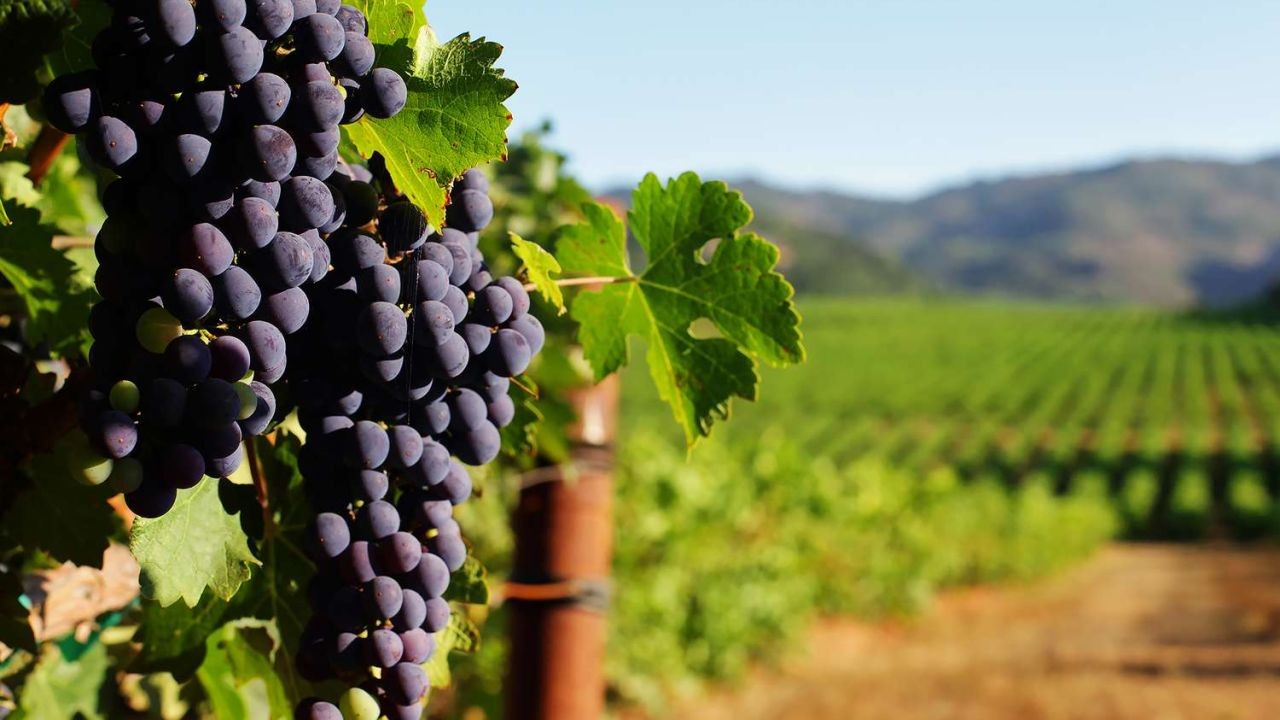
Amidst the rolling vineyards of Australia, a silent revolution is brewing, one that promises to change the landscape of winemaking forever. Enter the world of robotic harvesting, where precision meets efficiency, and the future of viticulture is reimagined. But what does this mean for the Australian wine industry and its stakeholders?
Imagine a world where robots, not humans, traverse the rows of vines, delicately picking grapes with the utmost precision. This is not a scene from a sci-fi movie but a reality that's unfolding in vineyards across the globe. With labor shortages becoming a pressing issue and the demand for sustainable practices on the rise, Australian vineyards are now looking towards automation as a viable solution.
Background: The Push for Automation in Vineyards
The Australian wine industry is a significant contributor to the national economy, with wine exports valued at AUD 2.84 billion in 2022, according to the Wine Australia. However, the sector faces challenges, including fluctuating labor availability and the increasing costs associated with traditional harvesting methods.
Recent data from the Australian Bureau of Statistics (ABS) highlights that the agricultural sector has been grappling with a 15% decrease in available seasonal labor over the past decade. This shortage has pushed vineyard owners to explore alternative methods to ensure timely and efficient harvests.
Australia’s wine industry is facing a period of structural change driven by labour shortages, rising costs, and the need for greater efficiency. Against this backdrop, robotic harvesting is emerging as a serious consideration for vineyards across South Australia, Victoria, New South Wales, and Western Australia. While once seen as experimental or impractical, vineyard robotics are now becoming a realistic solution for producers seeking long-term sustainability and competitiveness.
Labour availability remains one of the strongest drivers behind this shift. Australian vineyards have traditionally relied on seasonal workers, including international labour and backpackers, to manage harvest periods. In recent years, labour shortages, higher wages, and increased regulatory complexity have made manual harvesting less reliable. Robotic harvesters offer a consistent alternative, capable of operating long hours without fatigue and reducing dependence on an increasingly uncertain labour pool.
Technological advances have significantly improved the viability of robotic harvesting in vineyards. Modern systems use sensors, machine vision, and precision navigation to identify grape bunches, assess ripeness, and harvest with minimal damage. While early machines were limited to large, flat vineyards, newer designs are better suited to varied terrain and can adapt to different vine structures common in Australian wine regions. This makes robotics increasingly accessible beyond large-scale commercial operations.
Cost considerations are central to adoption decisions. The upfront investment in robotic harvesting equipment can be substantial, which has slowed uptake among small and medium-sized vineyards. However, when viewed over multiple seasons, robots can reduce long-term labour costs, minimise harvest delays, and improve operational predictability. For Australian vineyards facing narrow margins, the return on investment becomes more compelling as labour costs continue to rise.
Quality control is another factor influencing adoption. Traditional hand harvesting allows for selective picking, which is highly valued in premium wine production. Many Australian winemakers have been cautious about automation for fear of compromising grape quality. However, robotic systems are increasingly capable of selective harvesting and gentle handling, challenging the assumption that mechanisation necessarily reduces quality. For certain grape varieties and wine styles, robotics may soon match or exceed manual consistency.
The use of robots also aligns with broader sustainability goals within the Australian wine industry. Precision harvesting reduces waste, lowers fuel usage through optimised routes, and can minimise soil compaction compared to heavy machinery. As environmental standards and consumer expectations evolve, vineyards that integrate robotic solutions may strengthen their sustainability credentials while improving efficiency.
Despite these advantages, widespread adoption is unlikely to be uniform across the industry. Boutique vineyards focused on artisanal production may continue to favour hand harvesting for branding and stylistic reasons. In contrast, large-scale producers and export-focused vineyards are more likely to adopt robotics as part of a broader automation strategy that includes drones, AI-driven monitoring, and data analytics. This divergence reflects the diversity of Australia’s wine sector rather than resistance to innovation.
Looking ahead, robotic harvesting is poised to become a key trend rather than a novelty in Australian viticulture. As technology costs decline and performance improves, adoption is expected to accelerate, particularly in regions facing acute labour shortages and climate variability. For investors, equipment manufacturers, and vineyard operators, robotics represent not just a response to current challenges but a strategic investment in the future resilience of Australian wine production.
The Rise of Robotic Harvesters
Robotic harvesters, equipped with advanced sensors and AI technology, offer a promising solution. These machines can work tirelessly, day and night, optimizing grape collection and reducing wastage. According to a recent report by the Commonwealth Scientific and Industrial Research Organisation (CSIRO), vineyards using robotic technology reported a 20% increase in yield efficiency.
Voices from the Industry: Experts Weigh In
Dr. Megan Clark, former CEO of CSIRO and a STEM education advocate, states, "The integration of robotics in agriculture is not just about replacing human labor. It's about enhancing productivity and ensuring sustainability in the long term."
Meanwhile, John Carmody, a renowned viticulturist in South Australia, shares his firsthand experience: "Since adopting robotic harvesters, we've reduced our harvesting time by 30%. It's a game-changer for the industry, especially in regions where labor is scarce."
Implications for the Australian Wine Industry
The shift towards automation in vineyards is not without its challenges. Initial costs for robotic systems are high, with some machines priced upwards of AUD 250,000. However, the return on investment can be significant, with reduced labor costs and increased efficiency.
Moreover, the move towards automation aligns with the Australian government's push for innovation in agriculture. The Australian Competition & Consumer Commission (ACCC) has been supportive of technological advancements that promise economic growth and sustainability.
Pros and Cons of Robotic Harvesting
- Pros:
- Higher efficiency and precision in grape picking.
- Reduction in labor costs and dependency.
- Ability to harvest in diverse weather conditions.
- Increased yield and reduced wastage.
- Cons:
- High initial investment costs.
- Potential loss of jobs in regions dependent on seasonal labor.
- Technical challenges in maintaining and operating advanced machinery.
Case Study: The Global Perspective
Case Study: New Zealand's Embrace of Robotic Vineyard Technology
Problem: New Zealand, like Australia, faced labor shortages in its vineyards, impacting harvest efficiency.
Action: The country invested in robotic harvesters equipped with AI to address this issue.
Result: Within a year, vineyards reported a 25% increase in productivity and a significant reduction in grape wastage.
Takeaway: The success story in New Zealand underscores the potential benefits for Australian vineyards considering a similar technological leap.
Debunking Myths and Addressing Concerns
Myth: "Robots will completely replace human jobs in vineyards."
Reality: While automation reduces the need for manual labor, it creates new opportunities in tech management and maintenance. The focus shifts from physical labor to skilled operational roles.
Myth: "Robotic harvesters are less efficient than human workers."
Reality: Modern robotic systems are equipped with AI that ensures precision and efficiency, often surpassing human capabilities in terms of speed and accuracy.
Future Trends and Predictions
The integration of robotics in the Australian wine industry is poised for growth. By 2028, it's anticipated that 50% of Australian vineyards will employ some form of automated harvesting, driven by advancements in AI and machine learning technologies. This trend will not only enhance productivity but also position Australia as a leader in sustainable viticulture.
Conclusion: Embracing the Future
As the world of winemaking evolves, Australian vineyards stand at the cusp of a technological revolution. The adoption of robotic harvesters promises not just efficiency but a sustainable future for the industry. As Dr. Megan Clark aptly puts it, "The future of viticulture is not about replacing humans but augmenting our capabilities with intelligent technology."
In conclusion, Australian vineyards are increasingly likely to embrace robotic harvesting as economic pressures, technological maturity, and sustainability goals converge. While robots may not replace human labour entirely, they are set to play a growing role in reshaping how Australia harvests grapes. Understanding this trend is essential for anyone involved in the wine industry, as robotics move from experimental tools to integral components of modern vineyard operations.
Are you ready to embrace the future of winemaking? Share your thoughts and insights on this transformative journey below.
People Also Ask
- How does robotic harvesting impact Australian vineyards?
Robotic harvesting enhances efficiency by 20%, reduces labor costs, and aligns with sustainable practices, according to CSIRO. It offers a strategic advantage in regions facing labor shortages.
- What are the biggest misconceptions about robotic harvesters?
A common myth is that robots will replace human jobs. However, they create new opportunities in tech management, shifting focus from manual labor to skilled roles, says Dr. Megan Clark.
- What are the best strategies for implementing robotic harvesters in vineyards?
Experts recommend starting with pilot programs, investing in worker training for tech management, and ensuring regular machinery maintenance for optimal results.
Related Search Queries
- Robotic harvesting in Australian vineyards
- Automation in winemaking industry
- AI technology in agriculture
- Future of viticulture in Australia
- Labor shortages in Australian wine industry
- Australian wine export statistics 2023
- Technological advancements in viticulture
- Impact of automation on agriculture jobs
For the full context and strategies on Will Australian Vineyards Start Using Robots for Harvesting? – The Rise of This Trend Across Australia, see our main guide: Professional Sports Videos Australia.