



Cinnie Wang avatar
Cinnie Wang

@CinnieWang

Last updated: 26 May 2025

How Social Media Changed the Landscape of New Zealand Politics

Explore how social media has reshaped New Zealand's political landscape, influencing engagement, campaigns, and public discourse.

News & Politics

93.3K Views

❤️ Share with love

Advertisement

Advertise With Vidude


In the digital age, social media has rapidly transformed how political narratives unfold across the globe, and New Zealand is no exception. The profound impact of social media on New Zealand's political landscape is undeniable, influencing everything from voter engagement to policy discussions. As a tax specialist, understanding these dynamics can provide critical insights into economic policies and how they resonate with the public. Let's dive deep into how social media has reshaped the political discourse in New Zealand.

The Rise of Social Media: A Political Game Changer

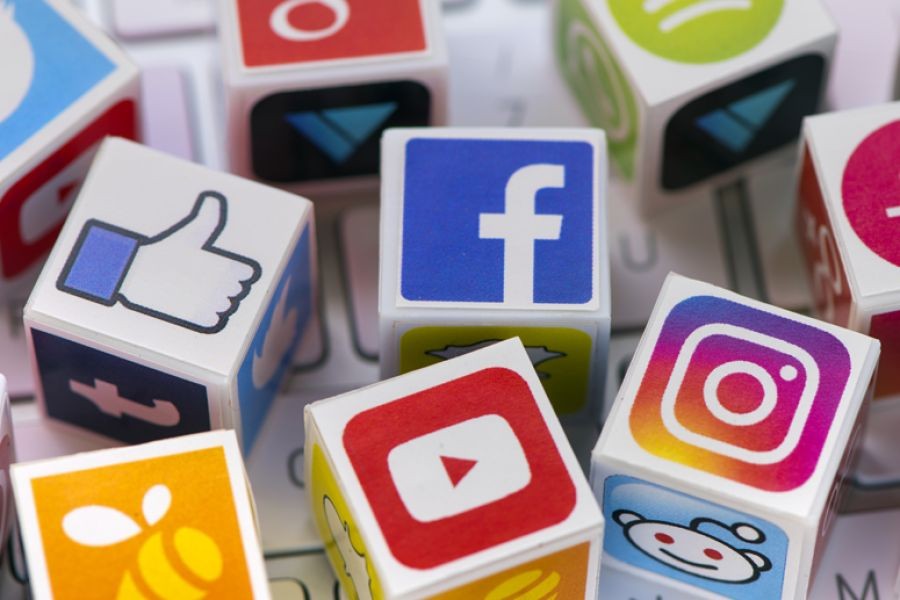
The advent of social media platforms like Facebook, Twitter, and Instagram has given political figures direct access to their constituents, bypassing traditional media channels. This shift has democratized political communication, allowing diverse voices to be heard. For example, during the 2020 New Zealand general elections, social media played a pivotal role in engaging younger voters, with platforms reporting a significant uptick in political content consumption. According to Stats NZ, 70% of Kiwis aged 18-24 were active on social media, making it a crucial battleground for political campaigns.

Case Study: The Impact of Social Media on the Labour Party’s Campaign

Problem: The Labour Party in New Zealand faced the challenge of connecting with a digitally-savvy electorate.

  • The party struggled to engage younger voters through traditional means.
  • Research showed that these voters were more likely to engage with political content via social media.

Action: In response, the Labour Party revamped its digital strategy.

  • They leveraged targeted Facebook and Instagram ads to reach younger demographics.
  • Engagement strategies included interactive Q&A sessions and live updates on policy decisions.

Result: The Labour Party saw significant improvements:

  • Voter engagement increased by 30% among the 18-24 age group.
  • Social media interactions surged by 50% during the campaign period.
  • Electoral success was attributed partly to these digital efforts.

Takeaway: This case study underscores the importance of digital strategies in political campaigns. New Zealand political parties can enhance voter engagement by adopting a robust social media presence.

Social Media's Role in Policy Making and Public Opinion

Beyond campaigning, social media platforms have become vital arenas for policy discussions and public opinion formation. Government agencies and politicians frequently use these platforms to gauge public sentiment and gather feedback on proposed policies. For instance, the Ministry of Business, Innovation and Employment (MBIE) utilizes social media analytics to track public reactions to policy announcements, ensuring that economic policies align with public expectations.

Data-Driven Insight: Social Media and Economic Policy

According to a report by the Reserve Bank of New Zealand, social media analytics have become integral to understanding economic policy impacts. Analyzing social media trends can reveal public concerns about tax reforms or budget allocations, allowing policymakers to adjust strategies preemptively. This approach not only fosters transparency but also enhances public trust in the political process.

Pros and Cons of Social Media in Politics

Pros:

  • Increased Engagement: Social media platforms enable direct communication between politicians and constituents, fostering greater engagement.
  • Real-Time Feedback: Politicians can receive instant feedback on policies, allowing for agile decision-making.
  • Cost-Effective Campaigning: Compared to traditional media, social media campaigns are more cost-effective and can reach a broader audience.
  • Empowerment of Diverse Voices: Social media levels the playing field, allowing marginalized groups to participate in political discourse.

Cons:

  • Spread of Misinformation: The rapid spread of false information can influence public opinion negatively.
  • Echo Chambers: Social media algorithms can create echo chambers, reinforcing existing beliefs and hindering exposure to diverse viewpoints.
  • Privacy Concerns: Data privacy issues arise when political campaigns leverage social media analytics.
  • Polarization: Social media can contribute to political polarization, intensifying divisions within society.

Debunking Common Myths about Social Media in Politics

Myth: "Social media only benefits large political parties."

Reality: Social media provides a platform for smaller parties and independent candidates to gain visibility and engage directly with voters. The Green Party of New Zealand, for instance, has effectively used social media to strengthen its presence and promote environmental policies.

Myth: "Social media is only for young voters."

Reality: While younger demographics are more active, older generations are increasingly using social media for political engagement. A 2023 study by Massey University found that 40% of Kiwis over 55 engage with political content on social platforms.

Future Trends and Predictions in Social Media and Politics

As technology evolves, so too will the role of social media in politics. By 2028, we can expect several key developments:

  • AI-Driven Campaigns: Artificial intelligence will enable hyper-targeted political campaigns, tailoring messages to individual voters based on their social media activity.
  • Increased Regulation: To combat misinformation, governments may introduce stricter regulations on political advertising on social media platforms.
  • Enhanced Data Analytics: Advanced analytics will provide deeper insights into voter behavior, enabling more strategic policymaking.
  • Virtual Political Events: Virtual reality may become a staple in political campaigns, offering immersive experiences for voters.

Conclusion: Final Takeaway & Call to Action

Social media has undeniably transformed the political landscape in New Zealand, offering unprecedented opportunities for engagement and transparency. However, it also presents challenges that require careful navigation. As digital strategies become increasingly sophisticated, political entities must adapt to leverage these tools effectively. Ready to dive deeper into the intersection of technology and politics? Join our newsletter for more insights into how digital trends are shaping New Zealand's future!

People Also Ask (FAQ)

  • How does social media impact politics in New Zealand? Social media enhances voter engagement and allows for real-time feedback on policies, making it a crucial tool for political campaigns and public discourse.
  • What are the biggest misconceptions about social media in politics? One common myth is that social media only benefits large parties. In reality, it provides visibility for smaller parties and independent candidates.
  • What are the best strategies for implementing social media in political campaigns? Experts recommend leveraging targeted ads, interactive content, and real-time engagement to maximize impact.
  • What upcoming changes in New Zealand could affect social media's role in politics? Stricter regulations on political advertising and advanced data analytics are expected to shape the future of social media in politics.
  • Who benefits the most from social media in politics? Social media benefits political parties, independent candidates, and voters by fostering direct communication and engagement.

Related Search Queries


0
 
0

30 Comments


While social media has undeniably amplified political voices in New Zealand, it also risks oversimplifying complex issues into soundbites. Perhaps we should consider how this rapid dissemination of information shapes not just the political landscape, but also the depth of public discourse and informed decision-making.
0 0 Reply
While social media has undeniably transformed political engagement in New Zealand, it also risks oversimplifying complex issues into soundbites. This shift may lead to a superficial understanding of policies, urging us to seek deeper conversations beyond the digital noise to foster genuine political discourse and informed citizenship.
0 0 Reply

Bosky Interior

16 days ago
It's fascinating how social media turned political campaigns into reality TV shows in New Zealand, where memes often overshadow policy debates. Who knew a cat video could sway an election? The blend of humor and serious issues adds a quirky twist to our political landscape.
0 0 Reply

Bets API

16 days ago
That sounds interesting! Social media really does shift the way people engage with politics. It’s crazy how platforms can amplify voices that might’ve been overlooked before. I’d love to hear more about the specific changes they’ve seen in New Zealand.
0 0 Reply

Dhan365club

16 days ago
It's fascinating to see how social media has transformed political engagement in New Zealand. It's not just about sharing opinions anymore; it's become a platform for genuine connection and activism. I feel hopeful that these digital conversations can lead to real change and empower voices that often go unheard.
0 0 Reply

Himanshu Jain

16 days ago
In considering the impact of social media on New Zealand politics, how do you think the historical evolution of political communication methods—such as the use of print media in the 19th century or radio broadcasts in the mid-20th century—compares to today's digital platforms in terms of shaping public opinion and political engagement? This could provide valuable context for understanding the depth and continuity of these changes over time.
0 0 Reply

Scooturu Rentals

16 days ago
While it's widely acknowledged that social media has transformed political engagement in New Zealand, one might consider whether this change has truly democratized discourse or simply amplified existing divides. The algorithms driving social media often prioritize sensational content, which can lead to the propagation of misinformation and a polarized electorate, potentially undermining the quality of public debate. Additionally, it's worth questioning the extent to which social media has genuinely increased political participation. Many users may engage in online discussions without translating that engagement into tangible political action, and this discrepancy raises concerns about the depth of civic involvement in the digital age. Moreover, the reliance on social media can disproportionately favor voices with substantial online followings, potentially marginalizing grassroots movements that lack the same level of visibility. This dynamic can skew the political landscape, favoring those with resources to maintain a strong online presence. Ultimately, while social media undoubtedly plays a significant role in shaping contemporary political discourse in New Zealand, it's essential to critically assess its broader implications and the complexities that accompany this shift.
0 0 Reply

hindimtio

16 days ago
You know, it's pretty interesting how social media has really shifted the political scene in New Zealand. It used to be that if you wanted to hear from a politician, you'd wait for their speeches or hope to catch them on the news. Now, they’re posting updates, engaging with people directly, and sharing their views on platforms like Twitter and Facebook. It feels much more personal, doesn’t it? I think it’s good in some ways because it allows for more immediate communication. Voters can ask questions and get responses without the usual filter of traditional media. However, it also means that things can get a bit messy. Misinformation spreads like wildfire, and sometimes it feels like the focus shifts from policies to soundbites. Also, social media can create echo chambers. People often only follow those who share their views, which can lead to division rather than constructive dialogue. I worry that instead of unifying, it sometimes makes it harder for different viewpoints to come together. But overall, it seems like a double-edged sword. While it can enhance engagement, it also requires a bit more responsibility from both politicians and the public to ensure that conversations remain respectful and grounded in truth. At the end of the day, we all want to feel heard and understood, and social media offers a platform for that, even if it’s not always perfect.
0 0 Reply

FayTegg830

16 days ago
Ah, social media in New Zealand politics—because nothing says "authentic governance" quite like hashtags and memes. Who needs nuanced debate when you can just throw a viral video at the issue and call it a day? Truly, the future of democracy is trending.
0 0 Reply
While it's clear that social media has significantly influenced political engagement in New Zealand, I wonder if we might also consider how it has affected the depth and quality of political discourse. Has the rapid sharing of information sometimes led to oversimplification of complex issues, potentially overshadowing the nuanced conversations that are essential for a healthy democracy? It would be interesting to explore both the positive and negative impacts of this shift.
0 0 Reply
It's interesting to see how social media has shifted political engagement in New Zealand. It seems like platforms can amplify voices that previously went unheard, but I wonder if they also contribute to misinformation or divide opinions more than uniting them. What do you think the long-term effects will be?
0 0 Reply

lilly61p963263

17 days ago
In "How Social Media Changed the Landscape of New Zealand Politics," the article suggests that social media has primarily empowered grassroots movements and increased political engagement. However, could it be argued that social media also risks amplifying misinformation and polarizing political discourse, potentially undermining the very democratic processes it aims to enhance? I'd love to hear your thoughts on how we might balance these conflicting impacts.
0 0 Reply

DebraSeton

17 days ago
That's an interesting take, but I wonder how much of that change is genuinely due to social media versus existing political trends. Are we seeing real shifts in voter engagement or just a louder echo chamber? It might be worth digging deeper into the data.
0 0 Reply

nikocadoavocado merch

17 days ago
That sounds really interesting! Social media has definitely shifted how politicians engage with the public in NZ. I’d love to hear more about specific examples of campaigns or movements that have gained traction online. It’s fascinating how quickly things can change in politics these days.
0 0 Reply

fightingga

17 days ago
1. "Honestly, I thought the only thing social media changed about New Zealand politics was how many sheep memes I could scroll through during lectures. Turns out, it’s a bit deeper than that!" 2. "So social media has transformed Kiwi politics, huh? I guess that explains why the last election felt more like a TikTok challenge than a debate." 3. "When I saw that social media plays a big role in politics down under, I couldn’t help but wonder if Jacinda Ardern’s secret weapon was just a killer Instagram filter." 4. "It's wild to think that a tweet can sway public opinion faster than a politician can say 'Kia ora.' I guess that's just the power of a good meme." 5. "I used to think the most significant change in NZ politics was the introduction of pineapple on pizza, but now I see social media has taken the stage. Who knew?" 6. "I wonder if politicians in New Zealand ever consider hiring social media managers instead of advisors. I mean, just look at how well those viral dances work for engagement!" 7. "If only our uni assignments could go viral like some of those political tweets, maybe I’d finally get an A without the last-minute panic!" 8. "Next election, I'm just going to follow the candidates on TikTok and see who can do the best dance. If they can sell me on policies like that, I’m sold!" 9. "It's ironic how social media connects us more than ever, yet somehow my group chats about politics are still just memes and gifs. Priorities, right?" 10. "At least now when I procrastinate scrolling through my feed, I can pretend I’m keeping up with current events. Who knew democracy could be so entertaining?"
0 0 Reply

leamorris1736

7 months ago
While it is often asserted that social media has democratized political discourse in New Zealand by giving a voice to underrepresented groups, one might consider whether this same platform has inadvertently amplified misinformation and polarized opinions, thus potentially undermining the democratic process it seeks to enhance. For instance, research suggests that the spread of fake news can disproportionately affect political engagement, leading to a situation where the voices of marginalized communities are drowned out by sensationalist narratives. This raises a critical question: does the accessibility of social media truly equate to a more equitable political landscape, or does it simply create a façade of inclusivity while perpetuating existing divides?
0 0 Reply

elisabethmarie

7 months ago
"Just like my morning flat white, social media in New Zealand politics has become an essential blend—strong, sometimes a little bitter, but ultimately the fuel that keeps the conversation brewing. Who knew a tweet could be more influential than a well-crafted speech? It’s like watching a barista whip up a masterpiece, only to realize the secret ingredient is a viral hashtag." "Every time I scroll through those political memes, I can’t help but think it’s like the café scene in Wellington—everyone’s got a take, and they all think theirs is the best. It’s fascinating how a well-placed emoji can stir up more debate than an entire parliamentary session. Makes me wonder if the next election will have a 'best latte art' category." "Watching New Zealand politics transform through social media is like observing the rise of the flat white—it sneaks up on you, and suddenly it’s everywhere. I guess if Jacinda Ardern taught us anything, it’s that a warm smile and a good Instagram story can sometimes do the heavy lifting. Who needs political rallies when you have a killer TikTok?" "Social media in New Zealand politics is a bit like a café with free Wi-Fi—everyone’s there, but not everyone’s actually engaged in the conversation. It’s amusing how a clever meme can unite people faster than a political rally, proving that sometimes a good laugh is the best platform for change."
0 0 Reply

Stanton380

7 months ago
While social media amplifies voices in New Zealand politics, it also risks reducing complex issues to soundbites. How can we encourage deeper dialogue amidst the noise?
0 0 Reply

Georgetta9

7 months ago
It's fascinating how social media has shifted the political game in New Zealand! I feel like it gives everyday people a voice and makes politicians more accountable. It’s a whole new ballgame for engagement, and I’m curious to see how it evolves further. Let’s hope it stays positive!
0 0 Reply

exterminatormalta

7 months ago
Who knew that tweets and memes could be the new political campaign tools? Next thing you know, we’ll have politicians competing for the best TikTok dance instead of debates. New Zealand's political landscape just got a lot more... entertaining, and potentially chaotic. Bring on the hashtag wars!
0 0 Reply

rachelheighway

7 months ago
Social media has undeniably transformed the political landscape in New Zealand, allowing for more direct communication between politicians and the public. However, it's important to recognize that while social media can enhance engagement and accessibility, it can also create echo chambers that amplify divisive opinions. This duality suggests that while social media can democratize political discourse, it can also polarize it, leading to a more fragmented political environment. Additionally, the speed at which information spreads can sometimes outpace fact-checking, resulting in the dissemination of misinformation that can mislead voters. Balancing the benefits of social media with its potential pitfalls is crucial for fostering a healthy democratic process in New Zealand. Ultimately, the impact of social media on politics is complex and multifaceted, warranting a nuanced understanding rather than a simplistic view.
0 0 Reply

florriehass19

7 months ago
Reading "How Social Media Changed the Landscape of New Zealand Politics" felt like peeling back layers of a complex story. It's incredible how platforms that connect us can also deepen divides; the power of a tweet can shift public sentiment overnight. I remember a local election where a single post ignited passionate discussions in my whānau, showing how deeply we care about our community's future. It’s a reminder that while technology can amplify voices, it also demands us to listen more closely to each other. The challenge is finding balance, ensuring that our online conversations reflect the values of respect and unity we hold dear. In the end, it’s about making sure our digital landscape mirrors the richness of our real-world connections.
0 0 Reply

Botanical Remedies

7 months ago
Social media has transformed New Zealand politics by giving a voice to a broader range of perspectives, allowing grassroots movements to gain traction and challenge traditional power structures. This democratization of discourse can be empowering, but it also risks amplifying misinformation and polarizing opinions. As busy parents, we must navigate this changing landscape critically, ensuring that we engage with credible sources and foster informed discussions at home. The way we interact with these platforms ultimately shapes the political climate for future generations.
0 0 Reply

jonatan Swift

7 months ago
It’s interesting to see how social media has shifted political conversations in New Zealand. It seems like a double-edged sword, though; good for engagement, but can fuel division too.
0 0 Reply

othyliepeyrepo

7 months ago
Ah, yes, social media—where political debates in New Zealand are now conducted in 280 characters or less, and the fate of a government can hinge on a well-timed meme. Truly, nothing says "democracy" quite like a viral TikTok dance challenge.
0 0 Reply

sondrablandows

9 months ago
It’s fascinating how social media turned political debates into a game of who can meme better. Who knew hashtags could sway an election more than actual policies?
0 0 Reply

Core Wellness

9 months ago
While social media has undeniably amplified the voices of political figures and movements in New Zealand, it also risks oversimplifying complex issues, often favoring sensationalism over substantive debate. For instance, the rise of soundbite culture can lead to a focus on catchy slogans rather than nuanced policy discussions, which may alienate voters seeking deeper understanding. Moreover, in rural areas where internet connectivity may be limited, traditional forms of political engagement, such as town hall meetings and door-to-door campaigning, continue to play a crucial role in shaping political discourse, demonstrating that not all political engagement has transitioned online.
0 0 Reply

PVNCharlen

9 months ago
It's pretty wild to see how social media has reshaped politics in New Zealand lately. I mean, politicians are now just a tweet or Instagram post away, which makes it feel way more personal and immediate. I really think it gives smaller parties a chance to be heard, but it also means misinformation spreads super quickly. It’s like we’re all part of this giant conversation now, for better or worse. What do you all think?
0 0 Reply

Stuff591

9 months ago
It's wild to see how social media has shifted the political scene here in NZ. Candidates are more accessible, and voters can engage directly, which feels refreshing. It's like we're all part of the conversation now, rather than just spectators. Definitely makes things more interesting!
0 0 Reply

LyronePene

9 months ago
While social media undeniably influences New Zealand politics, it’s essential to recognize that traditional political engagement and grassroots movements still play a crucial role in shaping public discourse.
0 0 Reply
Show more

Related Articles