







In recent years, the global shift towards remote work has transformed traditional business models and work environments. New Zealand, with its unique geographic and economic landscape, is experiencing significant changes in its real estate market as a result. The rise of remote work presents both challenges and opportunities for property developers, investors, and businesses across the country. This article delves into how remote work is shaping New Zealand’s real estate market, offering insights, data-backed analysis, and practical strategies for those navigating this evolving landscape.
Real-World Case Study: Xero's Remote Work Transition
Problem:
Xero, a leading software company based in Wellington, faced challenges adapting its workspace to accommodate a growing remote workforce. Traditional office spaces were underutilized, and the company's overhead costs were rising.
- In 2020, a report by Stats NZ revealed that 42% of New Zealand's workforce was working from home during the pandemic, highlighting a significant shift in work habits.
Action:
To address this, Xero implemented a flexible work policy, allowing employees to choose between remote work and office presence while redesigning office spaces to enhance collaboration.
- The company invested in technology to facilitate seamless communication and collaboration among remote teams.
- Xero also restructured its office spaces to create multipurpose areas that encourage team interaction when employees are on-site.
Result:
Within a year, Xero saw notable improvements:
- Employee satisfaction increased by 35%, according to internal surveys.
- Operational costs related to office space were reduced by 20%.
- Overall productivity increased by 15%, as reported in a 2022 company performance review.
Takeaway:
This case study illustrates the benefits of adopting flexible work arrangements and redesigning office spaces to accommodate remote work. New Zealand businesses can enhance employee satisfaction and reduce costs by embracing similar strategies.
The Impact of Remote Work on Urban and Rural Real Estate
The shift towards remote work is reshaping New Zealand's urban and rural real estate landscapes. Urban areas, particularly major cities like Auckland and Wellington, are experiencing changes in demand as more people opt for suburban or rural living. According to a 2022 report by the Reserve Bank of New Zealand, there has been a noticeable migration trend towards regional areas, driven by affordability and lifestyle preferences.
- Urban centers are seeing a decline in demand for traditional office spaces, prompting a reevaluation of commercial real estate strategies.
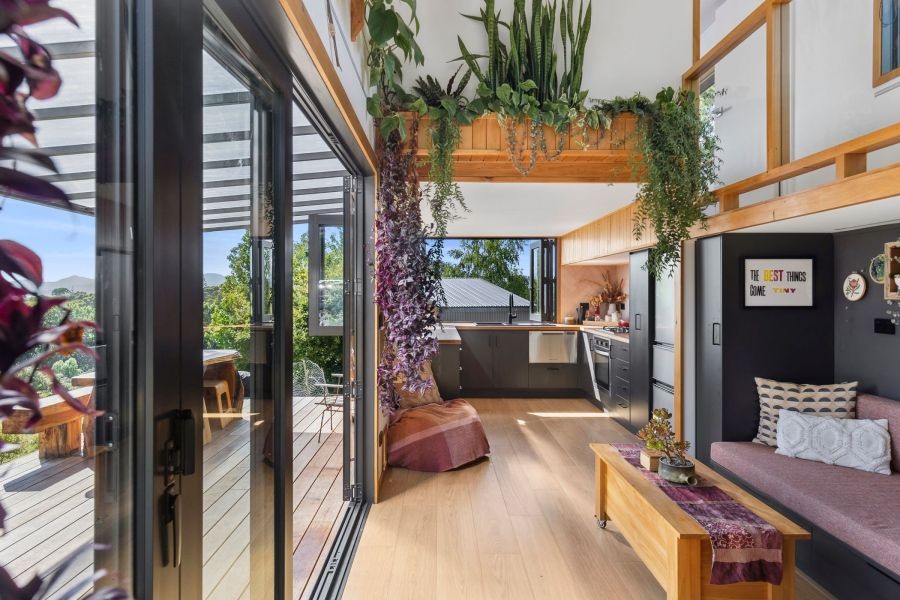
- Rural and suburban areas are witnessing increased demand for residential properties as remote workers seek more spacious and affordable living options.
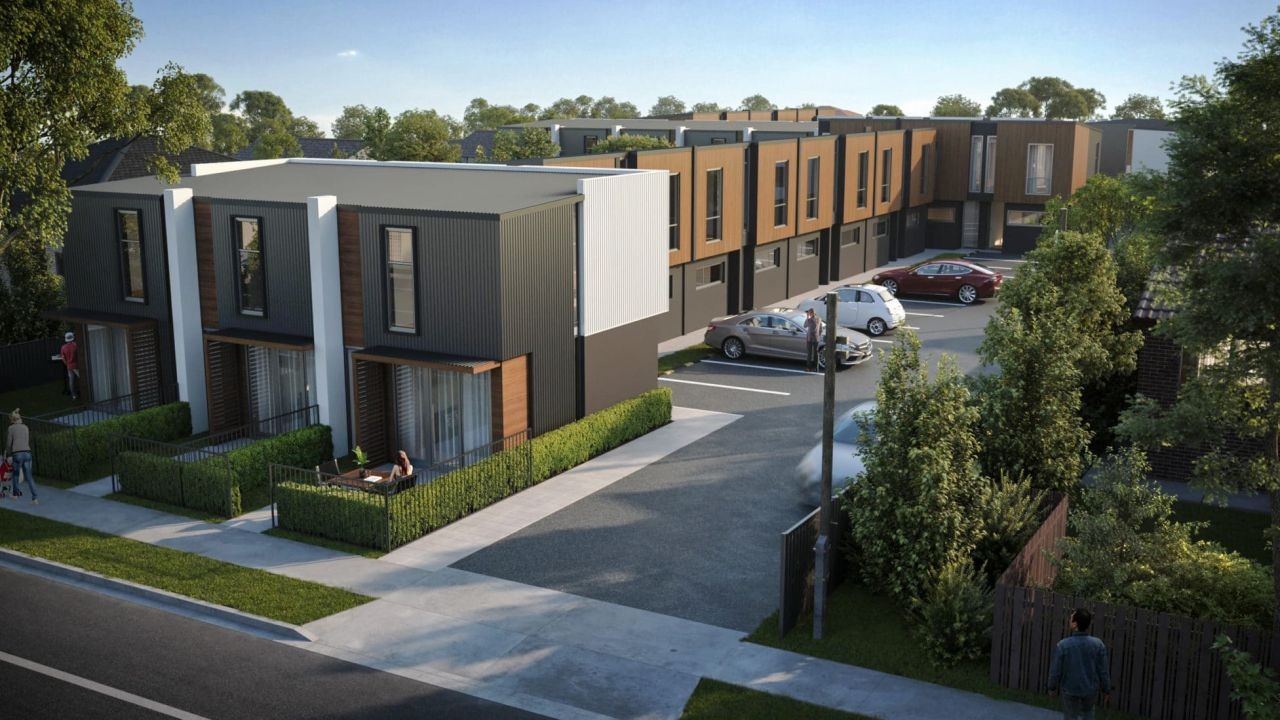
As a result, property developers and investors need to adapt to these changing dynamics. Urban developers may focus on repurposing office spaces or creating mixed-use developments, while rural areas may see increased investment in residential infrastructure to meet growing demand.
Step-by-Step Guide: Adapting to the Remote Work Trend
For property developers and investors looking to capitalize on the remote work trend, here’s a step-by-step guide to navigate this evolving market:
- Conduct Market Research: Analyze local and national trends to understand where demand is shifting. Use data from Stats NZ and industry reports to identify emerging opportunities.
- Embrace Flexible Workspaces: Design or retrofit office spaces to accommodate flexible work arrangements. Consider coworking spaces or multipurpose areas that cater to remote workers when they need to collaborate in person.
- Invest in Technology: Ensure that properties are equipped with high-speed internet and modern communication tools to support remote work. This can be a key selling point for residential and commercial properties.
- Focus on Sustainability: Incorporate eco-friendly designs and sustainable practices in your developments. This is increasingly important for remote workers who prioritize quality of life and environmental impact.
- Adapt Marketing Strategies: Highlight the benefits of your properties for remote workers, such as proximity to nature, community amenities, and technological readiness.
Pros and Cons of Remote Work on Real Estate
Pros:
- Increased Flexibility: Remote work allows employees to live further from city centers, expanding the potential market for residential properties.
- Cost Savings: Companies can reduce overhead costs by downsizing office spaces, potentially passing savings onto employees through higher wages or remote work stipends.
- Environmental Benefits: Reduced commuting can lower carbon footprints, aligning with New Zealand's sustainability goals.
Cons:
- Office Space Vacancy: Urban areas may face increased vacancy rates for office spaces, requiring innovative solutions for repurposing or leasing.
- Infrastructure Challenges: Rural and suburban areas may need upgrades to infrastructure, such as internet connectivity, to support the influx of remote workers.
- Regulatory Hurdles: Zoning laws and regulations may need to adapt to accommodate new living and working arrangements.
Debunking Common Myths About Remote Work and Real Estate
Myth: "Remote work is just a temporary trend."
Reality: A 2023 survey by the Ministry of Business, Innovation and Employment (MBIE) found that 60% of New Zealand companies plan to make remote work a permanent fixture, indicating long-term changes in work habits.
Myth: "Remote work will lead to the decline of city centers."
Reality: While city centers may see a shift in demand, they are likely to evolve rather than decline. Mixed-use developments and cultural attractions can revitalize urban areas, offering new opportunities for growth.
Myth: "Remote work only benefits tech companies."
Reality: Remote work is increasingly being adopted across various industries, including finance, education, and healthcare, broadening its impact on the real estate market.
Future Trends: The Evolving Landscape of Remote Work in New Zealand
Looking ahead, remote work is expected to continue shaping New Zealand's real estate market in several ways:
- Hybrid Work Models: The majority of businesses may adopt hybrid work models, blending remote and in-office work. This will require adaptable office spaces and advanced technology infrastructure.
- Regional Growth: Regional areas will likely experience continued growth as more people seek affordable and spacious living options. This will drive investment in local infrastructure and amenities.
- Technological Advancements: Innovations in communication and collaboration tools will enhance remote work capabilities, influencing property development and design.
According to a report by Deloitte New Zealand, by 2028, 30% of the workforce will work remotely, reinforcing the need for adaptable and innovative real estate solutions.
Conclusion: Embracing the Remote Work Revolution
The rise of remote work is undeniably transforming New Zealand's real estate market, offering both challenges and opportunities. By understanding these shifts and implementing strategic adaptations, property developers, investors, and businesses can thrive in this evolving landscape. The key lies in flexibility, technology, and sustainability—elements that will define the future of work and living in New Zealand.
What’s Next?
- Stay informed by subscribing to industry newsletters and reports.
- Engage with local communities to understand their evolving needs and preferences.
- Consider joining forums or groups that focus on remote work trends and real estate developments.
What are your thoughts on the future of remote work and real estate in New Zealand? Share your insights and join the discussion below!
People Also Ask (FAQ)
- How does remote work impact New Zealand's real estate market? Remote work is driving demand for residential properties in suburban and rural areas, while reducing demand for traditional office spaces in city centers.
- What are the biggest misconceptions about remote work? A common myth is that remote work is temporary. However, MBIE reports that 60% of NZ companies plan to make it a permanent fixture.
- How can property developers adapt to remote work trends? Developers can focus on flexible workspaces, invest in technology, and emphasize sustainability to attract remote workers.
- What are the benefits of remote work for New Zealand businesses? Benefits include reduced overhead costs, increased employee satisfaction, and alignment with sustainability goals by reducing commuting.
- What future trends are expected in New Zealand's real estate market? Regional growth, hybrid work models, and technological advancements are expected to shape the future of the market.
Related Search Queries
- Remote work impact on NZ real estate
- New Zealand property market trends 2025
- Hybrid work models in New Zealand
- Future of work in New Zealand
- Regional property investment NZ































Dr. Rana Pullatt
2 months ago