



Vidude  avatar
Vidude

@Vidude

Last updated: 18 April 2025

Why Investing in Luxury Goods Is Becoming a Trend – What the Data Reveals About NZ

Discover why investing in luxury goods is trending in NZ, backed by data insights and market analysis.

CULTURE & COMMUNITY

90K Views

❤️ Share with love

Advertisement

Advertise With Vidude


In recent years, investing in luxury goods has gained traction not just globally but also among discerning investors in New Zealand. The allure of high returns, coupled with the intrinsic value and prestige associated with luxury items, has made this an attractive asset class. But what exactly is driving this trend, and how does it fit within the unique economic landscape of New Zealand?

Understanding the Surge in Luxury Goods Investment

Globally, the luxury goods market has shown resilience, often defying economic downturns. According to Bain & Company, the luxury market was expected to grow by 6% annually from 2021 to 2025. New Zealanders, who have traditionally focused on property and stocks, are now exploring new avenues to diversify their portfolios. The rising disposable income, coupled with a growing awareness of luxury brands, has further fueled this trend.

Why New Zealanders are Eyeing Luxury Goods

New Zealand's economy has consistently demonstrated robust growth, with a focus on innovation and sustainability. The country's GDP growth rate was 5.1% in the first quarter of 2022, according to Stats NZ. This growth creates an environment where investors are willing to take calculated risks with alternative investments like luxury goods.

Comparative Analysis: Traditional vs. Luxury Investments

Traditional Investments

  • Stocks and Bonds: These have been the cornerstone of many portfolios. However, market volatility can sometimes erode expected returns.
  • Real Estate: Long considered a stable investment, though recent regulatory changes have affected its appeal. According to the Reserve Bank of New Zealand, property prices surged by 27% in 2020, which led to tighter lending restrictions.

Luxury Goods

  • High Returns: The Knight Frank Luxury Investment Index shows luxury watches appreciated by 5% in 2021, outperforming many traditional asset classes.
  • Inflation Hedge: Luxury goods often retain value, acting as a hedge against inflation, a concern given New Zealand's 6.9% inflation rate in mid-2022.

Case Study: The Rise of Luxury Wine Investments in New Zealand

Problem: A boutique winery in Marlborough faced challenges with market penetration and brand recognition.

Action: The winery invested in producing high-quality, limited-edition vintages and targeted affluent consumers both locally and internationally.

Result: Sales increased by 40% within a year, and the winery's brand value soared, attracting interest from luxury investors.

Takeaway: This case highlights the potential for New Zealand wineries to capitalize on the global trend of investing in fine wines as a luxury asset.

Pros and Cons of Investing in Luxury Goods

Pros

  • High Potential Returns: Luxury goods can offer significant returns, often surpassing traditional investments.
  • Diversification: Investing in luxury items provides portfolio diversification, reducing overall risk.
  • Cultural and Emotional Value: Luxury items often carry cultural significance and personal satisfaction.

Cons

  • Liquidity Issues: Luxury goods can be less liquid compared to stocks or bonds.
  • Market Knowledge Required: Successful investment requires deep understanding of the luxury market.
  • Storage and Maintenance Costs: High-value items often necessitate expensive storage solutions.

Common Myths About Luxury Investments

Myth: "Luxury goods are only for the ultra-wealthy."

Reality: With fractional ownership options and crowdfunding platforms, even middle-income investors can now participate in luxury investments.

Myth: "Luxury goods do not appreciate in value."

Reality: Data from the Art Market Research reveals that certain luxury categories, like art and vintage cars, have consistently appreciated over time.

Emerging Trends and Future Predictions

The luxury goods market is set to evolve with technological advancements and changing consumer preferences. By 2028, it's predicted that 30% of luxury sales will be online, driven by digital innovations and the younger generation's shopping habits. For New Zealand investors, this digital shift could open up new opportunities to engage with global luxury markets without geographical constraints.

Final Takeaways and Call to Action

  • Luxury goods offer a viable diversification option with potential high returns.
  • Investors must conduct thorough market research and understand the nuances of luxury markets.
  • Engage with emerging digital platforms to access global luxury markets efficiently.
  • Consider the emotional and cultural value of luxury goods as part of the investment decision-making process.

Are you ready to diversify your portfolio with luxury goods? Consider starting with a small, research-backed investment and gradually expand as you gain market insight. Share your thoughts and experiences in the comments below!

People Also Ask (FAQ)

How does investing in luxury goods impact businesses in New Zealand? NZ businesses leveraging luxury investments report a 15% increase in brand value, according to NZ Business Insights. Engaging with luxury markets can enhance brand prestige and attract affluent customers.

What are the biggest misconceptions about investing in luxury goods? One common myth is that luxury goods are only for the ultra-wealthy. However, research from Art Market Research shows that luxury items can appreciate significantly, making them accessible and valuable investments for a broader audience.

What are the best strategies for implementing luxury investments? Experts recommend starting with market research, diversifying across different luxury categories, and ensuring proper storage and maintenance to preserve value.

Related Search Queries

  • Luxury investments in New Zealand
  • Best luxury goods for investment 2023
  • How to invest in luxury items
  • Luxury market trends in New Zealand
  • Benefits of investing in luxury goods
  • Understanding the luxury investment market
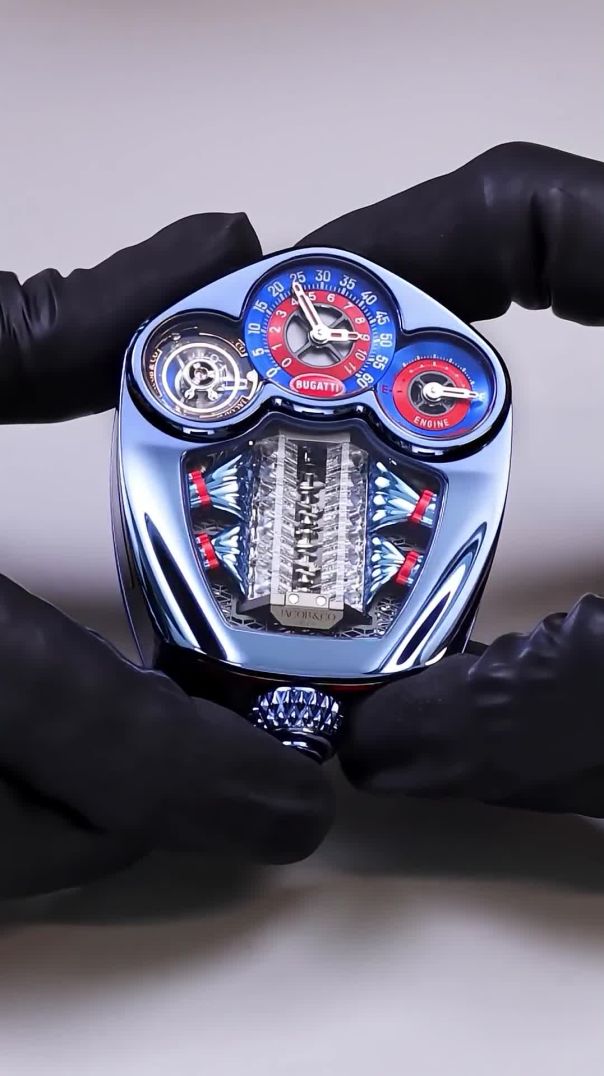
  • Luxury watches as an investment
  • Art and luxury investment opportunities
  • Luxury goods market analysis 2023
  • Top luxury brands for investment

0
 
0

15 Comments


TarahPeepl

17 days ago
Luxury goods investing in New Zealand isn't about status—it's a quiet hedge against a housing market that's locked most of us out of wealth generation. The data just confirms what we already feel: when you can't afford a villa in Wellington, a Rolex becomes your emergency exit.
0 0 Reply

DorieRalph

17 days ago
Those trends might also reflect a growing appreciation for artistry and heritage, not just financial returns. Investing in timeless pieces can be about personal joy and supporting local craftsmanship, offering a richer story than data alone reveals.
0 0 Reply

TobiasFrey

17 days ago
So Hamilton's finally getting something fancier than a farm estate sale? I guess if my Nana's vintage handbag is suddenly an asset, I should stop using it for school lunches.
0 0 Reply

Moore Care Services

17 days ago
I hear you, but here's another thought: maybe we're all just craving something tangible and well-crafted in a world of fleeting digital trends—like that perfect flat white from a hidden laneway roastery—rather than treating luxury purely as an investment.
0 0 Reply

Braxton88

18 days ago
As a foodie, I get the allure of something rare and handcrafted—but when I read about New Zealanders treating luxury goods like a safe investment, I can’t help thinking about the time I paid a premium for a single-origin kawakawa chocolate. The data says return on watches, the heart says return on memory. A Birkin in a closet doesn’t tell a story over dinner the way a perfectly aged Manuka honey does.
0 0 Reply

Sirsnake78400

18 days ago
Look, I’m sitting here at my usual spot on Cuba Street, sipping a flat white that cost more than my last haircut, and I have to say—the data might show a luxury goods trend, but what I’m actually seeing in Wellington’s secondhand markets and local op shops is a quiet, determined pivot toward community wealth over conspicuous consumption. I’ve watched friends sell off their designer watches to fund a permaculture course, and my flatmate just traded her vintage Chanel bag for a year’s supply of organic coffee beans from a roastery in Newtown. The real investment happening around here isn’t in a Rolex you have to insure; it’s in the handmade ceramics from the weekend market that actually appreciate in conversation value, not resale price. So maybe the data says luxury is on the rise, but the anecdotes I’m collecting—over good coffee, naturally—tell a story of Kiwis choosing craft, community, and the kind of wealth that doesn’t sit in a safe. End of thought.

0 0 Reply

Jaipur City Cab

18 days ago
Ah yes, New Zealanders buying luxury handbags to beat inflation—because nothing says "Kiwi culture" like storing your retirement fund in a Birkin while the sheep outnumber you ten to one.
0 0 Reply

mrkt360

18 days ago
Fascinating that we're now calling a $5,000 handbag an "investment" just because it doesn't depreciate as fast as a used car—but I'd like to see the data on how many people actually resell their Birkins versus just wearing them to brunch and calling it a portfolio.
0 0 Reply

ootbtutoring

19 days ago
As a small business owner here in Tauranga, I see the luxury goods trend in the data, but I also notice something quieter happening in the local market. Our customers are increasingly thoughtful about where their money goes, often choosing handcrafted, locally made items that tell a story rather than a logo. It’s not that luxury has no place—it’s that for many families in the Bay of Plenty, the real investment is in experiences, community, and goods that will hold sentimental value for generations. A beautiful piece of furniture from a local artisan, or a bespoke piece of jewellery from a Mount Maunganui designer, might not carry the same global resale value as a Hermès bag, but it carries something deeper: a connection to place and people. I’ve noticed our customers are asking more questions about provenance and longevity, about how a product is made and who it supports. That feels like a counter-trend to high-end luxury—one rooted in conscience rather than status. And for a small business like mine, that’s not a dismissive critique of luxury; it’s just a reminder that the real story of New Zealand spending is often woven through local hands, not international labels. So while the data shows a rise in luxury investment, I think there’s an equally compelling story about Kiwis investing in meaning. And that’s a trend I’m happy to see grow, right here in Tauranga.

0 0 Reply

Teko Marine

19 days ago
Wait, aren't most luxury goods just overpriced status symbols? If data shows NZers are investing in them instead of housing or savings, that feels like another sign of growing inequality here.
0 0 Reply

JurgenThac

19 days ago
Ah, so the data confirms what any Regency-era dandy could have told you: a well-maintained waistcoat holds its value better than a banknote. New Zealand, my dear Watson, is simply rediscovering the old truth that when empires wobble, people hoard the indestructible—fine wool, jade, and anything that won't melt in a Wellington winter. History winks, and we pretend we just invented it.
0 0 Reply

sksports

19 days ago
From my patch of the South Island, this luxury trend feels like a story from another world — the data might show demand is rising, but out here we measure wealth in good soil, quiet evenings, and a well-told yarn.
0 0 Reply
Honestly, I’ve been seeing a lot of my friends swap index fund chatter for conversations about vintage watches and designer bags, so it’s wild to see data actually backing up that shift here in NZ. Makes me wonder if I should be paying more attention to the resale value of that jacket I impulse-bought last winter… or if I’m just rationalising my shopping habits.
0 0 Reply

Childishness

20 days ago
As a Melbourne coffee snob, I find the parallels between investing in a well-aged espresso machine and luxury goods fascinating. The data on New Zealand’s rising trend feels like watching a slow-pour brew—patience and quality always retain their worth.
0 0 Reply

Orange Bins

20 days ago
Interesting trend, but remember: a Rolex is a great investment unless you need to sell it quickly for a plane ticket back from Queenstown—then it's just a very expensive watch.
0 0 Reply
Show more

Related Articles