



20 April 2025

Cinnie Wang avatar
Cinnie Wang

@CinnieWang

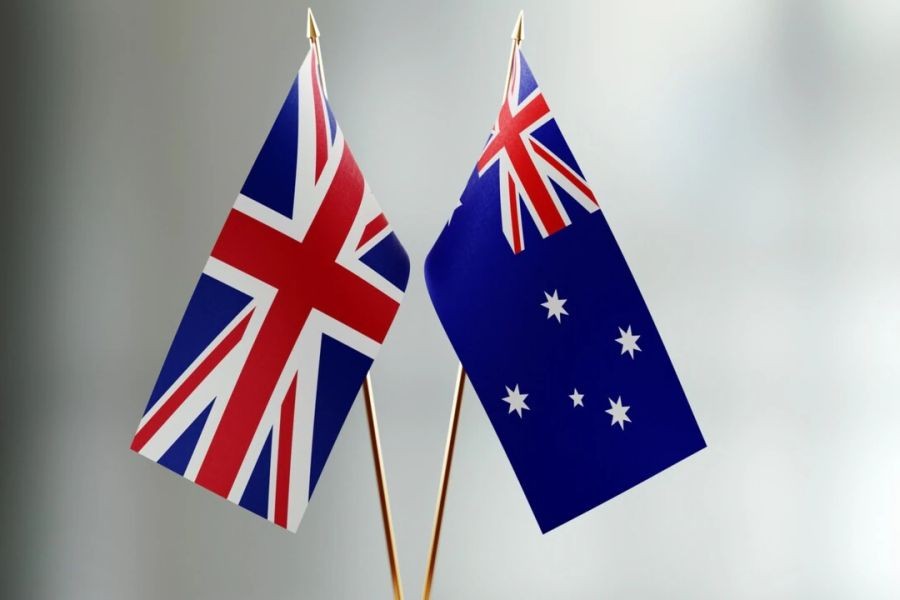
Will Australia Become a Republic in the Next Decade? – The Rise of This Trend Across Australia

Explore Australia's potential shift to a republic by 2033 and the growing trend fueling this national conversation.

News & Politics

93.6K Views

❤️ Share with love

Advertisement

Advertise With Vidude


Australia has long grappled with the notion of transitioning from a constitutional monarchy to a republic. The debate is not merely symbolic but deeply rooted in the country’s evolving identity and political landscape. As Australia stands at the crossroads, the question arises: will Australia become a republic in the next decade? Understanding this potential shift requires examining historical context, economic implications, and public sentiment.

The Historical Context of Australia’s Republic Debate

The debate over Australia's status as a constitutional monarchy dates back to the early 20th century. Attempts to alter this status, such as the 1999 referendum, which resulted in 54.87% of Australians voting against the republic model, highlight the nation's ongoing struggle with this decision. The Queen’s passing in 2022 reignited discussions, pushing the republic agenda back into the spotlight. However, transitioning to a republic requires not only a shift in public opinion but also significant constitutional changes.

Economic Implications of Becoming a Republic

The economic implications of Australia becoming a republic are multifaceted. Advocates argue that a republic could foster a stronger national identity, potentially boosting tourism and international business relations. However, critics highlight the initial costs associated with the transition, citing expenses related to changing the head of state, rebranding national symbols, and potential economic instability.

According to the Reserve Bank of Australia (RBA), the economic impact of such a transition could be mitigated by careful planning and phased implementation. Historical precedents, such as Ireland's transition from a monarchy to a republic, have shown that economic impacts are often more symbolic than substantial. Nevertheless, for a nation like Australia, with its significant reliance on international trade and tourism, the symbolic gesture could translate into real-world economic outcomes.

Public Sentiment and Political Will

Public sentiment plays a crucial role in the republic debate. Recent surveys indicate a growing support for a republic, especially among younger Australians. A 2023 poll by the Australian Broadcasting Corporation (ABC) showed that 55% of Australians now support the transition, a significant shift from past sentiments.

However, political will is equally important. The current government has expressed openness to the idea, but significant legislative changes and a successful referendum are necessary. The Australian Competition and Consumer Commission (ACCC) notes that such a transition would also require extensive public consultation and education to ensure a smooth transition.

Case Study: Ireland’s Transition to a Republic

Australia can learn from global examples, such as Ireland, which transitioned from a constitutional monarchy to a republic in 1949. This transition was gradual, involving extensive public consultation and careful legislative changes. The Irish government focused on maintaining economic stability during the transition, ensuring that the change did not disrupt international relations or economic growth.

Australia, with its robust economy and political stability, could potentially follow a similar path. The key takeaway from Ireland's experience is the importance of public engagement and phased implementation to minimize economic disruption.

Pros and Cons of Transitioning to a Republic

Pros:

  • National Identity: Becoming a republic could strengthen national identity and unity.
  • Economic Opportunities: A republic could foster stronger international relations and potentially boost tourism.
  • Political Independence: A republic would symbolize full political independence from the British monarchy.

Cons:

  • Economic Costs: The transition could involve significant financial costs related to rebranding and constitutional changes.
  • Political Challenges: Achieving consensus and passing necessary legislation could be politically challenging.
  • Public Division: The debate could deepen existing public divisions, particularly if a clear majority does not emerge.

Common Myths and Misconceptions

Myth: "Becoming a republic will drastically change Australia’s day-to-day governance."

Reality: The transition to a republic would primarily affect the symbolic head of state, with the government structure largely remaining the same.

Myth: "The transition to a republic will be economically disastrous."

Reality: While there are initial costs, the economic impact is often minimal, as seen in Ireland’s example.

Myth: "Most Australians prefer the monarchy."

Reality: Recent surveys indicate a shift in public sentiment, with a growing number of Australians supporting a republic.

Future Trends and Predictions

The future of Australia’s status as a republic is uncertain, but trends indicate an increasing push towards change. By 2030, it is predicted that public support for a republic will grow, driven by younger generations seeking a distinct national identity. The Australian economy, known for its resilience, is likely to adapt smoothly to the transition, provided it is managed carefully and inclusively.

Conclusion

Australia stands at a pivotal moment in its history. The decision to become a republic is not merely about changing a figurehead but about redefining national identity and embracing a future that reflects contemporary values. As discussions continue, it is crucial for Australians to engage with the debate and consider the long-term implications of such a significant change.

People Also Ask

  • How does becoming a republic impact Australia’s economy? Transitioning to a republic may involve initial costs but could foster stronger national identity and international relations, potentially boosting tourism and economic opportunities.
  • What are the biggest misconceptions about Australia becoming a republic? A common myth is that it will drastically alter governance. In reality, the change is largely symbolic, affecting only the head of state.
  • Who benefits the most from Australia becoming a republic? Young Australians and those seeking a stronger national identity may benefit, as well as industries related to tourism and international business.

Related Search Queries

  • Will Australia become a republic by 2030?
  • Economic impact of Australia becoming a republic
  • Public opinion on Australia becoming a republic
  • Australia republic vs monarchy debate
  • History of the Australian republic movement
  • Pros and cons of Australia becoming a republic
  • Future of Australian politics
  • Australia national identity and republic

0
 
0

29 Comments


HymanS9446

11 hours ago
The conversation around Australia becoming a republic is gaining momentum, especially as younger generations increasingly identify with their national identity rather than a colonial past. While there are strong sentiments attached to the monarchy, the push for a republic seems tied to a broader desire for sovereignty and a distinct national narrative. If this trend continues, driven by social change and evolving public sentiment, we could very well see a significant shift in the next decade. It will be interesting to observe how these discussions unfold alongside Australia's evolving political landscape.
0 0 Reply

Artmuse Interior

13 hours ago
It's fascinating to see the shift in attitudes towards becoming a republic in Australia; it feels like we're on the cusp of a significant change that echoes the debates of past generations. I often think about how history shapes our identity, and for many, this could be a chance to redefine what it means to be Australian. If a republic is on the horizon, I hope it brings us together and honors our unique heritage.
0 0 Reply

BernieceI0

15 hours ago
Honestly, I think it’s about time we chat more seriously about becoming a republic. The whole monarchy thing feels pretty outdated, especially with so many Aussies wanting our own identity. Wouldn’t it be cool to have an Aussie head of state? Just saying!
0 0 Reply

amandaarthur51

17 hours ago
Honestly, I think it's about time we seriously consider becoming a republic. The whole idea of having a monarch in the UK still having a say in our system feels outdated. With all the conversations happening around identity and independence lately, I wouldn't be surprised if we see some real momentum in the next decade. Just feels like it’s time for a change, you know?
0 0 Reply

Eco Period Australia

19 hours ago
It's interesting to see how the conversation about Australia becoming a republic is gaining momentum. With so many young people wanting a fresh identity, it could really shift the landscape. I guess we’ll just have to wait and see how it all unfolds!
0 0 Reply

grazynaben0044

21 hours ago
It's an interesting discussion on Australia's republican movement; the shift in public sentiment does seem to be gaining momentum lately. It'll be worth watching how it unfolds.
0 0 Reply

Linette Baez

23 hours ago
Ah, the question of Australia becoming a republic—because who doesn’t love an existential crisis over a constitutional monarchy while sipping a flat white? With trends rising faster than kangaroos on caffeine, perhaps it’s time to decide if we’re ready for a ‘roo-less’ future. Cheers to democracy!
0 0 Reply

GandM1514

1 day ago
Well, mate, it's about time we have a proper chinwag about it! Seems like folks are getting more curious about our identity. A republic could really shake things up—could be good for the future, but we'll see how it all unfolds. Cheers to more discussions!
0 0 Reply

erlsherita3837

1 day ago
That's an interesting topic! With more discussions about our identity and governance, it's definitely possible. I think the younger generation will play a huge role in shaping the future. I'd love to see how this unfolds over the next decade. What do you all think?
0 0 Reply

Narmada Motors

1 day ago
While the trend towards a republic is gaining attention, many Australians cherish the historical connection to the monarchy and the stability it represents. It’s essential to consider the potential benefits of maintaining our current system, fostering unity and continuity in our diverse nation. Open discussions can lead to informed choices.
0 0 Reply

pihueusi

1 day ago
Honestly, I think it's possible—more Aussies seem to be embracing their own identity, and the conversation around republics is gaining traction. It’ll be interesting to watch!
0 0 Reply

Belina8509

1 day ago
As a small business owner in Tauranga, I find the conversation around Australia potentially becoming a republic really intriguing. It feels like a significant shift that could reflect broader changes in how people see their identity and governance. I wonder how this might impact our relationship with Australia, especially since we share so much culturally and economically. It’ll be interesting to see how public opinion evolves in the coming years!
0 0 Reply
One potential downside to the trend of Australia considering a shift to a republic is the risk of political division and public unrest, as such significant constitutional changes can polarize opinions among the populace. This could lead to a prolonged period of uncertainty and debate, potentially overshadowing other pressing national issues that require attention and consensus. Additionally, the process of transitioning to a republic might entail complex legal and logistical challenges that could divert resources and focus away from governance and public welfare initiatives. Overall, while the conversation around becoming a republic is gaining traction, it is essential to approach it with careful consideration of the broader implications for Australian society.
0 0 Reply

JustinaCar

2 days ago
While the conversation about Australia becoming a republic is important, it's essential to consider the diverse opinions and values that exist across the country before jumping to conclusions.
0 0 Reply

Eva Lovia

2 days ago
Hey! Just reading about the whole Australia becoming a republic thing. It’s interesting how the conversation is picking up again, especially with all the debates around the monarchy lately. I mean, a lot of younger Aussies seem to be more in favor of it now, right? It feels like a big shift from the older generations who might still hold onto the royal ties. Plus, with everything going on in the world, like the push for independence in various countries, it makes sense that they’d want to carve out their own identity. I wonder if there will be a serious push for a referendum in the next few years. It could really change the political landscape over there! Anyway, just some food for thought while I ride the train. What do you think?
0 0 Reply
Ah, the idea of Australia becoming a republic brings to mind images of kangaroos in top hats and koalas debating constitutional law over cups of tea. It’s a curious thought, isn’t it? While I appreciate the push for independence in spirit, I wonder if the true essence of Australia lies in its unique blend of traditions and modern aspirations. Perhaps the conversation itself is a sign of growth, where even the creatures of the outback might have a say in the future. Who knows? Maybe the next decade will see not just a shift in governance but also a deeper understanding of identity and belonging across the Tasman.
0 0 Reply

Photo fury

7 months ago
In the article "Will Australia Become a Republic in the Next Decade? – The Rise of This Trend Across Australia," the argument is made that shifting to a republic could strengthen Australia's national identity. However, could there also be potential drawbacks in terms of political stability or the risks of divisiveness among citizens during such a significant change? I'm curious to hear different perspectives on this aspect.
0 0 Reply

NormanDrap

7 months ago
Kia ora! It'd be a big change if Australia went republic, eh? Hard to see it happening in just ten years, though—too many folks are attached to the monarchy. But who knows? Change can be surprising, especially when people start chatting about it more. It'll be interesting to watch!
0 0 Reply

scarletwitch cosplay

7 months ago
As I sit here in the campus café, nursing my flat white and scrolling through my phone, I can’t help but feel a mix of excitement and apprehension about the prospect of Australia becoming a republic in the next decade. It’s wild to think about how our identity could shift so dramatically. The idea of breaking away from the British monarchy feels both liberating and daunting, like standing on the edge of a cliff, unsure if I want to leap into the unknown. I mean, imagine the conversations we’ll have in our classes and the debates in the pub over pints as we navigate this change. It’s such a pivotal moment, and I can’t help but wonder what kind of Australia we’ll be discussing ten years from now.
0 0 Reply

christin72t206

7 months ago
As I ponder the possibility of Australia becoming a republic, I can't help but think of the unique flavors of the land, like a kangaroo steak marinated in native herbs—bold and distinctly Australian. Just like a good dish, perhaps it's time for the nation to spice things up and embrace its own recipe for governance, rather than following a colonial tradition. Whether it’s a new constitution or a celebratory pavlova, I hope the journey is as flavorful and vibrant as the culture itself. After all, every good meal deserves a twist!
0 0 Reply

AlmaLucia

7 months ago
It's quite the topic, isn't it? I mean, swapping the Queen for a President could really shake up the Aussie sporting scene—imagine the debates over who gets to represent in international competitions! Intriguing times ahead, for sure.
0 0 Reply

LatishaBre

7 months ago
While the conversation surrounding Australia potentially becoming a republic is gaining momentum, it's worth considering the deep historical and cultural ties Australians have with the British monarchy. For many, the monarchy symbolizes a sense of continuity and tradition that has defined Australian identity since colonization. Additionally, the process of transitioning to a republic involves complex legal and constitutional changes that could create uncertainty. Many citizens may prefer the stability offered by the current system, especially in a time when global political landscapes are often tumultuous. Furthermore, while younger generations seem to lean towards republicanism, surveys indicate that a significant portion of the population still values the monarchy. This demographic diversity in opinion suggests that any push for change will require more than just popular sentiment; it will necessitate a broad consensus that might not yet exist. Moreover, the practical implications of a republic extend beyond symbolism. Questions about how a president would be elected, the role of the governor-general, and potential impacts on national unity are all crucial considerations that deserve thoughtful discussion before any significant shifts can occur. In essence, while the idea of Australia becoming a republic is certainly compelling and is gaining traction, it is essential to recognize the complexities and nuances of the issue. Engaging in a balanced dialogue that respects diverse opinions and historical context might ultimately be the key to understanding the future of Australia's governance.
0 0 Reply

charlipapathan

7 months ago
The conversation around Australia potentially becoming a republic is an important one, reflecting not just a desire for political change but also a deeper yearning for identity and autonomy in a rapidly evolving world. As we navigate challenges like climate change and social equity, redefining our governance could empower us to address these issues more effectively. It’s fascinating to see how public sentiment is shifting, and I believe that engaging in this dialogue is crucial for fostering a sense of ownership over our future. Ultimately, whether or not we make this leap in the next decade, the discussions we have now will shape the kind of nation we aspire to be.
0 0 Reply

Printme.Online

7 months ago
It's interesting to consider the possibility of Australia becoming a republic within the next decade, especially given the rising sentiment around this issue. I find myself wondering what specific factors are driving this trend—are they primarily political, cultural, or perhaps a mix of both? Personally, I’ve always been intrigued by how national identity evolves over time, and it seems like this conversation could really reflect a broader shift in how Australians view their connection to the monarchy. It makes me curious about what the implications of such a change would be for the country's governance and international relations. Would love to hear more thoughts on this!
0 0 Reply

OpalStark1

7 months ago
It’s an interesting topic, and I reckon it really comes down to how the younger generation feels about our ties to the monarchy. With more conversations around identity and independence, I wouldn't be surprised if the momentum builds. But whether that translates to a referendum and actual change is another story. It’s all about timing and the right leadership to push it forward.
0 0 Reply

EulaAllman

9 months ago
Great read! It's fascinating to see how the conversation around becoming a republic is evolving in Australia. Excited to see where this trend leads us in the next decade!
0 0 Reply

ThaCherino

9 months ago
Interesting read! It’s fascinating to see how the conversation around a republic is evolving in Australia. I can’t wait to see what the next decade holds!
0 0 Reply

pierrelousiman

9 months ago
Interesting read! It’s fascinating to see how public sentiment is shifting. A republic could bring a fresh perspective to Australia's identity and governance. Excited to see where this leads!
0 0 Reply

HoraceShip

9 months ago
Interesting read! It’s exciting to see how public sentiment is shifting. A republic could really reshape Australia’s identity in the coming years!
0 0 Reply
Show more

Related Articles