

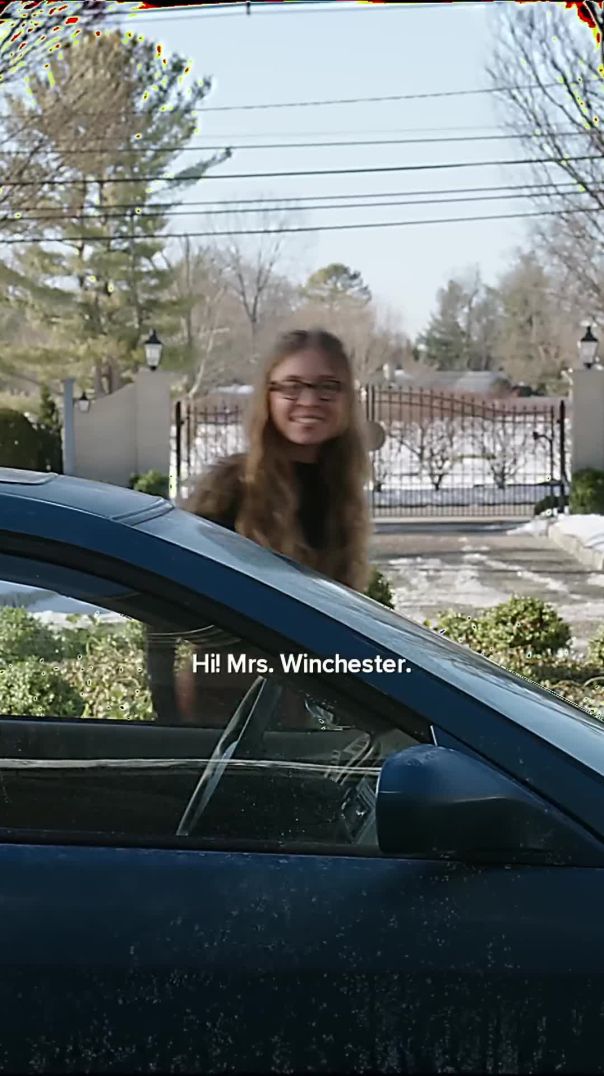





In recent years, New Zealand's rental market has seen significant shifts, with evolving legislation and increasing tenant awareness marking a new era for renters and landlords alike. This transformation is driven by a need for improved understanding of rental laws, and video guides have become an invaluable resource in this educational journey. With 1.4 million New Zealanders renting their homes, according to Stats NZ, understanding rental rights is more crucial than ever.
Understanding Rental Law Through Engaging Video Guides
Video guides have emerged as a powerful tool in demystifying rental laws, offering visual and auditory learning experiences that cater to diverse audiences. These resources are not only engaging but also provide step-by-step explanations of complex legal jargon that can often seem daunting to the uninitiated.
The Power of Visual Learning
- Engagement Boost: Video content is proven to increase engagement, with studies showing that viewers retain 95% of a message when delivered via video, compared to 10% when reading text.
- Accessibility: Videos can be accessed on various platforms, making them a convenient choice for busy individuals.
- Comprehensive Coverage: Video guides often include interviews with legal experts and real-life case studies, providing a thorough understanding of tenancy issues.
For example, a series of videos released by the New Zealand Ministry of Business, Innovation and Employment (MBIE) cover topics ranging from bond lodgement to dispute resolution, helping tenants and landlords navigate the intricacies of rental agreements.
Case Study: The Impact of Rental Video Guides
Consider the case of Sarah, a young professional living in Auckland. As a tenant, Sarah faced issues with her landlord regarding maintenance responsibilities. Unsure of her rights, she turned to a series of rental law video guides offered by a local advocacy group.
Problem: Sarah was uncertain about whether her landlord was obligated to address the maintenance issues she was experiencing.
Action: She watched a comprehensive video guide that explained tenant rights concerning property maintenance, featuring legal experts and tenant testimonies.
Result: Armed with this knowledge, Sarah confidently approached her landlord, resulting in the timely resolution of her maintenance issues. Her experience underscores the transformative power of these educational tools in empowering tenants.
Pros and Cons of Rental Video Guides
Pros:
- Enhanced Understanding: Video guides break down complex topics into digestible pieces.
- Increased Accessibility: Available online, these guides are accessible to anyone with internet access.
- Expert Insights: Videos often feature legal professionals who provide authoritative insights.
Cons:
- Initial Production Cost: Creating high-quality video content can require significant resources.
- Updates Required: As laws change, video content may need regular updates to remain relevant.
- Variable Quality: Not all video guides are created equal; viewers must discern credible sources from less reliable ones.
Debunking Common Myths About Rental Laws
Myth #1: Tenants Have No Say in Property Maintenance
Reality: New Zealand’s Residential Tenancies Act mandates landlords to maintain properties in a reasonable state of repair, giving tenants the right to request necessary maintenance.
Myth #2: Landlords Can Increase Rent Anytime
Reality: Rent increases are regulated, requiring landlords to provide tenants with at least 60 days' written notice and adhere to specific intervals between increases.
Myth #3: Bond Money Is Non-Refundable
Reality: Tenancy bonds are refundable, provided the tenant meets the conditions of the tenancy agreement, as overseen by Tenancy Services.
Future Trends in Rental Education
As technology evolves, so too will the methods of tenant education. We anticipate a future where interactive augmented reality (AR) experiences and AI-driven chatbots will further enhance tenant and landlord education, making it more immersive and personalized.
By 2026, we expect these technologies to become mainstream, offering interactive simulations of what tenants can expect in various scenarios, thus providing a deeper understanding of their rights and responsibilities.
Conclusion
Rental law video guides are proving to be an invaluable resource in empowering New Zealanders to understand their rights and responsibilities. As the rental market continues to evolve, these tools will play a crucial role in ensuring that tenants and landlords alike can navigate the complexities of tenancy laws with confidence and clarity.
Are you ready to dive deeper into understanding your rental rights? Explore the available resources and take control of your renting experience today!
People Also Ask
How do rental video guides benefit New Zealand renters?
Rental video guides offer accessible and engaging content, helping renters understand complex tenancy laws. By providing expert insights and real-life scenarios, they empower tenants to confidently navigate their rights and responsibilities.
What common misconceptions exist about New Zealand's rental laws?
Many believe landlords can arbitrarily increase rent or that tenants have limited maintenance rights. However, regulations protect tenants, requiring landlords to maintain properties and adhere to notice periods for rent increases.
What technological advancements will impact rental education in the future?
Interactive AR experiences and AI-driven chatbots are set to revolutionize rental education, providing personalized and immersive learning experiences that enhance tenant and landlord understanding.
Related Search Queries
- New Zealand rental law updates
- Tenant rights in New Zealand
- Landlord responsibilities NZ
- Video guides for renters
- Residential Tenancies Act NZ
- How to resolve rental disputes in NZ
- Tenancy Services video resources
For the full context and strategies on Rental Law and Tenancy Video Guides Helping New Zealanders Understand Their Rights, see our main guide: Proptech Virtual Realty Videos Nz.































Catherine William
4 months ago