






Food waste is a global challenge that poses significant environmental and economic threats, yet it also offers an opportunity for innovative solutions. New Zealand, known for its agricultural prowess, is at the forefront of developing strategies to combat food waste through innovation. This article delves into how New Zealand is tackling this issue, with a focus on case studies, expert insights, and future trends.
Case Study: Foodprint - Transforming Surplus into Savings
In New Zealand, the Foodprint app has become a pivotal tool in reducing food waste. Founded by Michal Garvey, Foodprint connects consumers with eateries that have surplus food, offering it at discounted prices. This initiative not only reduces waste but also offers affordable meals to consumers.
Problem:
Restaurants and cafes in New Zealand often face the challenge of unsold food, which contributes to the 157,389 tonnes of food waste generated annually (Stats NZ, 2023). This waste not only impacts the environment but also represents a financial loss for businesses.
Action:
Foodprint provides a platform where eateries can list their surplus food items. Consumers can purchase these items at reduced prices, thereby minimizing waste. The app leverages geolocation technology to connect users with nearby food outlets.
Result:
- Waste Reduction: Participating businesses have reported a 30% reduction in food waste.
- Consumer Savings: Users have saved an average of 50% on food purchases.
- Business Revenue: Eateries have seen a 15% increase in revenue from surplus sales.
Takeaway:
This case study highlights how technology can drive sustainability in the food industry. By turning surplus into opportunity, businesses not only reduce waste but also boost their bottom line. This model can be replicated across New Zealand to further enhance food sustainability efforts.
How It Works: The Mechanics of Food Waste Innovation
Innovation in combating food waste involves multiple approaches, from policy implementation to technological advancements. In New Zealand, a multifaceted strategy is being employed to address this complex issue.
1. Government Policy and Support
The New Zealand government has implemented policies to support food waste reduction. The Ministry for Primary Industries (MPI) has funded initiatives that promote sustainable food systems. Grants and subsidies are available for businesses investing in waste-reducing technologies.
2. Technological Innovations
Technology is a key driver in reducing food waste. IoT devices and data analytics are used to monitor supply chains and optimize inventory management, preventing overproduction. Additionally, apps like Foodprint illustrate the power of digital solutions in connecting surplus with demand.
3. Community Engagement and Education
Educational programs aimed at raising awareness about food waste are essential. Initiatives such as Love Food Hate Waste NZ educate consumers on how to reduce waste at home, emphasizing portion control and creative use of leftovers.
Data-Driven Insights: The Impact of Food Waste Reduction
Reducing food waste has far-reaching impacts on both the economy and the environment. According to a report by the Ministry for the Environment, if New Zealand reduces its food waste by 50% by 2030, it could save approximately $2 billion annually. Furthermore, this reduction would significantly lower greenhouse gas emissions, contributing to New Zealand’s commitment to carbon neutrality by 2050.
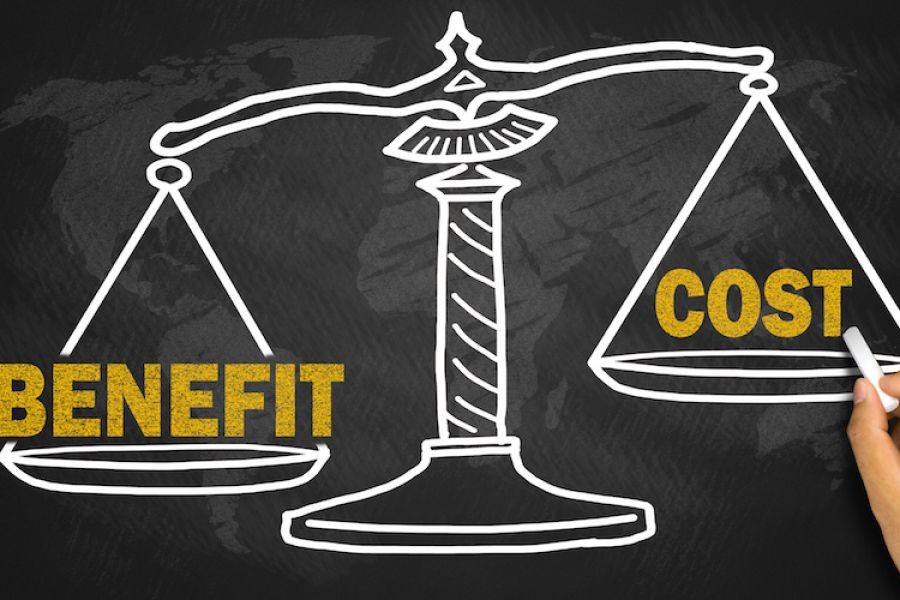
Pros and Cons of Current Strategies
Pros:
- Environmental Impact: Reduced waste leads to lower methane emissions from landfills.
- Economic Benefits: Savings from reduced waste can be reinvested into business growth.
- Community Welfare: Affordable access to food strengthens community ties.
Cons:
- Implementation Costs: Initial investment in technology and training can be high.
- Scalability Issues: Some solutions may not be feasible for smaller businesses.
- Behavioral Change: Changing consumer habits requires sustained effort and education.
Myths and Misconceptions
Several myths surround food waste and its solutions. Here are some common misconceptions:
- Myth: "Food waste is inevitable and can't be reduced significantly." Reality: Numerous initiatives, like those in New Zealand, have demonstrated significant reductions through technology and policy.
- Myth: "Food waste solutions are too expensive to implement." Reality: While some solutions require upfront investment, the long-term savings and environmental benefits often outweigh these costs.
- Myth: "Consumers have little impact on food waste." Reality: Consumer behavior plays a crucial role, and education can lead to substantial reductions in household waste.
Future Trends and Predictions
The future of food waste innovation in New Zealand looks promising, with several trends on the horizon:
- Increased Use of AI: Artificial intelligence will play a larger role in predicting consumer demand and optimizing supply chains, reducing overproduction.
- Circular Economy Models: More businesses will adopt circular economy principles, where waste is repurposed and reintegrated into production cycles.
- Stronger Policy Frameworks: The government is expected to introduce stricter regulations on food waste reporting and reduction targets.
Conclusion
New Zealand is setting a global example in the fight against food waste through a combination of innovative technology, supportive policies, and community engagement. By leveraging these strategies, the country not only protects its environment but also strengthens its economy. As these efforts continue to evolve, New Zealand’s approach serves as a model for others looking to make a significant impact in reducing food waste.
What’s your take on New Zealand’s food waste initiatives? Share your thoughts and join the conversation below!
People Also Ask (FAQ)
- How does food waste impact businesses in New Zealand? Reducing food waste can lead to 15% increased revenue for businesses by converting surplus food into sales.
- What are the biggest misconceptions about food waste? One common myth is that reducing food waste is too costly. However, many businesses save significantly by adopting waste-reducing technologies.
- What are the best strategies for implementing food waste reduction? Experts recommend starting with inventory management systems, followed by engaging with apps like Foodprint, and educating staff on waste minimization.
- What upcoming changes in New Zealand could affect food waste? By 2026, new policies may enforce stricter reporting and reduction targets, pushing businesses to adopt innovative solutions.
- Who benefits the most from food waste reduction? Businesses, consumers, and the environment benefit from reduced waste, leading to savings, affordable food access, and lower emissions.
Related Search Queries
- Food waste innovation in New Zealand
- How to reduce food waste in restaurants
- Foodprint app New Zealand
- Government policies on food waste
- Environmental impact of food waste reduction
- Technological solutions for food waste
- Circular economy in New Zealand
- AI in food supply chain management
- Community initiatives for food waste reduction
- Future trends in food sustainability