




Fire safety is an essential concern for homeowners globally, but in New Zealand, the stakes are particularly high due to the country's unique geographical and environmental factors. With a rising number of residential fires reported by Fire and Emergency New Zealand annually, ensuring your home is equipped with the best fire safety upgrades is not just advisable—it's imperative. This article provides a comprehensive guide to the best fire safety upgrades for homes in New Zealand, backed by data and expert insights, while addressing common misconceptions and offering actionable strategies.
Why Are Fire Safety Upgrades Crucial for New Zealand Homes?
New Zealand's diverse climate and varied housing stock make it particularly vulnerable to fire hazards. According to Fire and Emergency New Zealand, in 2019 alone, there were over 3,000 residential fires, with significant losses in property and life. Furthermore, Stats NZ reports a continual increase in residential construction, underscoring the need for modern safety measures.
With the Reserve Bank of New Zealand predicting steady growth in housing construction, incorporating advanced fire safety systems into new builds and existing homes is not only a safety measure but a wise investment. Homeowners can mitigate risks and ensure safety while potentially increasing property value.
What Are the Best Fire Safety Upgrades?
1. Smoke Alarms
Smoke alarms are a foundational component of any fire safety strategy. According to the Ministry of Business, Innovation, and Employment (MBIE), interconnected smoke alarms are significantly more effective than standalone units. These devices ensure that when one alarm senses smoke, all alarms in the network will sound, providing early warning throughout the home.
2. Fire Extinguishers
Fire extinguishers provide a first line of defense in extinguishing small fires. It is advisable to have them strategically placed in the kitchen, garage, and near any fireplaces. The Fire Protection Association of New Zealand recommends regular maintenance and familiarity with usage protocols to maximize effectiveness.
3. Fire-Retardant Materials
Using fire-retardant building materials in walls, ceilings, and floors can significantly reduce fire risks. New Zealand Building Code encourages the use of fire-retardant materials, particularly in new constructions. These materials can help contain fires, giving occupants more time to evacuate.
4. Fire Doors
Fire doors act as barriers, preventing the spread of smoke and flames. Installing fire-rated doors in strategic locations within homes, such as between the kitchen and living areas, can be crucial in maintaining containment and allowing safe evacuation.
5. Emergency Exit Lighting
Emergency lighting ensures safe evacuation during a fire. These lights illuminate exit paths and are crucial during power outages. The importance of functional emergency lighting is underscored by New Zealand's Fire and Building Compliance regulations.
What Are the Common Myths About Fire Safety?
Myth: "Only new homes need fire safety upgrades."
Reality: All homes, regardless of age, benefit from regular safety upgrades. Older homes might have outdated systems that do not comply with current standards, increasing risks.
Myth: "Smoke alarms are enough."
Reality: While smoke alarms are crucial, comprehensive fire safety includes multiple layers such as extinguishers, fire doors, and emergency lighting for optimal protection.
Myth: "Fire safety upgrades are too costly."
Reality: The initial investment in fire safety can save significant costs in property damage and loss of life, making it a cost-effective measure in the long run.
Real-World Case Studies: Impact of Fire Safety Upgrades
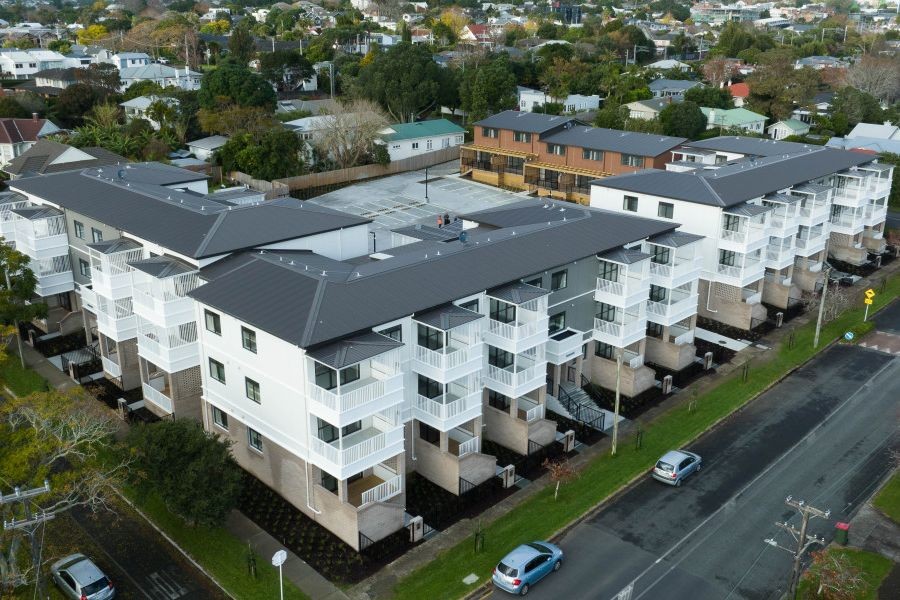
Case Study: Wellington Residential Complex – Comprehensive Fire Safety Overhaul
Problem: A residential complex in Wellington experienced a near-catastrophic fire due to insufficient safety measures, resulting in significant property damage and resident displacement.
Action: In response, management implemented a comprehensive fire safety upgrade, including interconnected smoke alarms, fire extinguishers on every floor, and fire-retardant building materials.
Result: Since these upgrades, the complex has reported no further incidents, and insurance premiums have decreased by 15% due to reduced risk.
Takeaway: This case underscores the importance of proactive safety measures in reducing risk and costs, offering a model for other residential buildings in New Zealand.
What Are the Biggest Mistakes Homeowners Make with Fire Safety?
- Neglecting Regular Maintenance: Fire safety equipment like alarms and extinguishers require regular checks. A 2023 survey from Consumer NZ found that 40% of households had expired or non-functional smoke alarms.
- Improper Placement of Fire Extinguishers: Extinguishers should be easily accessible and placed near potential fire sources, such as kitchens and garages.
- Ignoring Fire Doors: Many homeowners don’t recognize the importance of fire doors, which can significantly delay the spread of fire, buying crucial time for evacuation.
Pros vs. Cons: Investing in Fire Safety Upgrades
✅ Pros:
- Increased Safety: Comprehensive upgrades significantly reduce the likelihood of fire-related incidents.
- Insurance Benefits: Many insurance providers offer lower premiums for homes with modern fire safety systems.
- Property Value: Homes with advanced safety features may see increased market value.
❌ Cons:
- Upfront Costs: Initial investment can be significant, although it is often offset by long-term savings and safety benefits.
- Maintenance Requirements: Regular checks and maintenance are necessary to ensure equipment functionality.
Future Trends & Predictions in Fire Safety
As technology advances, fire safety systems are becoming more integrated and intelligent. According to a 2024 report from NZTech, the market for smart home fire safety systems in New Zealand is set to grow by 30% over the next five years. These systems, which include features like remote monitoring and automatic alerts, provide enhanced protection and convenience for homeowners.
Conclusion and Final Takeaways
Fire safety upgrades are not just a matter of compliance but a critical investment in your home and family’s safety. By implementing comprehensive safety measures, homeowners can significantly reduce risks, lower insurance premiums, and increase property value. As New Zealand continues to experience growth in residential construction, incorporating modern fire safety systems is both a smart financial decision and a crucial step in safeguarding lives.
Ready to enhance your home’s safety? Start by evaluating your current systems and consult with a fire safety expert to determine the best upgrades for your property. Share your experiences with fire safety below and let us know which upgrades you’ll consider!
People Also Ask
- What are the best strategies for implementing fire safety upgrades? Experts recommend starting with interconnected smoke alarms, followed by installing fire extinguishers, and ensuring fire doors are in place for comprehensive protection.
- How do fire safety upgrades impact home insurance in New Zealand? Homes with advanced fire safety systems often receive lower insurance premiums, as they are considered less risky by insurers.
- What is the biggest misconception about fire safety in homes? A common myth is that smoke alarms alone are sufficient; however, comprehensive fire safety involves multiple protective layers.
Related Search Queries
- Fire safety upgrades NZ
- Best smoke alarms for NZ homes
- Fire safety regulations New Zealand
- How to install fire doors
- Fire safety maintenance tips
- Smart home fire safety systems
- New Zealand fire safety statistics
- Home insurance and fire safety
- Fire safety myths debunked
- Emergency exit lighting installation
For the full context and strategies on Best Fire Safety Upgrades for NZ Homes, see our main guide: Tradie Video Marketing Social Media Nz.