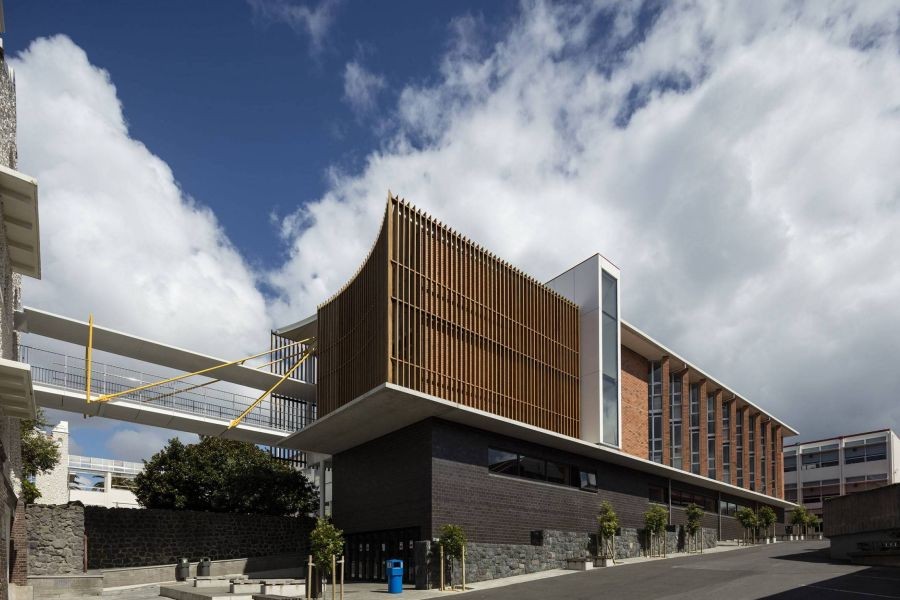






Auckland Grammar School, renowned for its academic excellence, also boasts a vibrant arts and cultural program that has a surprising influence on both students and the wider New Zealand community. This influence extends beyond the school's immediate environment, impacting the cultural landscape and even the economy of New Zealand. Let's delve deeper into how these programs function, their significant impact, and what this means for the future of arts and culture in New Zealand.
How It Works: A Deep Dive into Auckland Grammar's Arts and Cultural Programs
Auckland Grammar's arts and cultural programs are designed to foster creativity, critical thinking, and cultural awareness among students. These programs include a wide range of activities such as music, drama, visual arts, and cultural festivals. Each aspect is carefully curated to provide students with both practical skills and theoretical knowledge.
The school's music program, for instance, not only teaches students how to play instruments but also involves them in orchestras and choirs that perform both locally and internationally. The drama department stages several productions each year, offering students a platform to showcase their talents and learn about theatrical production processes. Visual arts programs encourage students to explore various mediums, resulting in exhibitions that often attract public attention.
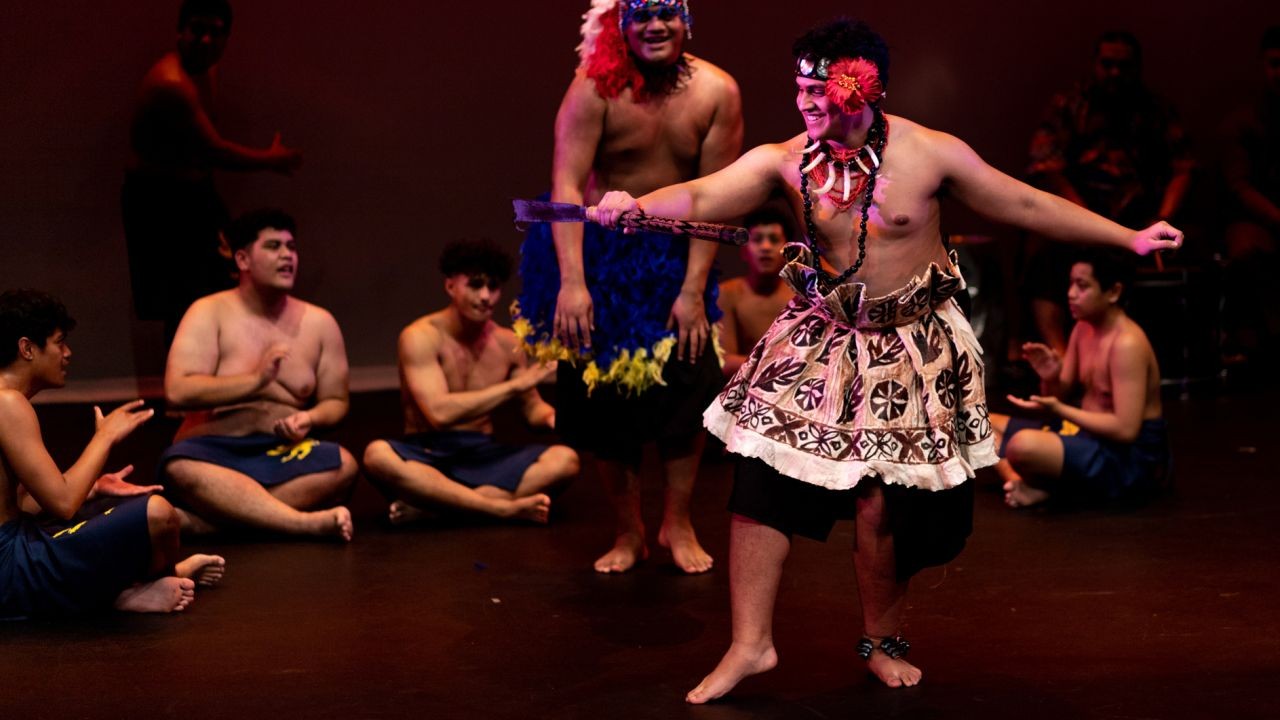
One unique aspect of Auckland Grammar's approach is its emphasis on cultural inclusivity. The school hosts cultural festivals that celebrate the diverse backgrounds of its students. These events not only enhance the cultural competence of students but also foster a sense of community within and beyond the school.
Leveraging Arts for Economic Growth: A New Zealand Perspective
The arts and cultural sector significantly contribute to New Zealand's economy. According to the Ministry for Culture and Heritage, the creative sector contributed approximately 3% to New Zealand’s GDP in 2022, highlighting its economic importance. Auckland Grammar's programs play a crucial role in nurturing future contributors to this sector.
Furthermore, the skills developed through arts education—such as creativity, communication, and collaboration—are highly valued in various industries. This aligns with the New Zealand government's focus on developing a creative economy that can adapt to global trends and technological advancements.
Expert Opinions & Thought Leadership
Experts in education and economics recognize the multifaceted value of arts education. Dr. Sarah Thompson, a senior lecturer at the University of Auckland, emphasizes that arts programs enhance cognitive abilities and emotional intelligence, which are critical in today's workforce. "Arts education is not just about creating artists; it's about developing well-rounded individuals who can think critically and creatively," she says.
Economist John Peterson notes that the arts sector in New Zealand is poised for growth, particularly with increased government support and digital transformation initiatives. "Investing in arts education is investing in the future economy of New Zealand," Peterson asserts.
Real-World Case Studies: Impact Beyond the Classroom
Case Study 1: The Rise of a Young Entrepreneur
Problem: James, a former student at Auckland Grammar, struggled with public speaking and confidence. As part of the school's drama program, he was cast in a lead role that required him to overcome these challenges.
Action: Through intensive rehearsals and guidance from the drama teacher, James developed not only his acting skills but also his confidence and public speaking abilities.
Result: James went on to found a successful startup in Auckland, attributing his ability to pitch ideas and engage stakeholders to the skills he developed in drama class.
Takeaway: Arts education fosters essential life skills that can lead to entrepreneurial success.
Case Study 2: Cultural Festivals and Community Engagement
Problem: Auckland Grammar School noticed a lack of cultural awareness among its students and the local community.
Action: The school organized an annual cultural festival celebrating the diverse backgrounds of its student body. This included performances, food stalls, and art exhibitions representing various cultures.
Result: The festival attracted over 500 attendees and was covered by local media, enhancing community engagement and cultural understanding.
Takeaway: Cultural festivals can bridge gaps and foster a sense of community, contributing to social cohesion.
Debunking Myths: Common Misconceptions about Arts Education
Despite the clear benefits of arts education, several myths persist. Let's address and debunk these misconceptions:
- Myth: Arts education is only for those pursuing a career in the arts. Reality: Arts education develops transferable skills applicable in various fields, including business and technology.
- Myth: Arts programs lack academic rigor. Reality: Arts education involves critical thinking and problem-solving, integral to academic success.
- Myth: Investing in arts is not economically viable. Reality: The creative sector significantly contributes to New Zealand's GDP, and arts graduates often pursue diverse, successful careers.
Pros and Cons of Arts and Cultural Programs
Pros
- Enhanced Creativity: Arts programs stimulate creativity, essential for innovation.
- Improved Academic Performance: Studies show that students involved in arts perform better academically.
- Cultural Awareness: Programs promote understanding and appreciation of diverse cultures.
- Economic Contribution: Arts graduates contribute significantly to various industries.
Cons
- Resource Intensive: Arts programs require significant investment in resources and facilities.
- Perception of Low Priority: Arts are often undervalued compared to STEM subjects.
- Variable Impact: The benefits of arts education can vary based on program quality and implementation.
Future Trends and Predictions
The future of arts and cultural programs in New Zealand looks promising, with several trends indicating growth and evolution:
- Increased Digital Integration: The integration of digital tools in arts education is set to enhance learning experiences, making arts more accessible.
- Greater Government Support: With the government's focus on the creative economy, increased funding and support for arts programs are anticipated.
- Global Collaboration: New Zealand's arts programs are likely to see more international collaborations, enriching cultural exchanges and opportunities for students.
Final Takeaways
- Invest in Arts Education: Supporting arts programs is crucial for developing versatile skills applicable across industries.
- Embrace Cultural Diversity: Cultural programs enhance community engagement and understanding.
- Leverage Arts for Economic Growth: The arts sector is a vital contributor to New Zealand's economy, with potential for further growth.
As we look to the future, it's clear that Auckland Grammar's arts and cultural programs will continue to play a pivotal role in shaping not only the students but also the broader cultural and economic landscape of New Zealand.
Conclusion
In conclusion, Auckland Grammar's arts and cultural programs have a widespread influence that extends beyond academia. By fostering creativity, cultural awareness, and economic growth, these programs contribute significantly to both individual development and the community at large. As New Zealand continues to embrace a creative economy, the importance of supporting arts education cannot be overstated.
What’s your take on the role of arts education in fostering economic growth and cultural awareness? Share your insights below!
People Also Ask
- How do Auckland Grammar's arts programs impact New Zealand's economy? The programs contribute to the creative sector, which is a significant part of New Zealand’s GDP, fostering skills that are valuable in multiple industries.
- What are the misconceptions about arts education? A common myth is that arts education is not academically rigorous, but it actually enhances critical thinking and problem-solving skills.
- What strategies can enhance arts education in schools? Strategies include integrating digital tools, securing government support, and fostering international collaborations.
Related Search Queries
- Auckland Grammar arts program
- Impact of arts education in New Zealand
- Creative sector contribution to NZ economy
- Cultural diversity programs in schools
- Future trends in arts education