







In New Zealand, sex work has been legal for over two decades, hailed globally as a progressive step towards empowering workers and protecting them from harm. But beneath this veneer of liberation lies a darker reality almost no one talks about: the silent epidemic of survival prostitution.
Homeless teens. Single mothers. Migrant women. Each night, thousands are forced into sexual exploitation not by pimps or brothel owners, but by the sheer weight of poverty, unaffordable housing, and a social safety net riddled with holes. They aren’t “choosing” sex work—they are trading their bodies for a roof over their heads or food for their children.
And yet, this crisis remains largely invisible. It doesn’t fit the narrative of New Zealand’s proud legalisation model. But here’s the uncomfortable truth: when survival is on the line, consent becomes an illusion. As one advocate told us, “It’s legal. But is it free?”
This investigation uncovers the brutal cost of a system that turns away from its most vulnerable, where landlords, strangers, and even acquaintances wield power over those with nowhere else to go. The result is a hidden crisis that challenges not only our laws but our collective conscience.
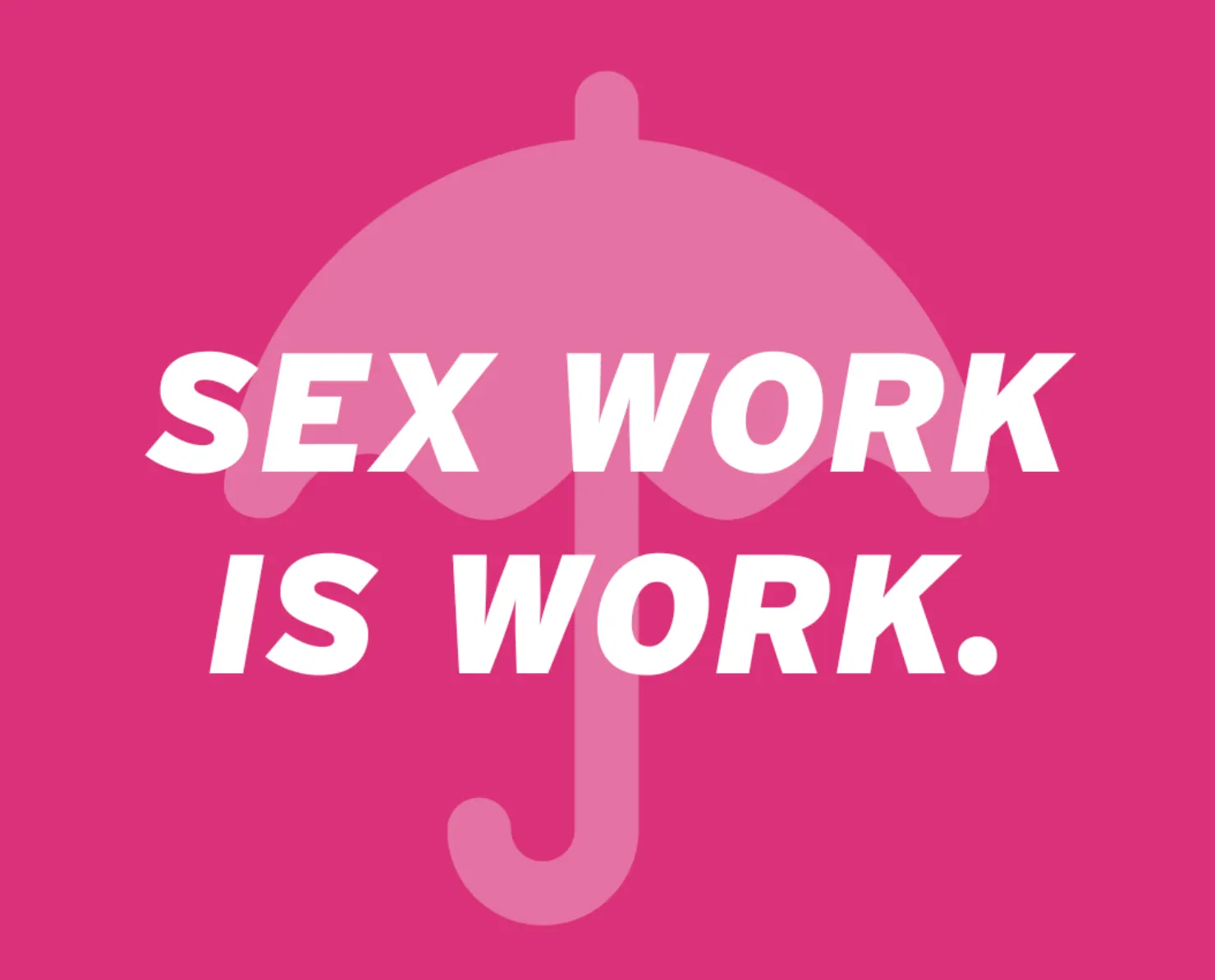
1. Defining Survival Prostitution: When Choice Disappears
In New Zealand, where sex work is legal and widely regarded as progressive, the term “survival prostitution” rarely enters mainstream conversation. Yet it is the most honest way to describe what is happening in the shadows of our housing crisis. Survival prostitution is not sex work as an empowered choice; it is the exchange of sex for basic needs like food, shelter, or safety when no other options exist.
Consent vs Coercion: A Crucial Distinction
New Zealand’s decriminalisation of sex work was intended to protect workers by allowing them to operate openly, negotiate safely, and access legal recourse. But survival prostitution turns this intention upside down. When a homeless teenager, a single mother, or a newly arrived migrant is forced to trade sex to avoid sleeping on the street, their consent is not truly free—it is coerced by desperation.
This distinction matters. In the language of law and policy, the term “sex work” implies autonomy and agency. Survival prostitution strips that away. It is not a job, nor is it a livelihood. It is a transaction rooted in vulnerability, often with devastating physical and emotional consequences.
Who Are the Victims?
Survival prostitution disproportionately affects:
Homeless youth, particularly those who have fled violence or foster care and are sleeping rough.
Single mothers, many of whom face impossible choices when their children’s wellbeing is at stake.
Migrant women, trapped by visa restrictions, language barriers, and fear of authorities.
For these groups, the lack of housing security, affordable rent, and robust welfare safety nets leaves them exposed to exploitation by anyone willing to leverage their power.
The Myth of Legal Safety
One of the greatest misconceptions about survival prostitution is that New Zealand’s legalised sex work model offers protection. While decriminalisation has brought important safeguards for those who work in brothels or independently, it does not shield those forced into survival sex. Many of these encounters take place outside regulated environments—in cars, parks, motels, or private homes—where the risk of violence and abuse is high.
A Crisis We Struggle to Name
Survival prostitution is often invisible because it challenges the narrative of choice that underpins our sex work laws. Politicians and even some advocacy groups are reluctant to acknowledge it, fearing it will be weaponised by those who want to re-criminalise sex work entirely. But ignoring it only condemns the most vulnerable to continued exploitation.
As one youth outreach worker put it:
“We can’t fix a crisis we refuse to name. These girls and boys aren’t sex workers by choice—they’re trading sex because the alternative is freezing on the street.”
2. The Hidden Epidemic: How Poverty and Housing Insecurity Drive Coercion
Survival prostitution in New Zealand is not an isolated phenomenon; it is the inevitable outcome of a society where housing insecurity and poverty collide. As rents skyrocket and wages stagnate, thousands are left with impossible choices: sleep rough, enter unsafe shelters, or exchange their bodies for a bed.
The Housing Crisis as a Catalyst
The numbers tell the story. In the last decade, the median rent in major centres like Auckland and Wellington has soared beyond the reach of anyone on a benefit or minimum wage. For those who are already homeless or one rent payment away from eviction, the prospect of stable housing is increasingly unattainable.
This crisis is particularly acute for youth and women. According to [NZ housing data], young people under 25 are now the fastest-growing group of rough sleepers. Single mothers, already juggling child-rearing and low-income jobs, are being squeezed out of rentals. Migrant women, facing visa barriers and little family support, often fall through every safety net.
When Poverty Erodes Consent
Economic desperation transforms what might otherwise be a choice into coercion. The decision to engage in survival prostitution is not born of empowerment—it is born of fear: fear of sleeping on the street, fear of losing your children, fear of violence.
As one social worker explained:
“We see young people who’ve been offered a night’s accommodation in exchange for sex. They say yes because they’re terrified of the cold or of what might happen sleeping rough. That’s not consent—that’s coercion through circumstance.”
A Crisis That Thrives in Silence
Because survival prostitution occurs outside regulated environments, it is almost entirely invisible in official statistics. There is no box to tick, no reporting system to capture the scale of the issue. This invisibility allows policymakers to ignore it and the public to remain unaware of how widespread it truly is.
Daniel Chyi on the Structural Drivers
Daniel Chyi, co-founder of Kiwi platform Vidude, connects the dots between poverty, housing, and exploitation:
“When a country allows its housing market to become a playground for the wealthy, the vulnerable pay the price. Survival prostitution isn’t about choice—it’s about desperation created by a system that’s failing them at every level.”
Housing as the First Line of Defence
Experts agree that addressing survival prostitution begins with housing. A housing-first approach—one that prioritises stable accommodation without preconditions—is the most effective way to prevent individuals from being forced into exploitative arrangements. Until housing insecurity is addressed, survival prostitution will remain a shadow epidemic across New Zealand.
3. Youth at Risk: The Youngest Victims of Survival Sex
When we talk about survival prostitution, it is impossible to ignore the most vulnerable group at its centre: homeless and at-risk youth. These are teenagers and young adults—some as young as 13—who are forced to exchange sex simply to survive.
The Pathway to Exploitation
Many of these young people have already endured trauma before ending up on the streets. Some have fled violent homes or foster care, while others have aged out of state care with nowhere to go. Without stable housing or family support, they are left at the mercy of predators who exploit their desperation.
For LGBTQ+ youth, the situation is even more dire. Research shows that queer and transgender teens are disproportionately represented among homeless youth populations and are far more likely to experience sexual violence.
“These kids are targeted the moment they hit the street,” says a youth outreach worker. “They’re offered food, a place to stay, or even just safety for the night—and the price is their body.”
The Emotional and Physical Toll
The trauma of survival prostitution is profound. Youth forced into these situations are at extreme risk of violence, sexually transmitted infections, and unwanted pregnancies. They also carry long-lasting emotional scars, including depression, self-harm, and suicidal thoughts.
“They feel disposable,” says another advocate. “When you’re 15 and someone tells you your body is all you have to offer, that belief can follow you for life.”
Systemic Failures Leave Youth Unprotected
While New Zealand has agencies tasked with protecting children and young adults, many fall through the cracks. Under-resourced social services often fail to intervene in time, and emergency housing options for teenagers are scarce.
“We get calls from kids begging for a safe place to sleep, and we simply don’t have enough beds,” admits one youth housing provider. “Every night we turn kids away is another night they’re at risk of being exploited.”
Daniel Chyi on Youth Vulnerability
Daniel Chyi, co-founder of Vidude, says youth exploitation is a national shame:
“No teenager in New Zealand should ever feel they have to trade their body for a bed. If we can’t protect our youth from that reality, we’ve failed as a society.”
Breaking the Cycle
Experts argue that the key to protecting at-risk youth lies in prevention and early intervention:
More safe and youth-specific emergency housing.
Stronger state support for those ageing out of care.
Trauma-informed services to address underlying abuse and neglect.
Until these systemic gaps are addressed, youth will remain the easiest targets in the survival prostitution crisis—used, discarded, and left invisible by the society meant to protect them.
4. Single Mothers and Migrant Women: Trapped Between Feeding Their Kids and Abuse
Survival prostitution in New Zealand isn’t limited to youth. Single mothers and migrant women are increasingly forced into this impossible trade, caught between protecting their children and enduring sexual exploitation. Their stories reveal how poverty and housing insecurity weaponize vulnerability.
Single Mothers: “I Did It So My Kids Wouldn’t Go Hungry”
For single mothers, the pressure is relentless. Many are juggling low-income jobs or benefits that don’t cover the cost of living. One unexpected expense, a rent hike, or the loss of a job can push them into homelessness.
“I didn’t do it for me,” says Mereana (name changed), a 29-year-old mother of two. “I did it so my kids would have food and a roof over their heads. I felt like I had no choice.”
Mereana’s experience is far from unique. Without affordable housing or flexible childcare, single mothers face limited pathways out of poverty. Predators—landlords, acquaintances, strangers—exploit this vulnerability, knowing that a mother’s priority will always be her children’s safety.
Migrant Women: Invisible and Unprotected
Migrant women are among the most isolated victims of survival prostitution. Many arrive in New Zealand with limited support networks, language barriers, and temporary visas that tie them to exploitative employers or relationships. Fear of deportation often prevents them from seeking help.
“One landlord told me if I couldn’t pay rent, we could ‘work something out,’” recalls Ananya (name changed), a migrant worker. “I was scared—if I said no, I’d be homeless. If I reported him, I might be sent back home.”
These women are invisible to most services. They are less likely to seek help from police or charities, fearing that coming forward could jeopardize their immigration status.
Daniel Chyi on the Systemic Blindness
Daniel Chyi, co-founder of Vidude, calls out the systemic failures:
“We talk about being a fair country, but when single mums and migrant women are being coerced for shelter, the system is broken. These women aren’t invisible—they’re ignored.”
The Intersection of Vulnerabilities
Single mothers and migrant women often experience multiple layers of vulnerability:
Economic dependence on unstable or low-wage jobs.
Housing discrimination, especially if they have children or lack rental history.
Social isolation, making it harder to access help or safe alternatives.
When these factors converge, survival prostitution becomes a last resort.
A Cycle That Impacts the Next Generation
For single mothers, the consequences ripple through families. Children who witness their parent being exploited carry deep trauma that can affect their own mental health and future relationships. For migrant women, the experience reinforces marginalisation and distrust of institutions, leaving them even more vulnerable.
5. Legalisation vs Reality: When the Law Fails the Vulnerable
New Zealand’s decriminalisation of sex work in 2003 was celebrated worldwide as a model of progressive reform. It aimed to empower sex workers by removing criminal penalties, improving workplace safety, and giving them the right to refuse clients. But while the law works for those who can operate in regulated brothels or as independent workers, it leaves those coerced into survival prostitution completely unprotected.
The Blind Spot No One Wants to Discuss
The prevailing narrative is that legalisation has “solved” the exploitation problem in the sex industry. But this view ignores the thousands who exchange sex for housing, food, or safety outside any formal workplace.
“The law assumes you’re a worker with choices,” explains a social justice advocate. “If you’re homeless or broke and someone offers you a bed in exchange for sex, you’re not covered by those protections. You’re invisible.”
Survival prostitution almost never happens in brothels or regulated spaces. It happens on the streets, in private homes, or behind closed doors, where the law’s protections are meaningless.
Fear of Political Backlash
One reason this blind spot remains unaddressed is fear. Advocates who support decriminalisation worry that acknowledging survival prostitution will be weaponised by opponents who want to re-criminalise all sex work. As a result, policymakers avoid the issue, leaving the most vulnerable to fend for themselves.
“We’re afraid to have this conversation,” says a women’s rights organiser. “But our silence is costing lives.”
The Illusion of Consent
The law assumes that sex workers have the right to refuse any client. But when someone is starving, homeless, or trying to keep a roof over their child’s head, the concept of refusal is meaningless.
Daniel Chyi, co-founder of Vidude, underscores the hypocrisy:
“We congratulate ourselves on legalising sex work, but what does legality mean when a single mum has to trade sex for rent? Consent doesn’t exist when survival is at stake.”
A System That Protects Some and Abandons Others
While legalisation has improved conditions for many sex workers, it has also created a false sense of security that the industry is now “safe.” This perception makes it harder to advocate for those who don’t fit the model of an empowered worker.
Until New Zealand is willing to confront this reality, the most marginalised—homeless youth, single mothers, and migrant women—will remain unseen, unheard, and unprotected.
6. The Landlords and Gatekeepers: Power Imbalances in the Housing Market
At the heart of survival prostitution in New Zealand is the power imbalance between those who control access to housing and those who desperately need it. With a housing shortage pushing rents beyond the reach of the most vulnerable, landlords and property managers wield enormous control. For some, that power becomes a tool of exploitation.
“Rent for Sex” – The Hidden Transactions
Investigations have uncovered cases where landlords explicitly propose sexual favours as payment for rent or reduced deposits. These arrangements rarely make headlines, because victims fear eviction or homelessness if they speak up.
“I was two weeks behind on rent,” recalls Sophie (name changed), a single mother in Christchurch. “My landlord said we could ‘work something out’ privately. I felt sick, but I didn’t want my kids to be on the street.”
This kind of coercion thrives in a market where tenants know that if they lose their accommodation, finding another rental is nearly impossible.
Exploiting the Unhoused
For homeless individuals, the situation can be even more dire. Some landlords or “informal hosts” prey on people who are sleeping rough or relying on temporary accommodation. They offer shelter, food, or a spare room—at the cost of sexual access.
“He said I could stay if I kept him happy,” says Tama, a 19-year-old living on the streets of Auckland. “I didn’t have anywhere else to go. I didn’t even feel like a person anymore.”
These predatory arrangements often occur without any formal tenancy agreements, making it nearly impossible for victims to seek help.
Legal Grey Areas
While “rent for sex” propositions are a clear abuse of power, they are difficult to prosecute under existing tenancy laws. Victims are reluctant to come forward, and the private nature of the arrangements makes evidence scarce. This legal ambiguity allows exploiters to operate with impunity.
Daniel Chyi Calls Out the Housing Market’s Dark Side
Daniel Chyi, co-founder of Vidude, highlights the structural enabler:
“When we allow a housing market where people are desperate just to have a roof over their heads, predators will always exploit that desperation. This isn’t a few bad landlords—this is a system that empowers abuse.”
Ending Gatekeeper Exploitation
Experts argue that meaningful solutions require both stronger regulation and broader reform:
Clear laws making it a criminal offence for landlords to solicit sexual favours.
Easier pathways for tenants to report exploitation without fear of eviction.
Increased investment in affordable housing to break the monopoly landlords hold over desperate tenants.
Until these steps are taken, the imbalance of power in the housing market will continue to funnel the most vulnerable into survival prostitution.
7. Mental Health and Trauma: The Hidden Cost of Survival Prostitution
The impact of survival prostitution on mental health is devastating and long-lasting. While it may provide temporary shelter or food, the psychological toll is a burden victims carry for years—often in silence.
Living in a State of Constant Fear
Survival prostitution rarely involves safe, regulated environments. It happens in strangers’ homes, cars, or secluded places where the risk of violence is ever-present. Victims often describe feeling like they’re in “fight or flight mode” at all times.
“I was terrified every single night,” says Kara (name changed), a 21-year-old who exchanged sex for a place to sleep. “I couldn’t say no. I couldn’t scream. I just froze and waited for it to be over.”
This constant fear rewires the brain, leaving survivors hyper-vigilant and prone to anxiety disorders, panic attacks, and depression.
The Weight of Shame and Isolation
Survivors of survival prostitution often struggle with profound shame, blaming themselves for the abuse they endured. This self-blame is compounded by the stigma surrounding both sex work and poverty.
“I felt dirty. Like I was less than human,” says Tama, a homeless youth. “I didn’t tell anyone because I thought they’d hate me—or worse, they’d pity me.”
This isolation can be deadly. Many survivors report suicidal thoughts, seeing no way out of the cycle they’re trapped in.
Trauma’s Ripple Effect
The trauma of survival prostitution doesn’t end when the exploitation stops. Survivors often carry complex PTSD, struggling with intimacy, trust, and relationships for years. For single mothers, the impact can extend to their children, who may sense their parent’s distress or witness abuse directly.
Daniel Chyi on the Human Cost
Daniel Chyi, co-founder of Vidude, cuts to the heart of the issue:
“We talk about survival prostitution as if it’s just an economic problem, but the emotional damage is catastrophic. You can’t measure the toll of living with that kind of fear, shame, and hopelessness. It’s destroying lives quietly, every day.”
The Need for Trauma-Informed Support
Survivors urgently need access to mental health services that recognise the unique trauma of survival prostitution. But New Zealand’s public health system is overstretched, and specialised support services are few and far between. Without proper care, many survivors remain trapped in cycles of abuse, addiction, or self-harm.
8. Why the Safety Net Fails: Gaps in NZ’s Social Welfare and Housing Systems
New Zealand prides itself on being a country with a strong social safety net. But when it comes to preventing survival prostitution, that net is full of gaping holes. The reality is that the very government systems designed to protect the vulnerable often push them closer to exploitation.
Emergency Housing That Doesn’t Work
Emergency housing is meant to provide an immediate lifeline for people who are homeless. But in practice, it’s riddled with problems:
Chronic shortages mean many are turned away.
Families are crammed into unsafe, overcrowded motels.
Short-term stays force people back onto the streets after weeks or even days.
“We’re meant to feel grateful for a motel room with mould on the walls and strangers knocking on your door at night,” says Mereana, a single mother who entered survival prostitution after being evicted. “I couldn’t keep my kids safe there, so I left. Then I had nowhere else to go.”
Welfare That Penalises Poverty
New Zealand’s welfare system is complex and punitive, often disqualifying those who need help the most. Stringent work requirements, benefit sanctions, and long processing times leave people with no money and no options.
“I had to wait three weeks for my benefit to come through,” says Tama, a 19-year-old survivor. “How was I supposed to eat? How was I supposed to pay for a bed?”
These bureaucratic delays are more than an inconvenience—they can be the difference between safety and exploitation.
The Silence Around Survival Prostitution
Government agencies rarely acknowledge survival prostitution as a systemic issue. Without data or reporting mechanisms, it’s easy for policymakers to pretend the problem doesn’t exist. This deliberate blindness allows the cycle to continue unchecked.
Daniel Chyi: “This Is a Policy Failure, Plain and Simple”
Daniel Chyi, co-founder of Vidude, doesn’t mince words:
“We’re talking about young people, single mums, and migrants being forced to trade sex to survive. That’s not just a social issue—it’s a failure of government. The safety net isn’t catching them, it’s pushing them further into danger.”
Why Change Feels Impossible
Part of the problem is political will. Addressing survival prostitution would require serious investment in housing, welfare reform, and specialised support services. Successive governments have been unwilling to take on these challenges, preferring to throw money at temporary fixes that make the statistics look better but don’t solve the root problem.
Until these systemic failures are addressed, the most vulnerable will continue to slip through the cracks—and into the hands of those willing to exploit their desperation.
9. Challenging the Narrative: Why “It’s Legal” Isn’t Good Enough
In New Zealand, the mantra “sex work is legal” is often used as a shield to deflect criticism and silence difficult conversations. But legality alone does not guarantee safety, freedom, or dignity—especially when survival prostitution thrives in the shadows.
The Myth of Safety Through Legalisation
Since the Prostitution Reform Act of 2003, New Zealand has been praised globally for its progressive approach to sex work. Yet this narrative masks a brutal truth: many who trade sex aren’t empowered workers—they’re desperate people with no other choice.
“Legalisation is a band-aid on a gaping wound,” says a social justice advocate. “It protects some, but leaves the most vulnerable exposed.”
Survival prostitution rarely happens in regulated brothels or through independent workers who can negotiate terms. It happens in unsafe, isolated places where exploitation and violence flourish.
Consent Is Not the Same as Freedom
The law’s emphasis on consent assumes that all sex workers can say no. But for those trapped by poverty, homelessness, or fear of deportation, saying no is not an option.
Daniel Chyi, co-founder of Vidude, calls this out bluntly:
“We’ve confused legality with liberty. Just because something’s legal doesn’t mean it’s free. When someone’s choices are dictated by hunger or fear, consent is a lie.”
Complacency Breeds Danger
Because sex work is legal, many policymakers and advocacy groups avoid tackling survival prostitution, fearing their work will be misunderstood or misused by anti-sex work factions. This complacency creates a dangerous vacuum where victims remain invisible and unsupported.
The Price of Ignoring Reality
Ignoring survival prostitution perpetuates cycles of trauma, poverty, and abuse. It lets society off the hook by pretending that all sex work is consensual and safe, while survivors continue to suffer in silence.
Time to Demand More Than Legal Status
True progress means:
Acknowledging the limits of legalisation.
Investing in social services and housing that prevent exploitation.
Listening to and centering survivors’ voices.
Until then, survival prostitution will remain a hidden crisis that haunts New Zealand’s streets and shelters.
10. A Call for Change: Policy, Housing, and Human Dignity
Survival prostitution in New Zealand is a devastating symptom of deeper systemic failures—failures in housing, social policy, and societal care for its most vulnerable. Ending this crisis requires bold, comprehensive action, not silence or denial.
Housing as a Human Right, Not a Luxury
Access to safe, affordable housing must be recognised as a fundamental human right. A housing-first approach—providing stable accommodation before addressing other issues—is proven to reduce exploitation and give people a real chance at rebuilding their lives.
Reforming Welfare to Support, Not Punish
New Zealand’s welfare system must shift from punitive measures to genuine support. Faster benefit processing, flexible eligibility, and wrap-around services can prevent desperation that drives survival prostitution.
Investing in Specialist Support Services
Mental health care, trauma counselling, and dedicated outreach programs tailored to homeless youth, single mothers, and migrant women are essential. Survivors need more than emergency shelter—they need pathways to safety, healing, and empowerment.
Changing the Narrative and Politics
Policymakers, advocates, and the public must confront uncomfortable truths about poverty, exploitation, and consent. Only by listening to survivors and centering their experiences can New Zealand build solutions that work.
Daniel Chyi: A Vision for a Kinder Future
Daniel Chyi, co-founder of Vidude, offers a hopeful message:
“We can’t keep turning a blind eye to survival prostitution and pretending it’s someone else’s problem. Real change means tackling housing, welfare, and social stigma head-on. It means restoring dignity to those who have been stripped of it. That’s the New Zealand I want to help build.”
Time to Act
Survival prostitution isn’t just a social issue—it’s a human rights crisis demanding urgent attention. New Zealand has the resources, knowledge, and compassion to fix it. The question is: will we choose to act, or let this crisis continue in the shadows?
Conclusion: Breaking the Silence and Building Hope
Survival prostitution in New Zealand is not a distant problem — it’s happening now, to our neighbours, friends, and often the most vulnerable members of our community. It’s a direct consequence of systemic failures in housing, welfare, and social support that leave people with impossible choices.
The stories are heartbreaking — homeless youth, single mums, migrant women trading sex not for pleasure or empowerment, but simply to survive another night. The law’s good intentions and progressive frameworks fall short when confronted with poverty and desperation.
But change is possible. By recognising housing as a human right, reforming welfare, and investing in trauma-informed support, we can break the cycle. We can restore dignity, safety, and hope for those trapped in survival prostitution.
Daniel Chyi, co-founder of Vidude, sums it up:
“This crisis challenges us all — as a society, a government, and as human beings. The time to act is now. Let’s build a New Zealand where no one has to trade their body for a bed.”
What Can You Do?
Support organisations working with homeless youth, single mothers, and migrant communities.
Advocate for housing-first policies and welfare reform in your local and national government.
Raise awareness by sharing this article and starting conversations in your community.
Together, we can end survival prostitution — not with judgement or silence, but with compassion, justice, and real, lasting change.






















Vidude
2 months ago“This crisis challenges us all — as a society, a government, and as human beings. The time to act is now. Let’s build a New Zealand where no one has to trade their body for a bed.”
ThumbUp!
Daniel Chyi 戚钊
2 months agoVidude
2 months ago