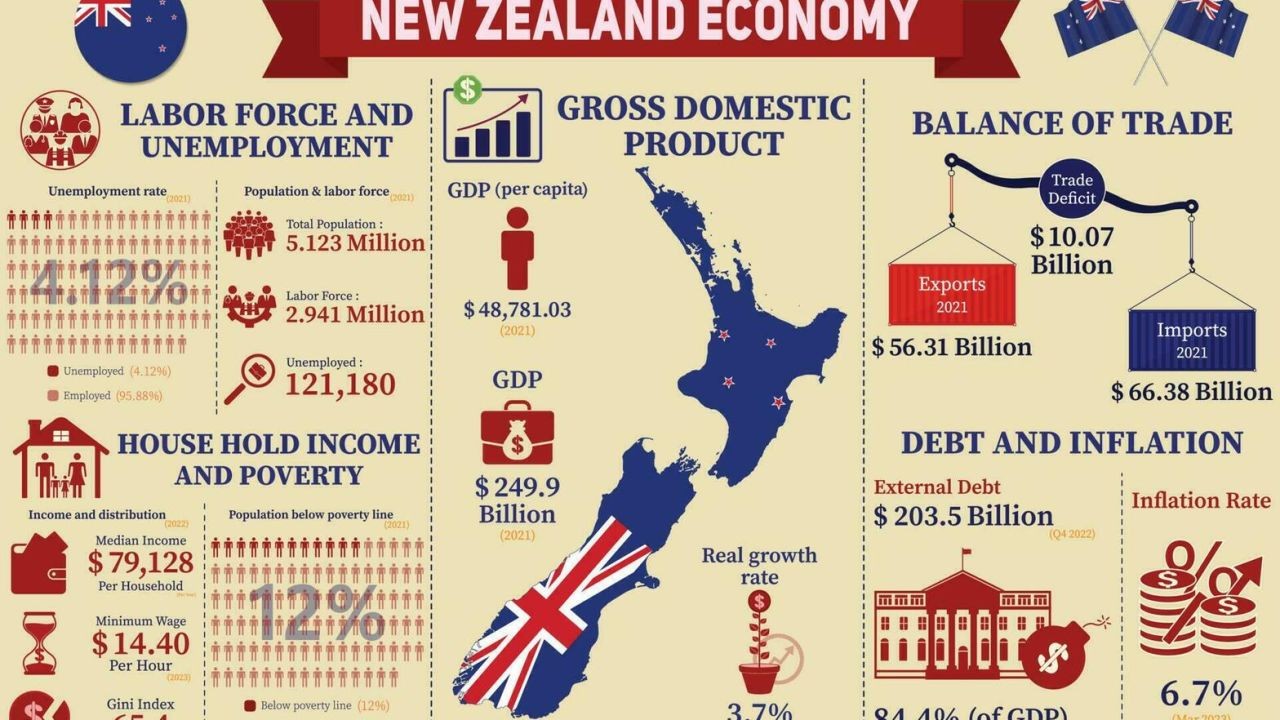






In the competitive landscape of digital marketing, businesses must choose their advertising channels wisely to maximize sales and reach their target audience. The debate between Google Ads and social media ads is particularly relevant in New Zealand, where the digital economy is rapidly growing. According to a report by Stats NZ, online advertising spending in New Zealand has increased by 15% annually, indicating the importance of effective digital marketing strategies. This article delves into the pros and cons of Google Ads versus social media ads, offering insights tailored to sustainability advocates and Kiwi businesses seeking to make informed decisions.
Understanding Google Ads and Social Media Ads
Google Ads is a pay-per-click (PPC) advertising platform that allows businesses to display ads on Google's search engine results pages. This platform is known for its ability to target users based on specific keywords, location, and demographics, making it a powerful tool for driving sales. On the other hand, social media ads leverage platforms like Facebook, Instagram, and LinkedIn to reach users based on their interests, behaviors, and connections. The choice between these two advertising channels often depends on a business's target audience, objectives, and industry.
Pros and Cons of Google Ads
- Pros:
- Higher Intent: Google Ads targets users actively searching for products, leading to higher conversion rates.
- Wide Reach: With billions of searches daily, Google Ads can reach a vast audience.
- Measurable Results: Provides detailed analytics to track performance and ROI.
- Cons:
- Costly Bidding: Competitive keywords can significantly increase costs.
- Complexity: Requires expertise to manage effectively and optimize campaigns.
- Limited Visual Appeal: Primarily text-based, lacking the visual engagement of social media ads.
Pros and Cons of Social Media Ads
- Pros:
- Engaging Formats: Offers visually rich ads that can include images, videos, and interactive content.
- Precise Targeting: Allows targeting based on user interests and behaviors.
- Brand Awareness: Ideal for increasing brand visibility and engagement.
- Cons:
- Lower Purchase Intent: Users may not be in a buying mindset when browsing social media.
- Ad Fatigue: Users may become overwhelmed by the volume of ads, leading to decreased effectiveness.
- Changing Algorithms: Frequent updates to social media algorithms can impact ad visibility.
Expert Opinions and Industry Insights
According to a recent study by the University of Auckland, businesses using a combination of Google Ads and social media ads experience a 30% higher conversion rate than those relying on a single platform. This multi-channel approach allows businesses to capture users at different stages of the purchasing journey, from awareness to decision-making.
Local experts, such as marketing strategist Sarah Thompson, advocate for integrating sustainability messaging into digital ads. "With New Zealand's strong focus on environmental conservation, incorporating sustainability into advertising not only aligns with consumer values but also enhances brand reputation," she explains. This aligns with the growing trend of consumers preferring brands that demonstrate social responsibility.
Case Study: KiwiClean – Boosting Sales with a Dual Advertising Strategy
Problem: KiwiClean, a New Zealand-based eco-friendly cleaning product company, struggled to increase online sales despite high website traffic. The challenge was converting visitors into paying customers.
Action: KiwiClean implemented a dual advertising strategy, utilizing Google Ads to target users searching for eco-friendly products and social media ads to build brand awareness. They focused on showcasing their environmental benefits and customer testimonials.
Result: Within six months, KiwiClean achieved remarkable results:
- Sales increased by 45%.
- Website conversion rate improved by 35%.
- Brand engagement on social media grew by 50%.
Takeaway: This case study emphasizes the effectiveness of a multi-platform approach in reaching diverse audiences and enhancing conversion rates. Businesses in New Zealand can leverage this strategy to align with consumer values and drive sales growth.
Common Myths and Misconceptions
- Myth: "Google Ads are only for large businesses." Reality: Small businesses can benefit from Google Ads by targeting niche markets and optimizing their campaigns for specific keywords.
- Myth: "Social media ads don't drive sales." Reality: While social media ads excel at building brand awareness, they can also drive sales when strategically targeted and combined with compelling calls-to-action.
- Myth: "You need a massive budget to succeed with digital ads." Reality: Effective ad campaigns can be launched with modest budgets by focusing on targeted audiences and continuous optimization.
Biggest Mistakes to Avoid
- Ignoring Audience Insights: Failing to analyze audience data can lead to ineffective targeting and wasted ad spend. Solution: Use analytics tools to understand audience behavior and preferences.
- Neglecting Mobile Optimization: With a significant portion of users accessing ads via mobile devices, non-optimized ads can result in poor performance. Solution: Ensure ads are mobile-friendly and offer seamless user experiences.
- Overlooking Sustainability Messaging: In New Zealand, sustainability is a key consumer concern. Solution: Integrate eco-friendly messages into ads to resonate with local values.
Future Trends and Predictions
As digital advertising evolves, businesses in New Zealand can expect several trends to shape the landscape. According to a report by Deloitte, AI-driven advertising will become more prevalent, allowing for hyper-personalized ad experiences and improved targeting accuracy. Additionally, the rise of video content and interactive ads will continue, capturing user attention and enhancing engagement.
Furthermore, New Zealand's focus on sustainability will influence advertising strategies. Brands that prioritize eco-friendly practices and transparency will gain a competitive edge, aligning with consumer expectations for corporate responsibility.
Final Takeaways
- Combining Google Ads and social media ads can enhance sales by reaching users at different stages of the buying journey.
- Integrating sustainability messaging into ads can strengthen brand reputation and align with Kiwi consumer values.
- Continuous optimization and audience analysis are crucial for maximizing ad performance and ROI.
- Embrace emerging trends like AI-driven advertising and interactive content to stay ahead in the competitive landscape.
In conclusion, the choice between Google Ads and social media ads depends on a business's objectives, target audience, and industry. By understanding the unique benefits and limitations of each platform, New Zealand businesses can develop effective advertising strategies that drive sales, enhance brand visibility, and resonate with consumer values. Share your thoughts and experiences with digital advertising in the comments below!
People Also Ask (FAQ)
- How do Google Ads impact businesses in New Zealand? Google Ads allow NZ businesses to target users actively searching for products, resulting in higher conversion rates and increased sales.
- What are the biggest misconceptions about social media ads? A common myth is that social media ads don't drive sales. However, when properly targeted, they can effectively convert users into customers.
- What are the best strategies for implementing digital ads? Experts recommend starting with audience analysis, followed by targeted ad creation, and continuous performance optimization for long-term success.
Related Search Queries
- Best digital marketing strategies in New Zealand
- How Google Ads drive sales for small businesses
- Social media advertising trends 2024
- Impact of sustainability on digital marketing
- Google Ads vs. Facebook Ads effectiveness