




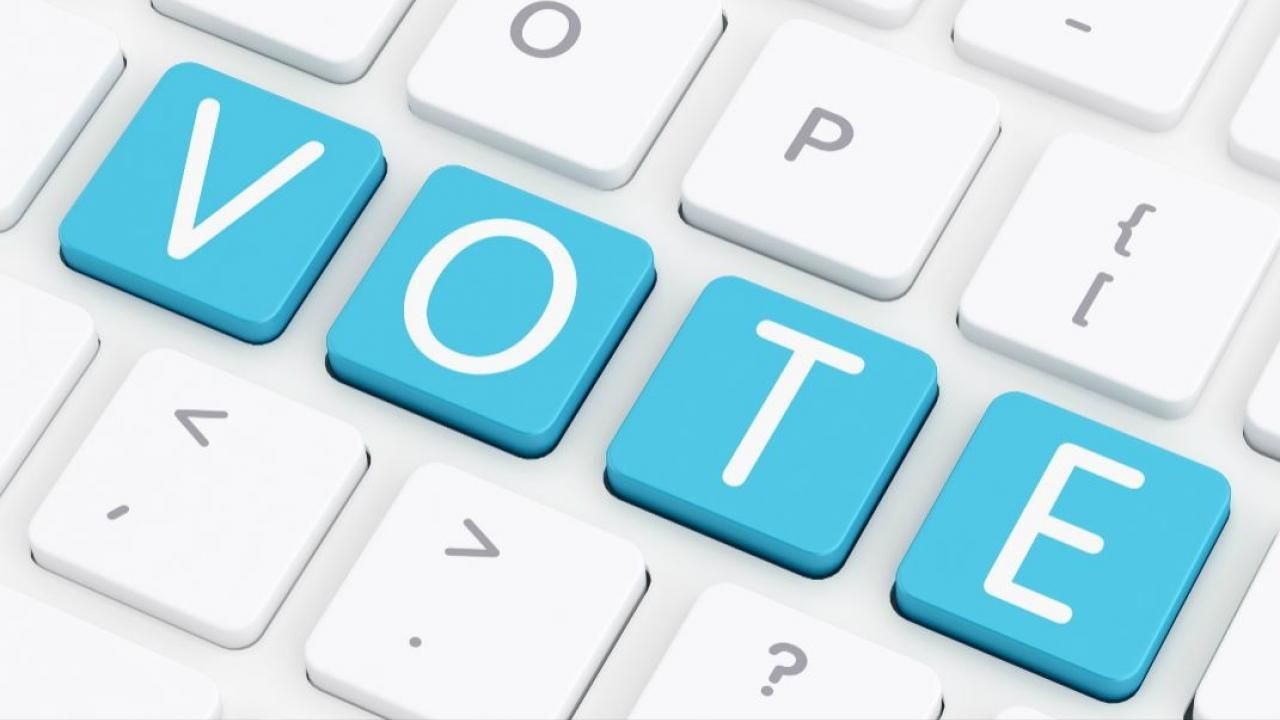
In New Zealand, voting is a powerful tool that shapes the nation's future, yet many Kiwis make common mistakes at the polls that undermine their voices. These errors can inadvertently skew election results, impacting economic policies, social programs, and industry regulations. As financial advisors, understanding these mistakes is crucial to guiding your clients in aligning their financial goals with the political landscape. Let's dive into the most prevalent voting mistakes in New Zealand and how to avoid them.
1. Overlooking the Importance of Local Elections
While national elections often capture the public's attention, local elections have a significant impact on everyday life. Decisions made at the local level affect infrastructure, business regulations, and property taxes, directly influencing economic activities and investment opportunities. According to Stats NZ, local government spending accounts for approximately 10% of the country's GDP, highlighting the importance of participating in these elections.
Case Study: The Auckland Transport Levy
In 2015, Auckland Council introduced a transport levy to fund infrastructure projects, affecting local businesses and property owners. Many residents were unaware of this levy due to low participation in council elections, leading to unexpected financial implications. This case emphasizes the need for financial advisors to encourage clients to engage in local elections to safeguard their economic interests.
2. Failing to Research Candidates and Policies
Many voters make decisions based on party affiliation rather than evaluating individual candidates and their policies. This oversight can lead to the election of representatives whose policies may not align with the voter's financial interests. For example, a candidate advocating for higher business taxes could adversely affect small business owners.
Pro Tip: Encourage your clients to review candidate manifestos and attend local debates to make informed voting decisions. The Reserve Bank of New Zealand's reports on economic policy impacts can provide valuable insights into how different policies may affect various industries.
3. Ignoring the Impact of Strategic Voting
Strategic voting, or voting for a candidate not because they are the voter's first choice but because they have a higher chance of winning, can dilute true preferences. While strategic voting might seem pragmatic, it can lead to the election of candidates who don't fully represent the voter's views, potentially affecting policies on taxation, regulation, and economic growth.
Myth vs. Reality:
- Myth: Strategic voting guarantees better outcomes.
- Reality: According to a study by the University of Auckland, strategic voting often results in voter dissatisfaction and disengagement, as it distorts the electoral outcome.
4. Not Understanding the Mixed-Member Proportional (MMP) System
New Zealand's MMP system can be confusing, leading to voting errors. Voters have two votes: one for a political party and another for an electorate MP. Misunderstanding this system can result in wasted votes or unintentional support for policies that may not favor economic growth or financial stability.
Actionable Strategy: Provide your clients with educational resources on the MMP system, explaining how their votes translate into parliamentary seats and policy influence. This knowledge is crucial for aligning their votes with their financial interests.
5. Neglecting Postal Voting Deadlines
Postal voting is an option for many New Zealanders, especially those living overseas. However, missing postal voting deadlines is a common mistake that leads to disenfranchisement. This can be particularly impactful for expatriates whose financial interests, such as property investments, are directly affected by New Zealand's economic policies.
Solution: Remind your clients to register for postal voting well in advance and track deadlines to ensure their votes are counted.
6. Underestimating the Influence of Media and Misinformation
Media plays a crucial role in shaping public opinion, but misinformation can skew perceptions of candidates and policies. Voters often make decisions based on biased or inaccurate reports, which can affect their financial planning and investment strategies.
Expert Insight: Encourage clients to seek information from reputable sources such as MBIE or the Reserve Bank of NZ, and to verify facts before making voting decisions.
7. Failing to Update Electoral Details
Outdated electoral details can prevent people from voting or result in their votes being misallocated. This mistake can disenfranchise individuals and skew election outcomes, affecting economic policies and financial regulations.
Checklist:
- Remind clients to update their electoral details, especially if they've recently moved or changed names.
- Ensure they understand how to check and update their information on the Electoral Commission's website.
Final Takeaways & Call to Action
Voting is not just a civic duty but a crucial component of financial strategy in New Zealand. By avoiding these common mistakes, your clients can ensure their voices are heard, and their financial interests are protected. Encourage them to engage actively in both local and national elections, understand the MMP system, and stay informed about candidates and policies.
What's your take on the role of voting in financial planning? Share your insights below!
People Also Ask
- How does voting impact businesses in New Zealand? Voting influences policies that affect taxes, regulations, and economic growth, directly impacting business operations and profitability.
- What are the biggest misconceptions about voting in New Zealand? Many believe that only national elections matter, overlooking the significant impact of local elections on economic policies and industry regulations.
- What are the best strategies for making informed voting decisions? Research candidates and policies, attend debates, and verify information from reliable sources to ensure votes align with financial interests.
Related Search Queries
- Common voting mistakes New Zealand
- MMP system explained
- Impact of local elections on businesses NZ
- Strategic voting pros and cons
- How to vote in New Zealand elections
- Importance of voting in local elections
- Postal voting deadlines NZ
- Influence of media on voting NZ
- Updating electoral details NZ
- Financial impact of election outcomes NZ