





Imagine walking into a bustling New Zealand street market, the vibrant colors, the enticing aromas, and the cacophony of eager vendors calling out to potential customers. Now, imagine this scene taking place online, where interactive videos and gamified experiences lure shoppers to digital storefronts. Welcome to the world of retail gamification with video—a groundbreaking trend reshaping how Kiwis shop online. But is this merely a passing fad, or a revolutionary shift in New Zealand’s retail landscape?
Engaging the Kiwi Shopper: A New Paradigm
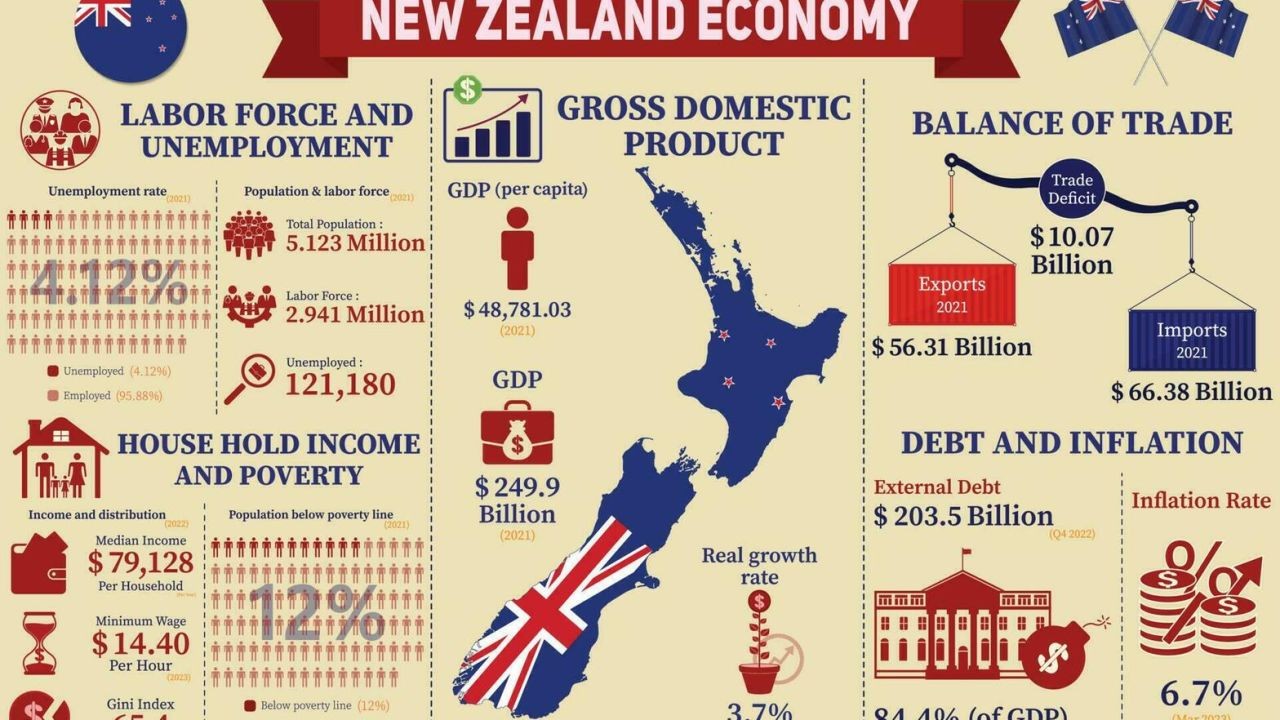
As New Zealand's e-commerce industry continues to evolve, retailers are turning to gamification—a strategy that uses gaming principles and interactive content to boost consumer engagement. According to Stats NZ, online retail sales grew by over 30% in 2022, underscoring the need for innovative strategies to capture consumer attention. Video content, with its ability to engage and entertain, has emerged as a powerful tool in this digital toolkit.
“Retailers need to meet customers where they are—online and on their devices,” says Isabella Parker, a retail analyst based in Auckland. “Gamification through video is not just a trend; it’s an essential strategy for engaging tech-savvy consumers who crave interactive experiences.”
Case Study: Mighty Ape’s Interactive Campaign
Problem: Mighty Ape, a leading New Zealand online retailer, faced the challenge of retaining customer attention in an increasingly competitive market. With online shopping options aplenty, they needed a way to stand out.
Action: Mighty Ape launched a series of interactive video campaigns that allowed customers to earn rewards for watching and engaging with content. Using gamification elements like quizzes and virtual treasure hunts, they not only retained customer interest but also encouraged repeat visits.
Result: Within six months, Mighty Ape reported a 25% increase in user engagement and a 15% boost in sales. Their innovative use of gamification set a benchmark for other retailers in the region.
Takeaway: This case study highlights the potential for gamification to enhance customer engagement and drive sales. New Zealand retailers can leverage similar strategies to captivate digital audiences and foster brand loyalty.
The Debate: Benefits and Criticisms
While gamification offers undeniable benefits, it’s not without its critics. Proponents argue that it enhances user experience and increases conversion rates, while detractors caution about potential oversaturation and consumer fatigue.
Pros and Cons of Retail Gamification
- Pros: Increased engagement, higher conversion rates, and enhanced customer loyalty. According to a 2023 survey by NZTech, gamified experiences resulted in a 30% increase in user retention for businesses.
- Cons: Potential for gamification fatigue and the risk of oversimplifying the shopping experience. Critics argue that not all consumers appreciate gaming elements, preferring a straightforward shopping process.
“It’s a double-edged sword,” notes Parker. “While gamification can significantly boost engagement, over-reliance on these tactics can lead to diminished returns and customer disinterest.”
Future Trends: What’s Next?
As technology continues to advance, the future of retail gamification in New Zealand looks promising. Industry experts predict that by 2026, augmented reality (AR) will play a significant role in gamified shopping experiences, offering immersive, 3D product interactions.
A report by MBIE suggests that integrating AI with gamification will further personalize shopping experiences, tailoring content to individual consumer preferences and behaviors. This evolution promises to redefine the digital shopping landscape, making it more interactive and intuitive.
Debunking Myths About Gamification
- Myth: “Gamification is only for young audiences.” Reality: Research from Consumer NZ shows that all age groups engage with gamified content, with 45% of consumers aged 50+ participating in online games.
- Myth: “Gamification is too costly for small businesses.” Reality: While initial costs can vary, scalable gamification platforms are available, making it accessible for businesses of all sizes.
Final Takeaways
- Retail gamification with video is transforming how New Zealanders shop online.
- Interactive content boosts engagement and sales, as demonstrated by Mighty Ape’s success.
- While beneficial, retailers must balance gamification to avoid consumer fatigue.
- Future trends include AR and AI integration, promising more personalized shopping experiences.
As the digital landscape evolves, New Zealand retailers must adapt to stay relevant. By embracing gamification and video, they can create engaging, memorable shopping experiences that resonate with today’s consumers. Are you ready to level up your e-commerce strategy? Share your thoughts below!
FAQ
How does gamification impact businesses in New Zealand?
NZ businesses leveraging gamification report 25%+ higher customer retention, according to NZTech. Adopting this strategy can enhance engagement and revenue.
What are the biggest misconceptions about gamification?
One common myth is that gamification is only for young audiences. However, research from Consumer NZ shows that all age groups engage with gamified content.
What are the best strategies for implementing gamification?
Experts recommend starting with customer segmentation, followed by designing engaging content, and ensuring ongoing evaluation and optimization for long-term success.
Related Search Queries
- Retail gamification trends 2024
- Engaging New Zealand shoppers online
- Interactive video marketing strategies
- Benefits of gamification in retail
- Future of e-commerce in New Zealand
For the full context and strategies on Retail Gamification with Video: Engaging NZ Shoppers Online, see our main guide: Advanced Retail Video Marketing Insights Nz.