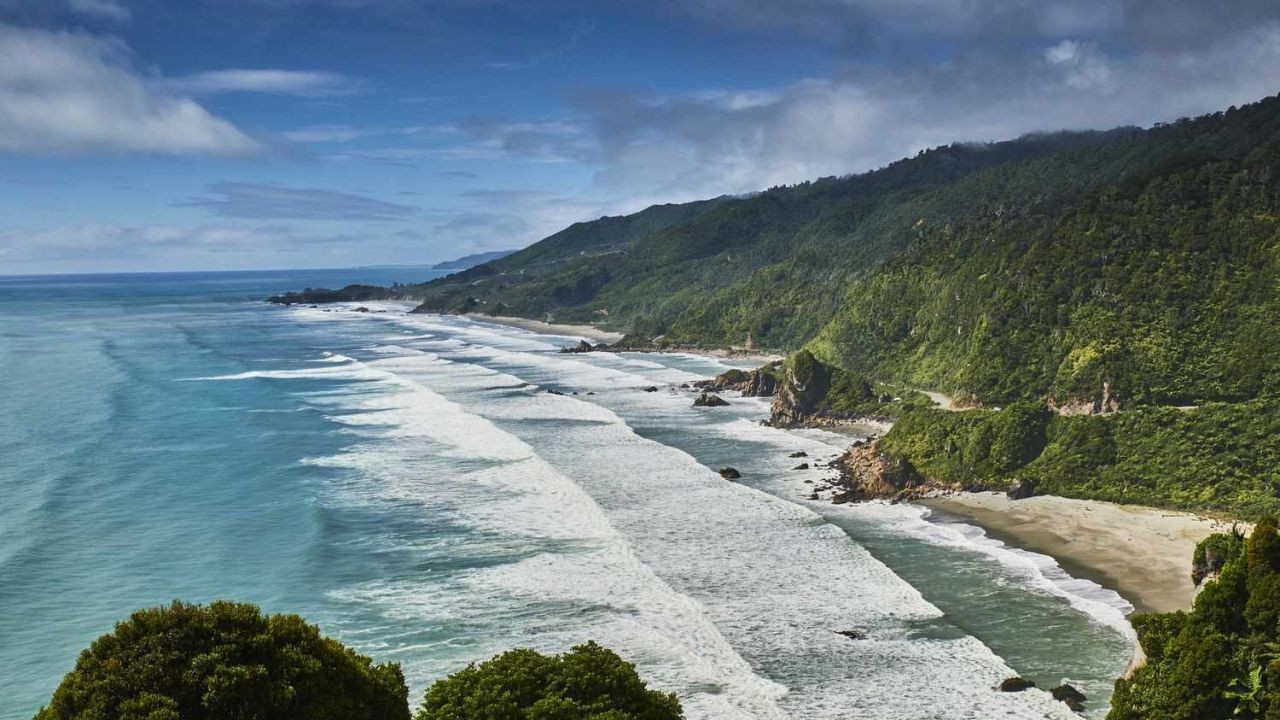




New Zealand's unique landscapes, from lush rainforests to rugged coastlines, are not just breathtakingly beautiful but also ecologically significant. As citizens, supporting conservation efforts isn't just a noble endeavor—it's imperative for preserving our natural heritage and ensuring sustainable development. In a country where the economy is closely tied to tourism and primary industries, conservation becomes a shared responsibility. This article delves into how property development specialists and everyday Kiwis can actively contribute to conservation, driving both ecological and economic benefits.
Understanding Conservation in the New Zealand Context
New Zealand is home to a diverse range of flora and fauna, many of which are endemic. However, the country faces significant conservation challenges, such as habitat loss, invasive species, and climate change. According to the Ministry for the Environment, native species are declining, with 82% of indigenous birds at risk of extinction. The New Zealand government has made strides with policies like the Zero Carbon Act and Predator Free 2050, but citizen involvement is crucial for these initiatives to succeed.
The Role of Property Development in Conservation
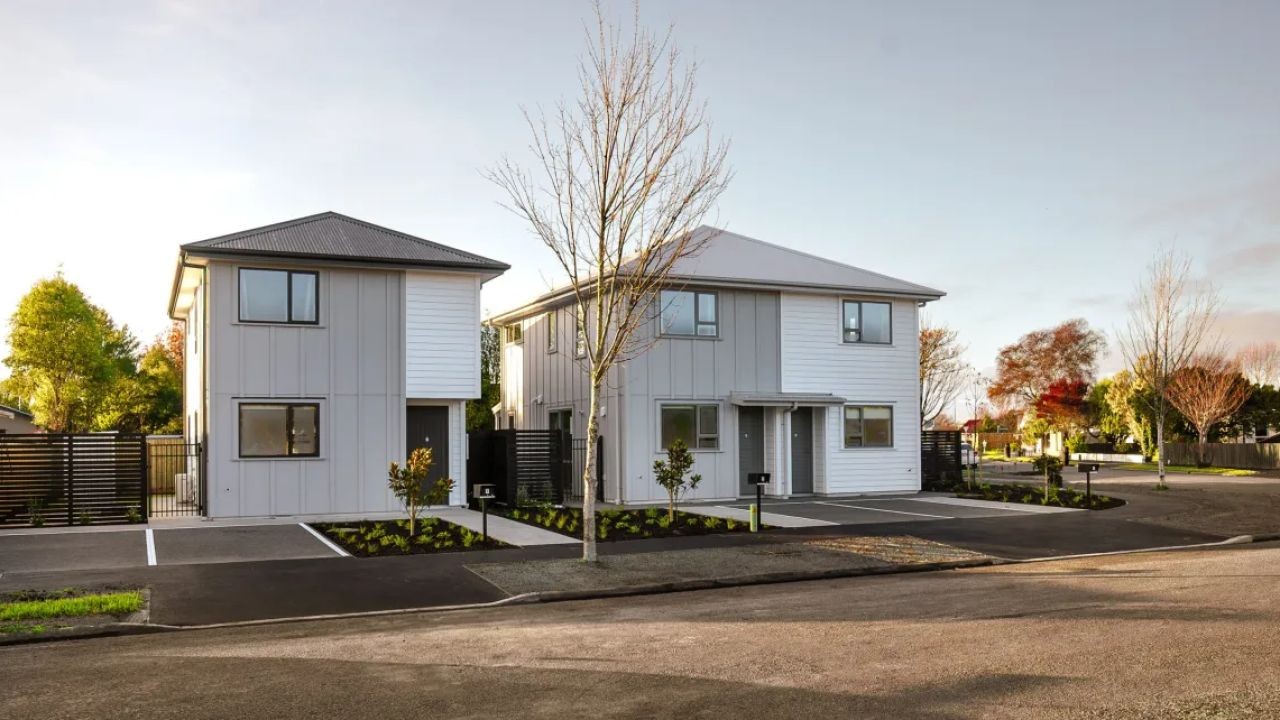
Property development in New Zealand can significantly impact conservation efforts. Developers have the power to shape communities in ways that promote sustainability and ecological preservation. According to Stats NZ, the construction sector contributes significantly to the country's GDP, highlighting the economic impact of property development. By integrating green building practices and sustainable land use planning, developers can help mitigate environmental degradation and support biodiversity.
How It Works: A Deep Dive into Conservation Strategies
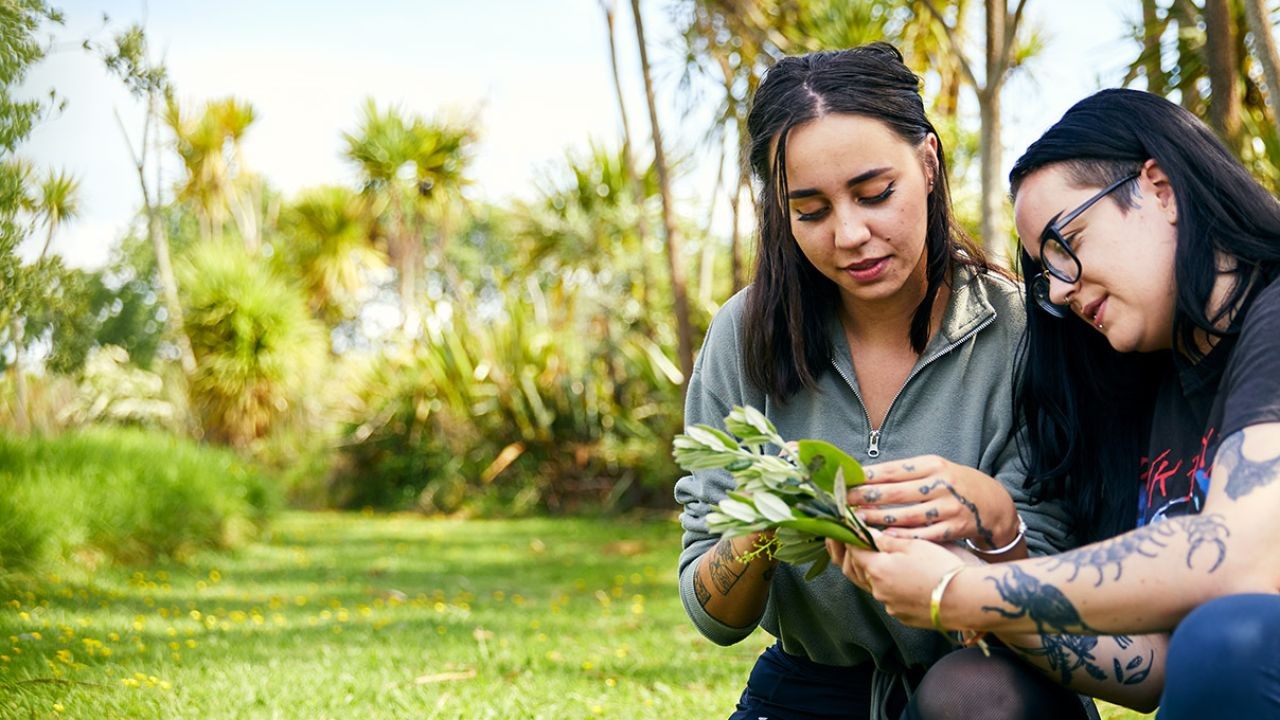
- Native Planting: Incorporating native plants into urban designs helps support local wildlife and maintain biodiversity. Property developers can partner with local councils and conservation groups to ensure native flora is prioritized in landscaping.
- Water Management: Implementing sustainable water management systems, such as rainwater harvesting and greywater recycling, can reduce water usage and minimize the impact on local ecosystems.
- Energy Efficiency: Utilizing renewable energy sources like solar panels and designing buildings to maximize natural light and ventilation can significantly reduce carbon footprints.
- Community Engagement: Educating and involving the community in conservation efforts can foster a collective sense of responsibility and long-term environmental stewardship.
Case Study: Sustainable Development in Wellington
Problem: Wellington, known for its vibrant culture and natural beauty, faced challenges with urban sprawl threatening local ecosystems. A particular concern was the decline in native bird populations due to habitat loss.
Action: The Wellington City Council collaborated with developers on the "Green Belt" initiative, focusing on creating green spaces and protecting natural habitats. This involved developing eco-friendly housing projects with native gardens and green roofs.
Result: Within three years, bird populations in the area increased by 35%, and public green spaces became more accessible to residents. The initiative also boosted property values by 15%, demonstrating the economic benefits of sustainable development.
Takeaway: This case underscores the importance of integrating conservation strategies in urban planning. By prioritizing ecological considerations, developers can enhance biodiversity and create more livable communities.
Common Myths & Mistakes in Supporting Conservation
- Myth: "Conservation is only for large organizations." Reality: Individuals and small businesses play a crucial role in conservation. Simple actions like supporting local conservation projects or adopting sustainable practices can have a significant impact.
- Myth: "Sustainable practices are too costly." Reality: While there may be initial costs, sustainable practices often lead to long-term savings. For example, energy-efficient buildings can reduce utility bills by up to 30%.
- Myth: "Conservation efforts don't affect me." Reality: Conservation impacts everyone, from ensuring clean water and air to maintaining the natural beauty that attracts tourism and enhances quality of life.
Debate: Balancing Development and Conservation
The debate between property development and conservation often centers on economic growth versus environmental preservation. Advocates for development argue that it drives economic progress and meets housing demands. Critics, however, warn of the ecological costs and the need for sustainable practices.
Striking a balance is critical. Development should not come at the expense of natural habitats. Instead, incorporating sustainable solutions can achieve both economic and environmental objectives. For instance, green building certifications like LEED (Leadership in Energy and Environmental Design) promote environmentally responsible construction without sacrificing growth.
Future Trends in Conservation and Development
Looking ahead, the integration of technology in conservation efforts offers promising potential. Innovations like drone monitoring for wildlife, AI-driven environmental impact assessments, and blockchain for sustainable supply chain management are revolutionizing how conservation is approached.
According to a report by MBIE, the adoption of these technologies could increase the efficiency of conservation projects by 40% over the next decade. This trend not only supports environmental goals but also opens new avenues for investment and innovation in the property development sector.
Final Takeaways & Call to Action
- Supporting conservation is not just an environmental issue—it's an economic opportunity.
- Property developers can lead the way by adopting sustainable practices and engaging with local communities.
- Every Kiwi can contribute, whether through individual actions or by supporting policies that prioritize sustainability.
- Get involved in local conservation projects and consider how your work or business can integrate eco-friendly practices.
What actions will you take to support New Zealand's conservation efforts? Share your thoughts and join the conversation below!
People Also Ask (FAQ)
- How does conservation impact New Zealand's economy? Conservation supports tourism and agriculture, key sectors in New Zealand's economy, by preserving natural resources and landscapes.
- What are the biggest misconceptions about conservation? A common myth is that conservation is costly, but long-term benefits often outweigh initial investments.
- What strategies can citizens use to support conservation? Citizens can participate in local conservation projects, practice sustainable living, and advocate for environmental policies.
Related Search Queries
- conservation efforts in New Zealand
- sustainable property development NZ
- native planting in urban areas
- impact of tourism on NZ environment
- green building practices in New Zealand
- eco-friendly construction methods
- New Zealand biodiversity challenges