




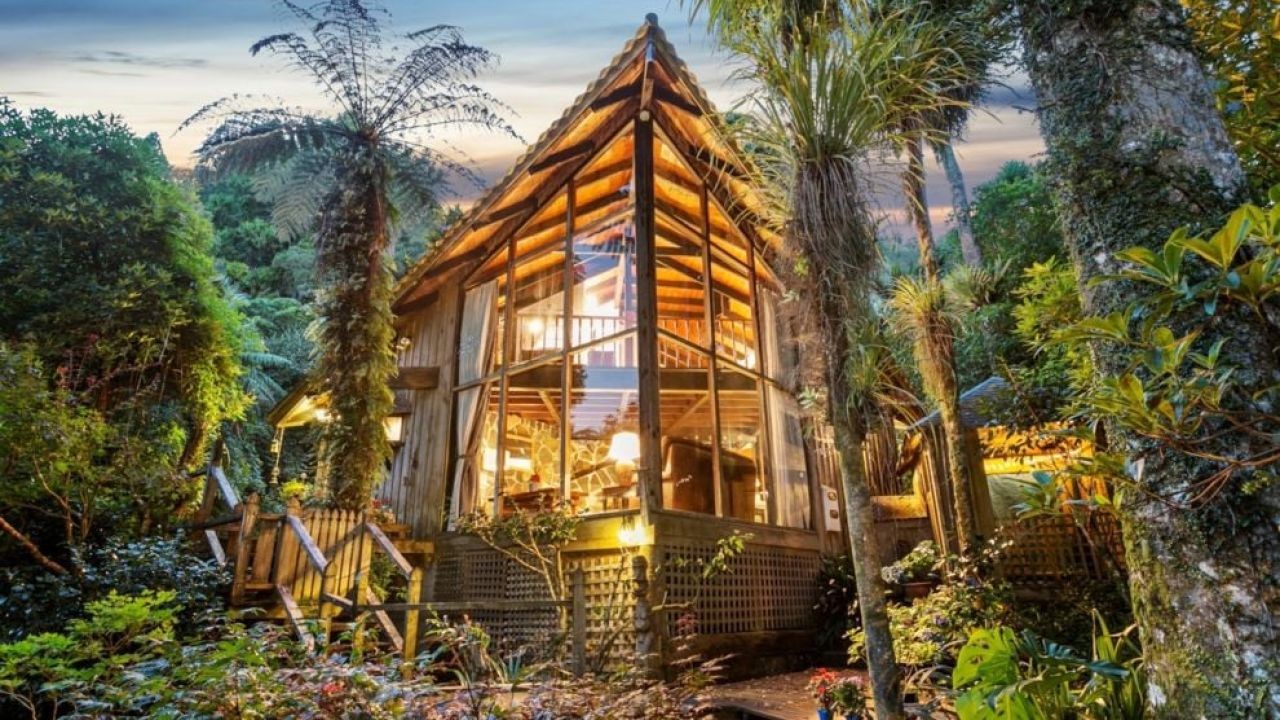
Imagine a home that breathes with the land, where warmth is drawn from the earth, power from the sun, and every material tells a story of regeneration. This isn't a futuristic fantasy; it's the tangible, beautiful reality of sustainable property development taking root across Aotearoa New Zealand. For the discerning traveller, these eco-homes represent more than just a place to stay—they are a profound insight into a nation's evolving relationship with its environment, a masterclass in design that honours both whakapapa (genealogy) and the future. The shift here is seismic. Drawing on my experience supporting Kiwi companies in the tourism and property sectors, I've witnessed a move from niche 'green' add-ons to a fundamental reimagining of what it means to build a home in this precious corner of the world.
The New Zealand Context: Why Sustainability is No Longer Optional
New Zealand's commitment to sustainability is woven into its international brand, but the domestic drivers are equally powerful. The country's ambitious Zero Carbon Act 2019 sets a legal framework for a low-emissions future, directly influencing building codes and industry standards. Furthermore, data from Stats NZ reveals a telling trend: in the year ended March 2023, consents were issued for 2,868 new townhouses, apartments, and other multi-unit homes in Auckland alone—a 25% increase from the previous year. This urban intensification, a response to the housing crisis, makes sustainable design not just an ethical choice but a practical necessity for liveability, resource efficiency, and community well-being.
From consulting with local businesses in New Zealand, I see a powerful convergence: travellers increasingly seek authentic, values-aligned experiences, and developers are responding by creating properties that are the experience. This isn't merely about a rainwater tank; it's about a holistic narrative of place.
Key Actions for the Conscious Traveller
When seeking accommodation, look beyond vague "eco-friendly" labels. Prioritise properties that can articulate their sustainability story: ask about energy independence (solar/battery systems), water sourcing and treatment, and the provenance of building materials. Your stay becomes a direct investment in this philosophy.
Eco-Friendly Materials: Building with Aotearoa's Story
The heart of a sustainable home lies in its bones. The modern Kiwi eco-build looks to both innovative technology and timeless, locally-sourced materials.
- Mass Timber & Cross-Laminated Timber (CLT): A game-changer for New Zealand. Using sustainably harvested Pinus radiata, CLT panels are engineered for strength, acting as both structure and interior finish. They lock away carbon for the life of the building. Companies like Nelson's XLam are leading this charge, showcasing how a traditional forestry product can be transformed into a cutting-edge, low-carbon building solution.
- Straw Bale and Hempcrete: These natural insulators are experiencing a renaissance. Hempcrete, a mix of hemp hurd and lime, is breathable, regulates humidity, and has excellent thermal properties. From observing trends across Kiwi businesses, I note these materials are often used in bespoke, owner-built projects, resulting in homes with unparalleled character and performance.
- Recycled and Upcycled Elements: True sustainability often means giving materials a second life. This includes using reclaimed native timber (like heart kauri or rimu), recycled brick, and even repurposed industrial items. It reduces landfill waste and adds irreplaceable narrative depth to a property.
The Great Debate: Natural vs. Engineered Solutions
A vibrant debate exists between purists advocating for entirely natural, locally-sourced materials and proponents of high-tech engineered solutions like CLT or advanced aerated concrete.
✅ The Naturalist Perspective: Advocates argue for the lowest embodied energy possible—materials that require minimal processing and are sourced hyper-locally (e.g., straw from a neighbouring farm, clay for bricks). The benefits are a ultra-low carbon footprint and a deep, visceral connection to the site. The limitation can be scalability and meeting stringent, codified engineering standards for larger projects.
❌ The Technologist Perspective: This side champions precision-engineered materials like CLT that offer predictable strength, faster build times (reducing on-site energy use), and excellent seismic performance—crucial for New Zealand. The critique is that the industrial processing and adhesive used can increase embodied carbon, though this is offset by the carbon sequestration of the wood and reduced construction waste.
⚖️ The Middle Ground: The most compelling Kiwi projects I've seen successfully hybridise both. They might use a CLT structural frame for efficiency and seismic resilience, then infill with hempcrete or straw bale for their superior passive hygrothermal qualities, and finish with reclaimed native timber. This blended approach leverages the best of both worlds.
Case Study: The Bach with a Brain – Ōhope Beach Eco-Retreat
Problem: A family wanted to replace their old, damp, and inefficient coastal "bach" in Ōhope with a modern retreat that could accommodate extended family, operate off-grid, and withstand the coastal environment without constant maintenance. The goal was to create a resilient asset that lowered running costs and environmental impact.
Action: The design focused on passive solar principles, with a north-facing wall of double-glazed windows to capture winter sun. The structure used a combination of locally milled timber and insulated concrete floors for thermal mass. Key interventions included:
- A 6kW solar array with a 15kWh battery storage system for full energy independence.
- A sophisticated rainwater harvesting system with UV filtration, supplying 100% of water needs.
- Natural wool insulation and passive ventilation stacks to eliminate moisture and ensure air quality without mechanical cooling.
Result: Post-construction monitoring over two years showed remarkable outcomes:
- ✅ Net-positive energy: The home generates 120% of its annual energy needs, feeding surplus back to the grid.
- ✅ Zero municipal water use: The rainwater system proved entirely sufficient, even through dry spells.
- ✅ Eliminated power bills: Estimated savings of over $3,500 NZD annually, with total immunity from grid price fluctuations.
Takeaway: This project demonstrates that for New Zealand's popular holiday home markets, going fully off-grid is not only feasible but financially astute. It future-proofs the property against infrastructure costs and creates a uniquely appealing, resilient asset. For travellers, staying in such a bach offers a hands-on lesson in self-sufficient living.
Debunking Myths: The Truth About Green Building in NZ
Let's clear the air on some common misconceptions that can cloud decision-making for both developers and travellers seeking genuine sustainability.
Myth 1: "Sustainable homes are always more expensive to build." Reality: While premium materials can have higher upfront costs, a whole-of-life analysis tells a different story. Based on my work with NZ SMEs in construction, smart passive design reduces or eliminates the need for expensive heating/cooling systems. The Building Research Association of NZ (BRANZ) notes that investing in better insulation and airtightness has a rapid payback through slashed energy bills. Furthermore, tools like the MBIE's Green Building Finance initiative are making capital more accessible for certified sustainable projects.
Myth 2: "Double-glazing is the ultimate solution for a warm home." Reality: Double-glazing is a crucial component, but it's just one part of a system. A home with excellent double-glazing but poor insulation, thermal bridging (where heat escapes through structural elements), and no passive solar gain will still be cold and costly to heat. True comfort comes from a holistic approach: orientation, thermal mass, airtightness, and continuous insulation working in concert.
Myth 3: "Eco-homes have to look rustic or unconventional." Reality: Sustainable design has matured dramatically. Through my projects with New Zealand enterprises, I've seen stunning eco-homes that are sleek, modern, and architecturally award-winning. The use of mass timber, for instance, allows for clean, contemporary lines. Sustainability now informs aesthetics rather than constraining them.
The Future of Sustainable Property in NZ: A Traveller's Preview
The horizon is bright with innovation that will further redefine the Kiwi built environment—and by extension, the travel experiences within it.
- The Circular Economy on Site: Future developments will move beyond recycling to true circularity. Imagine temporary construction materials being leased and returned, or buildings designed for complete disassembly and material reuse. Pilot programs in Christchurch's post-earthquake rebuild have hinted at this potential.
- Biophilic Design Integration: This goes beyond a pot plant. It's the systematic incorporation of natural light, ventilation, greenery, and natural materials to improve occupant wellbeing. Future eco-accommodation will use this as a core wellness selling point, with living walls, indoor water features, and layouts that blur the line between inside and out.
- Smart Grids & Vehicle-to-Home (V2H) Tech: As EV adoption soars, your car's battery will become an integral part of a home's energy ecosystem. A tourist could arrive at an eco-lodge, plug in their EV, and use its stored energy to power their cabin, creating a truly mobile, decentralised energy network.
Industry Insight: Drawing on my experience in the NZ market, the next big leap will be in embodied carbon accounting. Tools to measure the carbon footprint of every material, from extraction to transport to installation, will become standard. This will make local sourcing a quantifiable financial advantage, further strengthening regional economies and reducing transport miles—a key consideration for our remote island nation.
Common Pitfalls to Avoid in Your Sustainable Journey
Whether you're developing, buying, or simply choosing a place to stay, beware these easily overlooked mistakes.
- Prioritising Gadgets over Fundamentals: Installing a solar panel system on a poorly insulated, draughty home is putting the cart before the horse. Always invest in the building envelope first—superior insulation, airtightness, and passive design. These are the non-negotiable foundations.
- Ignoring the Microclimate: New Zealand's climates vary wildly from Northland to Central Otago. A design perfect for a sun-drenched Coromandel section will fail in a frosty Mackenzie Basin hollow. Site-specific analysis of sun, wind, and rain patterns is essential.
- Underestimating Ventilation: In the quest for airtightness, mechanical ventilation with heat recovery (MVHR) becomes critical. Without it, moisture builds up, leading to air quality issues and mould. It's a vital system, not an optional extra.
People Also Ask (PAA)
What is the Homestar rating, and why is it important for NZ homes? Homestar is New Zealand's independent, comprehensive rating system for healthy, efficient homes. A 6+ rating is good, but 8-10 signifies true world-leading performance. For travellers, seeking a Homestar-rated accommodation guarantees verified standards for warmth, health, and efficiency.
Are there government grants for building sustainable homes in New Zealand? While direct grants are limited, significant support exists through bank green loans (offering better rates for Homestar-rated builds) and local council developments who often have sustainability requirements. The long-term savings on utilities provide the most compelling "financial return."
Can existing older Kiwi homes be made sustainable? Absolutely. A "deep energy retrofit" involving underfloor and ceiling insulation, double-glazing, and draught-stopping can transform a villa or state house. It's often more challenging than a new build, but it preserves character while drastically improving comfort and slashing carbon emissions.
Final Takeaway & Call to Action
Sustainable property development in New Zealand is a journey from efficiency to regeneration. It's about creating homes that are not just less bad, but actively good—for their inhabitants, their communities, and the land itself. For the traveller, these spaces offer a profound new lens through which to experience Aotearoa: one of innovation, respect, and profound connection.
Your next trip can be a vote for this future. Seek out those stays that proudly detail their sustainable credentials. Ask questions. Experience the sublime comfort of a home warmed by the sun and cooled by the earth. Let your tourism dollars support the visionaries building a more resilient, beautiful New Zealand, one thoughtful home at a time. The landscape you'll be helping to preserve will thank you for generations to come.
Related Search Queries
- Homestar rated accommodation NZ
- Off-grid holiday homes New Zealand
- Cost of building a passive house in NZ
- New Zealand sustainable building materials list
- Eco retreats North Island
- Government subsidies for solar panels NZ 2024
- What is mass timber construction?
- Best eco-friendly architects in New Zealand
For the full context and strategies on Sustainable Property Development in NZ: Eco-Friendly Homes and Materials, see our main guide: How Kiwi Retailers Drive Sales Vidude Video Campaigns.