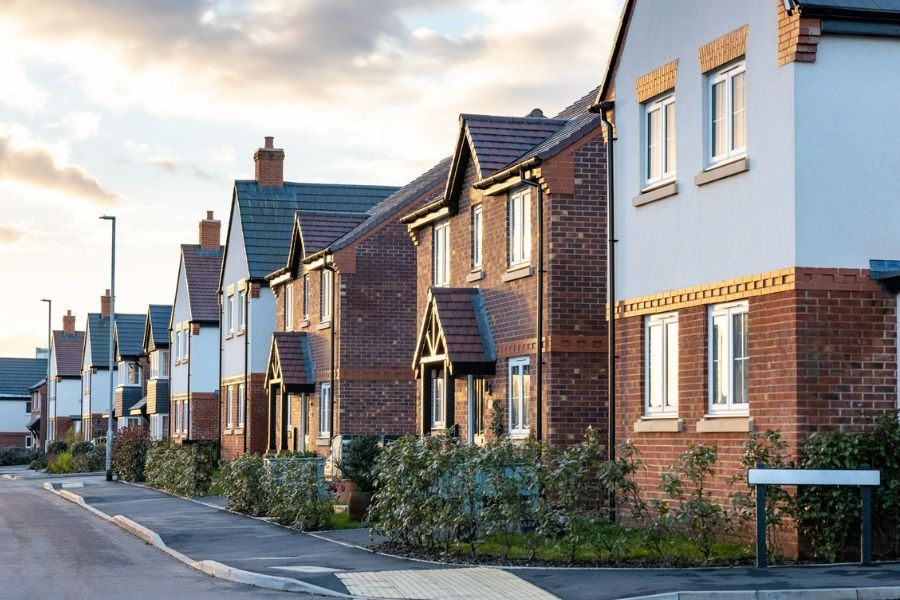





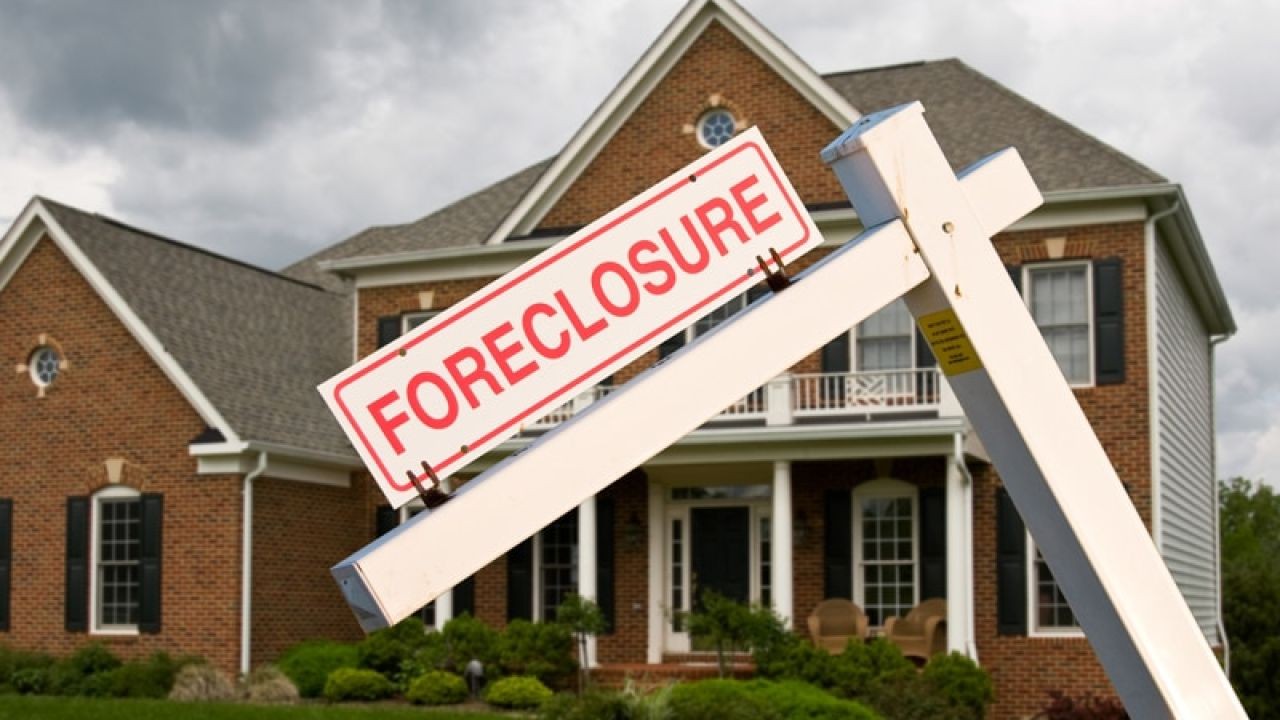
As New Zealand's economic landscape continues to evolve, the real estate market remains a pivotal topic for investors, homeowners, and policymakers alike. Concerns about potential mortgage defaults in 2025 have been gaining traction, sparking debates about the future of the housing market. Could New Zealand truly face a wave of mortgage defaults, or are these fears unfounded? Let's delve into the factors at play, the potential outcomes, and what strategies can be implemented to mitigate risks.
The Current State of New Zealand's Housing Market
New Zealand's housing market has experienced significant fluctuations over the past decade. According to the Reserve Bank of New Zealand, house prices surged by 27% from 2020 to 2024, driven by low interest rates and increased demand. However, recent data from Stats NZ indicates a cooling market, with house price growth slowing to just 3% in 2024.
This shift is largely attributed to rising interest rates and tighter lending criteria, which have both increased the financial burden on homeowners. The Reserve Bank's decision to raise the Official Cash Rate (OCR) to 2.5% in early 2024 has particularly impacted first-time buyers and those with variable-rate mortgages.
Factors Contributing to Potential Mortgage Defaults
Several factors could contribute to a rise in mortgage defaults in New Zealand:
- Interest Rate Hikes: As interest rates rise, so do the monthly payments on variable-rate mortgages. Homeowners who stretched their budgets to purchase homes during the low-rate period may now find themselves struggling to meet their obligations.
- Economic Uncertainty: Global economic pressures, including inflation and supply chain disruptions, have created financial instability for many households. This uncertainty can lead to job losses and reduced income, increasing the risk of default.
- Stricter Lending Standards: The implementation of the Credit Contracts and Consumer Finance Act (CCCFA) has made borrowing more challenging, potentially leading to a slowdown in housing market activity and increased financial strain on existing borrowers.
Real-World Case Studies: Learning from Global Examples
Case Study: The U.S. Housing Market Crash of 2008
The 2008 financial crisis offers valuable lessons for New Zealand. In the U.S., a combination of subprime lending and speculative buying led to a housing bubble. When the bubble burst, it resulted in widespread mortgage defaults and foreclosures.
In contrast, New Zealand's regulatory framework is more robust, with stricter lending criteria and higher capital requirements for banks. These measures provide a buffer against a similar crisis, but vigilance is necessary to prevent complacency.
Case Study: Ireland's Housing Bubble
In the early 2000s, Ireland experienced a housing boom similar to New Zealand's recent surge. However, when prices began to fall, many homeowners found themselves in negative equity, leading to a wave of defaults.
New Zealand can learn from Ireland's experience by focusing on sustainable growth, avoiding over-leveraging, and promoting financial literacy among borrowers.
Pros and Cons of Current Market Dynamics
Pros:
- Robust Regulatory Framework: New Zealand's stringent lending standards reduce the likelihood of a housing market collapse.
- Strong Economic Fundamentals: Despite global uncertainties, New Zealand's economy remains resilient, with low unemployment and steady GDP growth.
- Government Support: Initiatives such as the First Home Loan scheme provide assistance to first-time buyers, reducing financial strain.
Cons:
- Rising Interest Rates: Increased mortgage costs may lead to financial distress for some homeowners.
- Affordability Issues: High house prices continue to be a barrier for many prospective buyers.
- Economic Uncertainty: External factors such as geopolitical tensions and supply chain disruptions pose risks to financial stability.
Common Myths and Misconceptions
Several myths surround the possibility of mortgage defaults in New Zealand:
Myth 1: Mortgage Defaults Are Inevitable
Reality: While rising interest rates pose challenges, New Zealand's regulatory measures and economic resilience make a wave of defaults unlikely.
Myth 2: All Homeowners Are at Risk
Reality: Most at risk are those with variable-rate mortgages or high loan-to-value ratios; fixed-rate mortgage holders face less immediate impact.
Myth 3: The Housing Market Will Collapse
Reality: While the market may slow, a collapse is improbable given the country's strong economic fundamentals and government support measures.
Strategies for Mitigating Risks
To minimize the risk of mortgage defaults, stakeholders can consider the following strategies:
- Financial Education: Enhancing financial literacy among borrowers can help them make informed decisions and manage debt effectively.
- Diversifying Investments: Encouraging diversification can reduce reliance on the housing market and spread risk across multiple asset classes.
- Policy Adjustments: Policymakers can consider adjusting fiscal and monetary policies to support economic stability and housing affordability.
Future Trends and Predictions
Looking ahead, several trends could shape the New Zealand housing market:
- Increased Use of Technology: Digital platforms for mortgage applications and property transactions are expected to grow, enhancing efficiency and transparency.
- Focus on Sustainability: As environmental concerns rise, sustainable housing and green mortgages may gain popularity.
- Continued Urbanization: Urban areas will likely see ongoing demand, prompting innovative housing solutions to address space and affordability challenges.
Conclusion: Navigating the Future
As New Zealand navigates the complexities of its housing market, stakeholders must remain vigilant and proactive. By understanding the factors contributing to potential mortgage defaults and implementing strategic measures, the nation can ensure a stable and resilient housing sector. Engage with us—what strategies do you believe are most effective for safeguarding New Zealand's housing market? Share your thoughts below!
People Also Ask (FAQ)
How does the rising interest rate impact New Zealand homeowners?
Rising interest rates increase the cost of variable-rate mortgages, impacting homeowners' monthly payments. Fixed-rate mortgage holders remain unaffected in the short term.
What measures can New Zealand take to prevent mortgage defaults?
Enhancing financial literacy, promoting investment diversification, and adjusting fiscal policies can help mitigate the risk of mortgage defaults.
Will the New Zealand housing market collapse?
A collapse is unlikely due to strong economic fundamentals and regulatory measures, though a market slowdown is anticipated.
Related Search Queries
- New Zealand housing market predictions 2025
- Impact of interest rate hikes on mortgage defaults
- Strategies to prevent mortgage defaults in New Zealand
- Comparison of global housing market trends
- New Zealand economic outlook 2025
- Real estate investment in New Zealand
- Financial literacy programs in New Zealand
- Role of Reserve Bank of New Zealand in housing market
- Sustainable housing solutions in New Zealand
- First Home Loan scheme New Zealand