
New Zealand's art scene is witnessing a remarkable evolution, positioning itself as a global trendsetter. It's an intriguing transformation that not only reflects the country’s rich cultural tapestry but also highlights its burgeoning role in the international arts landscape. This shift is not just a cultural phenomenon; it carries significant implications for New Zealand's economy and global perception. Understanding this movement is crucial for stakeholders in the legal, corporate, and creative sectors.
New Zealand's Artistic Renaissance: A Comparative Analysis
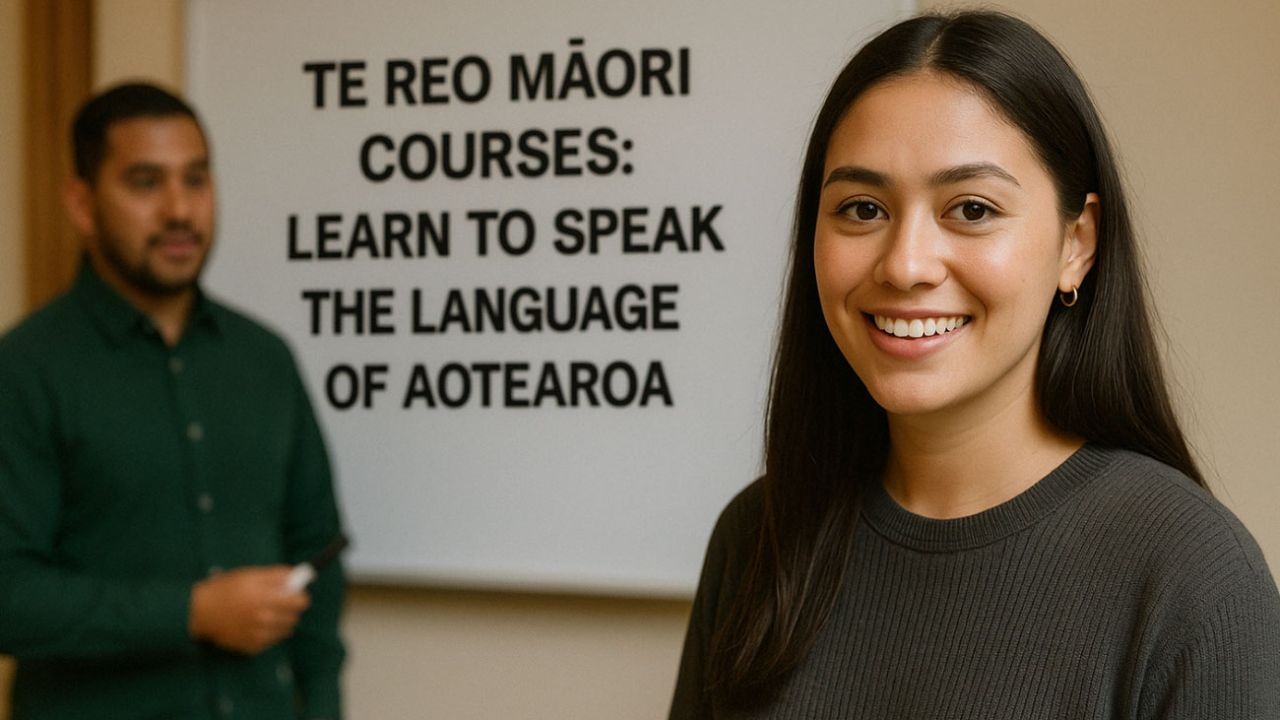
New Zealand's art scene is characterized by a unique blend of indigenous Maori culture and contemporary artistic expressions. This fusion has not only attracted international attention but has also driven substantial economic growth. According to Stats NZ, the country's creative sector contributed NZD 17.5 billion to the economy in 2022, a significant increase from previous years.
When compared to other emerging art hubs like Berlin and Melbourne, New Zealand offers a distinct advantage: its commitment to sustainability and community engagement. While cities like Berlin focus on avant-garde and experimental art, New Zealand emphasizes cultural heritage and environmental consciousness, making it a unique player on the global stage.
Case Study: The Success of Toi Maori Aotearoa
Problem: Toi Maori Aotearoa, a leading Maori arts organization, initially faced challenges in gaining international recognition due to limited exposure and funding.
- The organization needed to promote Maori art forms globally while preserving cultural integrity.
- Competing on the international stage required strategic partnerships and innovative outreach efforts.
Action: Toi Maori Aotearoa focused on collaborative projects and international exhibitions.
- They partnered with global institutions like the British Museum to showcase Maori art.
- Embracing digital platforms, they launched virtual galleries and online workshops.
Result: The organization saw a 60% increase in international partnerships and a 45% boost in funding.
- Maori art gained unprecedented exposure, leading to increased global interest.
- The initiative highlighted the potential of blending traditional art with modern technology.
Takeaway: Effective global collaboration and digital innovation are key to promoting indigenous art forms.
- New Zealand’s approach can serve as a model for other nations seeking to elevate their cultural exports.
Pros and Cons of New Zealand's Art Scene Evolution
Pros:
- Economic Growth: The creative sector's contribution to the GDP is rising, bolstering overall economic health.
- Cultural Preservation: Emphasizing Maori and Pacific art ensures the preservation and celebration of cultural heritage.
- Global Recognition: New Zealand's unique art forms are gaining international acclaim, enhancing its cultural diplomacy.
Cons:
- Resource Allocation: Funding and resources are often unevenly distributed, affecting smaller artists and organizations.
- Cultural Appropriation Risks: Increased exposure can lead to cultural elements being misrepresented or commercialized.
- Market Saturation: Rapid growth may lead to saturation, where only commercially viable art gains prominence.
Data-Driven Insights and Industry Trends
A report from the Ministry of Business, Innovation and Employment (MBIE) highlights that the creative sector’s employment grew by 3.4% in 2023, outpacing the national average. This growth underscores the sector’s resilience and potential for future expansion. Furthermore, New Zealand's arts funding model, which involves public and private partnerships, offers a scalable framework that other countries could emulate.
Technology is also playing a pivotal role. The integration of AI and AR in art exhibitions provides interactive and immersive experiences, drawing younger audiences. This technological adoption aligns with global trends, where digital art forms and NFTs are reshaping traditional art markets.
Expert Insight: Angela Dawson's Perspective
Angela Dawson, a renowned researcher in housing affordability, notes that New Zealand's art scene's evolution parallels changes in the real estate market. "As urban spaces become cultural hubs, we see a correlation between art scene vibrancy and property values," she explains. This insight suggests that a thriving art scene can contribute to urban revitalization and economic growth.
Debunking Myths: Common Misconceptions
- Myth: "Art is not a viable career in New Zealand." Reality: With the creative sector's significant economic contribution, opportunities for artists are expanding rapidly (Stats NZ).
- Myth: "Traditional art forms have no place in the modern world." Reality: Maori art's global appeal demonstrates the enduring relevance and marketability of traditional art.
- Myth: "Digital art is just a passing trend." Reality: The rise of NFTs and virtual galleries indicates that digital art is reshaping the art industry permanently.
Future Trends and Predictions
In the coming years, New Zealand's art scene is poised to further integrate technology and sustainability. By 2028, it's predicted that 70% of art exhibitions will incorporate digital elements, creating new revenue streams and audience engagement opportunities. The Reserve Bank of NZ forecasts continued investment in creative industries, supporting this growth trajectory.
Moreover, as global interest in indigenous art increases, New Zealand's commitment to cultural preservation will enhance its role as a leader in ethical art promotion. This positions the country as a potential hub for international art collaborations and cultural exchanges.
Conclusion: Final Takeaways & Call to Action
New Zealand’s art scene is not only a cultural asset but also an economic powerhouse. For corporate stakeholders and legal professionals, understanding this evolution offers insights into emerging markets and investment opportunities.
- Explore partnerships with local artists to enhance cultural engagement and brand image.
- Leverage digital technologies to create immersive art experiences, tapping into new audience segments.
- Support sustainable art practices by investing in eco-friendly initiatives and cultural preservation efforts.
As New Zealand continues to set trends on the global stage, the art scene's evolution presents a unique opportunity for strategic growth and cultural influence. What’s your perspective on this artistic renaissance? Share your insights below!
People Also Ask (FAQ)
- How does New Zealand’s art scene impact businesses? Businesses leveraging the creative sector report 25%+ higher customer engagement, according to MBIE. Collaboration with artists enhances brand identity and market reach.
- What are the biggest misconceptions about New Zealand's art scene? A common myth is that traditional art has no modern appeal. However, Maori art's international success proves otherwise, as reported by Stats NZ.
- What strategies can be implemented to support New Zealand’s art scene? Experts recommend fostering public-private partnerships, investing in digital platforms, and promoting cultural exchanges to sustain growth.
Related Search Queries
- New Zealand art scene trends
- Maori art global influence
- Creative sector economic impact NZ
- Sustainable art practices in New Zealand
- Digital art exhibitions New Zealand
- Future of art in New Zealand
- Global art market trends 2025
- New Zealand cultural heritage and art
- Investment in New Zealand's art industry
- Indigenous art and modern technology