




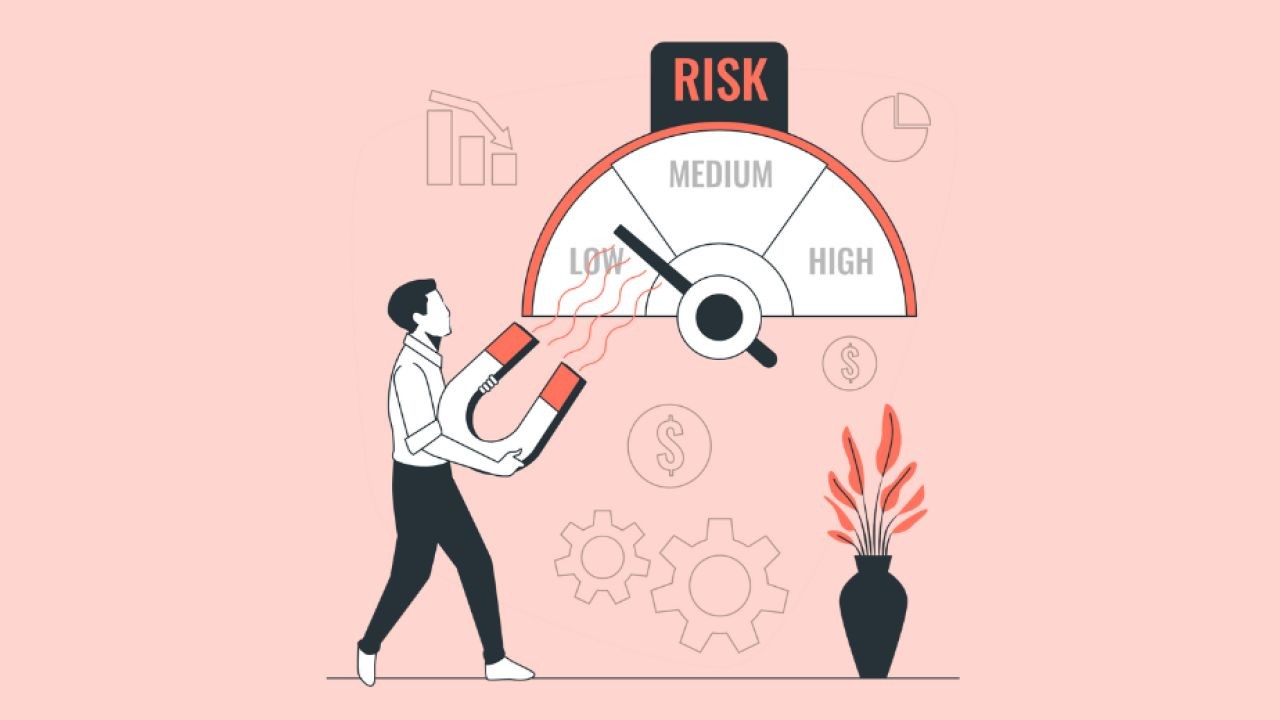
New Zealand's picturesque landscapes and reputation for innovation often mask a surprising truth: a pervasive fear of business risk among Kiwi entrepreneurs. Despite the country's vibrant startup scene, many New Zealanders remain cautious about taking the leap into high-stake ventures. This hesitancy can be attributed to cultural factors, economic conditions, and regulatory environments unique to New Zealand. By understanding these underlying causes, businesses can develop strategies to overcome risk-aversion and foster a culture of innovation.
Understanding Risk Aversion in New Zealand
Risk aversion among New Zealanders in business contexts can be traced back to several factors:
- Economic Stability: New Zealand's economy is relatively stable, with moderate growth rates and a strong focus on sectors like agriculture and tourism. This stability can lead to a preference for safe, low-risk investments.
- Cultural Influences: The "No. 8 wire" mentality, characterized by resourcefulness and DIY solutions, often translates into a conservative approach to business risk-taking.
- Regulatory Environment: While New Zealand ranks high in ease of doing business, compliance and regulatory hurdles can deter entrepreneurs from pursuing more adventurous business models.
Comparative Analysis: Risk-Taking Across Economies
To understand New Zealand’s risk aversion, it's helpful to compare it with other economies:
- United States: Known for its entrepreneurial spirit, the U.S. rewards risk-taking with potential high returns. The cultural narrative celebrates failure as a learning opportunity.
- Germany: Like New Zealand, Germany emphasizes stability but has a robust support system for startups, encouraging calculated risk through innovation hubs and government incentives.
While U.S. businesses thrive on high-risk opportunities, New Zealand can learn from Germany's approach of structured support to foster a more risk-tolerant business environment.
Case Study: The Resilience of New Zealand's Agritech Sector
New Zealand's agritech sector provides a compelling example of overcoming risk aversion:
Problem: New Zealand's reliance on traditional agriculture faced challenges with climate change and fluctuating global demand.
Action: Agritech firms, supported by government initiatives, invested in precision agriculture and sustainable practices.
Result: The agritech sector saw a 30% increase in productivity and a 20% reduction in costs, according to the Ministry of Business, Innovation and Employment (MBIE).
Takeaway: By embracing innovation and leveraging support systems, New Zealand's agritech sector successfully mitigated risks and enhanced global competitiveness.
Pros and Cons of Risk Aversion
✅ Pros:
- Stability: Risk-averse businesses often enjoy consistent, albeit modest, returns.
- Lower Failure Rates: Cautious approaches can lead to fewer business failures, providing a sense of security.
- Predictability: Enables long-term planning with minimal disruptions.
❌ Cons:
- Limited growth: Avoiding risk can stifle innovation and limit market expansion.
- Missed Opportunities: Risk-averse businesses may miss out on high-growth ventures and disruptive innovations.
- Competitive Disadvantage: In dynamic markets, excessive caution can lead to falling behind more aggressive competitors.
Overcoming Risk Aversion: Strategic Models for Success
To foster a more risk-tolerant business environment, New Zealand companies can adopt the following strategies:
- Incremental Innovation: Focus on small-scale innovations to test the waters and build confidence in risk-taking.
- Government Support: Leverage government grants and incentives designed to encourage innovation and risk-taking.
- Collaborative Ecosystems: Engage in partnerships and networks that provide shared resources and mitigate individual risk.
Myths and Misconceptions About Business Risks in New Zealand
- Myth: "Risk-taking is synonymous with recklessness." Reality: Strategic risk-taking involves calculated decisions and can lead to sustainable growth.
- Myth: "Only large companies can afford to take risks." Reality: Small businesses, through innovation and agility, can effectively manage and benefit from risks.
- Myth: "Failures are detrimental to a business's reputation." Reality: Failure is often a step toward success, providing valuable lessons and experience.
Future Trends: The Shifting Landscape of Business Risk in New Zealand
The future of business risk in New Zealand will be shaped by several key trends:
- Digital Transformation: As digital technologies become more prevalent, businesses will need to embrace digital risk management strategies.
- Global Connectivity: Increased global connections will create new risks and opportunities, requiring businesses to adapt quickly.
- Sustainability Focus: With growing environmental concerns, businesses will need to incorporate sustainability into their risk management frameworks.
Conclusion
The fear of taking business risks in New Zealand can be overcome by understanding its root causes and implementing strategic solutions. By fostering a culture that values innovation and embraces calculated risks, New Zealand businesses can thrive in an increasingly competitive global market. Encouraging open dialogues and learning from both successes and failures will empower Kiwi entrepreneurs to push boundaries and redefine their industries.
What are your thoughts on risk-taking in business? Share your insights and experiences below!
People Also Ask (FAQ)
- How does risk aversion impact New Zealand's economy? Risk aversion can limit innovation and growth, but sectors like agritech are showing how embracing risk can lead to increased productivity and competitiveness.
- What are common misconceptions about business risks? One myth is that risk-taking equals recklessness, but strategic risks are essential for sustainable business growth and innovation.
- What strategies can help overcome risk aversion? Incremental innovation, government support, and collaborative ecosystems can help businesses manage and embrace risks effectively.
Related Search Queries
- Risk management strategies in New Zealand
- Innovative business models in New Zealand
- Impact of digital transformation on NZ businesses
- Benefits of taking business risks
- Government support for startups in New Zealand