





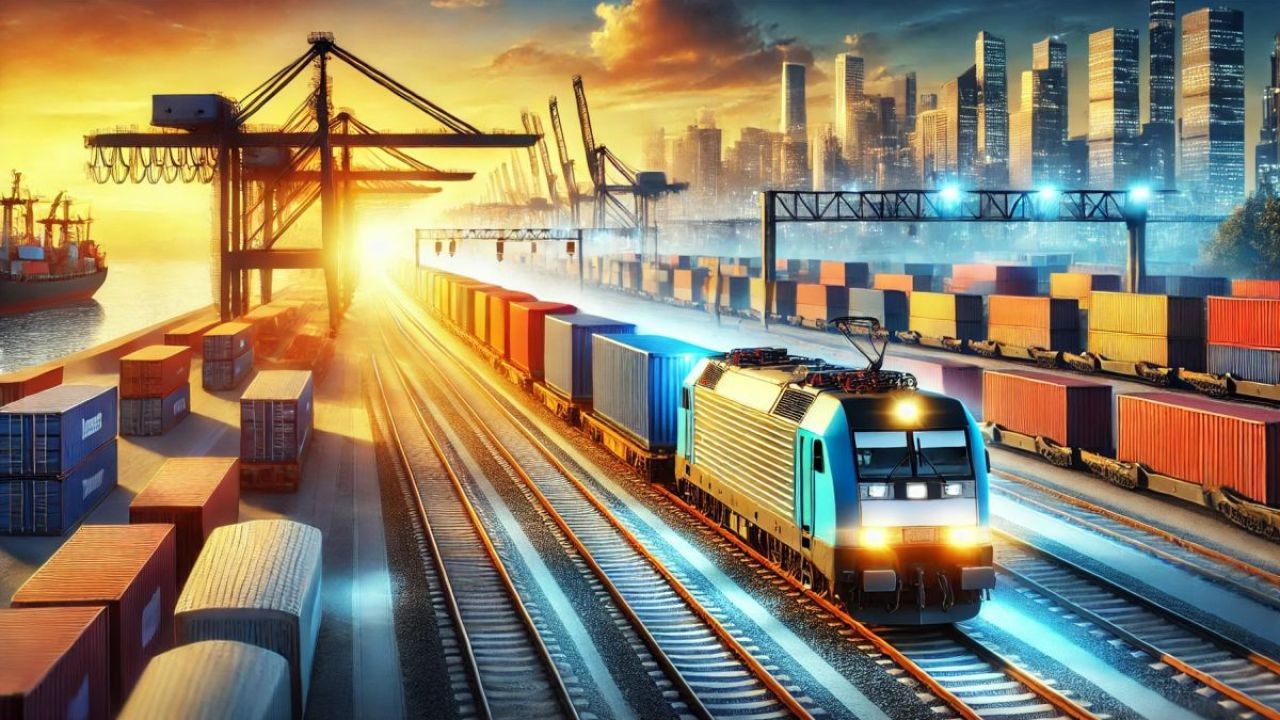
Australia's rail freight system, once the backbone of the nation's logistics and transportation infrastructure, is now a subject of intense scrutiny and debate. As the country continues to grow economically, with industries such as mining, agriculture, and manufacturing playing pivotal roles, the efficiency and reliability of the rail freight system are crucial. However, there is growing concern that the system is failing to meet the demands of modern logistics. This article delves into the reasons behind these beliefs, exploring various factors such as infrastructure challenges, economic implications, and potential solutions.
Understanding the Current State of Australia’s Rail Freight System
The rail freight system in Australia is a complex network that spans the entire continent, connecting major cities, ports, and regional areas. Despite its extensive reach, several issues have been identified that hinder its effectiveness. According to the Australian Bureau of Statistics (ABS), rail freight accounts for approximately 49% of the nation's freight transport, yet it faces significant competition from road transport, which is often more flexible and faster.
Infrastructure Challenges
One of the primary reasons cited for the perceived failure of the rail freight system is the aging infrastructure. Much of the rail network was constructed in the early to mid-20th century and has not been adequately upgraded to handle the demands of modern freight transport. This results in frequent delays and inefficiencies. The Reserve Bank of Australia (RBA) has highlighted that infrastructure investment in rail has not kept pace with economic growth, leading to bottlenecks and capacity constraints.
Comparative Analysis: Rail vs. Road Transport
- Pros of Rail Transport:
- Environmentally friendly, with lower carbon emissions compared to road transport.
- Cost-effective for bulk commodities like coal and iron ore.
- Reduces road congestion and wear and tear on highways.
- Cons of Rail Transport:
- Fixed routes and schedules limit flexibility.
- High initial infrastructure costs and maintenance expenses.
- Delays due to outdated infrastructure and lack of investment.
Economic Implications
The inefficiencies in the rail freight system have broader economic implications. Industries reliant on rail transport, such as agriculture and mining, face increased costs and logistical challenges. The Australian Competition & Consumer Commission (ACCC) has raised concerns about the lack of competition within the rail freight industry, which can lead to higher prices and reduced service quality.
Regulatory Insights
Regulatory frameworks also play a critical role in the effectiveness of the rail freight system. The ACCC has implemented measures to encourage competition and investment in the rail sector, but challenges remain. The Australian Government has introduced several initiatives aimed at revitalizing the rail network, including the Inland Rail project, which aims to improve connectivity between regional areas and major ports.
Case Study: Inland Rail Project
Problem:
The Australian Government identified that the existing rail network was insufficient to meet future freight demands, particularly in connecting regional areas to major ports.
Action:
In response, the Inland Rail project was launched, a 1,700-kilometer rail line connecting Melbourne and Brisbane. This project aims to provide a faster, more efficient freight corridor that bypasses the congested Sydney region.
Result:
- Expected to reduce freight costs by $10 per tonne, as reported by Infrastructure Australia.
- Projected to contribute up to $16 billion to the national economy during the first 50 years of operation.
Takeaway:
The Inland Rail project exemplifies the potential benefits of investing in modern rail infrastructure. However, its success depends on timely completion and integration with existing networks.
Future Trends and Predictions
The future of Australia’s rail freight system will likely involve increased automation and technology integration. According to a report by Deloitte, digital technologies such as predictive maintenance and real-time tracking could significantly enhance efficiency and reliability. Furthermore, the shift towards more sustainable transport solutions will likely see rail freight gaining favor due to its lower environmental impact compared to road transport.
Common Myths & Mistakes
- Myth: Rail freight is always cheaper than road transport. Reality: While rail can be cost-effective for bulk commodities, road transport is often cheaper for smaller loads and shorter distances (Source: Australian Logistics Council).
- Myth: Rail infrastructure investment is unnecessary due to declining demand. Reality: Demand for rail freight is expected to grow by 80% over the next decade, necessitating significant investment (Source: Infrastructure Australia).
Biggest Mistakes to Avoid
- Ignoring technological advancements in rail transport. Solution: Invest in digital infrastructure to improve efficiency and service quality.
- Underestimating the importance of regulatory compliance. Solution: Stay informed about ACCC guidelines and ensure competitive practices.
- Failing to integrate rail with other transport modes. Solution: Develop intermodal facilities to enhance connectivity and logistics efficiency.
Conclusion
While Australia’s rail freight system faces significant challenges, there are also numerous opportunities for revitalization and growth. By addressing infrastructure issues, embracing technological advancements, and fostering competitive practices, the rail freight sector can become a cornerstone of the Australian economy once more. Stakeholders must collaborate to ensure that the rail network meets the demands of modern logistics, ultimately benefiting industries and consumers alike.
Final Takeaway & Call to Action
Understanding the complexities of Australia’s rail freight system is crucial for investors, policymakers, and industry players. By actively participating in discussions and staying informed about regulatory changes and technological innovations, stakeholders can drive the transformation of the rail freight industry. What strategies do you think could further enhance Australia's rail freight system? Share your insights in the comments below!
Related Search Queries
- Australia rail freight system challenges
- Future of rail transport in Australia
- Inland Rail project benefits
- Rail vs. road transport Australia
- Australian rail freight infrastructure